So, You Have a "Genius" Idea... Now What?
Let’s be honest. Every retail owner has that one product line idea that pops into their head at 3 a.m. It feels revolutionary, a guaranteed bestseller, the kind of thing that will have customers lining up around the block. You’ve sketched it out on a napkin, you’ve told your dog all about it, and you’re this close to remortgaging your house to order 10,000 units.
Hold that thought. For every game-changing product, there are a dozen that end up on the clearance rack, silently judging you from their dusty corner. The leap from "napkin sketch" to "fully stocked shelves" is a chasm filled with risk, expensive inventory, and a whole lot of guesswork. But what if you could build a bridge across that chasm? A temporary, low-cost, data-gathering bridge?
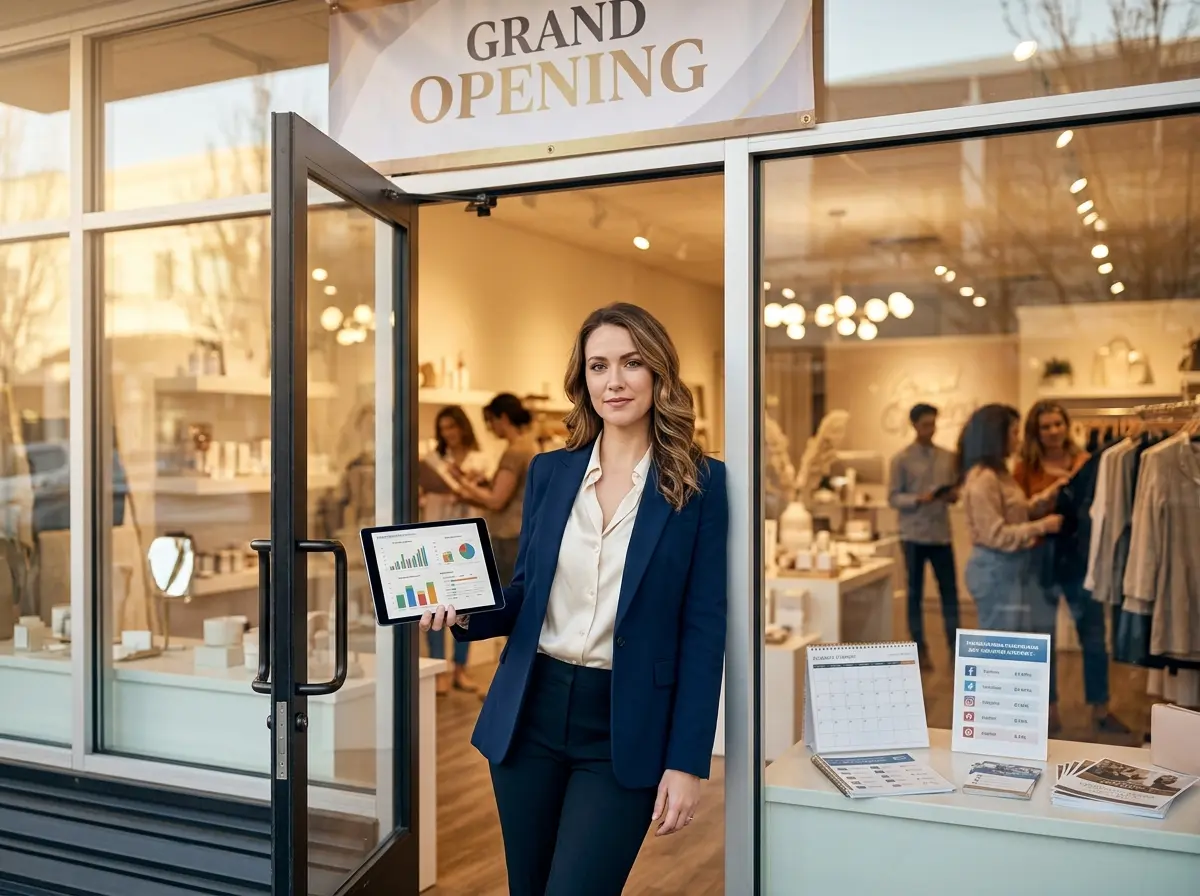
Enter the pop-up shop. It’s the retail equivalent of a first date for your new product line. It’s a low-commitment, high-insight way to see if there’s real chemistry with your customers before you go all-in. Forget gut feelings and wishful thinking; a well-executed pop-up gives you cold, hard data to build your next big success story on.
The Pre-Pop-Up Playbook: Nailing the Basics Before You Pop
A successful pop-up doesn’t just… pop up. It requires a bit of forethought. Rushing into a temporary space without a plan is a great way to have a very expensive, very quiet two weeks. Let's make sure your grand experiment is set up for success from the get-go.
Location, Location, Location (and Budget, Budget, Budget)
Where you set up shop is half the battle. You’re looking for a sweet spot with high foot traffic from your ideal customer. Setting up your artisanal, handcrafted birdhouse pop-up in the middle of a heavy metal festival might be a bold choice, but probably not a profitable one. Consider these options:
- Vacant Storefronts: The classic choice. Look for short-term leases in popular shopping districts.
- Store-within-a-Store: Partner with a complementary, non-competing business to "pop up" in a corner of their existing space. This can be a brilliant, low-cost way to tap into an established customer base.
- Market Stalls: Local farmers' markets or craft fairs can be perfect for testing products with a specific, niche audience.
And then there's the budget. The goal here is lean. This is an experiment, not a flagship store opening. Factor in the obvious costs—rent, basic fixtures, payment processing—but also the hidden ones like insurance, marketing, and a small staffing budget. Remember, every dollar you save here is a dollar you can invest in the real launch later.
Defining Your "Why": Setting Crystal Clear Goals
If your only goal for the pop-up is "to sell stuff," you're missing the point. A pop-up is a laboratory. You need to decide what hypothesis you're testing. Your goals should be specific, measurable, and move way beyond just revenue. For example, you might want to:
- Validate Demand: Does anyone actually want to buy organic, gluten-free dog treats? You’re about to find out.
- Test Price Points: Offer the same product at two different prices on alternating days. See which one hits the sweet spot between volume and margin.
- Gather Qualitative Feedback: What do people say about the packaging? The scent? The fit? This is golden information that sales data alone can’t give you.
- Build an Audience: Your primary goal could be to collect email addresses and social media follows for the official launch.
Decide what you need to learn before you open the doors. This will inform your design, your marketing, and how you measure success when it’s all over.
Designing an Experience, Not Just a Store
Pop-ups are fleeting, which means they need to be memorable. You don't have months to build a reputation; you have days. Your space needs to tell a story and create an experience that makes people stop, look, and—most importantly—talk.
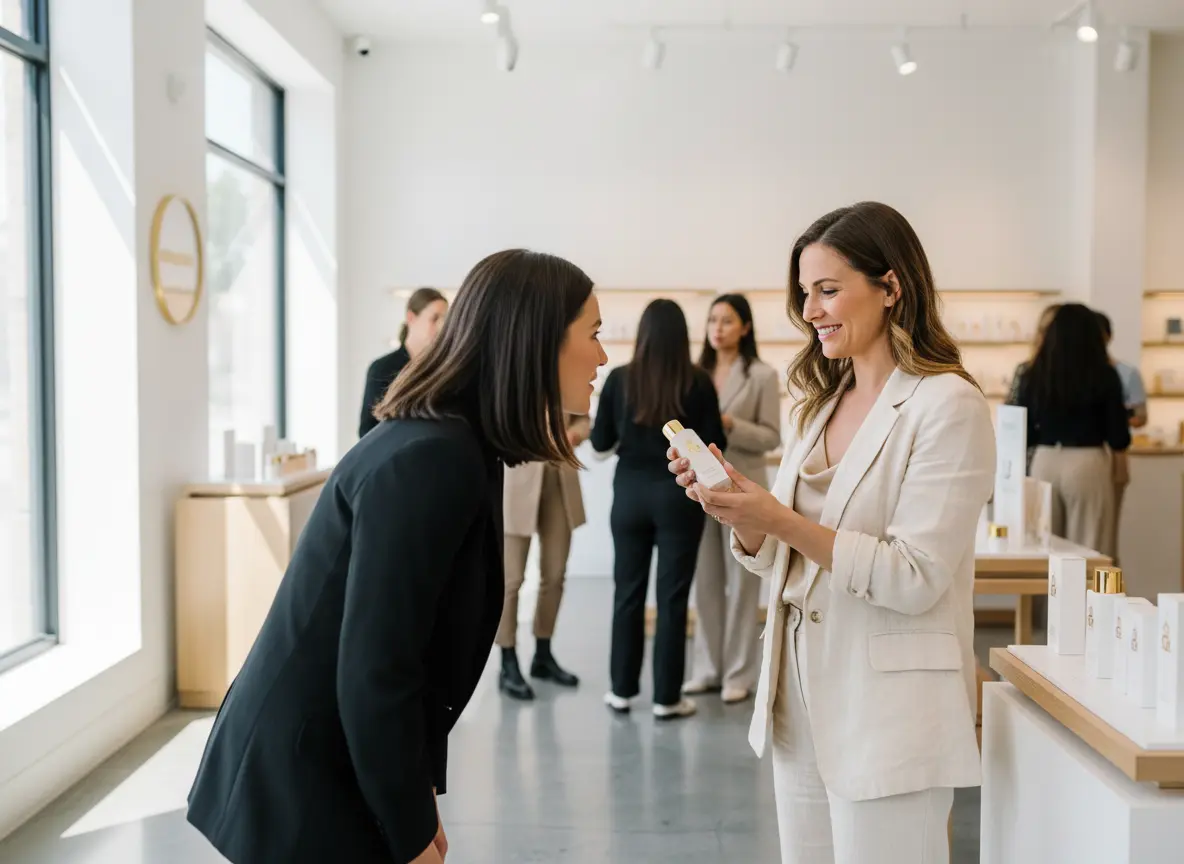
This doesn't mean you need a Hollywood set designer. It means being intentional. If you're testing a line of minimalist home goods, your pop-up should feel clean, calm, and uncluttered. If you're launching a line of vibrant, quirky socks, the space should be fun and colorful. Good lighting, a clear brand message, and one or two "Instagrammable moments" can turn a temporary space into a powerful marketing tool. Think of it as a living, breathing advertisement for your new product line.
Running the Show: Maximizing Your Pop-Up's Impact
The doors are open, the products are gleaming, and now it's time to learn. This is where you transform your pop-up from a simple store into a data-collection machine. And sometimes, the most effective machine isn't human.
Your Unblinking, Unbiased Research Assistant
Gathering honest feedback is tricky. Your staff is busy, and shoppers often tell you what they think you want to hear. "Oh, it's lovely!" they'll say, before walking out empty-handed. This is where technology can give you an incredible edge. Imagine having a team member who can greet every single person, perfectly introduce the new line, and ask for specific feedback without ever getting tired or distracted.
This is precisely where a retail assistant like Stella can be a pop-up's secret weapon. Positioned near the entrance, she ensures no one walks in unnoticed. She can be programmed to explain the concept of your new line and the limited-time nature of the pop-up. More importantly, Stella can be your lead researcher, asking shoppers direct questions like, "Which of these three designs catches your eye the most?" or "Would you prefer this product in a gift box?" People are often surprisingly candid with a robot, providing unfiltered feedback. Every interaction is logged, giving you a wealth of qualitative data to analyze later. She's the perfect, unbiased employee for your short-term retail experiment.
The Post-Mortem: Turning Data into Dollars
The pop-up is over. You’re exhausted, surrounded by empty boxes, and sitting on a pile of raw information. Congratulations! The most important work starts now. It's time to analyze the results and decide if your "genius" idea is, well, actually genius.
Drowning in Data (The Good Kind)
You should have more than just sales receipts. You have foot traffic counts, notes on customer comments, email sign-ups, and maybe even a detailed report of shopper interactions from your tireless robot assistant. Start organizing this information. Look for the patterns and the surprises:
- Best-Sellers and Duds: This is the obvious one. What flew off the shelves, and what gathered dust?
- Price Sensitivity: Did the $49 price point sell twice as much as the $59 one? Was there resistance to a certain price?
- Qualitative Clues: What were the most common questions? "Is this machine washable?" "Does it come in green?" These questions reveal what's important to your customers and what information might be missing from your packaging or marketing.
Put it all in a spreadsheet. Compare your results against the goals you set in the planning phase. The story of your product line is hidden in this data; your job is to uncover it.
To Launch or Not to Launch: Making the Call
This is the moment of truth. Armed with data, not just a gut feeling, you can make a smart, strategic decision. The answer isn't always a simple "yes" or "no." Often, the answer is "yes, but..."
Maybe your line of custom pet portraits was a hit, but only for dogs. Great! Your official launch will focus exclusively on canines. Perhaps your sustainable cleaning products sold well, but everyone complained about the bottle's spray nozzle. Fantastic—you just identified a critical flaw before ordering 10,000 faulty units. And sometimes, the data screams, "ABORT MISSION!" And that, my friend, is a massive win. You just saved yourself a world of financial pain and heartache. Pop a bottle of champagne for the money you didn't lose.
A Quick Reminder About Stella
Whether you’re testing a new concept in a pop-up or optimizing your main store, an AI retail assistant can be a game-changer. Stella works 24/7 to greet customers, promote products, and gather insights, helping you boost sales and make smarter decisions without adding to your payroll.
Conclusion: Stop Guessing, Start Testing
A pop-up shop is far more than a temporary store; it's a strategic tool for de-risking innovation. It allows you to fail small, learn fast, and place your big bets only when you have the data to back them up. You trade a massive upfront investment for a small, controlled experiment that provides invaluable market intelligence.
So, what’s your next step? Don’t overthink it. Start small:
- Pick one idea. Just one. That product you've been dreaming about but are too scared to try.
- Define one question. What is the single most important thing you need to know about it? (e.g., "Will people pay $75 for this?").
- Start looking. Research a few potential pop-up spots or even just clear a 10x10 space in your own store to create a "pop-up zone."
The market has the answers you’re looking for. It’s time to stop wondering and start asking. Go build your bridge.