Ah, Retail. The Only Business Where "What's New?" Is Both a Greeting and a Terrifying Existential Question.
Let’s paint a picture. It’s Tuesday. A truck pulls up, unceremoniously dumping 15 boxes of that brand-new, influencer-endorsed organic kale-infused face cream you ordered two months ago. The problem? Your “Skincare Sanctuary” display is currently a beautiful, immovable shrine to last season’s pumpkin spice body butter. It’s bolted to the floor. Metaphorically, and in the case of that one shelf Kevin installed, literally.
In today's fast-paced, TikTok-trend-a-minute world, a static retail display is about as useful as a chocolate teapot. Your inventory is a living, breathing, chaotic thing. One day you’re swimming in scented candles, the next you’re sold out because a celebrity mentioned them in an Instagram story. Your store’s physical layout needs to be less like a museum exhibit and more like a stage, ready for a new show every single week. If the thought of rearranging your store gives you hives, don’t worry. We’re here to help you embrace the chaos with displays that are as flexible as a yoga instructor after a double espresso.
The Foundations of Flexibility: More Than Just Moving Mannequins
Building a flexible store environment isn’t about frantically shoving racks around every morning. It’s about a strategic shift in mindset, moving from permanent "monuments" to adaptable "modules." Think Lego bricks, not Stonehenge. A flexible foundation allows you to react to inventory changes, sales data, and even the weather, without needing a construction crew.
Embrace Modularity, Not Monuments
Remember that giant, custom-built oak shelving unit that cost a fortune and seemed like a brilliant idea in 2012? It’s gorgeous, I’m sure. It’s also an anchor weighing you down. The future is modular. We’re talking about fixtures that work for you, not the other way around. Consider this your new shopping list:
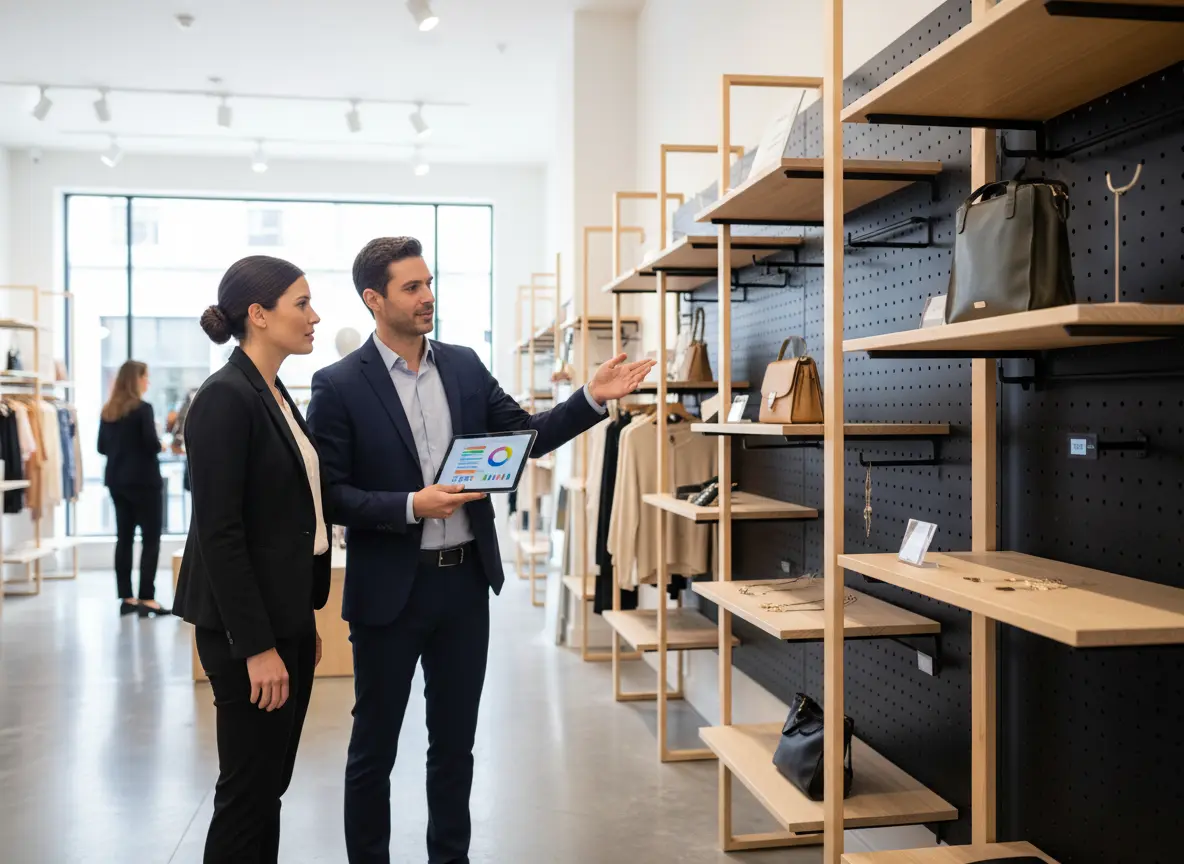
- Slatwalls and Pegboards: The undisputed champions of versatility. With a simple hook or shelf change, a wall can go from displaying handbags to dog collars to artisanal hot sauce in under five minutes.
- Nesting Tables: These are brilliant. A set of two or three tables of varying heights can be clustered together for a dense, layered display or separated to create multiple points of interest around the store.
- Fixtures on Wheels: Putting casters on everything might seem a bit extreme, but for key pieces like clothing racks, display cubes, or shelving units, it’s a game-changer. Imagine creating a whole new traffic flow for a weekend sidewalk sale just by rolling a few things around. It's power you never knew you needed.
The goal is to create a system where a 15-minute refresh can make a whole section of your store feel brand new. By investing in modular pieces, you’re not just buying fixtures; you’re buying agility.
The "Storytelling Zone" Philosophy
Stop thinking in rigid categories like "Shirts" or "Home Goods." That’s how you get a boring store. Instead, create flexible "Storytelling Zones" that group products by theme, use, or vibe. This approach, known as cross-merchandising, is not only more engaging for shoppers but also incredibly easy to change.
For example, instead of a static "Kitchen" section, create a "Perfect Pasta Night" zone. You can feature pasta makers, specialty olive oils, cute aprons, wine glasses, and a rustic cookbook. When summer rolls around? That exact same space can become "Backyard BBQ Boss," featuring grill tools, marinades, outdoor-friendly dishes, and citronella candles. You're using the same tables and shelves, but telling a completely different story. It’s a powerful way to inspire customers and, not-so-secretly, increase the average transaction value. Nobody comes in for a spatula and leaves with just a spatula from the "Backyard BBQ Boss" zone.
Guiding the Flow: Directing Attention Without a Bullhorn
So you’ve created a brilliant, flexible new display showcasing your latest shipment of hand-poured, bespoke, gluten-free candles. Fantastic. Now, how do you get customers to actually look at it? Shoppers often develop "store blindness," walking the same path every time and missing everything you’ve changed. You need to gently, but firmly, guide their attention.
Your Unblinking, Unflappable Hype-Person
You could stand at the door and announce the new display to every person who walks in, but your throat would get sore and, frankly, it's a little weird. This is where a little bit of tech goes a long way. Imagine having an assistant at the front of your store whose sole job is to be the perfect host and promoter. That's where Stella comes in. She’s a human-sized, AI-powered robot who can greet every single customer and give them the inside scoop.
When you pivot your front-of-store display from "Spring Cleaning" to "Mother's Day Gifts," you don't need to retrain your entire staff on the new talking points. You just update Stella’s script. She can greet shoppers with a warm, "Welcome! If you're looking for the perfect Mother's Day gift, be sure to check out our new curated collection right up front. We have some amazing gift sets that just arrived." She acts as a dynamic, verbal signpost, directing traffic, sparking interest, and ensuring your hard work actually gets noticed—all while your human team focuses on closing sales and providing in-depth service.
Tools of the Trade: Your Flexible Display Arsenal
Flexibility doesn’t have to be expensive. You don’t need to rip everything out and start over. Often, the biggest impact comes from the smallest, cleverest tools. Building a well-stocked "display kit" is one of the best investments you can make for your store. Here are a few must-haves.
The Humble Riser and the Mighty Crate
A flat table is a boring table. The easiest way to create visual interest and guide the eye is by creating levels. This is where risers, crates, and blocks become your best friends.
- Acrylic Risers: They’re cheap, they’re versatile, and they’re practically invisible. Use them to elevate a "hero" product, separate different colors of the same item, or add height to the back of a display.
- Wooden Crates: Flip them on their side to create a cubby, stack them to create a makeshift shelving unit, or use them open-side-up as a display bin. A quick coat of paint can change their entire personality to match your current theme.
Never underestimate the power of height. Drawing a customer's eye up and down a display is far more engaging than letting it scan across a single, monotonous plane.
Lighting Isn't Just for Seeing
Proper lighting can make a $10 product look like a $100 one. And flexible lighting is crucial for flexible displays. If your store is lit by a grid of flat, unforgiving fluorescent panels, it’s time for an upgrade. Track lighting is the gold standard for retail flexibility. You can move, pivot, and aim individual lights to spotlight new arrivals, create a moody atmosphere in one corner, and brightly illuminate another. A simple clamp-on spotlight from a hardware store can also work wonders, allowing you to highlight your new "Storytelling Zone" with a focused beam of light. It’s the retail equivalent of putting a giant, flashing arrow over your best stuff.
The "Prop Box" Magic
Every store owner should have a "prop box" (or, let's be real, a "prop closet"). This is your secret weapon for rapid-fire display refreshes. Instead of buying new decor for every season and theme, stock up on versatile, non-specific items that can be used in multiple contexts. Think:
- Faux greenery and plants (succulents are eternally trendy)
- Neutral-colored fabric swatches (burlap, linen, velvet) for texture
- A collection of old, interesting books for stacking
- Simple ceramic bowls or trays
- Frames that you can easily swap prints in and out of
When you need to refresh a display, "shop" your prop box first. Adding a bit of greenery and a textured runner can instantly transform a sterile product display into an inviting vignette.
A Quick Reminder About Stella
While you're busy masterminding your store's layout, remember that you don't have to manage the front door alone. Stella is the AI retail assistant who ensures every customer is greeted, informed about your latest promotions, and gets their basic questions answered, freeing up your team to do what they do best: sell.
Conclusion: Embrace the Flux
The rhythm of retail has changed. The days of planning your floor set a year in advance are over. Your ability to adapt, pivot, and rearrange on the fly is now your greatest competitive advantage. By embracing modular fixtures, thinking in "stories" instead of categories, and using smart tools to guide attention, you can create a store that feels fresh and exciting every time a customer walks in.
So here’s your homework: walk through your store today and identify one display "monument"—that one fixture that hasn't moved since you opened. This week, your mission is to brainstorm three different ways you could break it down and make it flexible. Start small, build your prop box, and get ready to dance with the delightful chaos of modern retail. Your customers—and your sales figures—will thank you for it.