Let’s Be Honest: Your Holiday Bonus Was a Letdown
You did everything right. You crunched the numbers, signed the checks, and handed out those little envelopes with a festive, self-congratulatory smile. You were expecting gratitude, maybe a little cheer, perhaps even a spirited “Hooray for the boss!” What you got was a polite nod, a quiet “thanks,” and the distinct feeling that your grand gesture was immediately mentally allocated to a phone bill or a slightly more expensive brand of cat food.
Ah, the cash bonus. The go-to motivator that… doesn’t really motivate. Money is a great compensator, but it’s a terrible motivator. It’s expected, it’s impersonal, and it’s forgotten as soon as it hits a bank account. In an industry where employee turnover can feel like a revolving door (the retail sector often sees turnover rates exceeding 60%), we need something more. We need rewards that build loyalty, foster engagement, and make your team feel like they’re more than just a number on a payroll spreadsheet.
So, let’s put the checkbook away for a second and talk about what actually works. Here are five non-monetary rewards that will inspire more loyalty and effort than a few extra bucks ever could.
The Power of Recognition and Autonomy
Before you roll your eyes at the "touchy-feely" stuff, remember that your employees are humans. Shocking, I know. And humans are psychologically wired to crave appreciation and control over their own work. Tapping into these fundamental needs is like finding a cheat code for employee engagement.
Reward #1: Public, Sincere, and Specific Recognition
Let’s retire the dusty “Employee of the Month” plaque that has featured the same smiling stock photo for six years. Meaningful recognition is about more than a generic title. It’s about acknowledging a specific, positive action in a way that makes the employee feel seen and valued. Why does it work? A study by OC Tanner revealed that 79% of employees who quit their jobs cite a lack of appreciation as a key reason.
How to do it right:
- Be Specific in Team Meetings: Instead of “Great job, Sarah,” try “I want to give a huge shout-out to Sarah. I saw her spend 15 minutes with a frustrated customer yesterday, patiently walking them through our return policy and finding them the perfect exchange. She turned a potential complaint into a happy shopper who will definitely be back. That’s the kind of service that builds our reputation.”
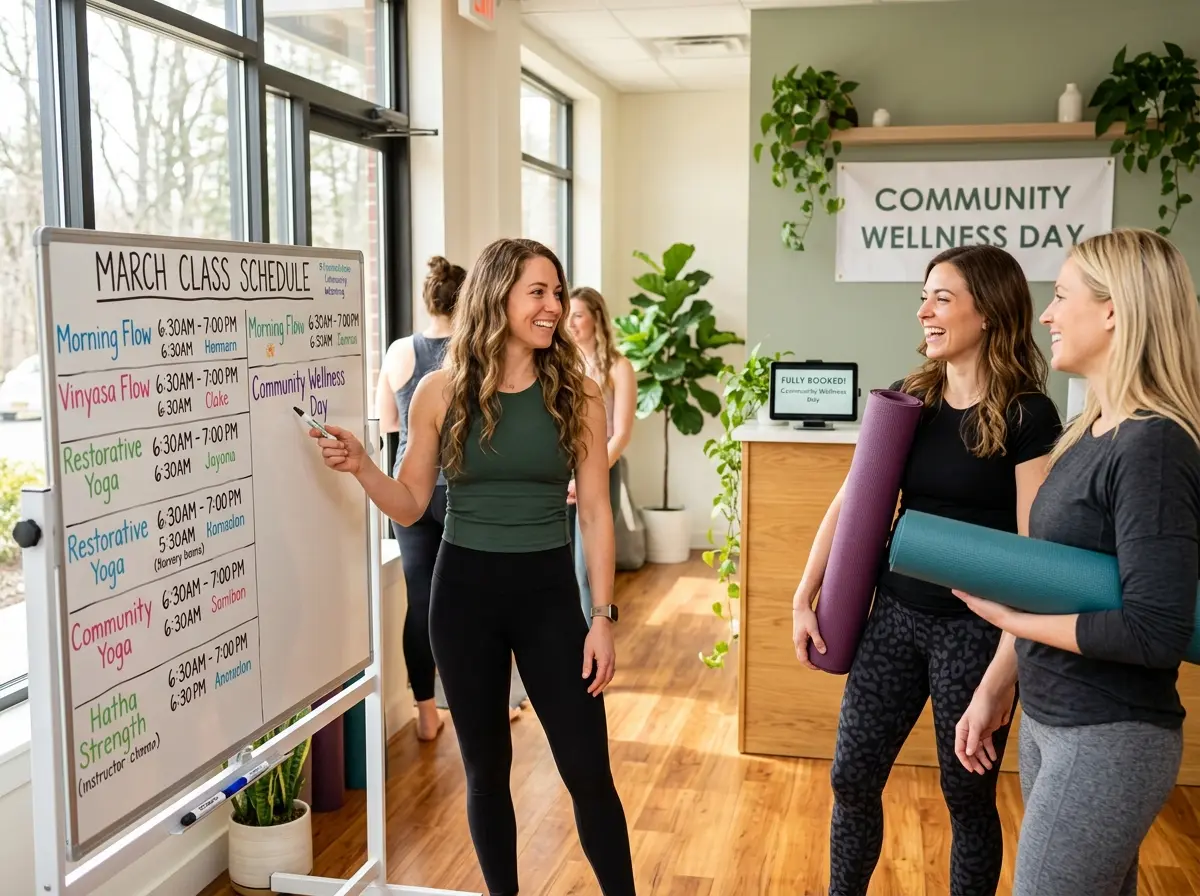
- A "Wins" Whiteboard: Put a whiteboard in the breakroom where anyone—managers or peers—can write down a recent win or a thank you to a colleague. It's a simple, visual, and constant stream of positive reinforcement.
- The Handwritten Note: In a world of emails and instant messages, a simple, handwritten thank-you note from the owner lands with surprising impact. It shows you took the time to do something personal.
Reward #2: A Generous Slice of Autonomy
Nobody enjoys having a manager breathing down their neck while they fold a sweater. Micromanagement is the fastest way to kill morale and initiative. Giving your staff autonomy, on the other hand, is a powerful statement. It says, “I trust you. I value your judgment. I believe you can do this without me.” This fosters a sense of ownership that is incredibly motivating.
How to do it right:
- Empower On-the-Spot Problem Solving: Give your team the authority to resolve customer issues up to a certain dollar amount (say, $25 or $50) without needing to find a manager. This not only makes your employee feel capable but also provides a much faster, better experience for the customer.
- Delegate Creative Ownership: Let a trusted employee take charge of a window display, a section of visual merchandising, or even the store's Instagram stories for a week. They’ll be more invested in the outcome because they own it.
Creating a Genuinely Better Work Environment
Sometimes the best reward isn’t something you give, but something you take away. The daily grind of retail is filled with tiny, repetitive frustrations that can add up to serious burnout. Removing some of that friction can feel like a bigger gift than any bonus.
Reward #3: The Glorious Gift of Fewer Annoyances
Think about the questions your team has to answer dozens of times a day. "What are your hours?" "Where is the fitting room?" "Is this on sale?" Answering these is necessary, but it’s not fulfilling work. It’s a distraction from what your talented staff should be doing: engaging with customers in meaningful ways, offering expert advice, and closing complex sales.
This is where smart tools can make a monumental difference. By automating the mundane, you elevate your team. For example, an in-store assistant like Stella can be positioned near the entrance to greet every single customer, answer all those common FAQs, and even promote your daily specials. This isn't about replacing your team; it's about unburdening them. Stella handles the robotic, repetitive work so your human staff can focus on the high-value, human-centric work they were actually hired to do. The result is a less stressful, more engaging job. And a less-stressed employee is a happier, more productive, and more loyal employee.
Investing In Your People's Future (and Your Own)
Showing your team that you care about their career, not just their clock-in time, is one of the most powerful retention strategies in your arsenal. People want to feel like they are moving forward, not just treading water in the same role forever.
Reward #4: Meaningful Professional Development
Paying for a training course sends a clear message: “I see potential in you, and I’m willing to invest in your growth.” This is a reward that pays dividends for both of you. According to a LinkedIn report, a staggering 94% of employees say they would stay at a company longer if it invested in their learning and development. You get a more skilled employee, and they get a tangible new asset for their resume and a reason to stick around.
How to do it right:
- Offer Specific Training: Don’t just offer a generic budget. Suggest courses relevant to their role and interests, like an advanced visual merchandising workshop, a sales psychology seminar, or a certificate in digital marketing.
- Create Clear Advancement Paths: Does your team know what it takes to get promoted? Create a simple, clear document that outlines the skills and experience needed to move from Sales Associate to Shift Lead to Assistant Manager. A visible ladder is much more motivating than a dead end.
Reward #5: Flexibility and a Better Work-Life Balance
In today's world, flexibility is the ultimate currency. While retail doesn't have the "work from your couch" luxury of some industries, you can still offer forms of flexibility that show you respect your team's life outside the store. One extra day off after a hellish Black Friday weekend can be infinitely more memorable and appreciated than a $100 bonus.
How to do it right:
- The "Golden Ticket" Day Off: Give each employee one or two "golden tickets" per year that they can use to request a day off, no questions asked, even on short notice (within reason, of course). -
- Encourage Shift Swapping:
- Use a scheduling app that makes it easy for employees to swap shifts among themselves without needing a manager to play traffic cop for every little change.-
- The Surprise Early Finish:
- If it's a slow Tuesday afternoon and you're overstaffed, let one of your high-performers go home an hour or two early, with pay. The surprise and delight of this gesture are worth far more than the cost of that labor hour.
A Quick Reminder About Stella
Remember, a key part of motivating your team is creating an environment where they can thrive. A friendly robot assistant like Stella can be a game-changer, absorbing the repetitive questions and tasks that bog down your staff. She ensures every customer is greeted and informed, freeing up your team to focus on what they do best: building relationships and selling with expertise.
Stop Buying Loyalty, Start Earning It
At the end of the day, a bonus is a transaction. The rewards we've talked about—Recognition, Autonomy, a Less Annoying Job, Development, and Flexibility—are investments. They are investments in your people, your store's culture, and your long-term success. They show your team that you see them as partners, not just as payroll expenses.
So, here’s your challenge: Pick one of these ideas and implement it in the next 30 days. Just one. Start a "wins" whiteboard in the breakroom. Define a clear policy for on-the-spot problem-solving. Ask your top employee what online course they'd love to take. The effort is small, but the payoff in morale, engagement, and loyalty will be huge.
Your team will be happier, your customers will get better service, and you just might find yourself leading a team that’s genuinely excited to come to work. And that’s a return on investment that no holiday bonus can ever match.