Let's Be Honest: Your Marketing Budget is Tired
You’ve poured money into social media ads, boosted posts until your credit card screamed for mercy, and maybe even considered hiring a skywriter. All this to attract new customers, a process that’s as expensive as it is exhausting. Meanwhile, your happiest, most loyal customers walk out the door every day, holding a secret marketing weapon you haven’t armed them with: their own voice.
What if you could turn these happy shoppers into a legion of brand ambassadors? A volunteer sales force that works for store credit and genuine love for your brand? It’s not a fever dream brought on by too much inventory counting. It’s a well-designed customer referral program. According to Nielsen, 92% of consumers trust recommendations from friends and family above all other forms of advertising. It's time to stop shouting into the digital void and start whispering in the right ears.
The Anatomy of a Referral Program That Actually Works
Building a referral program isn't just slapping a "Refer a Friend" link on your website and hoping for the best. It's a science, an art, and a little bit of Jedi mind-trickery. Get it right, and you'll have a self-sustaining engine for growth. Get it wrong, and you'll be left with a sad, unused program and a pile of wasted effort. Here’s how to get it right.
The Irresistible Incentive (Hint: It’s Not Always a Discount)
The first rule of Referral Club is: the reward must be worth talking about. A measly 5% discount isn't going to convince anyone to risk their social capital. The key is to offer something of genuine value to both the referrer and the new customer. This two-sided incentive is crucial. Think of it as a symbiotic relationship. One-sided deals feel transactional and a bit selfish.
Don't just default to a percentage discount. Get creative:
- Store Credit: "Give $20, Get $20." It's simple, clear, and encourages both parties to come back and spend. This is often more effective than a discount because it feels like free money.
- Exclusive Products or Services: Offer a limited-edition item, a free gift with purchase, or early access to a new collection. Exclusivity makes people feel special.
- Upgraded Loyalty Status: Instantly bump your referrer up to the next tier in your loyalty program, unlocking better perks.
The perfect incentive aligns with your brand and what your customers value. A high-end boutique might offer a free personal styling session, while a bookstore could offer a coveted signed edition. Know your audience and what makes them tick.
Make It Stupidly Simple to Share
If your referral process involves more than two clicks, a blood sample, and a notarized letter, you've already failed. Your customers are busy. They have jobs, families, and a Netflix queue that isn't going to watch itself. They are not going to spend 15 minutes navigating a clunky interface to save their friend a few bucks.
Friction is the enemy. Your goal is to make sharing as effortless as possible. Provide them with a unique, easy-to-copy referral link or a simple code. Integrate sharing options directly into their customer account page or your post-purchase emails. A customer should be able to fire off a referral link in a text message while waiting for their latte. The easier you make it, the more likely they are to do it. Think "one-click simple."
Promote It Like You Mean It
A referral program is not a "set it and forget it" magic trick. It's a marketing initiative, and it needs to be marketed. Your amazing program is useless if nobody knows it exists. You need to shout it from the rooftops (or, you know, more practical channels).
Weave the promotion into every customer touchpoint:
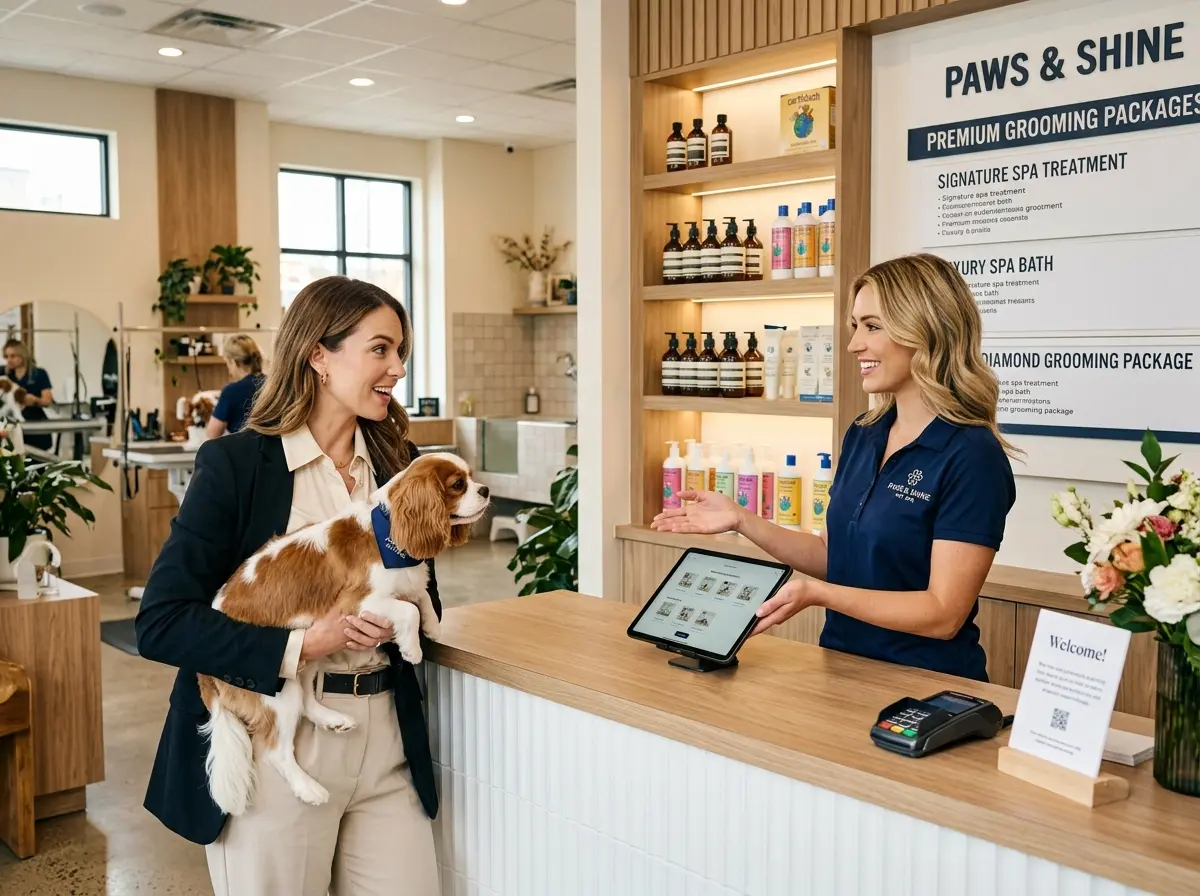
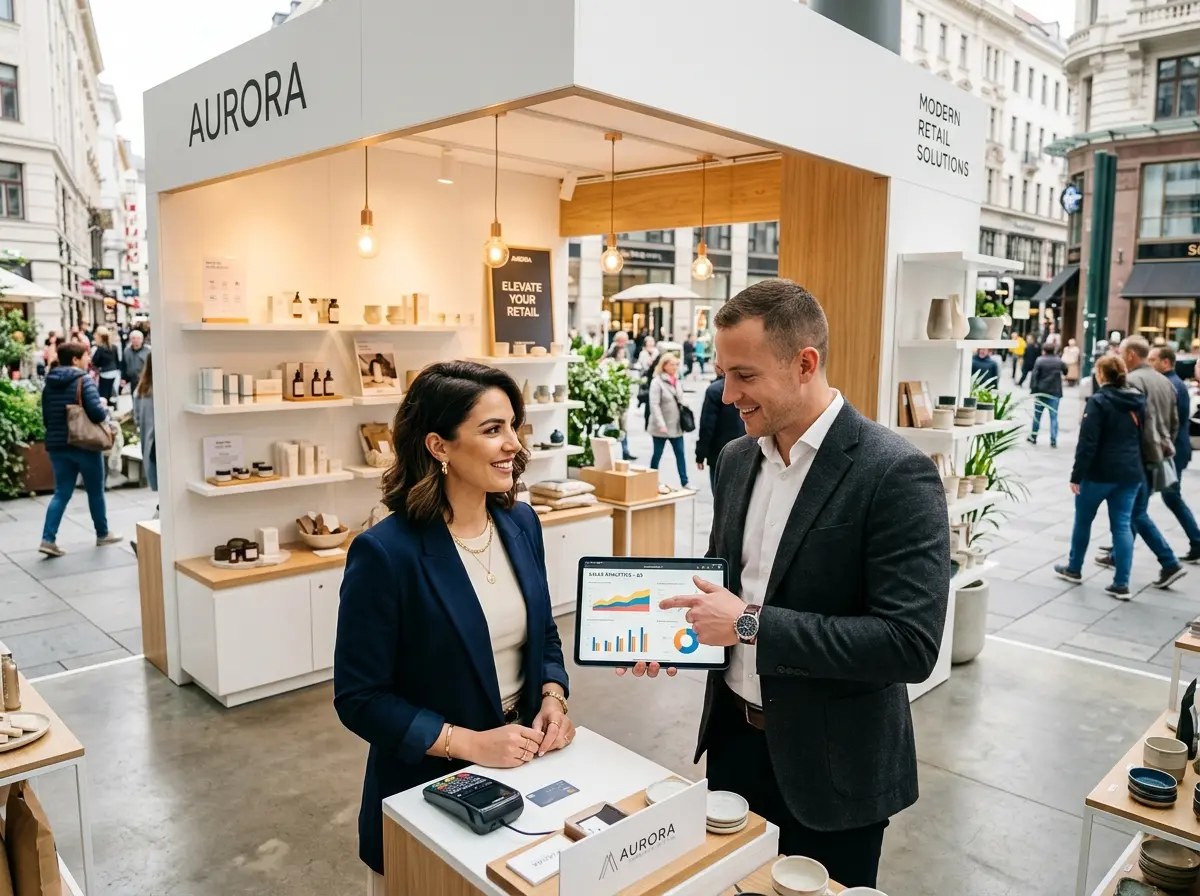
- In-Store: Use signage at the checkout counter. Have your staff mention it during conversation. Add a QR code on receipts.
- Online: Feature it on your website homepage, in your email newsletters, and on your social media profiles. A banner at the top of your site is a great start. -
- Post-Purchase:
- The moment after a customer makes a purchase is when they are happiest with your brand. Hit them with a pop-up or an email asking them to share the love.
Remember, repetition is key. Customers need to see the message multiple times before it sinks in. Don't be shy about promoting something that benefits both you and them.
Your Secret Weapon for In-Store Promotion
Let's be real, your staff is juggling a dozen tasks at once. They’re stocking shelves, helping customers, and processing transactions. Asking them to remember to pitch the referral program to every single customer is a tall order. Inevitably, it gets forgotten during a rush. That's where you need a consistent, tireless promoter.
The In-Store Hype Machine
Imagine having a dedicated team member at your entrance whose only job is to greet every customer and let them know about your best promotions, including your shiny new referral program. That’s Stella. She’s your always-on, never-tired AI retail assistant who ensures no opportunity is missed. She can be programmed to say, "Welcome to the store! Just so you know, we have an amazing referral program. You and a friend can both get $25 off when you share the love. Feel free to ask me for your unique code!"
By placing this message right at the start of the shopping journey, Stella plants the seed. Customers are immediately aware of the program, increasing the chances they'll participate. She never has an off day, never forgets the script, and delivers a perfect pitch every single time.
Avoiding the Pitfalls of a Pathetic Program
For every wildly successful referral program, there are a dozen that flop. They usually fail for a few painfully obvious, and entirely avoidable, reasons. Don't let your program become another statistic.
The "What's In It For Me?" Conundrum
We touched on this earlier, but it’s so important it’s worth repeating. A common mistake is creating a one-sided incentive. If you only reward the new customer, the referrer feels used. "Hey, go spend money at this place so I can get free stuff!" is not a great look. Conversely, if you only reward the referrer, the new customer feels like a pawn in their friend's game. The magic is in the dual-sided reward, where both people win. It transforms the conversation from a sales pitch into a genuine, "You have to check this out, and we both get a cool perk."
Overcomplicating the Rules
Your referral program terms and conditions shouldn't read like a legal document. Complexity is a conversion killer. Avoid creating a labyrinth of rules, conditions, and blackout dates. "Refer a friend who spends over $50 on a non-sale item on the third Tuesday of the month, and you'll earn points redeemable for a 10% discount on your next purchase (some exclusions apply)." Nobody has time for that. Simplicity wins. "Give $10, Get $10." "Share 20% Off, Get a $20 Credit." It's clear, concise, and easy to understand. The less your customers have to think, the better.
Forgetting to Say Thank You
When a customer successfully refers a friend, they’ve done you a huge favor. They’ve acted as your salesperson and delivered a new, high-value customer to your doorstep. Don't just let an automated system send them a reward code and call it a day. Acknowledge their effort. Send a personalized thank-you email. For your top referrers—the superfans who are sending you business month after month—go the extra mile. A handwritten note or a small, unexpected gift can turn a happy customer into a lifelong evangelist. It shows you see them as a person, not just a number in your referral dashboard.
A Quick Reminder About Stella
While you're mastering the art of word-of-mouth marketing, don't forget about the front lines. A friendly welcome sets the stage for the entire shopping experience. That's where Stella, our AI retail assistant, shines by greeting every customer, promoting your offers, and ensuring your store always makes a great first impression.
Conclusion: Stop Buying Friends, Start Making Them
A powerful referral program is one of the most cost-effective, high-impact marketing strategies you can deploy. It leverages the trust and goodwill you’ve already built with your existing customers to create a steady stream of new ones who are more loyal and spend more over time.
Here’s your homework: this week, sit down and sketch out a simple referral offer. Don't overthink it. Start with a classic "Give X, Get Y" model. Make it easy to share, and plan how you’ll tell your customers about it. Stop pouring your entire marketing budget into acquiring cold leads and start investing in the people who already know and love your brand. They’re your most valuable asset; it's time you started treating them like it.