Let's Be Honest: Your Sun-Faded "20% Off" Poster Isn't Cutting It Anymore
Remember that feeling of pride when you perfectly centered a printed-paper sign on the front door using nothing but scotch tape and sheer willpower? Ah, simpler times. But let’s face it, in a world where your customers have supercomputers in their pockets, that slightly-curled, coffee-stained sign announcing a sale from two weeks ago feels less like charming vintage and more like... well, just vintage. Your store is dynamic, your inventory changes, and your promotions are timely. So why is your in-store marketing stuck in 1998?
The problem with traditional signage is that it’s a pain. It’s expensive to print, a hassle to put up, and becomes outdated the second you want to run a flash sale. It’s static. It’s boring. And it’s probably being ignored. But what if there was a way to broadcast eye-catching promotions, update deals in real-time, and engage customers without adding another dozen tasks to your already-impossible to-do list? Enter digital signage, the marketing tool that works harder than your most caffeinated employee.
So, What Exactly is This "Digital Signage" Magic?
Before you picture a jumbotron from Times Square blasting ads in your cozy boutique, let’s demystify what we’re talking about. At its core, digital signage is simply using a digital screen to display content. But it’s so much more than that. It’s a dynamic, flexible, and surprisingly affordable way to transform your store's atmosphere and sales strategy. Let's break it down.
Beyond Just a Fancy TV Screen
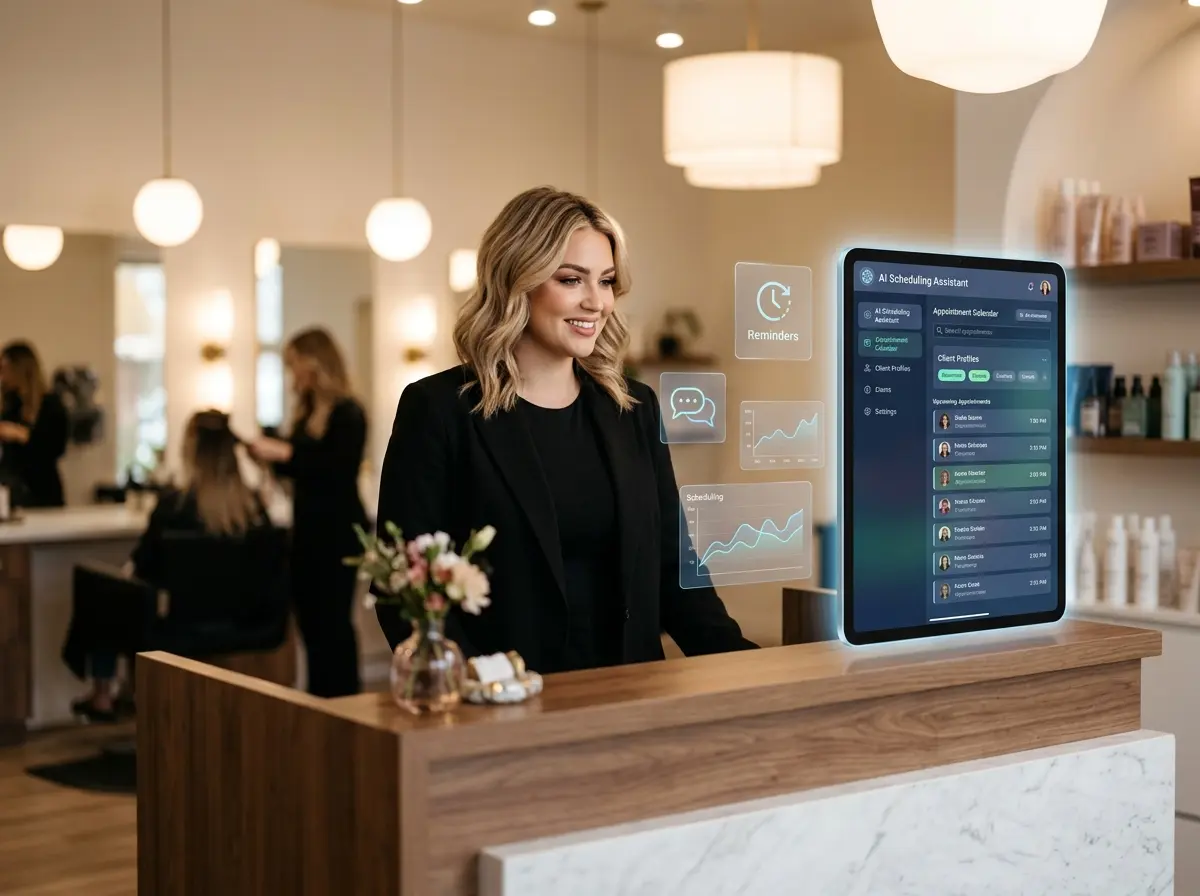
Putting a TV on a wall and looping a PowerPoint presentation is a start, but that’s not quite the revolution we’re aiming for. True digital signage is a system: a screen (or multiple screens), a small media player, and a cloud-based Content Management System (CMS). Think of it as your store's personal broadcast network. From a single laptop, you can schedule content, update prices, and push a new "Deal of the Day" to every screen in your store (or across multiple locations) in seconds. No printing, no tape, no asking Kevin from the stockroom to climb that wobbly ladder again. You have total control, instantly.
The Undeniable ROI of Going Digital
Okay, so it's cool. But does it actually work? Oh, you bet your tastefully curated inventory it does. According to some pretty smart people with clipboards, digital signage can increase the average purchase amount by nearly 30%. Why? Because it grabs attention. A moving image is exponentially more likely to be noticed than a static one. Here are just a few ways it pays for itself:
- Upsells and Cross-sells: A screen near your best-selling coffee makers can show off high-margin espresso pods. A display in the dressing room area can feature accessories that "complete the look." It's your silent, tireless salesperson.
- Reduced Perceived Wait Times: A screen near the checkout line displaying fun facts, social media feeds, or product demos can make a five-minute wait feel like one. Happier customers are repeat customers.
- Eliminated Printing Costs: Think of all the money and resources spent on designing, printing, shipping, and installing paper signs for every minor promotion. Over a year, those savings add up to, well, enough to buy a very nice digital screen.
Getting Started Without Breaking the Bank (or Your Spirit)
The words "digital signage system" might conjure images of a five-figure invoice and a team of IT wizards. Relax. Getting started is easier and more affordable than ever. You don't need a commercial-grade, bomb-proof screen for your first foray. A regular consumer smart TV can work wonders. Pair it with an inexpensive media player (like an Amazon Fire Stick) and a subscription to a user-friendly, cloud-based CMS, and you’re in business for a surprisingly low initial investment. Start with one screen in a high-impact location—like your storefront window or behind the cash wrap—and see what a difference it makes.
Marrying the Digital with the Personal
Digital signs are fantastic at broadcasting information to many people at once. They are a one-to-many communication tool. But retail is built on connection, on the one-to-one interactions that make a shopper feel seen and valued. How do you bridge the gap between a flashy, impersonal screen and a genuinely helpful, personal experience? You get a little help.
Creating a High-Tech, High-Touch Experience
Imagine your slick new digital screen is running a gorgeous video showcasing your new line of jackets. A customer sees it, is intrigued, and walks in. Now what? They might wander aimlessly, or they might not find the right size. The broadcast did its job, but the connection was lost. This is where you can combine the best of digital efficiency with the power of personal engagement. While your screen grabs their attention, an interactive assistant can seal the deal.
This is precisely where a solution like Stella, the in-store robot assistant, creates an unbeatable combination. The screen flashes "50% Off All Handbags!" and as the customer pauses, Stella can proactively engage them with a friendly, "Welcome! Did you see we have an amazing sale on handbags today? I can tell you all about them!" This one-two punch is incredibly effective. The digital sign creates the spark of interest, and a helpful assistant fans it into the flame of a sale. It ensures that the momentum created by your beautiful digital content isn't wasted.
Content is King, Queen, and the Entire Royal Court
A digital screen with bad content is just a very expensive, very ugly picture frame. The magic isn't in the hardware; it's in what you choose to display. Your content strategy doesn't need to be complicated, but it does need to be thoughtful. Here's how to create content that captivates and converts.
The "Duh, Obvious" Content You Should Be Running Yesterday
Let's start with the basics. If you do nothing else, make sure these are in your rotation. They are the low-hanging fruit of digital signage content.
- Promotions, Sales, and Discounts: This is your bread and butter. Use big, bold text, high-quality product images, and a clear call to action. "BOGO," "25% Off," "Today Only!"—make it unmissable.
- New Arrivals & Best-Sellers: Build excitement for what's new and leverage social proof for what's popular. A simple "Just In!" or "Customer Favorite" graphic can drive immediate interest.
- Essential Store Information: Display your hours, Wi-Fi password, return policy, or upcoming events. Every question your screen answers is one less interruption for your busy staff.
Pro-Level Content That Makes You Look Like a Genius
Ready to level up? Once you have the basics down, you can start using your screens to build your brand and create a truly engaging in-store experience. Try mixing these into your playlist:
- User-Generated Content: Set up a live feed of your Instagram or X (formerly Twitter) feed that pulls in posts with a specific brand hashtag. Showcasing real customers using your products is authentic, powerful, and costs you nothing.
- Behind-the-Scenes Footage: Show your team unboxing a new shipment, offer a "Meet the Staff" profile, or share a short clip about the maker of a particular product. This humanizes your brand and builds a deeper connection with your customers.
- Product Demos and How-To's: Are you selling a complex gadget, a unique food item, or a versatile piece of clothing? Show it in action! A short, looping video is infinitely more effective at explaining value than a static image or a paragraph of text.
The Cardinal Sins of Digital Signage
Finally, a word of warning. It’s surprisingly easy to get digital signage wrong. Avoid these common pitfalls at all costs, lest your customers think you just discovered PowerPoint '97.
- The Wall of Text: Your screen is a billboard, not a novel. Use short, scannable phrases. If you can’t read it in 3-5 seconds, it’s too long.
- The Outdated Message: Nothing screams "we don't pay attention to detail" like a "Happy New Year!" message in March. Keep your content fresh and relevant. Schedule content to expire automatically.
- The Cacophony of Chaos: Don't cram too much information onto one screen. Stick to one clear message per slide. A clean, simple design is always more effective than a cluttered, confusing one.
A Quick Reminder About Your In-Store Teammate
Just as dynamic digital signage keeps your marketing fresh, a reliable assistant ensures your customer service is consistently excellent. Stella is that perfect team member—always on, always friendly, and always ready to greet, promote, and assist, making every single shopper feel noticed and valued from the moment they walk in.
Your Next Steps to Ditching the Paper Age
Look, moving on from the familiar world of paper and tape can feel daunting. But digital signage is no longer some far-off, futuristic technology. It's an accessible, powerful, and essential tool for the modern retailer. It saves you time, saves you money, and creates a more engaging and profitable shopping experience for your customers.
So, what's the first step? It's simple:
- Do a quick audit. Walk around your store and look at your current signs. Are they fresh? Are they effective? Are they... a little bit sad? Be honest.
- Pick a spot. Identify one single high-traffic, high-impact location in your store. The wall behind your checkout counter? Your front window? That's your pilot location.
- Brainstorm three messages. Just three. A welcome message, your top-selling product, and your current big promotion. That's it. You've just created your first digital signage playlist.
You’re ready. It’s time to trade the scotch tape for a smart TV and the faded paper for vibrant pixels. Your customers—and your bottom line—are waiting.