Let's Be Honest: Your Checkout Counter Is Probably an Afterthought
Ah, the checkout counter. That hallowed ground where the final, sacred transaction takes place. For many retailers, it’s a purely functional slab of wood or laminate, piled high with a credit card machine, a tangle of wires, a half-eaten bag of chips, and that one pen that mysteriously never works. It’s the last thing your customer interacts with, and frankly, you’ve probably given it less thought than the font on your "Employees Must Wash Hands" sign.
Let's have a little heart-to-heart. Treating your point of sale (POS) as a mere transaction hub is like using a rocket ship as a doorstop. You're missing the point, and more importantly, you're missing out on profit. Your checkout isn’t just an endpoint; it's the final handshake, the closing argument, and your last, best chance to make a lasting impression—and a few extra bucks. It’s time to transform that cluttered counter from a liability into a lean, mean, profit-generating machine. And no, that doesn't just mean adding more candy bars (though it’s not a bad start).
The Psychology of the Point of Sale: More Than Just a Transaction
Before you start rearranging your gum selection, let's get inside your customer's head. The checkout area is a hotbed of psychological triggers. Understanding them is the difference between a customer leaving with a smile and a customer leaving with a vow to never return because your chip reader was “being weird.”
The "Peak-End Rule" in Retail
Ever had a fantastic vacation that was ruined by a nightmare trip home? That’s the "Peak-End Rule" in action. This psychological heuristic, coined by Nobel laureate Daniel Kahneman, says that people judge an experience largely based on how they felt at its most intense point (the peak) and at its end. In your store, the checkout is the end. Your customer could have had a wonderful time browsing, found the perfect item, and received great help from an employee. But if they finish that journey by waiting in a 15-minute line next to a dusty pile of returns, their brain will retroactively sour the entire experience. A smooth, pleasant, and efficient checkout doesn't just end the visit on a high note; it elevates the memory of the whole trip.
The Glorious Power of the Impulse Buy
Ah, the impulse buy. That beautiful, chaotic force of nature that whispers, “You definitely need this tiny, overpriced succulent.” A 2022 survey by Slickdeals revealed that the average American spends over $300 a month on impulse purchases. This isn’t driven by logic; it's pure, unadulterated emotion. The checkout line is the final frontier for these spontaneous splurges. Customers are in a captive waiting pattern, their wallets are already metaphorically (or literally) out, and their decision-making fatigue is setting in. This is your moment. A well-curated selection of low-cost, high-desire items isn’t just clutter; it’s a carefully laid trap for loose change and fleeting whims.
Creating a "Decompression Zone"
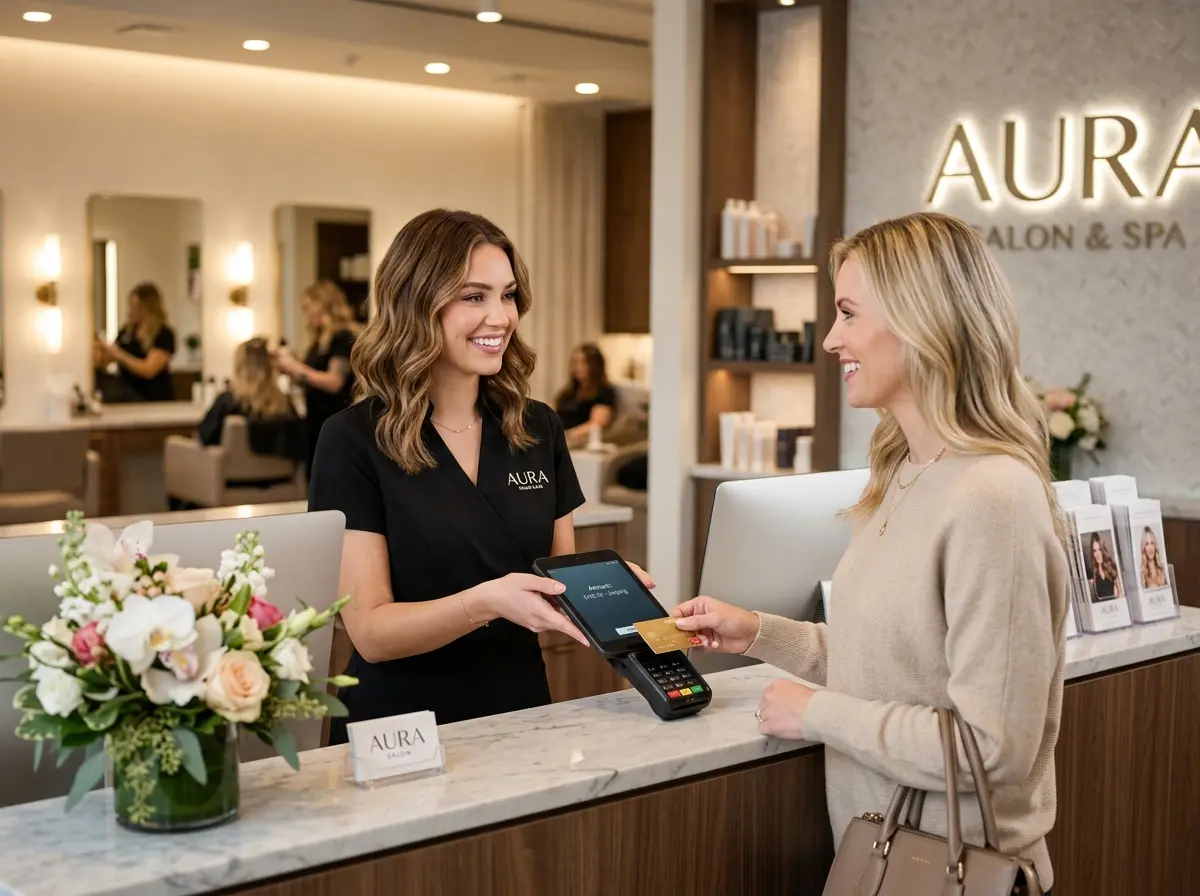
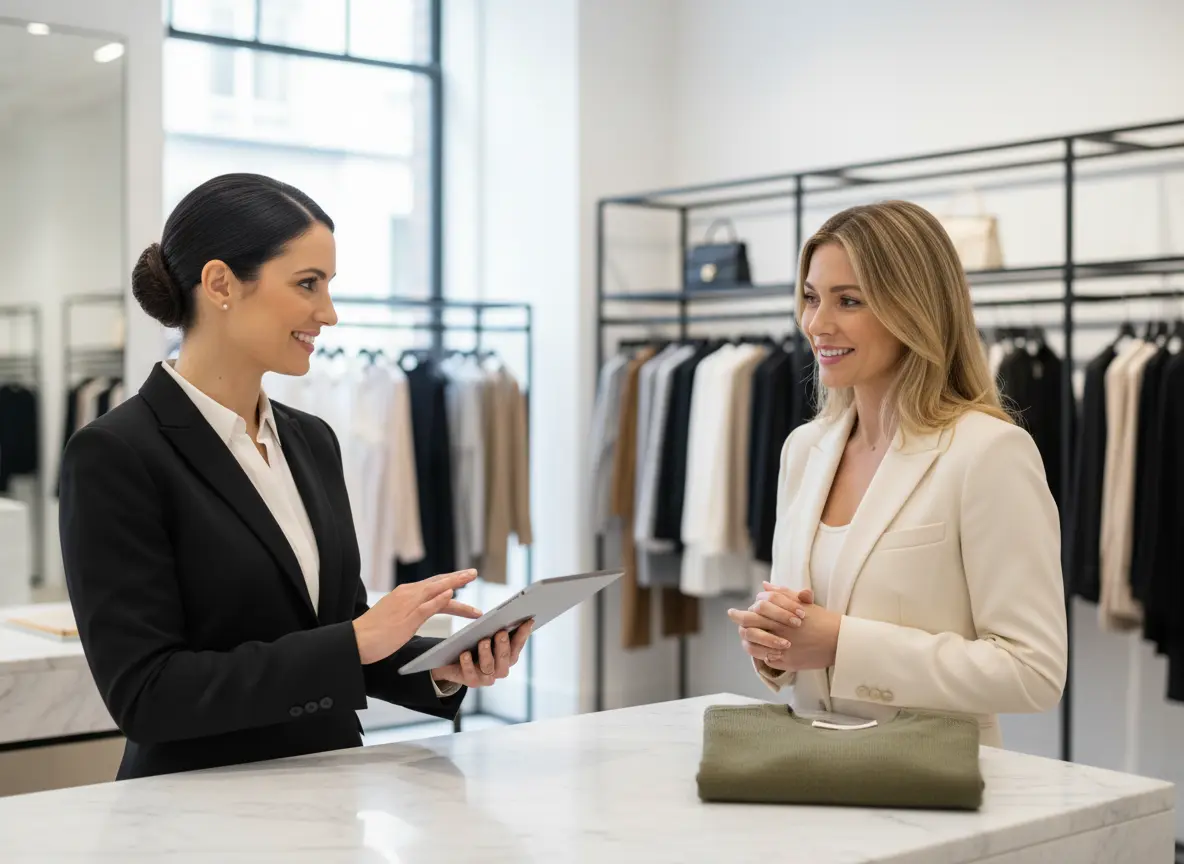
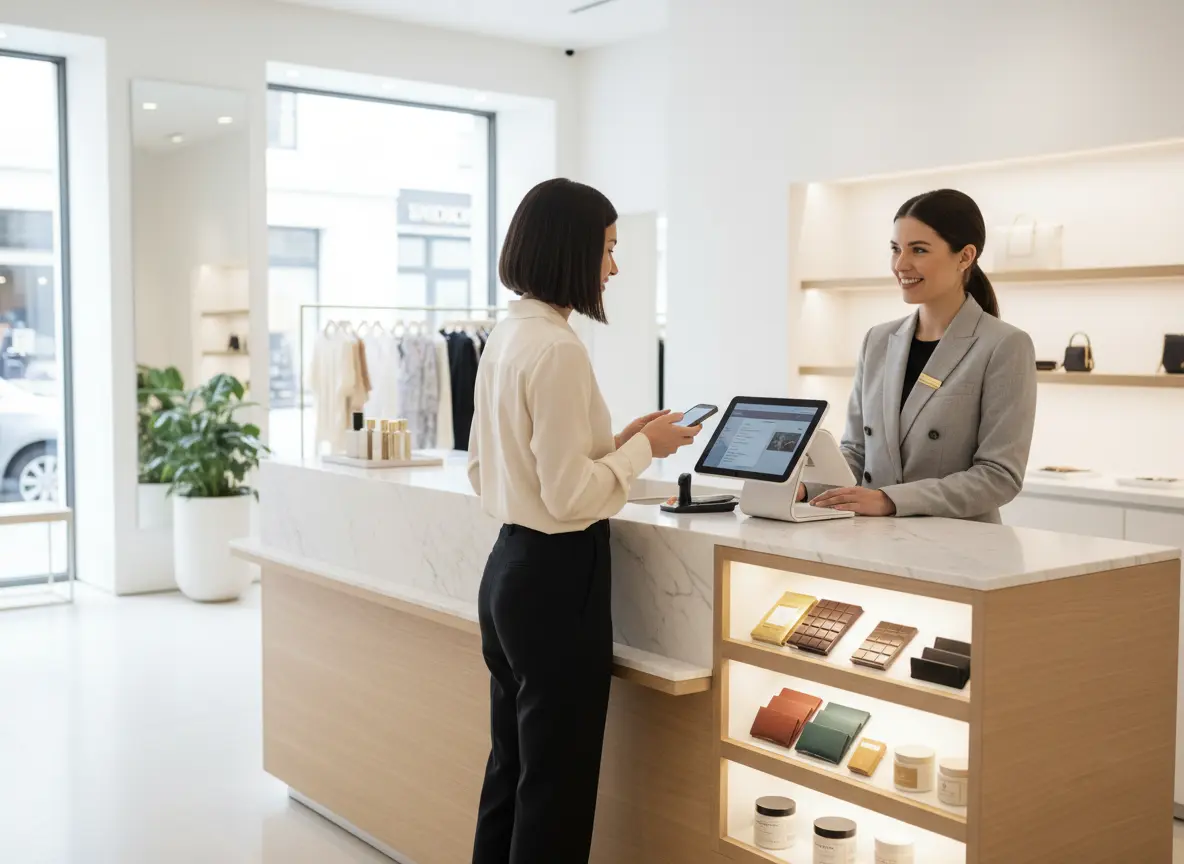
The checkout counter should feel like a finish line, not a frantic scramble. If the area is cluttered, disorganized, and chaotic, it transfers that anxiety directly to the customer. This is the opposite of what you want. A customer who feels rushed or stressed is less likely to add an impulse item or sign up for your loyalty program. The goal is to create a "decompression zone"—an area that is clean, well-lit, and easy to navigate. It should give customers a moment to organize their things, review their purchases, and feel good about the money they’re about to spend with you. Think of it as a calm harbor after their long and perilous shopping voyage.
Optimizing Your Front Line with a Little Help
A profitable checkout experience doesn’t actually begin at the counter. It begins the moment a customer walks through your door. If they’re already informed, engaged, and in a positive mindset, the final transaction becomes a simple, pleasant formality. This is where a little bit of forward-thinking—and forward-placing—can make all the difference.
Priming the Pump Before They Even Reach the Counter
Imagine if a friendly associate could greet every single customer, tell them about the "2-for-1" deal on lip balm right at the register, and answer basic questions without you ever having to pull a staff member off the floor. That's the power of priming the pump. By the time that customer gets to the checkout, they're not surprised by the upsell—they're expecting it. This is where a tool like Stella, our in-store robotic assistant, can be a game-changer. She can be programmed to mention the exact promotions they'll find at the checkout, ensuring the idea is planted long before they’re fumbling for their credit card.
The Human-Robot Dream Team
When you automate the repetitive, front-of-store tasks, you elevate your human staff. Instead of shouting, "Don't forget the hand sanitizers are on sale!" for the 80th time that day, your cashier is free to provide genuine, person-to-person service. They can focus on making eye contact, smiling, and ensuring a speedy, error-free transaction. A tireless assistant like Stella handles the initial promotional heavy lifting, allowing your team to focus on what they do best: creating a memorable final interaction that builds loyalty and brings customers back.
The Nitty-Gritty: Practical Design and Merchandising
Alright, enough with the psychology. Let's talk brass tacks. How do you physically build this magical, money-making checkout counter? It comes down to three things: employee comfort, smart merchandising, and an even smarter queue.
Ergonomics for Employees (Because Happy Staff = Happy Customers)
Your cashier is the gatekeeper of your store's final impression. If they're miserable, your customers will feel it. An uncomfortable employee is a distracted, grumpy employee. Pay attention to the details:
- Counter Height: Is it at a comfortable standing height to avoid hunching? Is there room for a stool during slower periods?
- Workflow: Is the scanner, payment terminal, and bagging area laid out in a logical, fluid sequence? Every second saved by avoiding awkward reaching is a second less your customer has to wait.
- Comfort: Invest in an anti-fatigue mat. It’s a small price to pay for an employee who can still feel their feet at the end of an eight-hour shift. A happy back leads to a happy front-of-house.
Merchandising the "Grab-and-Go" Zone
This is where art meets science. The items you place at the checkout need to hit a specific sweet spot. They should be low-cost (so it feels like a trivial addition), high-margin (so it’s worth it for you), and small (so they don't clog up the counter). Think in categories:
- Problem Solvers: Items that save the day. Think phone chargers, lip balm, travel-sized hand sanitizer, mints, or stain-remover pens.
- Affordable Luxuries: Small treats that feel special. Think gourmet chocolates, mini candles, fun patterned socks, or fancy hand lotion.
- Seasonal & Themed Items: Keep it fresh! Stock small holiday trinkets in December, mini sunscreens in July, and locally made goods that reflect your brand's personality.
Most importantly, rotate this stock. A customer who sees the same sad, dusty mints every visit will learn to ignore them. Keep it new, keep it interesting, and keep them guessing.
The Art of the Queue
How you manage your line says a lot about how you value your customers' time. For most stores, a single, serpentine line is psychologically superior to multiple cashier-specific lines. It feels fairer ("no one is cutting!"), reduces line-switching anxiety, and keeps the crowd contained. Use this to your advantage. The queue itself is a merchandising opportunity. Low-profile shelving units lining the path to the register—a tactic mastered by retailers like Sephora and Marshalls—can turn wasted waiting time into profitable browsing time. Guide your customers on a journey, even if it’s just a ten-foot shuffle to the cash register.
A Quick Reminder About Stella
While you're redesigning your checkout, don't forget the first point of contact. Stella, our AI retail assistant, ensures every customer is greeted, informed, and primed for a great shopping experience from the moment they walk in. She sets the stage for a seamless journey, culminating in that perfectly optimized checkout you've just designed.
Conclusion: Your Final, Most Important Sale
Your checkout counter is more than just a piece of furniture; it’s the climax of your store’s story. It’s where a casual browser becomes a loyal customer. By blending smart psychology with practical design and strategic merchandising, you can transform it from a bottleneck into a booster for both your profits and your brand's reputation.
So here’s your homework. Go stand in your own checkout line. No, really. Stand where your customers stand and look around. What do you see? What do you feel? Is it a calm, curated final stop, or a chaotic mess that screams, “Please leave as quickly as possible”? Your checkout counter isn't just where money changes hands; it's where brand loyalty is sealed. Stop treating it like a glorified storage shelf and start treating it like the profit-generating powerhouse it was born to be.