Hello, Is It Me You're Looking For? (Please Say No)
Let’s be honest. We’ve all been on the receiving end of “personalization” that felt less like a helping hand and more like a low-budget spy movie. You know the one: you whisper the word “catamaran” to your spouse, and suddenly your entire digital life is a billboard for nautical getaways. It’s invasive. It’s weird. It’s… creepy.
In the world of retail, the line between personal and pushy is thinner than your margins on Black Friday. Customers crave a tailored experience—in fact, a recent McKinsey study found that 71% of consumers expect personalization. But they also value their privacy. They want you to be a helpful concierge, not a private investigator who knows their dog’s birthday and their preferred brand of toothpaste.
So, how do you make shoppers feel seen, understood, and valued without making them want to change their name and move to a different town? It’s a delicate dance, but with the right steps, you can lead your customers to the checkout counter instead of the exit door. Let's break it down.
The "Just Right" Zone: Finding the Personalization Sweet Spot
The goal of personalization is to be relevant and helpful, not clairvoyant. It’s about using what you know to make a customer’s life easier, not to prove you’ve been rifling through their digital trash. This means shifting your focus from hyper-specific individual data points to broader, more helpful patterns and behaviors.
From "Welcome Back" to "We Noticed You Bought Antifungal Cream Again, Bob"
There are levels to this game. A simple "Nice to see you again!" from a staff member who recognizes a regular is gold. A follow-up email suggesting products related to a recent purchase? Smart. An automated text message that says, "Hey Bob, your 30-day supply of antifungal cream should be running low. Time to re-up!"? That’s a one-way ticket to the "block sender" list.
The key difference is the context and the perceived value. Recommending a matching tie for a shirt someone just bought is helpful. Reminding them of a potentially embarrassing or overly personal purchase is not. Focus on personalizing the solution or the next step, not the person or their problem.
- Good: "We see you love our dark roast coffee! We just got a new single-origin espresso blend from Guatemala that you might enjoy."
- Creepy: "You've bought 12 bags of coffee in the last 12 weeks. Everything okay at home, champ?"
The Power of Observation (Without the Binoculars)
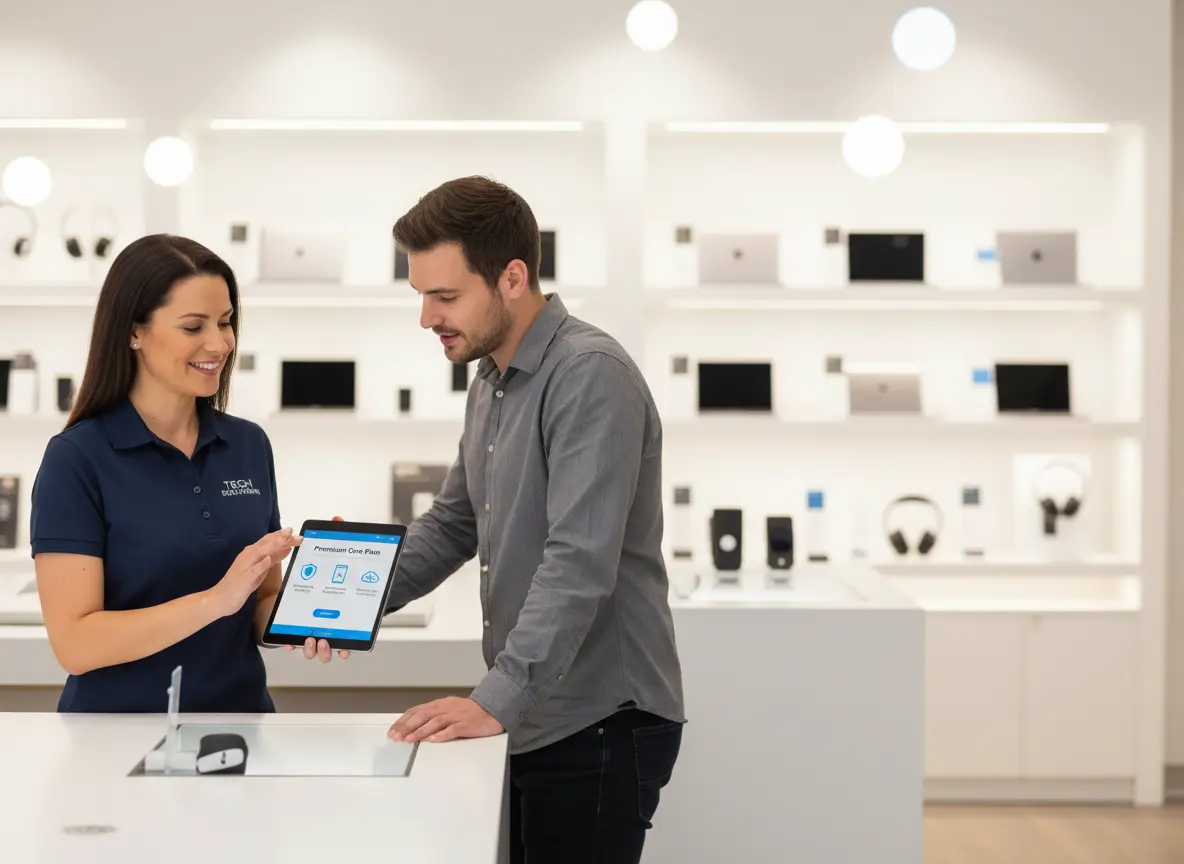
The best personalization often happens offline, right on your sales floor. This isn't about data mining; it's about paying attention. Train your staff to be observant, curious, and genuinely helpful. Instead of hovering, they can learn to spot the tell-tale signs of a shopper in need.
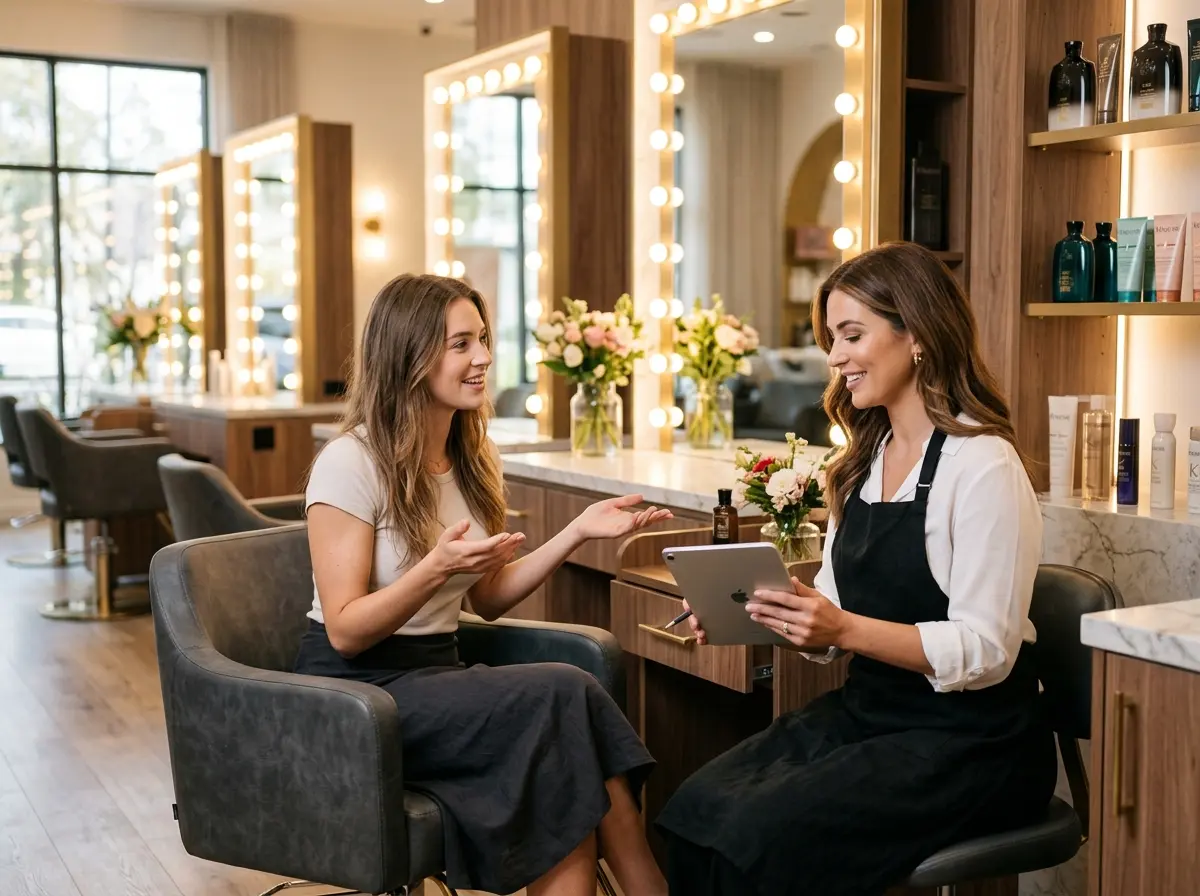
Is a customer holding two different paint swatches up to the light with a look of existential dread? That's an invitation to ask, "Working on a fun project at home?" It's an open-ended question that invites conversation and allows your team to provide tailored advice based on a real, immediate need. This analog approach builds genuine rapport that no algorithm can replicate. It’s about being present and helpful in the moment, which is the most personal touch of all.
Let Technology Be Your (Non-Creepy) Wingman
While human interaction is irreplaceable, technology can handle the initial heavy lifting, creating a consistent and welcoming foundation for every single shopper. The trick is to use it for broad strokes of helpfulness, not for laser-focused, personal targeting that sets off alarm bells. This is about scaling the welcome, not the weirdness.
Greeting, Not Grilling
Imagine if every single person who walked through your door was greeted warmly and informed about your best deals, without an ounce of pressure. That’s where an in-store assistant can be a game-changer. For example, an AI retail assistant like Stella can be programmed to offer a friendly, universal welcome. She can say, "Welcome in! Just so you know, all our winter coats are 30% off this week," to every customer. This interaction is personal in that it’s a one-to-one greeting, but it's not personalized in a way that feels intrusive. Stella ensures no one feels ignored while promoting what's most relevant to the store right now, freeing up your human staff to engage in those deeper, more nuanced conversations we talked about earlier.
Actionable Strategies You Can Implement Tomorrow
Ready to move from theory to practice? True personalization is woven into your store’s culture, your team’s training, and your customer-facing policies. It requires a thoughtful approach, not just a new software subscription. Here are a few strategies you can start working on immediately.
Empower Your Team with "Helpful" Frameworks
Your employees are your front line. Give them the tools and the confidence to personalize interactions effectively. Instead of rigid scripts, provide them with flexible frameworks. Ditch the "I see you bought this before" line and replace it with something more value-driven.
Try these phrases:
- "If you liked [Product A], our customers who bought that also loved [Product B]." This leverages social proof, not individual surveillance.
- "Since you're looking at our hiking boots, have you seen our new moisture-wicking socks? They make a huge difference on the trail." This connects products to a solution or an experience.
- "I remember you were looking for a gift for your niece last time. Did she like the art set?" This is great for regulars, as it's based on a memorable, human conversation, not a data report.
Loyalty Programs That Reward, Not Record
Customers will happily trade their email for a 10% discount, but they don't want to feel like they're signing up for a surveillance program. Frame your loyalty program around clear, tangible benefits, not vague promises of "a more personal experience." Focus on what they get, not what you collect.
Make the value proposition undeniable: exclusive access, early-bird notifications for sales, birthday rewards, and a simple points system. When you communicate with them, stick to these benefits. Announce a "Members-Only Sale" rather than sending an email that says, "Based on your purchase of a single banana on August 14th, we think you'll love our new potassium-rich fruit basket." One is a reward for loyalty; the other is just plain bizarre.
A Quick Reminder About Stella
For a perfect, professional greeting every time, an AI retail assistant like Stella ensures every customer is acknowledged and informed of key promotions the moment they enter. She provides a reliable, welcoming foundation for your in-store experience, allowing your team to focus on making deeper, more meaningful connections with shoppers.
Conclusion: Be a Great Host, Not a Private Eye
At the end of the day, personalizing the retail experience is like hosting a great party. You want to make your guests feel welcome, anticipate their needs, and make sure they have a good time. You might remember that one guest loves a certain type of wine, but you wouldn't announce their entire life story to the room.
The best personalization feels natural, helpful, and respectful. It’s built on observation, empathy, and a genuine desire to solve your customer’s problems. It’s about making them feel like a valued regular, not a specimen under a microscope.
Your action step for this week: Choose one of the strategies above. Huddle with your team and discuss how you can reframe your customer conversations to be more helpfully observant. Or, take a hard look at your last email marketing campaign—was it genuinely valuable, or just a little too… knowing? Small, thoughtful changes are all it takes to turn a potentially creepy interaction into a memorable, loyalty-building moment.