Let's Be Honest, Your Shoe Displays Could Be Better
You’ve got a store full of beautiful, glorious shoes. Running shoes that could outpace a gazelle, heels that could stop traffic, and boots so sturdy they could survive a small apocalypse. So why are they sitting on the shelf, lined up like beige soldiers in a forgotten war, collecting a thin film of dust and existential dread? It’s because your displays aren’t telling a story; they’re just holding inventory.
Look, we get it. You’re busy. Between managing inventory, scheduling staff, placating a customer who swears a size 9 has always fit them before, and trying to remember what day it is, visual merchandising can fall to the bottom of a to-do list the length of a CVS receipt. But here’s the hard truth: in the world of retail, a boring display is a silent sales killer. A great display, however, can turn a casual browser into a loyal customer. So, let’s roll up our sleeves, get a little creative, and transform your shoe walls from a footwear library into a blockbuster premiere.
The Art & Science of Shoe Storytelling
Creating a compelling display isn’t about having a degree from a fancy design school. It’s about psychology, storytelling, and a little bit of retail magic. It’s about making a customer stop, look, and think, “I need that in my life.” Here’s how to start.
Beyond the Basic Grid: Grouping with Purpose
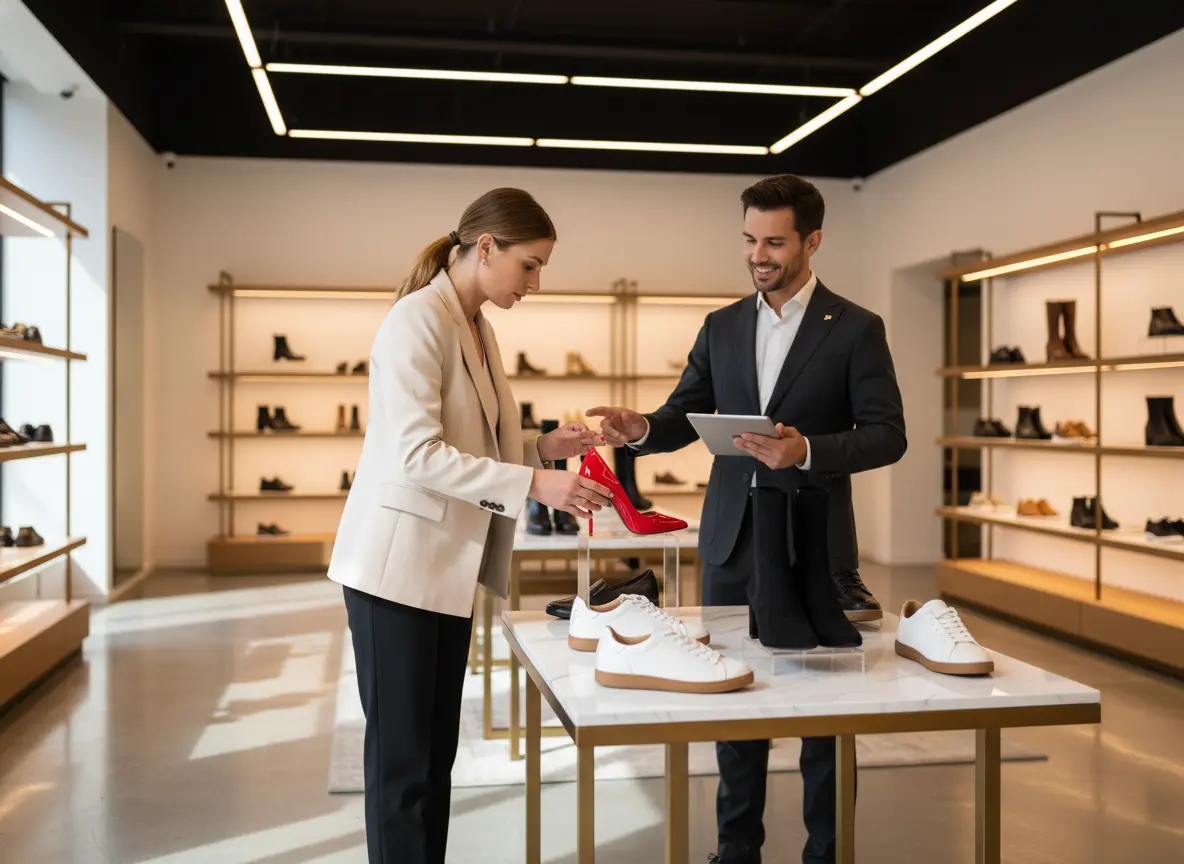
Stop lining up shoes by size and brand like you're taking a census. That’s what a stockroom is for. Your sales floor should inspire. Start grouping your footwear by theme or lifestyle to create mini-narratives that your customers can see themselves in. Think of it as building a movie set for your shoes.
- The "Weekend Adventurer" Corner: Group rugged hiking boots, trail runners, and comfy slip-ons. Add props like a rolled-up map, a nice-looking canteen, or some faux greenery. Suddenly, you’re not just selling shoes; you’re selling the promise of an exciting weekend.
- The "Night Out" Vignette: Pair elegant heels, sleek dress shoes, and statement flats together. Drape a bit of velvet fabric, add some dim, warm lighting, and maybe a matching clutch or two. You’re no longer just showing footwear; you’re setting the scene for an unforgettable evening.
By grouping with purpose, you help customers visualize how the shoes will fit into their lives, making the purchase feel less like a transaction and more like an investment in their personal story.
The Rule of Threes (and Why It’s Not a Cult)
There's a reason photographers, interior designers, and chefs are obsessed with the "rule of threes." The human brain finds groupings of three (or any odd number) to be more visually appealing and memorable than even-numbered groups. It feels natural and less staged. Use this simple but powerful principle to your advantage.
Instead of placing two matching shoes side-by-side, try a trio: one facing forward, one angled to the side, and one showing off the sole. Or create a small collection: a stylish sneaker, a pair of premium socks, and a can of shoe protector spray. Varying the height is crucial here. Use clear acrylic risers, wooden blocks, or even tastefully stacked books to create different levels. This forces the eye to move around the display, taking in each item individually instead of glazing over a flat, monotonous line of products.
Lighting: Your Display's Unsung Superhero
You could have the most brilliantly arranged display in the world, but if it’s sitting in a poorly lit corner, you might as well have hidden it in a closet. Lighting is everything. It sets the mood, highlights details, and can make a $60 pair of canvas sneakers look like a work of art. According to one retail study, proper lighting can increase sales by up to 12%.
Ditch the flat, generic overhead fluorescent lights. Invest in some adjustable spotlights (LEDs are energy-efficient and affordable) and aim them at your key displays. Create drama! A single, focused beam on your "hero" product—that stunning new Italian leather loafer—instantly elevates its perceived value. Pay attention to the color temperature of your bulbs: warm light creates a cozy, luxurious feel perfect for dress shoes, while cool, bright light conveys energy and is great for athletic wear.
Let Your Displays Do the Talking (With a Little Help)
A great visual display is like the cover of a book—it grabs attention. But sometimes, you need a great opening line to draw people in and start the conversation. That’s where smart signage and a little bit of high-tech help come in.
Signage That Sells, Not Just States the Obvious
Your signs should work as hard as you do. Tossing a piece of paper with "On Sale - $79.99" next to a shoe is a missed opportunity. Your signage should continue the story you started with your display. Instead of just listing a price, pull the customer in with a benefit or an emotional hook.
- Instead of: "Waterproof Boots"
- Try: "Your Adventure Starts Here. 100% Waterproof."
- Instead of: "Leather Heels"
- Try: "Handcrafted Italian Leather. Feel the Difference."
Use high-quality materials for your signs—no flimsy, curling paper. A small, well-designed sign can communicate quality and care before the customer even touches the product.
The Digital Welcome Committee
Even the most incredible display can't greet a customer at the door. While your curated vignettes are working their silent magic, you need a way to engage shoppers the moment they walk in. This is where a friendly, tireless assistant makes all the difference. An in-store robot assistant like Stella can act as the perfect ambassador for your beautiful displays.
Imagine this: a shopper walks in, their eyes immediately drawn to your "Weekend Adventurer" setup. Before they can get distracted, Stella greets them with a friendly, "Welcome! I see you're admiring our new all-weather collection. They're perfect for fall hikes, and they're part of our BOGO 50% off event this week." In one simple interaction, Stella has validated their interest, provided a compelling reason to buy, and guided them deeper into the store—all without an employee having to drop what they're doing. This creates a seamless bridge between your visual merchandising and your sales process.
Keeping It Fresh: The Display Lifecycle
The biggest mistake you can make after creating a killer display is leaving it up for three months. Customers, especially your regulars, develop "display blindness." They stop seeing what’s right in front of them. The key to sustained success is a cycle of strategic updates.
The "Two-Week" Rule (and How to Cheat It)
In a perfect world, you’d refresh your main displays every two to four weeks. This keeps the store looking new and exciting, encouraging repeat visits. But a "refresh" doesn't have to mean a complete, floor-to-ceiling overhaul that eats up an entire Sunday. You can "cheat" the rule with smart, small changes:
- Swap the Hero: Change the main shoe at the center of the display.
- Rotate the Colors: If your display was blue-themed, switch it to earthy tones.
- Change the Props: Replace the fall leaves with faux snow, or the beachy props with back-to-school items.
These small tweaks can make the entire section feel new with a fraction of the effort, ensuring your displays are always working to capture attention.
Use Your Data, You Magnificent Retail Nerd
Stop guessing what customers want to see and start using the data you already have. Your POS system is a goldmine of information. Dig into it!
What are your top 5 bestsellers this month? Create a "Customer Favorites" display right at the front of the store. What’s that one style of sandal that just isn't moving? Don't hide it in the back. Create a compelling display around it, pair it with a popular accessory, and put a sign on it that says, "The Perfect Sandal for Your Next Getaway." By using data to guide your merchandising decisions, you transform your displays from pretty art projects into powerful sales-generating machines.
Engage All the Senses
Great retail isn’t just about what customers see; it’s about what they experience. The most memorable displays engage more than just the eyes.
- Touch: Don't put everything behind glass or on a high shelf. Encourage interaction. Use signage like, "Go Ahead, Feel the Supple Leather." Let customers pick up the shoes and feel the quality for themselves.
- Smell: Scent is powerfully linked to memory and emotion. A subtle hint of a pleasant smell—like leather in the dress shoe section or a clean, fresh scent near the athletic sneakers—can elevate the entire shopping experience and make it more luxurious.
- Sound: The music in your store matters. It’s the soundtrack to your brand. Is it upbeat and energetic? Cool and sophisticated? The right playlist can make customers feel comfortable, encouraging them to stay longer and browse more.
A Quick Reminder About Stella
While your displays are busy looking fabulous and telling their stories, remember that Stella is ready to be your ultimate co-star. She handles the initial greetings, promotes your latest deals, and answers common questions, freeing up your human staff to do what they do best: close the sale.
Conclusion: Give Your Shoes the Spotlight They Deserve
Transforming your shoe displays from a boring lineup into an engaging experience isn't about a massive budget or endless hours of work. It’s about being strategic, creative, and intentional. It’s about telling stories, using basic design principles, leveraging light and data, and keeping things fresh.
Your challenge for this week: pick just one thing from this guide. Just one.
Re-group one small table by theme. Add a single spotlight to your best-selling boot. Rewrite one boring sign to give it some personality. Small changes, executed consistently, lead to massive results. Your shoes are stars waiting for their moment. It's time to build them a stage worthy of a standing ovation.