So, You Sell Clothes. What About... Everything Else?
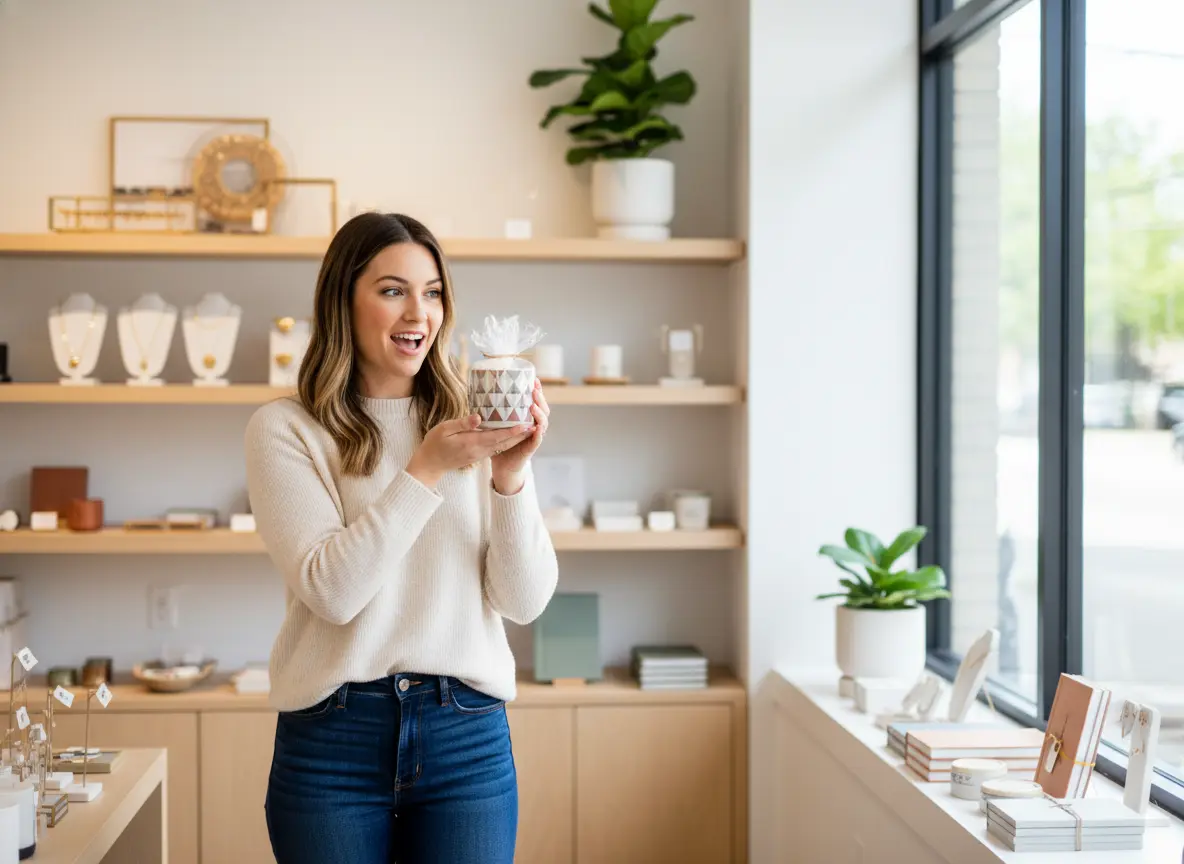
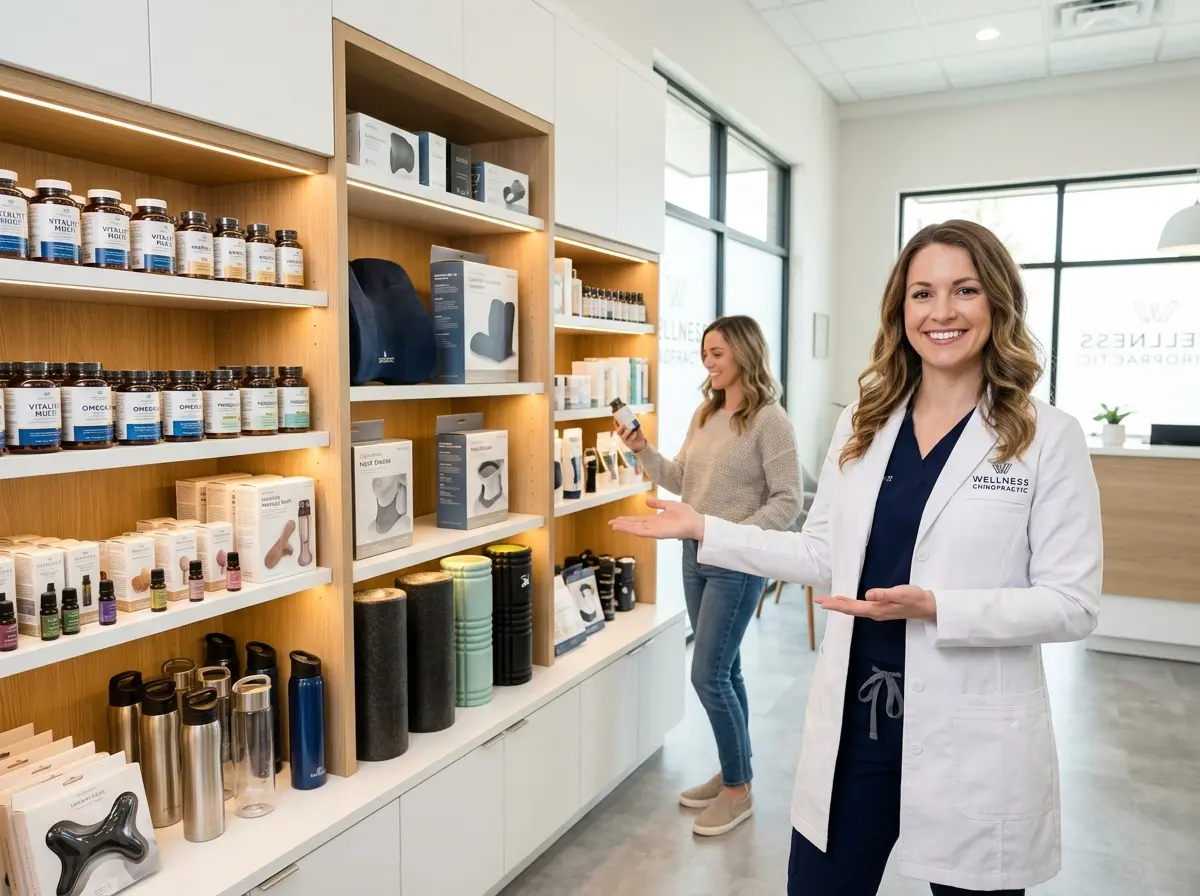
Let’s be honest. You’ve poured your heart, soul, and probably a significant portion of your life savings into curating the perfect collection of apparel for your boutique. The fabrics are divine, the cuts are impeccable, and your customers trust your taste. But then there’s that other stuff. The non-apparel. The jewelry, the candles, the quirky stationery, the artisanal olive oil you bought on a whim at a trade show because the packaging was just so cute.
Too often, these delightful add-ons are treated like an afterthought. They’re relegated to a dusty shelf near the cash wrap or scattered randomly throughout the store, looking a bit lost and lonely. Because nothing screams "curated experience" quite like a single, forlorn-looking keychain next to a $400 silk blouse, right? Wrong. When merchandised correctly, these non-apparel items aren't just clutter; they're powerful tools for increasing your average transaction value (ATV) and enhancing your brand's story. It’s time to stop treating them like the awkward cousin at the family reunion and give them the spotlight they deserve.
The Art of the Add-On: Strategic Placement and Storytelling
The first rule of non-apparel merchandising is to stop thinking about selling items and start thinking about selling a lifestyle. Your customers aren't just buying a dress; they're buying the confidence, the feeling, and the experience that comes with it. Your other products should be part of that same narrative.
Create Lifestyle Vignettes, Not Just Displays
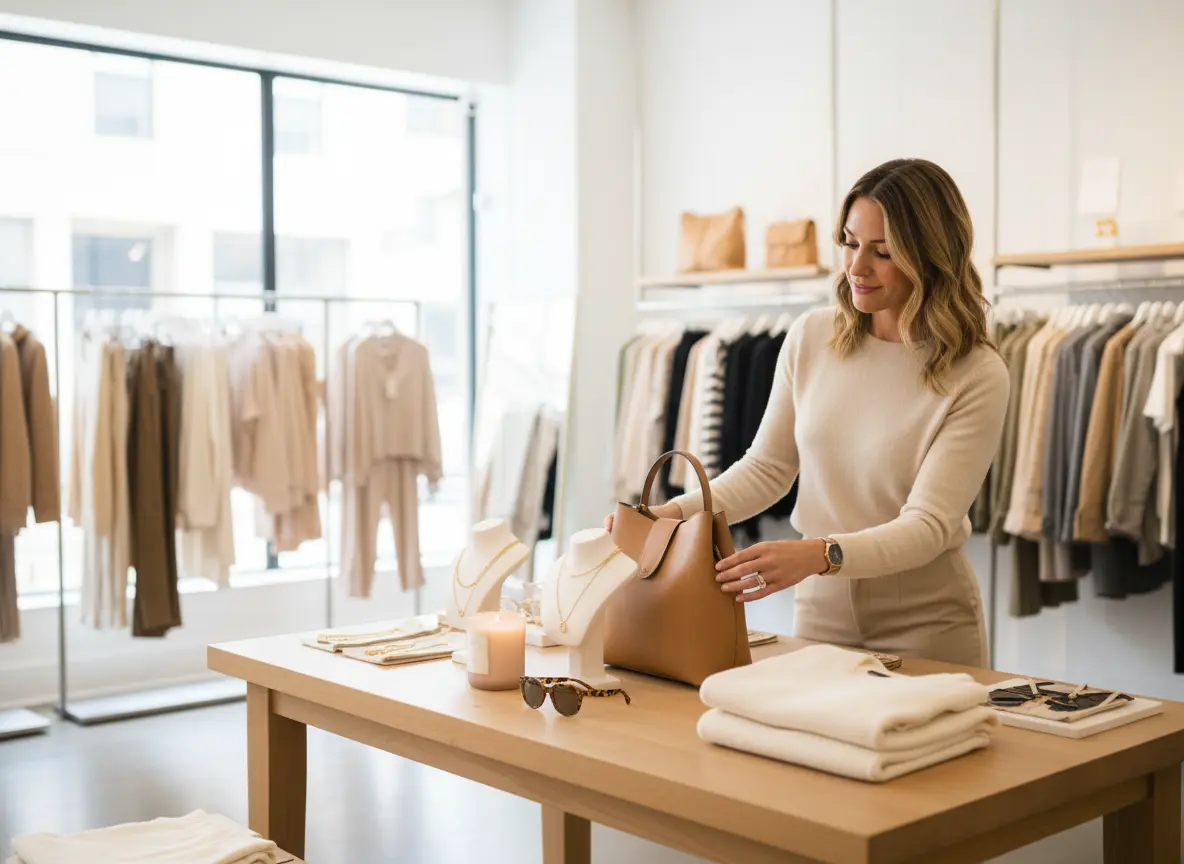
A flat table piled with scented soaps and notebooks is, well, a flat table piled with stuff. A vignette, on the other hand, tells a story. It’s a small, curated scene that shows your products in context. Instead of just a rack of sweaters, create a "Cozy Weekend Getaway" nook.
- The Outfit: A chunky knit sweater paired with relaxed-fit denim.
- The Vibe: Drape a soft blanket over an armchair next to the clothes. Place a stylish ceramic mug and a popular novel on a small side table. Add a beautifully scented candle with a scent like "Fireside Reading" or "Autumn Woods."
Suddenly, you’re not just selling a sweater. You’re selling the entire fantasy of a perfect, cozy weekend. The customer who came in for the sweater might just leave with the candle and mug, too, because you’ve made it irresistible. Use different levels, textures, and props to draw the eye and create a scene that feels authentic and aspirational.
The Power of Proximity: Cross-Merchandising That Actually Makes Sense
This is merchandising 101, but it’s amazing how often it’s overlooked with non-apparel. Placing complementary items together is the easiest way to suggest an upsell without saying a word. Think about logical pairings that enhance the main purchase.
For example:
- Display statement necklaces on necklace busts right next to simple, high-neckline tops and dresses.
- Place a collection of stylish belts near your denim and dress sections.
- Create a "Finishing Touches" station near the dressing rooms with delicate jewelry, fashion tape, and high-quality hosiery.
- Group sunglasses, sun hats, and chic beach totes with your swimwear and summer dresses.
Remember, impulse purchases are a huge driver of retail sales. A 2022 study found the average American spends over $314 per month on impulse buys. By placing a tempting, well-priced accessory right next to a core apparel item, you’re making that impulse purchase almost effortless.
Get Vocal: Actively Promoting Your 'Extras'
You can create the most beautiful vignette in the world, but if no one knows to look at it, it’s just a pretty piece of store decor. You need to actively guide your customers’ attention to these high-margin add-ons. Signage can help, but in a world of information overload, a sign is easy to ignore.
Your Silent (and Not-So-Silent) Salespeople
This is where a little help goes a long way. While your human team members are busy offering personalized styling advice and running the fitting rooms, you need a way to consistently and reliably promote your other items. Enter your not-so-silent salesperson: Stella. She’s your in-store robotic assistant who never gets tired, never forgets the daily promotions, and greets every single person who walks through the door.
Imagine a customer walks in. Instead of wandering aimlessly, she’s greeted by a friendly voice. "Welcome to the boutique! Our new floral dresses have just arrived. And for the perfect gift, be sure to check out our collection of locally made jewelry by the registers." Just like that, you’ve planted a seed. Stella can be programmed to highlight whatever you want, from slow-moving stock to new arrivals. She can announce a weekend special ("Buy any dress and get 20% off a matching handbag!") to every single shopper, ensuring your promotions land every time and your merchandising efforts pay off.
The Nitty-Gritty: Curation, Pricing, and Theming
Great merchandising isn’t just about placement; it’s rooted in smart buying and strategic planning. The products you choose and how you price them are just as important as where you put them.
Curation is King (and Queen, and the Whole Royal Court)
Every single item in your store should feel like it belongs there. Before you buy any non-apparel product, ask yourself: "Does this make sense for my brand and my ideal customer?" If you run a minimalist, modern boutique, a collection of rustic farmhouse decor is going to feel jarring. If you specialize in bohemian-style clothing, artisanal leather goods and natural crystal jewelry will feel right at home.
Think deeply about your target customer. What are her hobbies? Where does she go on vacation? What does her home look like? Use that persona as your North Star for buying. Your non-apparel selection should feel like a natural extension of the wardrobe you’re already selling her.
The Psychology of Pricing and Bundling
Most non-apparel items are impulse buys, which means the price point is critical. While a customer might deliberate over a $200 dress, she’s more likely to spontaneously grab a $25 candle or a $40 scarf. Keep the majority of your add-on items at an accessible, "no-brainer" price point, ideally under $50.
Another powerful strategy is bundling. Offer a small discount for purchasing a complete look. For example: "The Weekend Set: Get the sweater, the scarf, and the earrings for $195 (a $220 value!)." This not only increases your ATV but also makes the customer feel like she’s getting a special deal. Online giants have proven this model works—a famous McKinsey study found that a staggering 35% of Amazon purchases come from product recommendations. You can create that same experience in your physical store.
Keep it Fresh with Seasonal Rotations
One of the best things about non-apparel items is their ability to inject novelty and newness into your store without a complete inventory overhaul. Use them to lean into seasonal themes.
- Holiday: Festive-scented candles, chic ornaments, gift wrap, cocktail mixers, and cozy blankets.
- Spring: Floral-scented diffusers, pastel stationery, gardening kits, and light silk scarves.
- Summer: Beach reads, fun insulated tumblers, travel-sized luxury sunscreen, and bold beach towels.
This approach gives customers a reason to pop in frequently, just to see what new "little treasures" you have in stock. It creates a sense of discovery and urgency that keeps your boutique feeling fresh and exciting year-round.
A Quick Reminder About Stella
While you're busy curating beautiful collections and creating stunning vignettes, Stella can be your store's tireless brand ambassador. She makes sure every customer is greeted, informed about your special items, and aware of current promotions, turning your merchandising efforts into measurable sales.
Time to Make Your 'Extras' the Main Event
Merchandising non-apparel items is your secret weapon for building a stronger brand and a healthier bottom line. It's about transforming your boutique from a place to buy clothes into a true lifestyle destination. Stop letting these profitable little gems hide in the shadows.
Here’s your homework: this week, choose one small area of your store. Create one compelling lifestyle vignette that combines an outfit with at least three non-apparel items. Tell a story, price it attractively, and tell your team—and your customers—all about it. It’s time to give your "other stuff" the love and strategy it deserves. You’ll be amazed at the difference it makes.