Let's Be Honest: Your Shelves Are Full of Wallflowers
You’ve done the hard work. You’ve curated an impeccable collection of products. You’ve got the artisanal, hand-poured, locally-sourced, gluten-free, keto-friendly, unicorn-tear-infused widgets that should be flying off the shelves. Yet, there they sit, looking tragically hopeful, like the last kid picked for dodgeball.
Meanwhile, your customers wander the aisles with a look of glazed-over confusion, a classic case of "analysis paralysis." They're bombarded with choices, and your staff, bless their hearts, can't be everywhere at once to play product matchmaker. So, what’s a beleaguered store owner to do? You could hire a tiny, enthusiastic salesperson for every single product. Or, you could embrace the unsung hero of the retail floor: the shelf-talker.
Yes, that humble, often-laminated piece of paper. It’s not just a price tag; it’s your product’s hype man, its personal billboard, its silent-but-deadly sales associate. And it’s time we gave it the respect—and strategy—it deserves.
The Psychology Behind the Tiny Billboard
Before you dismiss them as just more clutter, understand that a well-executed shelf-talker is a masterclass in retail psychology. It taps directly into the frantic, decision-making part of your customer’s brain, which, according to studies, often makes a purchase decision within 3 to 7 seconds of first seeing a product. You have less time to make a case than a goldfish has a memory. No pressure.
Breaking Through the Visual Clutter
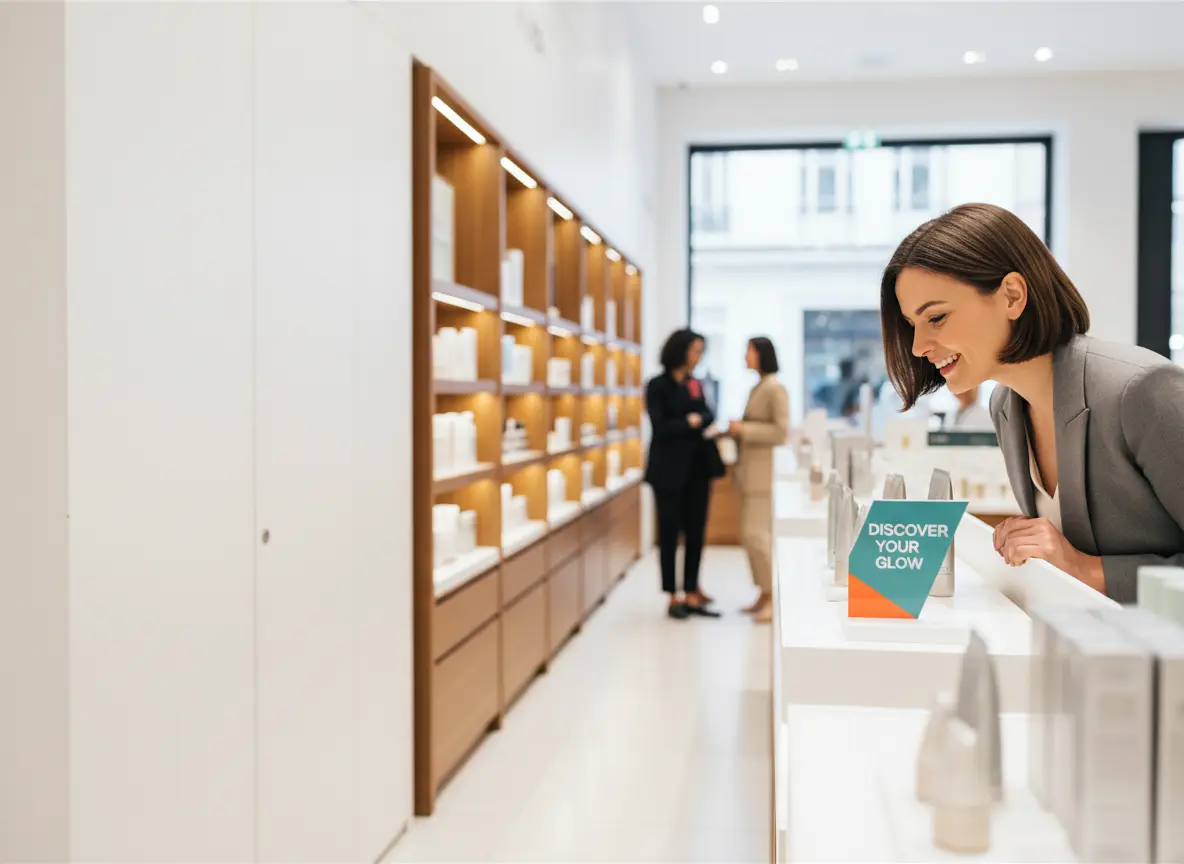
Your store is a battlefield of colors, shapes, and text. A customer’s eyes are darting everywhere, trying to make sense of the chaos. A great shelf-talker isn’t more noise; it’s a beacon. It’s a visual stop sign that says, “Hey! Psst. Over here. This is the one you’re looking for.” By using a contrasting color, a bold font, or even a different shape, you can physically interrupt a customer’s scanning gaze and draw their attention directly to the product you want to move. It’s less of an ad and more of a helpful nudge in a crowded room.
The Power of a "Personal" Recommendation
People trust people more than they trust brands. A shelf-talker is your chance to fake a personal recommendation at scale. Simple phrases can have a massive impact:
- "Staff Pick"
- "Our Best Seller"
- "Customer Favorite"
- "The one we all take home"
This is called social proof. It tells the customer, "Don't worry, someone else has already taken the risk for you, and they loved it." It transforms an anonymous bottle of wine into "the Cabernet that our sommelier, Dave, swears by." Suddenly, the customer isn't just buying a product; they're taking a trusted recommendation.
Answering the Unspoken Question: "Why This One?"
Faced with ten different types of olive oil, the average shopper is silently screaming, "Why is this one $25 while that one is $12?! Why should I care?!" A shelf-talker answers that question before they even have to ask. It provides the crucial context that the packaging often lacks.
- Origin Story: "Made by a family-owned farm in Tuscany."
- Key Differentiator: "First cold-pressed for a richer flavor."
- Usage Tip: "The perfect finishing oil for salads and pasta."
This information justifies the price, sparks imagination, and helps the customer feel like they’re making an informed, intelligent choice. And a smart-feeling customer is a happy-buying customer.
From Silent Salesman to Vocal Advocate
Shelf-talkers are brilliant at the point of decision, but their little voices don't carry very far. They work wonders when a customer is already standing in the aisle, but how do you get them to that aisle in the first place? A static sign can't greet someone at the door and guide them toward a specific promotion.
Connecting the Dots from Door to Shelf
This is where your in-store marketing strategy can level up. Imagine a customer walks in, and instead of being met with silence, they're greeted by a friendly, helpful presence. That's where a digital assistant like Stella bridges the gap. While your shelf-talkers are the silent closers, she’s the charming opener.
Stella can be programmed to highlight the exact products your shelf-talkers are promoting. For example, she can say, "Welcome! This week, we're featuring our 'Staff Pick' wines. Just head to the wine aisle and look for the bright yellow signs to see what our team is loving right now!" This creates a cohesive journey, priming the customer to actively look for those silent salespeople, transforming a passive shopping trip into an engaging treasure hunt.
Crafting Shelf-Talkers That Actually Talk (and Sell)
Alright, so you’re convinced. You’re ready to unleash an army of tiny, persuasive paper soldiers onto your sales floor. But a bad shelf-talker is worse than no shelf-talker at all. It’s just sad-looking litter. Here’s how to make them count.
The Copywriting Crash Course (3-Second Edition)
Brevity is your best friend. No one is reading a paragraph. Think of it as a tweet, not a novel. Your goal is to convey one compelling idea, instantly.
- Lead with Power Words: Use words like New, Limited, Best Seller, Award-Winning, or Back in Stock. These create urgency and signal value.
- Focus on the Benefit: Don't just say what it is; say what it does for the customer. Instead of "Contains Hyaluronic Acid," try "Your Secret to Plump, Hydrated Skin."
- Inject Some Personality: If it fits your brand, don't be afraid of a little humor. For a bottle of hot sauce: "Guaranteed to make you regret your life choices (in a good way)." For a block of cheese: "Pairs perfectly with cancelling your plans."
Design Matters (More Than You Think)
A shelf-talker designed in Microsoft Word using Comic Sans is a cry for help. Your design needs to be as strategic as your copy. Keep it clean, on-brand, and above all, legible. Use a bold, easy-to-read font and high-contrast colors. If your shelves are dark, use a light-colored sign. If your branding is blue, maybe use a pop of orange to stand out. And for the love of all that is profitable, please step away from the tiny, elegant script fonts. No one can read them from three feet away.
The Sin of "Set It and Forget It"
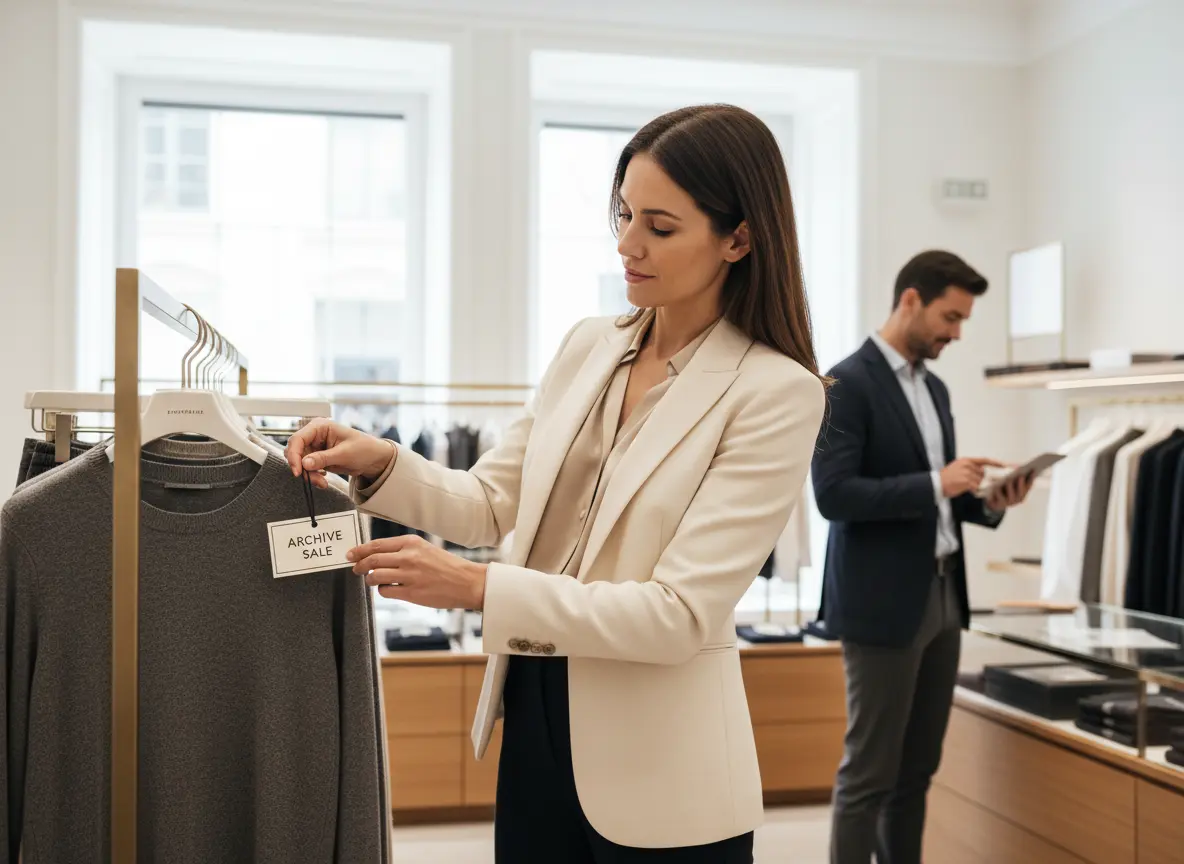
The fastest way to look like you don’t care about your store is to have a dusty, curled, coffee-stained shelf-talker for a Valentine's Day promotion still hanging around in August. Your shelf-talkers should feel as fresh as your products. Make it a weekly task to walk the floor and remove any that are old, damaged, or irrelevant. Better yet, rotate them! A/B test different messages on the same product to see which one converts better. This keeps your store looking dynamic and gives regular customers new things to notice.
A Quick Reminder About Stella
While your newly weaponized shelf-talkers are working their magic in the aisles, Stella acts as your master of ceremonies at the entrance. She ensures every single shopper is greeted, informed about your key promotions, and pointed in the right direction, creating a seamless and powerful one-two punch that guides customers from "just looking" to "just bought."
Conclusion: Give Your Products a Voice
In the grand theater of retail, your products are the stars, and shelf-talkers are their stage directions. They are a ridiculously low-cost, high-impact tool that can educate, persuade, and entertain your customers, turning passive browsers into active buyers. They build trust, demystify choice, and add a layer of personality to the shopping experience that big-box stores can only dream of.
So here’s your homework:
- Walk your store. Find one product that you know is amazing but is being tragically overlooked.
- Write one short, punchy sentence about it. Focus on a feeling, a solution, or a unique benefit.
- Print it, stick it on the shelf, and watch.
You might be surprised at how much a few well-chosen words can accomplish. Go on, give your products a voice. It’s time they started selling themselves.