Are You Ready for a Second Child? (We Mean Store, Obviously)
So, you’ve done it. Your first store isn't just surviving; it's thriving. The cash register sings a sweet melody, customers know you by name, and you’ve finally figured out which air freshener scent doesn’t make your employees nauseous. You’re the monarch of your retail castle. And now, a dangerous, seductive thought has crept into your mind: "Maybe… just maybe… I should open another one."
This idea is equal parts thrilling and terrifying, like deciding to get a second puppy when the first one still chews on your shoes. Is it a sign of your impending retail domination or a one-way ticket to a life of stress-induced caffeine addiction and sleepless nights staring at spreadsheets? Before you start scouting locations and designing a second "Grand Opening" banner, let’s pump the brakes. Expanding is a brilliant goal, but it’s a move you make with your head, not just your ego. This isn’t a feel-good motivational speech; this is your cold, hard, slightly sarcastic checklist for determining if you’re actually ready for store number two.
Is Your Firstborn (Store) Ready to Leave the Nest?
Before you can even think about a new location, you have to be brutally honest about your current one. If your flagship store still needs you to personally steer it every second of the day, it's not a self-sufficient business—it's a high-maintenance hobby that happens to make money.
The Unsexy-But-Crucial Financial Check-Up
Let's talk numbers. And no, we don't mean the record-breaking Saturday you had last month. We mean the boring, consistent, predictable numbers. Revenue is vanity, profit is sanity, and cash is king. To even consider expanding, you need to be the undisputed ruler of a cash-rich kingdom. Ask yourself:
- Is the store consistently profitable? Not just "in the black," but generating healthy, predictable profit margins month after month. One great quarter doesn't fund an empire.
- Do you have a cash cushion? A new store is a cash-devouring monster. It needs rent, inventory, staff, and marketing, all before it makes its first dollar. Your first store needs to be able to financially support itself and help bankroll its new sibling for at least 6-12 months without breaking a sweat.
- Do you truly know your numbers? You should be able to recite your Cost of Goods Sold (COGS), customer acquisition cost, and average transaction value in your sleep. If you don't have a death grip on your financials now, you'll be drowning in them with two locations.
Operational Autopilot: Can Your Flagship Fly Itself?
If you, the owner, are still the primary problem-solver, product expert, IT department, and occasional therapist for your team, you are not ready to expand. You cannot be in two places at once (unless you’ve mastered quantum teleportation, in which case, you should probably be doing something more lucrative than retail).
Your business needs systems. We’re talking about documented, repeatable processes for everything.
- Daily Operations: Is there a clear, written guide for opening, closing, cash handling, and daily reporting?
- Inventory Management: Do you have a bulletproof system for receiving, tracking, and restocking inventory that doesn’t rely on your "spidey-sense"?
- Customer Service: Is your team trained on a consistent set of guidelines for handling returns, complaints, and special requests?
Your first store needs to be a well-oiled machine, not a Rube Goldberg contraption held together by your sheer willpower and a roll of duct tape. If you could take a two-week, no-contact vacation and the store would run perfectly, you're on the right track.
The People Puzzle: Have You Found Your Clone (or at Least a Great Manager)?
This is the big one. The single greatest asset for a second location is a rock-solid leader who isn't you. You need to find, train, and empower a store manager who can run the show. This person is your proxy, your second-in-command, your eyes and ears. They need to embody your brand’s culture, understand your vision, and—most importantly—be trusted to make decisions without calling you every five minutes to ask about the thermostat setting.
Finding this person is harder than finding a unicorn. If you have someone on your current team who fits the bill, fantastic. If not, your first step isn’t finding a new lease; it’s finding this key person and training them within your existing store.
Building Your Brand, Not Just Another Store
Success isn't just about copying your floor plan and inventory. It's about replicating the "magic" that makes your first store special. A second location that feels like a soulless, watered-down version of the original is a fast track to failure.
Replicating the Experience Without Diluting It
What makes your customers love you? Is it your hyper-curated product selection? Your incredibly knowledgeable staff? The way everyone is greeted with a genuine smile? That unique "vibe" is your secret sauce, and it's notoriously difficult to bottle. You need a concrete plan for instilling that same culture and customer experience in a new team, in a new neighborhood.
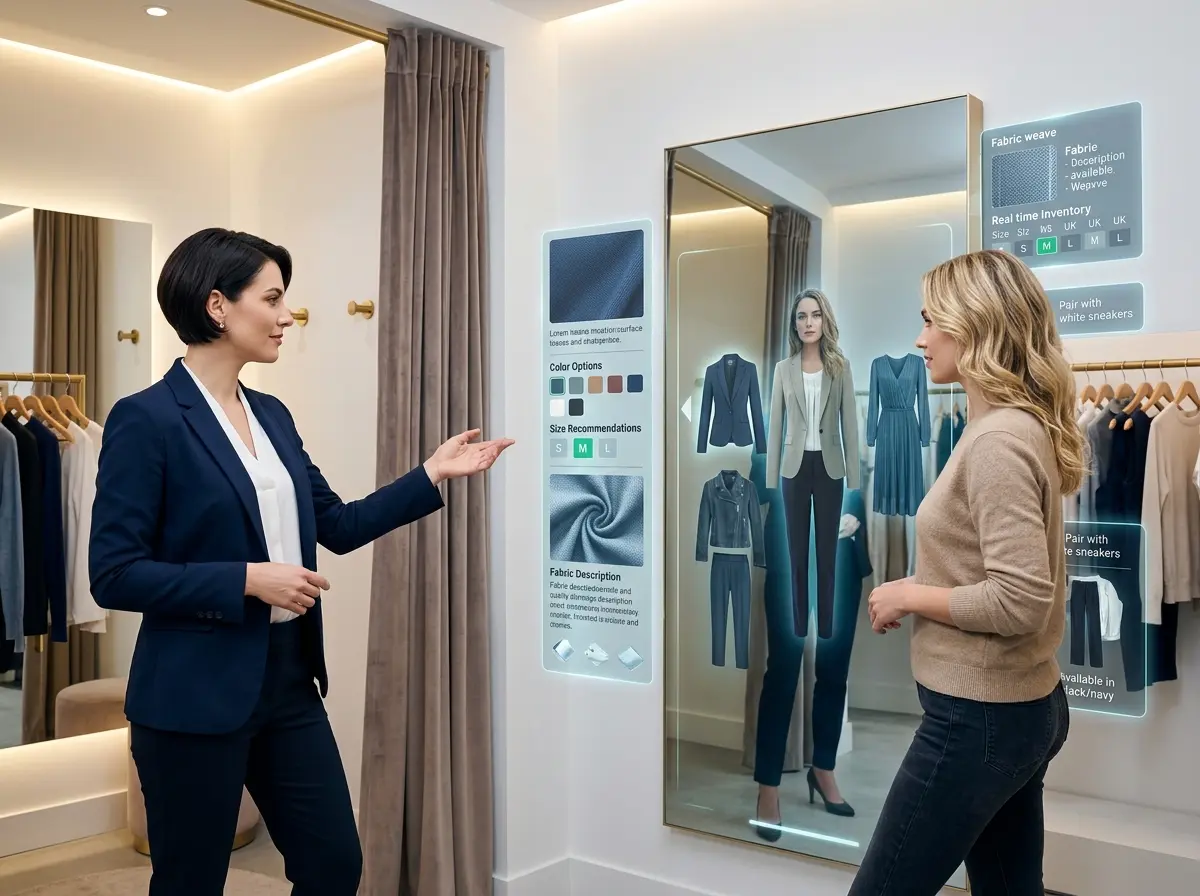
Ensuring every customer at both locations gets the same stellar greeting and access to information can feel impossible. You can't be everywhere, but technology can. This is where an AI retail assistant like Stella becomes a game-changer. She can be the consistent, friendly face at the front of your new store, greeting every shopper, promoting the same specials, and answering routine questions, freeing up your new team to focus on creating those memorable, human interactions. Using a tool like Stella helps maintain your brand voice and promotional consistency across locations, ensuring a unified customer experience from day one.
The New Frontier: Location, Logistics, and Legal Mumbo Jumbo
You’ve confirmed your first store is a fortress of stability and you have a plan to replicate your brand. Great. Now comes the "fun" part: actually planning the new store. This is where dreams meet the harsh reality of zoning laws and supply chain headaches.
Location, Location, Cannibalization?
Choosing a location is so much more than finding an empty storefront with a decent lease. You need to become a student of demographics and psychographics. Who is your ideal customer, and where do they live, work, and shop? The perfect spot is one that hits a new pocket of these ideal customers without being so close to your original store that you start stealing your own business—a phenomenon known as cannibalization.
Action Tip: Before you even talk to a realtor, spend a full day in a potential neighborhood. Grab coffee, walk around, and observe the foot traffic. Are these your people? Does the area’s vibe match your brand? An hour of on-the-ground observation is worth ten hours of staring at demographic maps.
The Supply Chain Stretch and Other Logistical Nightmares
Everything you do now gets twice as complicated. Think about it:
- Inventory: How will you manage stock for two stores? Will you use a central receiving point or have vendors ship to each location? How will you handle transfers between stores? Your simple spreadsheet system is about to become obsolete.
- Vendors: Can your current suppliers handle a significant increase in order volume? This is a good time to renegotiate terms—more volume should mean better pricing.
- Marketing: Your marketing budget and efforts need to expand significantly. You're not just promoting a brand anymore; you're launching a new destination and need to build awareness from scratch in a new community.
Lawyers, Leases, and a Mountain of Paperwork
The administrative side of opening a new location is a beast. You’ll be dealing with commercial lease negotiations (which are written in a language that only vaguely resembles English), city permits, new business licenses, and potentially forming a new legal entity. Our advice? Get professionals. A good commercial real estate lawyer and a sharp accountant will cost you money upfront, but they will save you from making mistakes that could cost you your entire business down the road.
A Quick Reminder About Your New Best Friend
As you navigate the complexities of expansion, remember that consistency is the bedrock of a strong brand. An AI assistant like Stella ensures your brand's voice, promotions, and warm customer welcome are flawlessly replicated, giving you one less (okay, one of a million less) things to worry about.
So, Are You Ready to Press "Go"?
Opening a second location is one of the most exciting and validating steps an entrepreneur can take. It’s a sign that you’ve built something real, something with the potential to grow beyond its original four walls. But it should be a strategic move, not an emotional one driven by vanity or a single good sales quarter.
So, before you sign that lease and order that comically large "Grand Opening" banner, take a deep breath. Go through this checklist. Be brutally honest with yourself and your business. If the answers are all green lights, then congratulations—go build your empire. If you find a few red or yellow flags, that’s okay too. It just means you have a new to-do list. Building a stronger foundation now will make your second-story addition that much sturdier when the time is right.