So, You Sell Running Shoes. Maybe You Should… Go for a Run?
Let's be honest. Some days, the most action your running store sees is the tumbleweed of dust rolling past the sale rack. You’re competing with faceless online giants, big-box stores, and the siren song of a customer’s couch. You’ve got the best gear, the most knowledgeable staff, and a passion for the sport that could fuel a thousand marathons. But how do you turn a one-time shoe buyer into a loyal, raving fan who wouldn’t dream of shopping anywhere else?
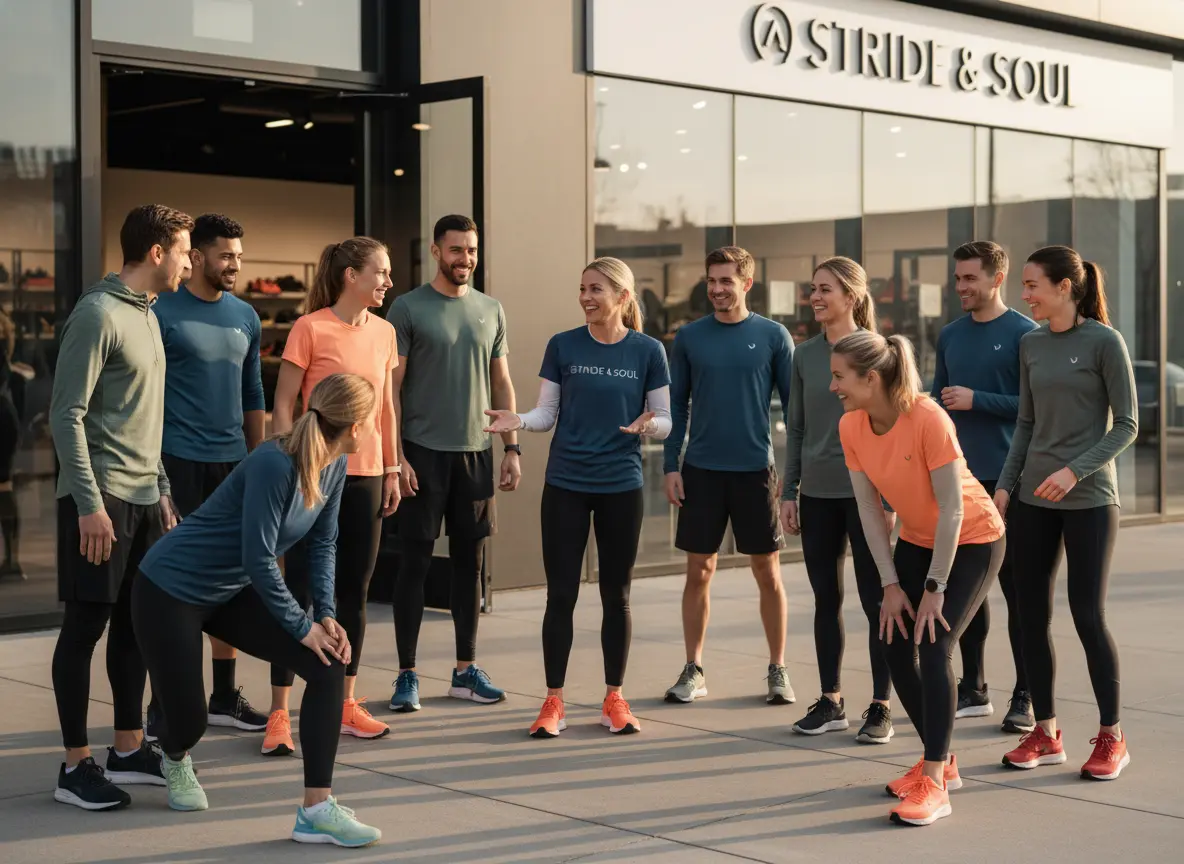
Spoiler alert: It’s not by offering another 10% off coupon. It's by building a community. And the single most effective, authentic, and (dare we say) fun way to do that is by hosting a group run.
"A group run?" you scoff, picturing the logistical nightmare. "I have inventory to manage and staff to schedule!" We hear you. But what if we told you that a simple, weekly trot around the neighborhood could transform your store from a transactional space into a community hub? It’s about creating a tribe, a place where people feel they belong. And where do people in a tribe buy their gear? Exactly. Let's break down how to do it right, without losing your mind or your money.
The Nitty-Gritty of Not Messing It Up
Starting a group run sounds simple, but like a 5K on a humid August morning, the reality can be a bit more grueling if you're not prepared. A little planning up front prevents a world of hurt—both figurative and literal—down the road. This is where you lay the foundation for a run club that people are actually excited to join.
From "Couch to 5k" to "Basically an Ultrarunner"
First things first: who is this run for? If you try to please everyone, you’ll please no one. The person training for a 7-minute mile has very different needs than the person whose goal is to run to the end of the block without stopping. Define your audience.
- Beginner-Friendly: This is often the sweet spot. A welcoming, no-drop run (meaning no one gets left behind) is a fantastic way to attract new runners who are often intimidated and in need of gear and advice. Think 2-3 miles at a conversational pace.
- Intermediate/Pace Groups: If you have a more established running scene, consider offering different pace groups. This requires more volunteer leaders but caters to a wider audience.
- Trail Runners/Specialty Groups: Got trails nearby? Love track workouts? A specialty run can attract a dedicated niche that’s passionate and willing to spend on specific gear.
The key is consistency. Pick a day, a time, and a distance/pace, and stick to it. If it’s "Thursday at 6 PM, rain or shine," be there Thursday at 6 PM, rain or shine. Reliability builds trust.
The Legal Shuffle: Waivers, Insurance, and Other Fun Paperwork
Okay, here’s the part that makes everyone’s eyes glaze over, but it’s non-negotiable. People can trip, twist an ankle, or run into a particularly aggressive squirrel. You need to protect your business. Because the only thing worse than a runner with shin splints is a runner with a lawyer.
Consult with your insurance agent to ensure your business liability policy covers off-site events like a group run. It usually does, but you must confirm. Next, have a lawyer draft a simple liability waiver. Don’t just copy one from the internet! Have every single participant sign it before their first run. Modern tools like WaiverForever or Smartwaiver allow for easy digital signing, so you can ditch the clipboard and the filing cabinet full of crumpled papers.
Charting the Course: More Than Just a Left Turn Out of the Parking Lot
A great route is safe, simple, and scenic (or at least not soul-crushingly boring). When planning your route, prioritize well-lit streets, sidewalks, and low-traffic areas. Run it yourself at the same time of day as your group run to check for any hazards. A 3-mile loop that starts and ends at your store is the gold standard. It keeps things simple and, most importantly, brings everyone right back to your front door—sweaty, happy, and in a buying mood. Use free tools like Strava or MapMyRun to create and share the route map ahead of time so people know what to expect.
Getting Them Off the Couch and Into Your Store
You’ve planned the perfect route and your waiver is legally sound. Fantastic. Now you just need runners. Getting the word out and managing the pre-run chaos is crucial for making a good first impression. This is your chance to show you’re not just a store, but a well-oiled community machine.
Spreading the Word (Without Yelling Into the Void)
You can have the best group run in the world, but it’s useless if no one knows about it. You need a multi-channel promotion strategy. Post about it on Instagram and Facebook. Send it out in your email newsletter. But your most powerful promotional tool is right inside your store.
Sure, you can put up a flyer, but we all know where most flyers end up. Imagine instead that every single person who walks through your door learns about your awesome Thursday night group run. Not from a dusty sign they ignore, but from a friendly, helpful... robot. This is where Stella shines. Stationed by the entrance, she can greet every customer and say, "Welcome! Just so you know, we have a free, all-paces group run every Thursday at 6 PM. It's a great way to meet other runners!" She can answer their questions—"What's the distance? Is it hilly?"—and get them excited to join, all while your human staff focuses on detailed shoe fittings. Stella never forgets, never has an off day, and ensures your #1 community-building initiative is always top-of-mind.
Beyond the Finish Line: Creating Raving Fans
The run itself is only half the battle. What happens after the running stops is what separates a forgettable weekly jog from a can't-miss community event. This is where you convert sweaty participants into loyal customers and brand evangelists.
The Perks of the Run: More Than Just Sore Legs
People came, they ran, they conquered. Now reward them! This doesn't have to be expensive, but it should be consistent. A cooler of cold water and some bananas is a great start. If you want to level up, offer a post-run beer or partner with a local coffee shop. The real magic, however, lies in creating runner-exclusive benefits.
Offer a "Run Club Discount" of 10-15% off full-priced items for anyone who participated in the run that evening. Sweaty runners are motivated buyers. They’ve just spent 30-60 minutes thinking about their gear, their nagging aches, and that new shoe they saw on the wall. This is your prime opportunity. Even better, partner with brands to host "Demo Nights." Let runners test out the latest shoes from Brooks, HOKA, or Saucony on the run. It’s a try-before-you-buy experience that online retailers can never replicate and it drives incredible sales.
Celebrating the Wins (and the Slogs)
Community is built on shared experiences and mutual encouragement. Create a space for that to happen. Take a group photo after every run and post it on your social media channels (with permission, of course). Tag people and celebrate their consistency. Create a private Facebook Group or Strava Club where members can connect, share their own running triumphs, and ask for advice. Feature a "Runner of the Month" on your blog or newsletter. Did someone just complete their first 5K? Did a regular finally hit a new personal best? Celebrate it! When you make your customers feel seen and valued as athletes, they won't just buy a pair of shoes from you. They’ll buy into your brand for life.
A Quick Reminder About Stella
While you’re out there leading the charge and building your running tribe, who’s holding down the fort? Stella, your AI retail assistant, ensures every customer who walks in—whether they're a runner or not—feels welcomed and informed. She’s your 24/7 brand ambassador, promoting your runs, your sales, and your unique value, all for an affordable monthly subscription.
Conclusion: Lace Up and Lead the Way
Building a community through a group run isn't a get-rich-quick scheme. It’s a long-term investment in the heart and soul of your business. It takes effort, consistency, and a genuine desire to connect with your customers beyond the cash register. But the payoff is immense.
You’ll create a loyal customer base that champions your store, drives word-of-mouth marketing, and provides invaluable feedback. You’ll transform your four walls into the undisputed center of your local running scene. So, what’s the first step?
- Pick a day and time. Put it on the calendar right now.
- Map a simple, 3-mile loop.
- Talk to your insurance agent. (Don’t skip this!)
Stop waiting for customers to come to you. It’s time to go run with them.