Your Cashier is Not a Human Vending Machine
Let’s be honest. For many shoppers, the checkout experience is about as personal as using a self-scan machine, but with more awkward silence. The cashier scans, states a total, and shoves a receipt into their hand. It’s a purely transactional moment, a necessary evil to complete a purchase. You’ve spent countless hours agonizing over merchandising, lighting, and creating the perfect in-store vibe, only to have the final impression left by someone who sounds like they're reading from a hostage note: “Did-you-find-everything-okay?”
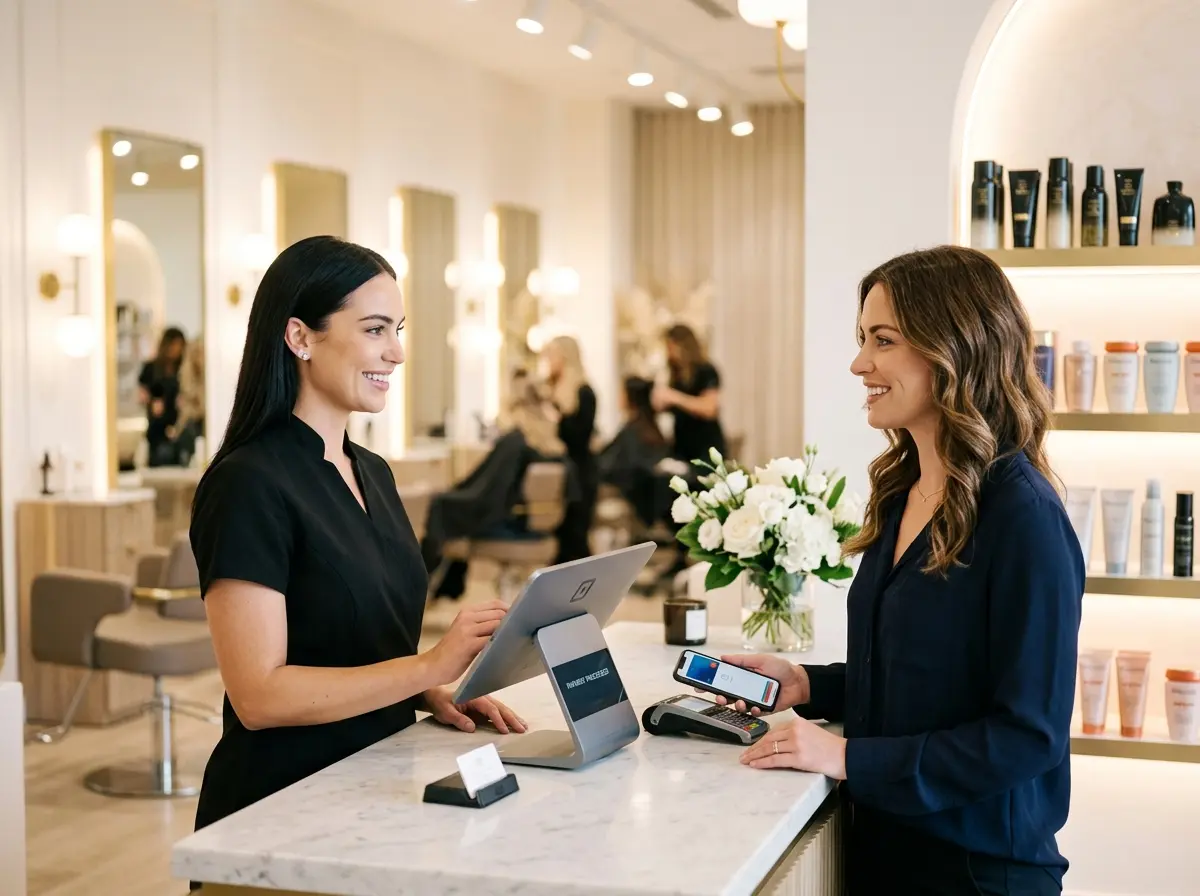
This is, to put it mildly, a colossal missed opportunity. Your cashier is the last person your customer interacts with. They aren’t just a cog in the machine; they are your closing act. They have the power to validate a great shopping trip or sour it in the final 30 seconds. The good news? Transforming them from a "transaction processor" into a "customer experience expert" isn't about sending them to a week-long sales seminar. It’s about a few simple, powerful shifts that can turn a forgettable beep into a memorable brand-building moment.
Beyond the Beep: Reimagining the Cashier's Role
The first step is to stop thinking of the checkout counter as the end of the line. It's the exclamation point at the end of the customer's journey sentence. According to the "peak-end rule" in psychology, people judge an experience largely based on how they felt at its peak and at its end. You can have the most amazing store on the planet, but a grumpy or indifferent cashier can undo all that hard work, leaving a bitter aftertaste.
From Transaction Processor to Brand Ambassador
In those final moments, your cashier is your brand. They hold more power over a customer's lasting impression than that fancy new window display you spent a week designing. Training them to be a brand ambassador doesn't require a thick binder of rules. It starts with one simple idea: their job isn’t just to handle money, it's to ensure the customer leaves feeling good about their purchase and, more importantly, about your store.
Give them a one-sentence mission to internalize, something like: “My goal is to make sure every person leaves here feeling better than when they walked in.” This simple reframing shifts their focus from the speed of the transaction to the quality of the interaction. It turns them from a functionary into a host who is graciously concluding a guest's visit.
The Art of the Meaningful (and Brief) Conversation
Please, for the love of all that is retail, let’s retire "Did you find everything okay?" It’s conversational static. The customer is programmed to say "yes" even if they spent 20 minutes searching for almond flour and left empty-handed. It’s a dead-end question that invites a dead-end answer.
Instead, train your team on the art of observation. It’s not about being nosy; it’s about being present.
- Comment on a product: “Oh, this is a great choice! We just got these in and people are loving them.” This validates their decision and shows your staff is knowledgeable.
- Connect to an event: “I see you’re getting some snacks for the big game this weekend. Great idea!” This shows you’re paying attention and makes the interaction feel personal.
- Offer a genuine compliment: “That’s a beautiful scarf; it’s going to look fantastic.” People love to feel good about what they’re buying.
This isn't about a long, drawn-out chat. It’s a 10-second exchange that transforms a sterile transaction into a human connection.
Empower Them to Solve Problems (Without Calling a Manager)
There is no sound more deflating to a line of waiting customers than, “I need a manager for a price check on aisle three!” A cashier who is powerless is a bottleneck. When they have to stop everything to get approval for a simple fix, it frustrates them, the customer at the counter, and everyone behind them.
Empowerment is the antidote. Give your cashiers a small “make it right” budget—say, $10 per shift—that they can use at their discretion to resolve minor issues. A coupon that’s a day expired? A price tag that doesn’t match the system? Let them fix it on the spot. The $2 you might “lose” on that coupon is repaid tenfold in customer goodwill and loyalty. It also tells your cashier that you trust their judgment, which is a far more powerful motivator than any memo.
Freeing Up Your Team for What Matters Most
Of course, it’s hard for your cashiers to be charming brand ambassadors when they’re being peppered with the same questions over and over. Every time they have to stop scanning to point someone to the restroom or explain the return policy, the flow is broken, and the line gets longer. Your best people get bogged down in repetitive, low-impact tasks that drain their energy and patience.
When Your Best People are Stuck Answering "Where are the lightbulbs?"
This is where smart automation can be a game-changer. While your newly trained Customer Experience Experts are working their magic at checkout, an assistant like Stella can be at the front of the store, acting as the perfect greeter and information hub. She can field all those common questions—store hours, product locations, current promotions—before a shopper even has to look for a human employee.
Think of it this way: Stella handles the predictable, so your team can handle the personal. By offloading the FAQs, you free up your cashiers and floor staff to focus on what they do best: building relationships, offering personalized advice, and creating those memorable moments that turn a one-time shopper into a lifelong fan.
The Nitty-Gritty: Actionable Training Techniques
Okay, theory is great, but how do you actually put this into practice? It doesn't need to be complicated. A few focused, consistent efforts can yield massive results. Remember, the goal is progress, not a team of perfectly polished checkout robots overnight (you can leave the robotics to us).
"Gamify" the Checkout Experience
A little friendly competition never hurt anyone. Turning customer experience into a game can make it fun and keep it top-of-mind for your team. Ditch the boring metrics like transactions-per-hour and start tracking what really matters. Create a leaderboard in the breakroom that tracks positive customer shout-outs by name from online reviews or surveys. The winner at the end of the month gets a gift card, a preferred shift, or just bragging rights. You could also run a “secret shopper” program where you periodically have someone come in and reward fantastic on-the-spot service with a cash bonus.
Role-Playing: Cringey but Crucial
Yes, everyone groans at the thought of role-playing. It feels awkward and artificial. Lean into the cringe and have fun with it. The truth is, practicing difficult scenarios in a low-stakes environment is the single best way to prepare for them in real life. Spend ten minutes in a team meeting workshopping a few common situations: the customer whose credit card is declined, the person who is angry about a policy, or the shopper who wants to tell you their entire life story while a line forms behind them. Practicing how to de-escalate, show empathy, and politely control the conversation builds muscle memory, so your team isn't caught flat-footed when things get real.
Knowledge is Power: The 5-Minute Product Huddle
Your cashiers can't get excited about a product they know nothing about. You don't need to make them memorize the entire inventory, but you can arm them with a few key talking points. Start each day with a quick, five-minute pre-shift huddle. Pick one item—a new snack, a featured clothing item, a seasonal product—and talk about it. Better yet, let them try it or see it up close. When a cashier can authentically say, “I tried that new coffee blend this morning, it’s amazing,” it’s not a sales pitch; it’s a genuine recommendation. That authenticity is priceless.
A Quick Reminder About Stella
While you're transforming your checkout staff into relationship-building gurus, don't forget the front of the store. An AI retail assistant like Stella ensures every single shopper is greeted, informed about your best deals, and guided from the moment they walk in—freeing up your human team for those high-impact, personal interactions that truly define your brand.
Conclusion: The Last Impression is the Lasting One
The checkout counter is so much more than a place to process payments. It’s your final handshake, your last chance to make an impression, and your opportunity to seal the deal on a great customer experience. By investing a little time and effort into training and empowering your cashiers, you’re not just improving a single touchpoint; you’re investing in customer retention, brand loyalty, and your bottom line. After all, research shows that 86% of customers are willing to pay more for a better experience.
Ready to start? Here are three things you can do this week:
- Hold one 15-minute huddle focused on one tip from this post. Start simple, like brainstorming alternatives to "Did you find everything okay?"
- Ask your team for their ideas. They are on the front lines and probably have fantastic insights into what works and what doesn't.
- Empower them with one small thing. Give them the authority to honor a slightly expired coupon or offer a sample. Watch their confidence grow.
Now go turn those beeps and boops into wows and wonders. Your customers—and your sales reports—will thank you for it.