The 6 AM Text: A Retail Owner's Worst Nightmare
You know the one. That little notification buzz that jolts you awake an hour before your alarm. You squint at the screen, and there it is. The message that sinks your stomach and instantly spikes your caffeine requirement for the day:
“Hey, so sorry, won’t be able to make it in today. Woke up feeling… unwell.”
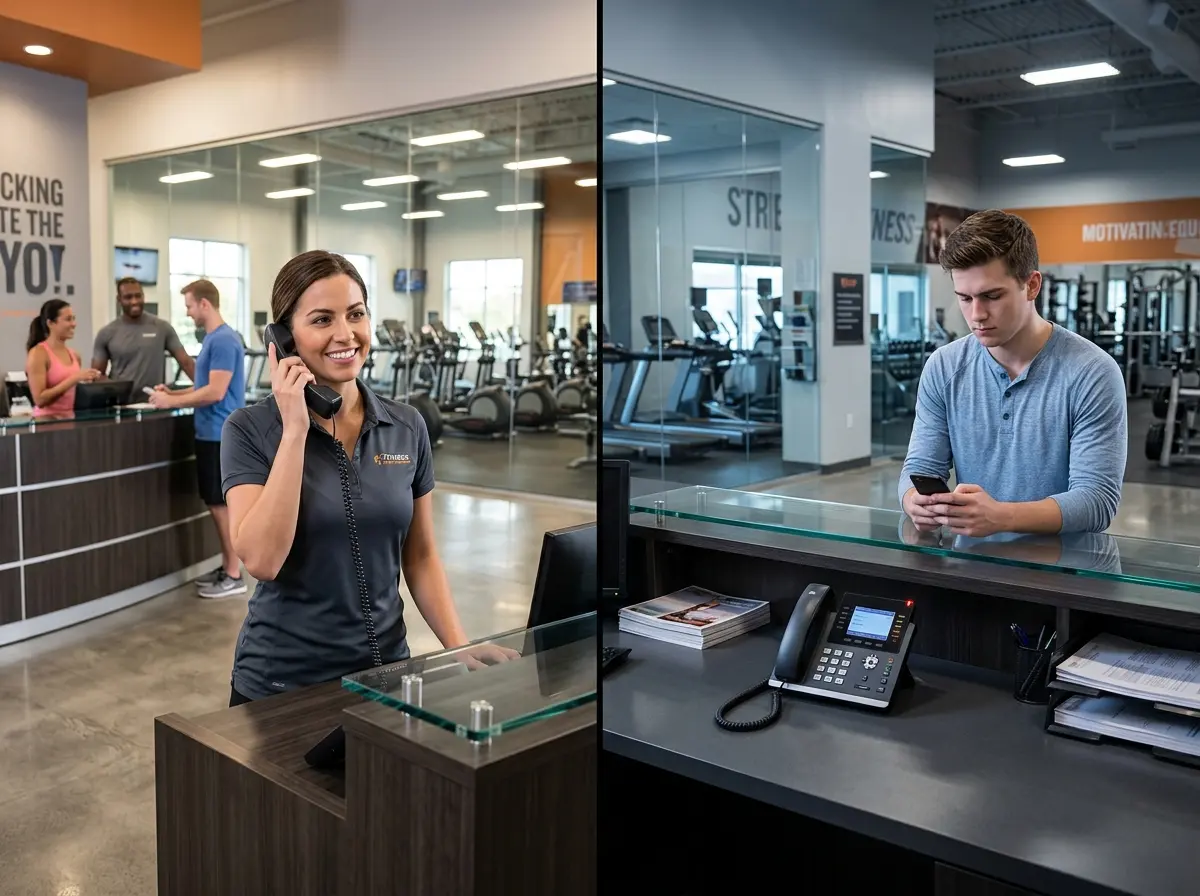
“Unwell.” It’s a word with a spectacular range of meanings, from a legitimate, bed-ridden illness to a sudden-onset allergy to working on a Saturday. Whatever the reason, the result is the same. You’re down a person. On a weekend. Again. The carefully constructed Jenga tower of your daily schedule comes crashing down, and you’re left to pick up the pieces, frantically calling other employees or resigning yourself to a day of running the register, stocking shelves, and managing the floor all at once.
Employee call-outs and no-shows aren't just an inconvenience; they're a direct hit to your bottom line. A 2022 survey showed that unplanned absenteeism costs employers an average of $3,600 per year for each hourly worker. This comes from the delightful combination of lost productivity, overtime pay for other staff, and the unquantifiable-but-very-real cost of a stressed-out manager (that’s you). But what if the secret to reducing these headaches isn't just about stricter policies or finding a mythical, perfectly reliable employee? What if it's about changing the game entirely?
It's Not Them, It's... Probably Your System
Look, it's easy to blame "kids these days" or a lack of work ethic. And sometimes, you just have a bad egg. But more often than not, chronic absenteeism is a symptom of a deeper issue. Before you start writing sterner policies, it’s time to look in the mirror and analyze the environment you’ve created. A little operational honesty can go a long way.
Are You Building a Team or Just Filling a Roster?
Think about the last time you called out of something. Were you more likely to bail on a vague acquaintance's potluck or your best friend's birthday dinner? People don't like letting down a team they feel connected to. If your workplace is purely transactional—clock in, do tasks, clock out—then calling out is just a simple business decision for an employee. But if it’s a place with a sense of camaraderie and shared purpose, that decision gets a lot harder.
Fostering this doesn't require expensive retreats or trust falls. It’s about the little things:
- Celebrating wins, both big (hitting a sales goal) and small (a fantastic customer review mentioning an employee by name).
- Starting shifts with a quick, positive huddle to get everyone on the same page.
- Actually listening to employee feedback and, when possible, acting on it.
When your staff feels like they’re part of a crew, they’re more likely to show up for their teammates, not just for their paycheck.
The Art of a Schedule That Doesn't Inspire Rage
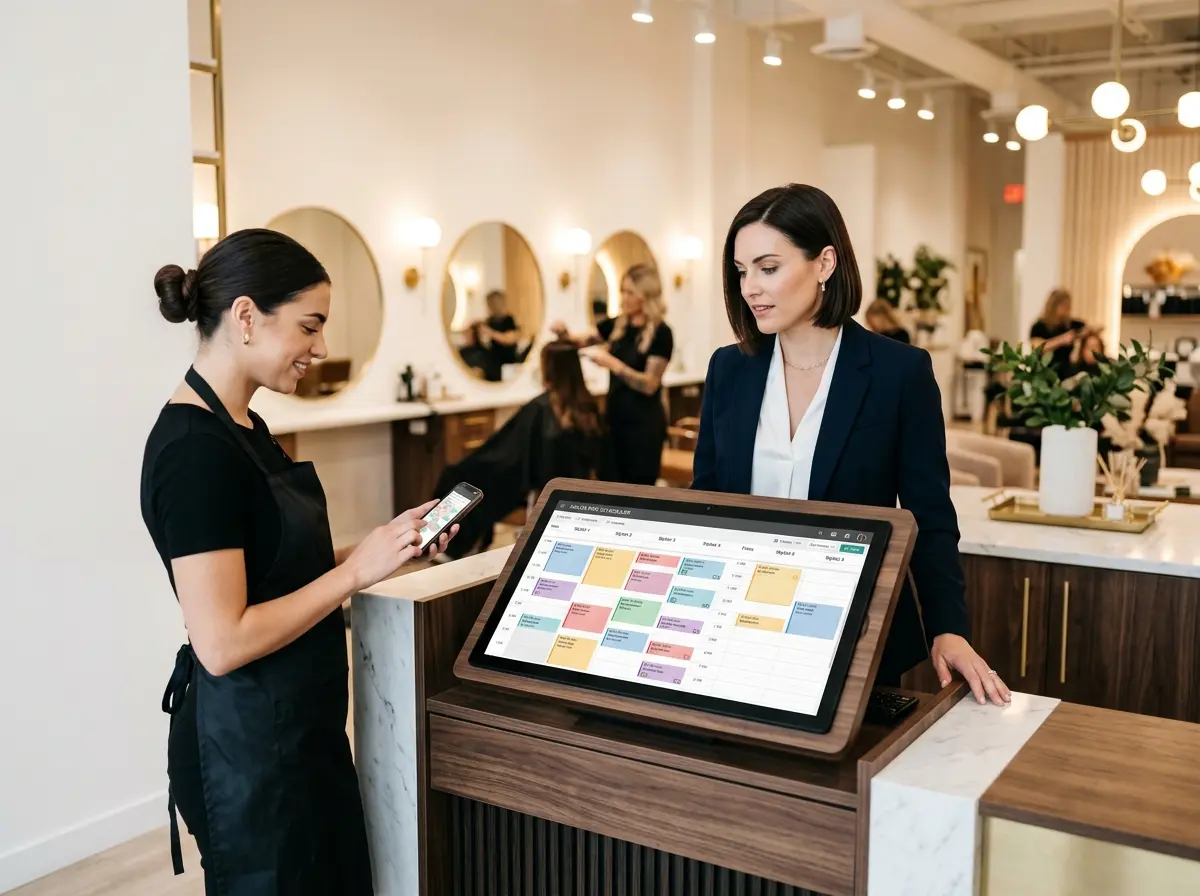
Nothing fuels burnout and resentment faster than an unpredictable, unfair schedule. The dreaded "clopening" (closing late at night and opening early the next morning) is a notorious culprit. So are last-minute schedule changes posted with less than 24 hours' notice. While retail demands flexibility, your team’s well-being requires a baseline of predictability.
A stable schedule shows respect for your employees' lives outside of work. They have appointments, families, and social lives, just like you. Consistently ignoring that is a one-way ticket to them "feeling unwell" on the day of their cousin's wedding they couldn't get off. Aim to post schedules at least two weeks in advance and create a clear, simple process for swapping shifts. It gives your team a sense of control and makes them feel like valued partners rather than interchangeable cogs in your machine.
When You're Short-Staffed, Every Customer Still Counts
Let's be realistic. Even with a stellar culture and perfect scheduling, life happens. Someone will get a flat tire. A kid will get sick. You will be short-staffed from time to time. The real question is: what happens to your store—and your sales—when you are?
Maintaining a Flawless Front-of-House, No Matter What
When you're down a team member, the first thing to be sacrificed is proactive customer engagement. The remaining staff are stretched thin, running between the stockroom and the register. Greeting every customer at the door becomes an impossible luxury. Shoppers walk in unnoticed, wander around confused, and often walk out empty-handed, frustrated by the lack of service. Your sales suffer, and your brand reputation takes a hit.
This is where you need a safety net. Imagine having one "employee" who is never late, never calls out, and is always positioned perfectly by the entrance, ready to engage. That's the stability that Stella, our AI retail assistant, provides. When your human team is scrambling to cover the basics, Stella ensures that no customer is ignored. She can greet every single person, tell them about the 2-for-1 sale on denim, and answer basic questions like "Are you open on Sunday?" This frees up your stressed-out staff to handle more complex sales and urgent operational tasks. She’s your consistency champion, ensuring a professional, welcoming experience even on your most chaotic days.
Policies, Perks, and Having "The Talk"
Okay, you've worked on your culture and shored up your operational weak spots. Now it's time to get tactical with the policies and incentives that govern attendance. This is where you combine empathy with clear, unshakable expectations.
Rethinking Your Attendance Policy (Beyond "You're Fired")
A rigid "three strikes" policy is simple, but it's also dumb. It treats an employee with a genuine family emergency the same as someone who just didn't feel like coming in. A more modern and effective approach is a points-based system. Each employee gets a certain number of attendance "points" for a 6 or 12-month period.
- No-call, no-show: 3 points
- Call-out with less than 2 hours notice: 2 points
- Call-out with proper notice: 1 point
- Late by more than 15 minutes: 0.5 points
This system is transparent, fair, and removes manager subjectivity. It also allows good employees to handle life's occasional curveballs without immediately being on the chopping block. Hitting a certain point threshold triggers a conversation, then a formal warning, and so on.
The Underrated Power of Positive Reinforcement
While you need consequences for poor attendance, you'll get far more mileage out of rewarding good attendance. People are far more motivated by carrots than by sticks. An attendance bonus program can work wonders for morale and reliability. And it doesn't have to break the bank.
Consider offering a small, tangible reward for perfect attendance over a set period:
- Monthly: A $25 gift card to a local coffee shop.
- Quarterly: An extra 4 hours of paid time off.
- Annually: A more significant cash bonus or a floating holiday.
These small gestures show your team that you see and appreciate their commitment. It gamifies reliability and gives everyone a reason to push through when they might otherwise be tempted to call it a day.
A Quick Reminder About Stella
While you're building a more reliable human team, remember you can have a perfectly reliable team member working for you right now. The Stella in-store assistant is your 24/7 guarantee that core customer engagement tasks are always handled with professionalism, boosting sales and gathering insights no matter what your staffing situation looks like.
Conclusion: Stop The Scramble, Start Building
Reducing call-outs isn't about finding a magical fix. It's a holistic process of building a business that people genuinely want to be a part of. It starts with creating a supportive culture, implementing fair and predictable systems, and backing it all up with clear policies that reward consistency.
Your action item for this week: Take a hard, honest look at one piece of the puzzle. Review your call-out procedure—is it written down and understood by everyone? Or, grab a coffee with your most reliable employee and ask for their candid feedback on your scheduling process. Small, incremental improvements will do more to solve your 6 AM text-message problem than you think.
By investing in your systems and your people, you can trade the morning scramble for a smooth, predictable, and more profitable operation. You'll build a team that's not just present, but engaged and committed to helping you succeed.