Confessions of a Retail Owner: The Perils of "I'm Not Sure"
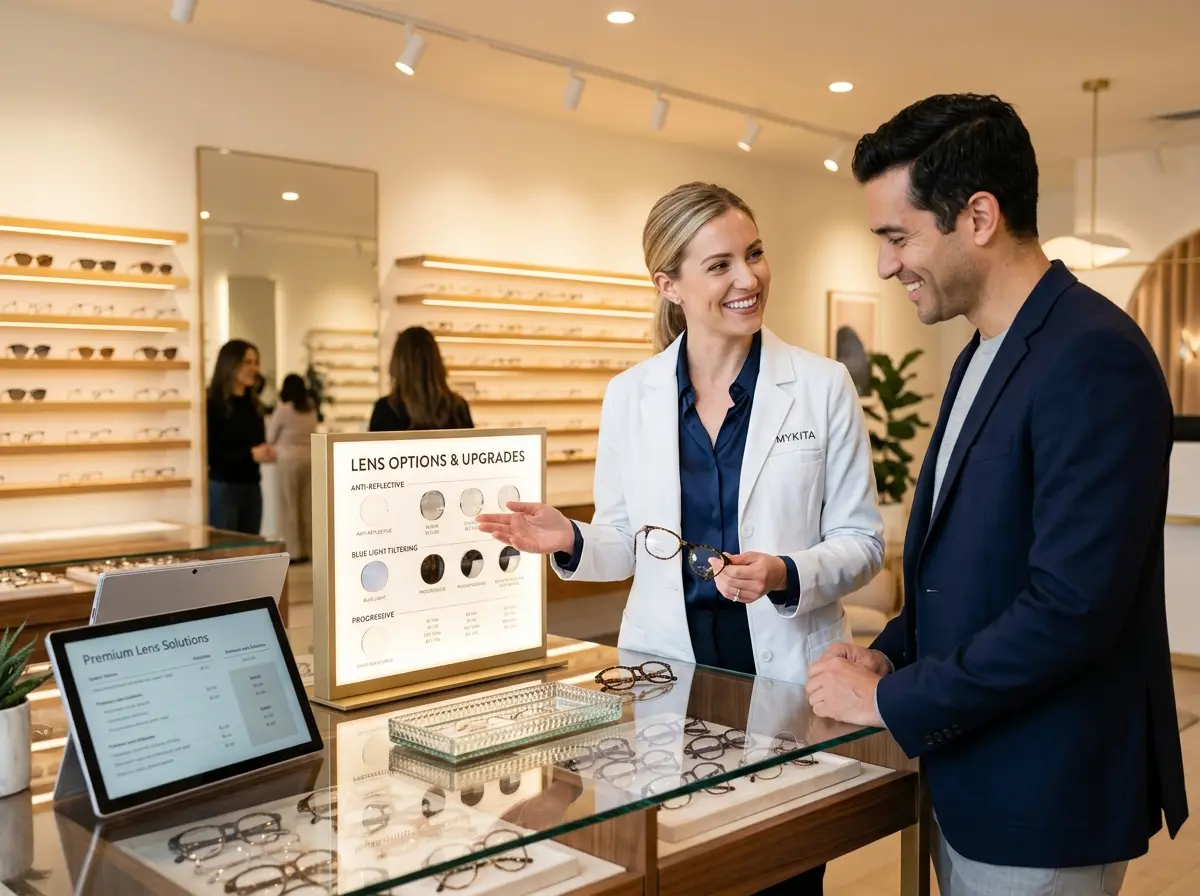
Picture this. A customer walks in, eyes gleaming with intent to purchase. They pick up that high-margin, artisan-crafted, organic-certified, sustainably-sourced widget you were so excited about. They find a sales associate and ask a simple, softball question: "So, what's the difference between this one and the slightly cheaper one?"
And then it happens. The deer-in-the-headlights stare. The frantic scan of the packaging. The dreaded, profit-killing words: "Uh... I'm not sure. Let me find someone who knows."
Annnnd scene. The customer is gone, their confidence shattered, their wallet firmly back in their pocket. You've just lost a sale, not because of price or selection, but because of a knowledge gap the size of the Grand Canyon. If this scene feels painfully familiar, you're not alone. According to research, 40% of consumers cite a lack of knowledge from store associates as a top frustration. That's a lot of frustrated people walking out your door.
Let's be honest, most product knowledge training is a glorified snooze-fest. It’s a dusty binder, a marathon PowerPoint session, or a series of monotone videos that are forgotten by lunchtime. It’s time to stop the madness. Here’s how to run training that actually works.
Beyond the Binder: Modern Training That Doesn't Induce Naps
If your training manual has a coffee-ring stain on the cover from 2003, we need to talk. Engaging your team requires more than just handing them a spec sheet. People learn best when they're active, challenged, and—dare we say—having a little fun. It’s time to ditch the lecture and embrace methods that treat your staff like the intelligent, capable humans they are.
Make it a Game, Not a Chore
Remember how much more fun learning was in grade school when it was a game? The same principle applies here. Gamification turns tedious memorization into a friendly competition. Instead of a mandatory reading hour, try these:
- Product Trivia: Host a quick 10-minute trivia game during your pre-shift huddle. Use a tool like Kahoot! or just good old-fashioned flashcards. The winner gets bragging rights or a $5 coffee gift card.
- Sales Bingo: Create bingo cards with different product features or upselling phrases ("Mentioned the warranty," "Sold the matching accessory," "Explained the origin story"). The first person to get bingo wins a prize.
- "Sell Me This Pen" Challenge: Give team members a random item and 30 seconds to pitch it. This isn't about high-pressure sales; it's about practicing how to talk about features and benefits on the fly in a low-stakes environment.
The goal is to associate learning with positive feelings, not with the soul-crushing boredom of a corporate seminar.
Embrace Bite-Sized, On-the-Go Learning
Nobody has the time or attention span for an eight-hour training marathon anymore. The modern brain is wired for quick hits of information. Microlearning is your best friend. It’s about delivering small, digestible chunks of knowledge consistently over time.
Think about creating a "Product of the Day" series. Each morning, send a message to your team's chat group (like Slack or WhatsApp) with a single product, one compelling photo, and three bullet points. That's it. For example:
Product of the Day: The Wanderer's Backpack
- Fact 1: Made from 100% recycled sailcloth, so it's both waterproof and eco-friendly.
- Fact 2: Features a hidden anti-theft pocket perfect for passports and wallets.
- Fact 3: Comes with a lifetime guarantee against zipper and seam failures.
This approach takes less than a minute to read but arms your team with powerful selling points they can use immediately. It builds knowledge incrementally, making it far more likely to stick.
Tell a Story, Don't Just List Specs
Humans are wired for stories. We remember narratives far better than we remember lists of technical specifications. "Holds 16 ounces" is forgettable. "This mug was hand-thrown by a third-generation potter in Vermont who uses a special glazing technique passed down from her grandmother" is memorable and creates an emotional connection.
Train your team to be storytellers. For every key product, help them craft a short narrative. It should answer questions like:
- Who made this, and why are they passionate about it?
- What unique problem does this solve for the customer?
- Is there a cool, quirky, or interesting fact about its materials or design?
When an employee can tell a product's story, they transform from a simple cashier into a trusted expert and brand ambassador. That's a shift that directly translates to more sales and happier, more loyal customers.
Your Secret Weapon for Flawless Product Info
Even with the best training, your team can't be everywhere at once. And let's be real, some days are just... days. That's where you can lean on technology to fill the gaps and provide a perfect, consistent customer experience every single time.
The Always-On Expert at Your Door
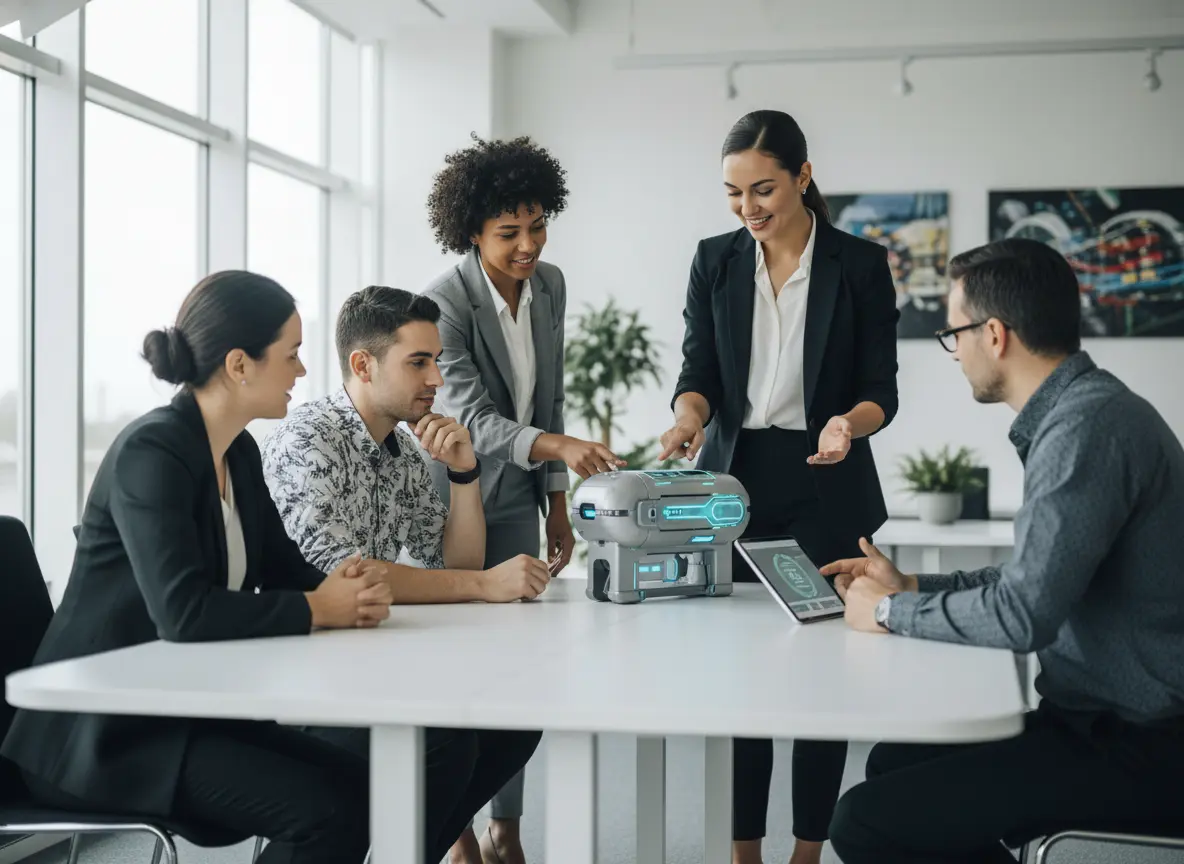
While you're nurturing your team's product expertise, an assistant like Stella can act as your frontline specialist. She's programmed with your entire catalog and can instantly answer the most common customer questions about features, availability, and promotions. This frees up your human staff to handle more complex interactions and deep-dive sales. Better yet, Stella serves as a living, talking example of perfect product knowledge. Your team can learn just by listening to how she seamlessly recommends related items or highlights a product's key benefits.
Making It Stick: Reinforcement and Culture
A fantastic training session is pointless if the information is forgotten by the following week. The real magic happens when you build a culture where product knowledge is continuously valued, reinforced, and celebrated. It's not a one-time event; it's an ongoing commitment.
Lead by Example (No, Really)
If you, the owner or manager, are constantly fumbling for answers or seem disinterested in the products, you're sending a clear message: this stuff doesn't matter. Your enthusiasm (or lack thereof) is contagious. Be the biggest product nerd in the store. Spend time on the sales floor. Talk to customers about your favorite items. Casually ask your staff questions during downtime: "Hey, what's the coolest feature of that new shipment of jackets we got in?" When product knowledge becomes part of your daily conversation, it becomes part of your store's DNA.
Role-Playing Without the Cringe
Okay, we know. The mere mention of "role-playing" can trigger PTSD from past corporate training nightmares. But it doesn't have to be so painfully awkward. Reframe it as "practice scenarios" and keep them light, quick, and realistic. Instead of an open-ended, dramatic scene, give them a specific, common challenge:
- "A customer says they saw this cheaper online. What do you say?"
- "A shopper is looking for a gift for their picky teenager. Suggest three options."
- "Someone asks why this brand is more expensive than the one next to it. Explain the value."
Pair a seasoned employee with a newer one and have them run through a few scenarios before the store opens. The goal isn't an Oscar-winning performance; it's to build muscle memory and confidence so the words flow naturally when a real customer is standing in front of them.
Reward the Know-It-Alls (In a Good Way)
What gets recognized gets repeated. If you want your team to invest their time and energy in learning, show them it's worth their while. Public praise is great, but tangible rewards are even better. According to the Incentive Research Foundation, properly designed incentive programs can boost performance by over 40%.
Consider a "Product Pro of the Month" award that comes with a small bonus, a prime parking spot, or first choice of the holiday schedule. Offer a small commission on a featured item that requires a bit more knowledge to sell. Celebrate wins in your team meetings: "Shout-out to Sarah for selling three of our new premium blenders today by perfectly explaining the difference in motor power!" When your team sees that their expertise is not only noticed but also rewarded, you create a powerful cycle of continuous learning and motivation.
A Quick Reminder About Stella
While you focus on transforming your team into product superstars, Stella is your ever-reliable force multiplier. She flawlessly greets every customer, promotes your key items, and ensures no question goes unanswered, giving your team the space and support they need to provide exceptional, high-touch service.
Conclusion: From "I Don't Know" to "Let Me Tell You..."
Great product knowledge isn't a "nice-to-have"—it's a fundamental pillar of modern retail success. It builds trust, empowers your team, and turns casual browsers into loyal customers. Ditching the dusty binders for dynamic, engaging, and continuous training is one of the highest-ROI investments you can make in your business.
Don't try to boil the ocean. Pick just one of the strategies above and commit to trying it for the next two weeks. Whether it's starting a "Product of the Day" chat, creating a sales bingo game, or simply spending more time on the floor talking about products yourself, taking that first step is key.
Stop letting preventable "I'm not sure" moments kill your sales. It’s time to empower your team, delight your customers, and watch your bottom line grow.