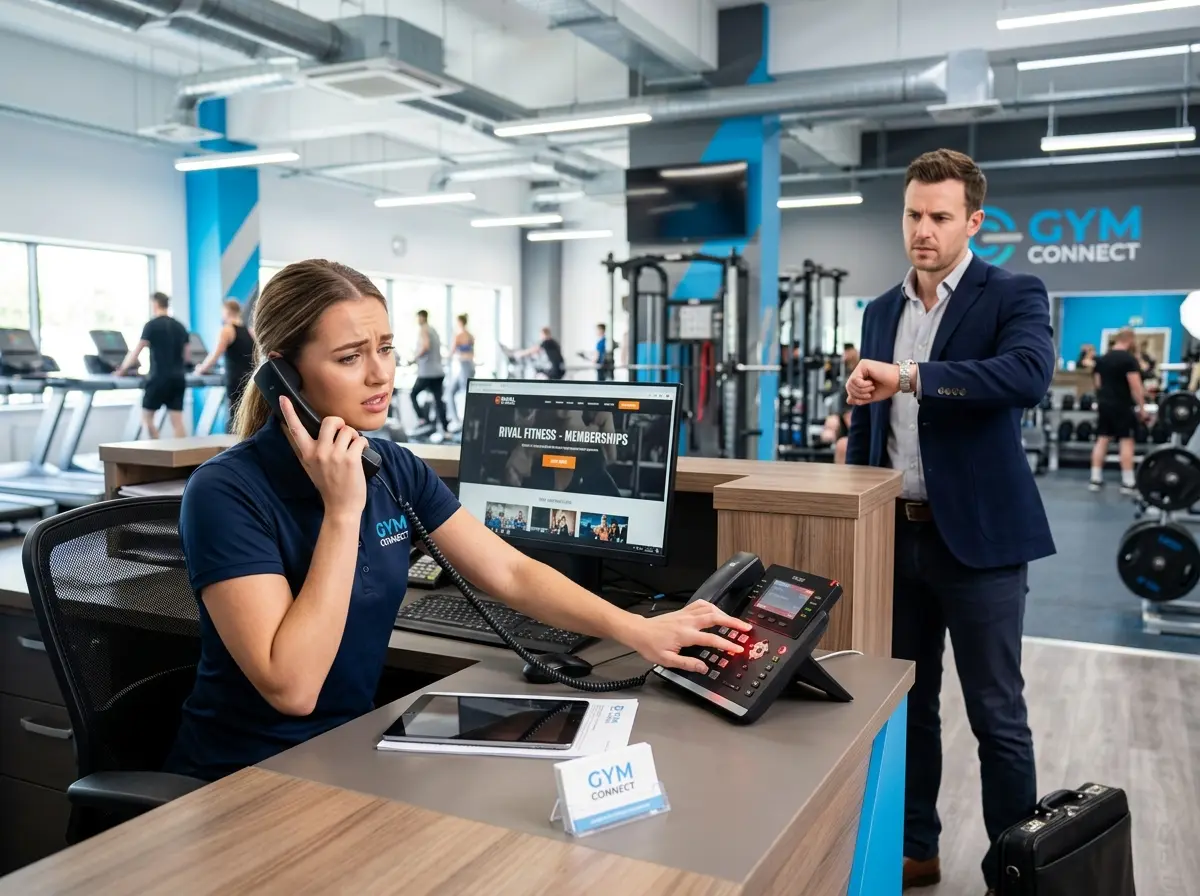
Introduction: Why Your Product Training Keeps Falling Flat
Sound familiar? You're not alone. According to research from the Association for Talent Development, employees forget up to 70% of new information within 24 hours of training — and nearly 90% within a week. That's not a reflection of your team's intelligence. It's a fundamental challenge of how humans learn and retain information, and it means that a one-and-done training session, no matter how polished, simply isn't going to cut it.
The good news? There are proven strategies to make product knowledge training actually stick — strategies that don't require you to become a full-time training coordinator or hire a learning and development department. This guide breaks it all down so your team walks away from training and actually uses what they learned when it matters most: in front of your customers.
Building a Training Foundation That Works
Start With What Your Customers Actually Ask
One of the most common mistakes in product training is building the curriculum around the product spec sheet rather than the customer experience. Your team doesn't need to memorize every technical detail — they need to be prepared to answer the questions customers actually ask. Before you design any training content, spend time reviewing customer service logs, common complaints, FAQs from your website, and feedback from your frontline staff. What trips people up? What questions come in repeatedly? What misunderstandings lead to returns or frustration?
Use a Layered Learning Approach
Make Training Tangible With Hands-On Practice
How Technology Can Reinforce What Your Team Learns
Let Tools Handle the Repetitive Stuff So Your Team Focuses on the Nuanced Stuff
Here's a liberating thought: your staff doesn't need to be the answer to every product question. Stella, the AI robot employee and phone receptionist, can handle a remarkable volume of routine product questions — both in person at your physical location and over the phone, 24/7. Stella stands inside your store and proactively engages customers, answering questions about products, services, pricing, hours, and promotions without pulling your human staff away from higher-value interactions.
For phone calls, Stella answers with the same product knowledge she uses in-store — so a customer calling after hours to ask whether your gym offers personal training packages gets a real, accurate answer instead of voicemail. This doesn't replace the need for well-trained human staff, but it does mean your team can focus their energy on the complex, relationship-driven conversations that actually require a human touch. Let Stella field "what are your hours?" so your staff can focus on "help me find the right solution for my specific situation."
Keeping Product Knowledge Fresh Over Time
Build a Simple Knowledge Hub Your Team Will Actually Use
Training is an event. Knowledge management is a system. If your product information lives exclusively in someone's memory or a binder from 2021, you have a fragility problem. Create a centralized, easy-to-access knowledge hub — even something as simple as a well-organized shared Google Drive or an internal wiki — where staff can quickly look up product details, talking points, FAQs, and updates. The key word is easy. If it takes more than 30 seconds to find an answer, your team won't use it.
Build Reinforcement Into Your Regular Routine
- Weekly micro-training moments: Spend five minutes at the start of a shift covering one product, one objection, or one recent customer question. Small, consistent exposure beats a quarterly marathon session every time.
- Real-time coaching: When a staff member handles a product question particularly well — or stumbles — address it in the moment (privately, if it's a correction). Contextual feedback is retained far better than feedback delivered days later in a review meeting.
- Customer feedback loops: If customers are consistently confused about a particular product or policy, that's valuable training data. Use it. Feed those patterns back into your training materials and knowledge hub.
Recognize and Reward Product Knowledge Mastery
Quick Reminder About Stella
Stella is an AI robot employee and phone receptionist that greets customers in-store, answers product and service questions, promotes current deals, and handles phone calls 24/7 — all for $99/month with no upfront hardware costs. She's always trained, always consistent, and never forgets what you taught her. While your human team masters the nuanced, relationship-driven side of customer service, Stella handles the high-volume, routine questions so no customer ever gets left waiting for answers.
Conclusion: Train Smarter, Not Just Harder
- Audit your current training materials against the most common questions your customers actually ask. Close the gaps.
- Set up a simple, centralized knowledge hub — even a well-organized Google Drive folder is a strong start.
- Schedule a five-minute product spotlight at your next team meeting. Make it a regular habit from there.
- Identify one technology tool — like an AI assistant — that can field routine questions so your team's mental bandwidth stays focused on high-value customer interactions.
- Create one small recognition moment this week for a team member who demonstrates strong product knowledge. Watch what happens to everyone else's motivation.