Introduction: Because "What Color Do You Want?" Is Barely Scratching the Surface
Let's be honest — most nail salons know their regulars' names, maybe their usual polish color, and if it's been a particularly good week, their dog's name. But when a client walks in and you already know she prefers gel over acrylic, always wants extra cuticle work, is allergic to a specific brand of acetone, and tips 25% when you remember to offer her chamomile tea — that's a different experience entirely. That's the kind of experience that turns a casual client into a raving fan who books three months in advance and drags all her friends with her.
The secret weapon? Client preference cards. Simple in concept, transformative in practice. A well-designed preference card captures the details that matter most to your clients — the little things your staff can't always remember across dozens of appointments — and turns that information into a hyper-personalized service that feels almost telepathic. Pair that with the right system to collect and use that data, and you've got a loyalty machine that most of your competitors haven't even thought about yet.
In this post, we'll break down exactly how one nail salon used client preference cards to dramatically improve their client retention and satisfaction — and how you can steal every single idea for your own business.
What Client Preference Cards Actually Are (And Why Most Salons Do Them Wrong)
The Difference Between a Form and a Preference Card
A standard intake form asks for a name, phone number, and whether you have any known allergies. A client preference card goes much further. It's a living document that captures personality, preferences, quirks, and comfort details that make a client feel genuinely seen. Think of it as a cheat sheet your staff uses to make every appointment feel like it was designed exclusively for that person.
For a nail salon, this might include preferred service types, favorite polish brands and finishes, sensitivity levels, whether they prefer a quiet appointment or love to chat, their preferred nail length and shape, and even whether they want the massage chair on during a pedicure. Small details? Sure. But small details are the entire business model of luxury service — and frankly, any service worth paying for.
How One Nail Salon Made It Work
A mid-sized nail salon in Austin, Texas decided to overhaul their client experience after noticing a frustrating trend: solid foot traffic, mediocre retention. New clients were coming in, having a perfectly fine experience, and then... not coming back with any urgency. Nothing was wrong. Nothing was memorable either.
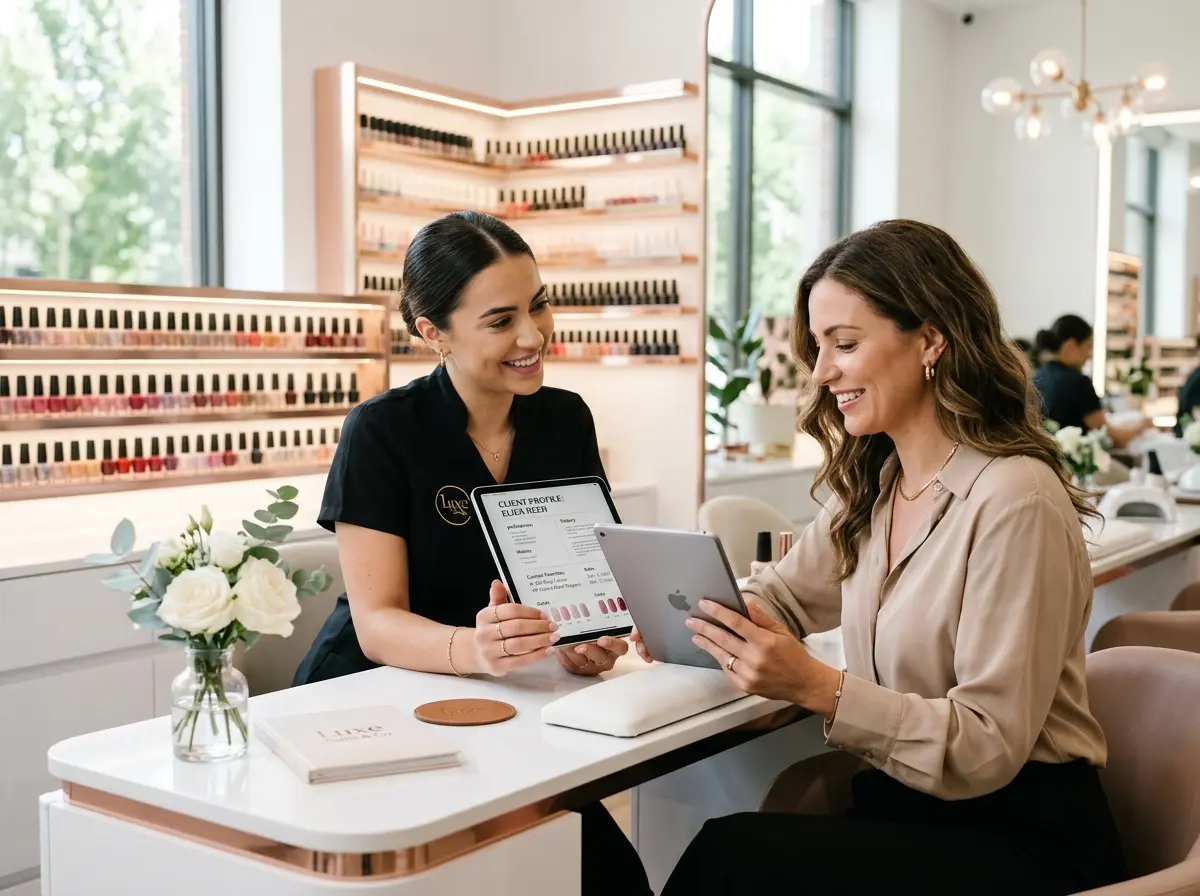
The owner introduced digital preference cards sent automatically after a client's first appointment. The card asked about polish preferences, service history, skin sensitivities, comfort preferences (lighting, music, conversation level), and even special occasions they regularly celebrated — birthdays, anniversaries, holidays. Within 90 days of implementing the system, rebooking rates climbed by over 30%. Clients started commenting unprompted that the salon "just gets me." One technician reported that a client cried — happy tears — because the team had remembered her daughter's birthday and had a small congratulatory card waiting at her station.
That's not magic. That's data, thoughtfully used.
What to Actually Put on Your Preference Card
Keep it conversational, not clinical. A preference card that reads like a medical questionnaire will get ignored. One that feels like a friendly "help us take care of you better" conversation will get filled out completely. Consider including:
- Service preferences: Gel vs. acrylic vs. natural, nail shape, length, finish (matte, glossy, glitter)
- Skin and health notes: Sensitivities, allergies, conditions that affect service
- Comfort preferences: Music volume, conversation level, temperature, lighting
- Personal touchpoints: Birthdays, anniversaries, upcoming events to celebrate
- Beverage preferences: Yes, this matters more than you think
- Communication preferences: How they prefer reminders (text, email, call)
The goal is to build a profile so complete that any technician — even one who has never worked with that client — can deliver a personalized experience from minute one.
How Technology (Including Stella) Makes This Scalable
Collecting Preference Data Without the Paper Trail Chaos
Here's where it gets practical. Preference cards only work if the information is actually accessible when it needs to be — not buried in a binder behind the reception desk that nobody opens. Digital collection and a centralized CRM are non-negotiable if you want this system to scale beyond three or four loyal regulars.
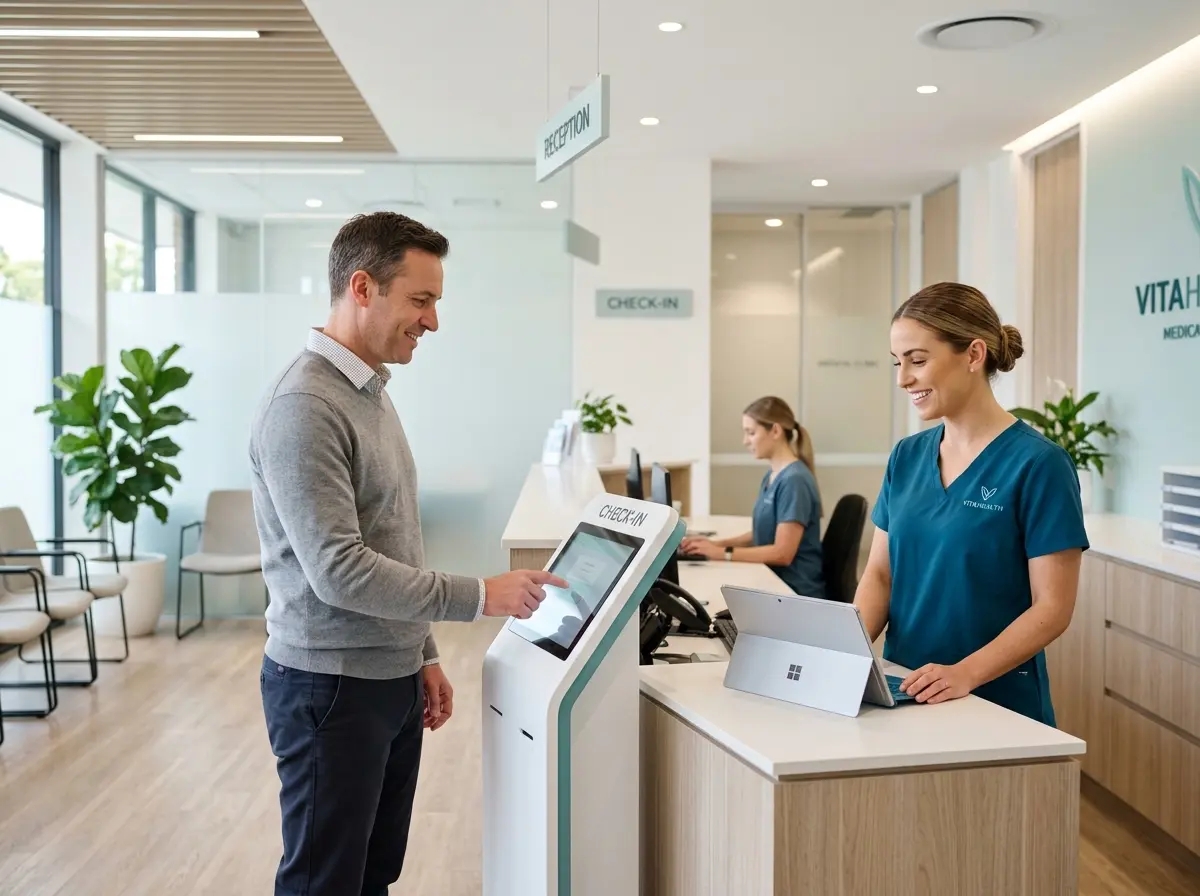
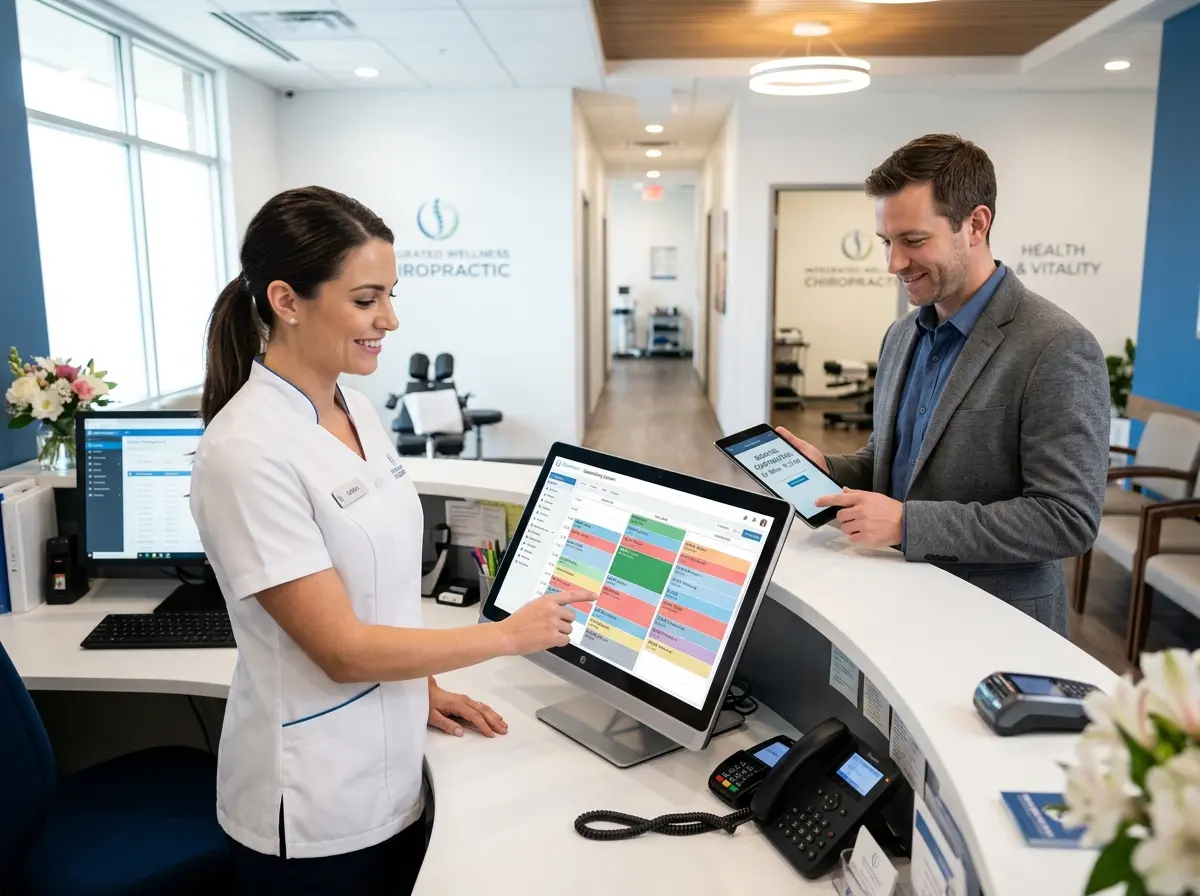
Stella, the AI robot employee and phone receptionist, is built for exactly this kind of operational lift. Her built-in CRM supports custom fields, tags, notes, and AI-generated client profiles — meaning all those preference card details have a home, and that home is searchable and accessible. Stella can collect client information through conversational intake forms during phone calls, at the kiosk in your salon, or even online before a client ever walks through your door. Clients get a smooth, friendly experience; your staff gets a detailed profile waiting for them before the appointment starts. No clipboards, no chaos, no "I think she's the one who doesn't like the massage chair?" guessing games.
Turning Preference Data Into Loyalty-Building Moments
Training Your Team to Actually Use the Data
Collecting preference data is step one. Using it consistently is where most businesses drop the ball. A preference card sitting unused in a CRM is just administrative busywork. The real ROI comes when your team reviews client profiles before each appointment and acts on what they find.
Build a simple pre-appointment routine: technicians spend two minutes reviewing the client's profile before they arrive. Favorite color family? Ready. Prefers low conversation? No chatting unless the client initiates. Celebrating a birthday this month? A small card or a complimentary service upgrade goes a long way. This doesn't require a major cultural overhaul — it just requires making the habit part of your standard operating procedure and holding your team accountable for it.
Using Preferences to Drive Upsells and Return Visits
Preference data isn't just about comfort — it's a revenue tool. When you know a client always books a standard manicure but has mentioned she loves nail art, that's an upsell conversation waiting to happen. When you know she has a wedding coming up in three months, that's a booking prompt. When you know she buys her cuticle oil elsewhere because she forgot you carry it, that's a product recommendation at exactly the right moment.
Salons that use preference data strategically report higher average ticket values and significantly better rebooking rates. According to research from Bain & Company, increasing customer retention rates by just 5% can increase profits by 25% to 95%. That's not a typo. Retention, powered by personalization, is one of the highest-leverage moves any service business can make — and it starts with knowing your clients well enough to make them feel like they're your only client.
Creating Moments That Earn Word-of-Mouth
Here's the thing about hyper-personalization: it's inherently shareable. People talk about experiences that surprise them, that make them feel special, that go beyond the transaction. When a client texts her friend to say "they remembered my birthday and had my favorite tea waiting — I'm never going anywhere else," you've just earned a referral without spending a dollar on advertising. Design your preference card system with these moments in mind. What are the three things you could do for every client — using information you already have — that would genuinely delight them? Build those into your process, make them repeatable, and watch your referral rate climb.
Quick Reminder About Stella
Stella is an AI robot employee and phone receptionist built for businesses of all sizes — including salons, spas, retail shops, and beyond. She greets clients in-store, answers phones 24/7, collects client information through conversational intake forms, and manages it all inside a built-in CRM with custom fields and AI-generated profiles. At just $99/month with no upfront hardware costs, she's the kind of team member that never calls in sick and never forgets a client preference.
Conclusion: Start Small, Think Big, and Remember the Chamomile Tea
Client preference cards are not a complicated concept. They are, at their core, a formalized commitment to paying attention — to treating your clients like individuals rather than appointments on a schedule. The nail salon in Austin didn't overhaul their entire business model. They just started asking better questions, storing the answers, and acting on them consistently. The results spoke for themselves.
Here's your action plan to get started:
- Design your preference card with fields that are genuinely relevant to your services. Keep it conversational and client-focused.
- Choose a digital collection method — whether through a CRM like Stella's built-in system, an intake form at your kiosk, or a follow-up after a first visit.
- Build a pre-appointment review habit into your team's workflow so the data actually gets used before clients walk through the door.
- Identify your "delight moments" — the two or three things you can do consistently, using preference data, that will make clients feel genuinely remembered.
- Track your rebooking rates before and after implementation so you can see the impact in real numbers.
Your competitors are still asking "what color today?" You can be the salon that already knows — and has the chamomile tea waiting. That's a competitive advantage worth investing in.