The Phone Call That's Costing You Customers
Picture this: a homeowner's kitchen sink is backing up. Water's creeping toward the cabinet doors. Mild panic is setting in. They grab their phone and call the first plumbing company they find. The phone rings. And rings. And rings. Then — a voicemail. So they hang up and call the next plumber on the list, who answers on the second ring, asks the right questions, and books the job in under three minutes.
Congratulations, second plumber. You just won a customer that should have belonged to someone else.
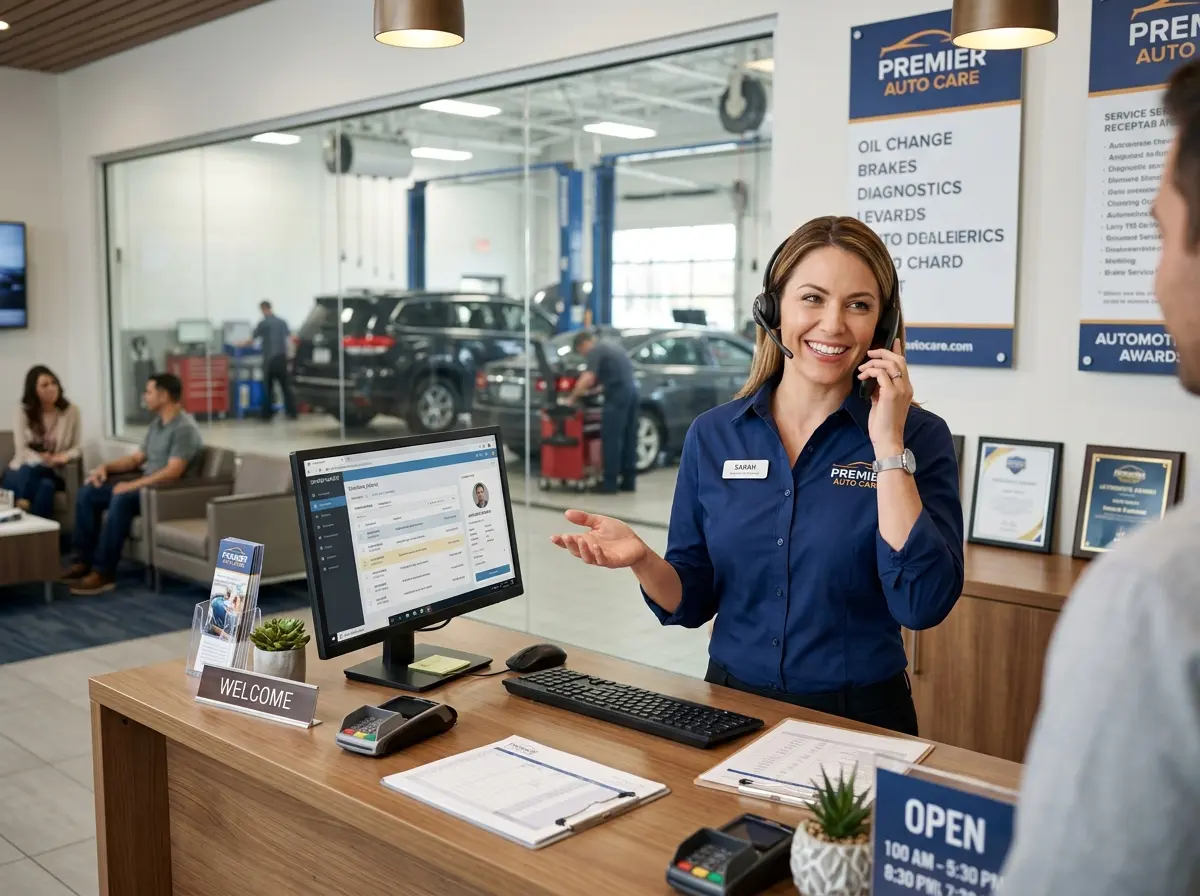
This scenario plays out thousands of times a day across every service industry imaginable. Plumbers, roofers, HVAC techs, auto shops — they're losing leads not because their work is bad, but because their phone answering game is terrible. According to research by Invoca, 80% of callers who reach voicemail won't leave a message — they simply move on to a competitor. And yet, most businesses are still treating their phone line like a suggestion rather than a sales channel.
The good news? One plumbing company figured this out, made a few strategic changes to how they handled incoming calls, and captured 40% more leads without spending a dime more on advertising. Here's what they did — and how you can steal every bit of it.
Why Most Service Businesses Fumble the Phone
The "We're Just Busy" Excuse
Let's be honest. When a small plumbing company misses a call, it's usually not because they don't care. It's because the owner is under a sink in someone's basement, the office manager is handling three things at once, and nobody thought to set up a real system for handling inbound calls. The phone becomes an afterthought — which is a remarkable thing to do with your primary lead generation channel.
The average small service business misses somewhere between 20% and 40% of inbound calls, especially outside of business hours. And when you consider that a single plumbing job can be worth $300 to $3,000, those missed calls aren't minor inconveniences — they're measurable revenue walking out the door and straight to your competitor down the street.
The Script Problem (Or Lack Thereof)
For the calls that do get answered, there's another issue lurking: inconsistency. If three different people answer your phone, you likely have three different first impressions, three different ways of collecting customer information, and three wildly different levels of enthusiasm. One team member asks all the right qualifying questions. Another says "hold on" and puts the customer on hold for four minutes. The third just takes a name and number and figures someone will sort it out later.
This inconsistency erodes trust before the job even starts. Customers making a quick decision about who to hire are paying attention — consciously or not — to how organized and professional you seem over the phone. A fumbled intake call signals a fumbled service experience, even if that's not true at all.
After-Hours: The Graveyard of Lost Leads
Here's the kicker. Many plumbing emergencies — and service emergencies in general — happen at inconvenient times. A burst pipe at 10 PM doesn't politely wait until 8 AM when the office opens. Customers who call after hours and reach a generic voicemail are, statistically speaking, already typing a competitor's number by the time the beep sounds. Businesses that find a way to engage those after-hours callers meaningfully — even just capturing their information and responding promptly — have a significant advantage over those who treat after-hours as a dead zone.
How One Plumbing Company Changed Everything
Step One: They Stopped Letting Calls Go Unanswered
The first and most impactful change the company made was committing to answer every call — not just during business hours, not just when staff was available, but consistently. They implemented an AI phone receptionist to handle calls whenever their human team couldn't. The result wasn't just fewer missed calls. It was a noticeable shift in how many of those callers actually converted into booked jobs, because the caller never hit a dead end.
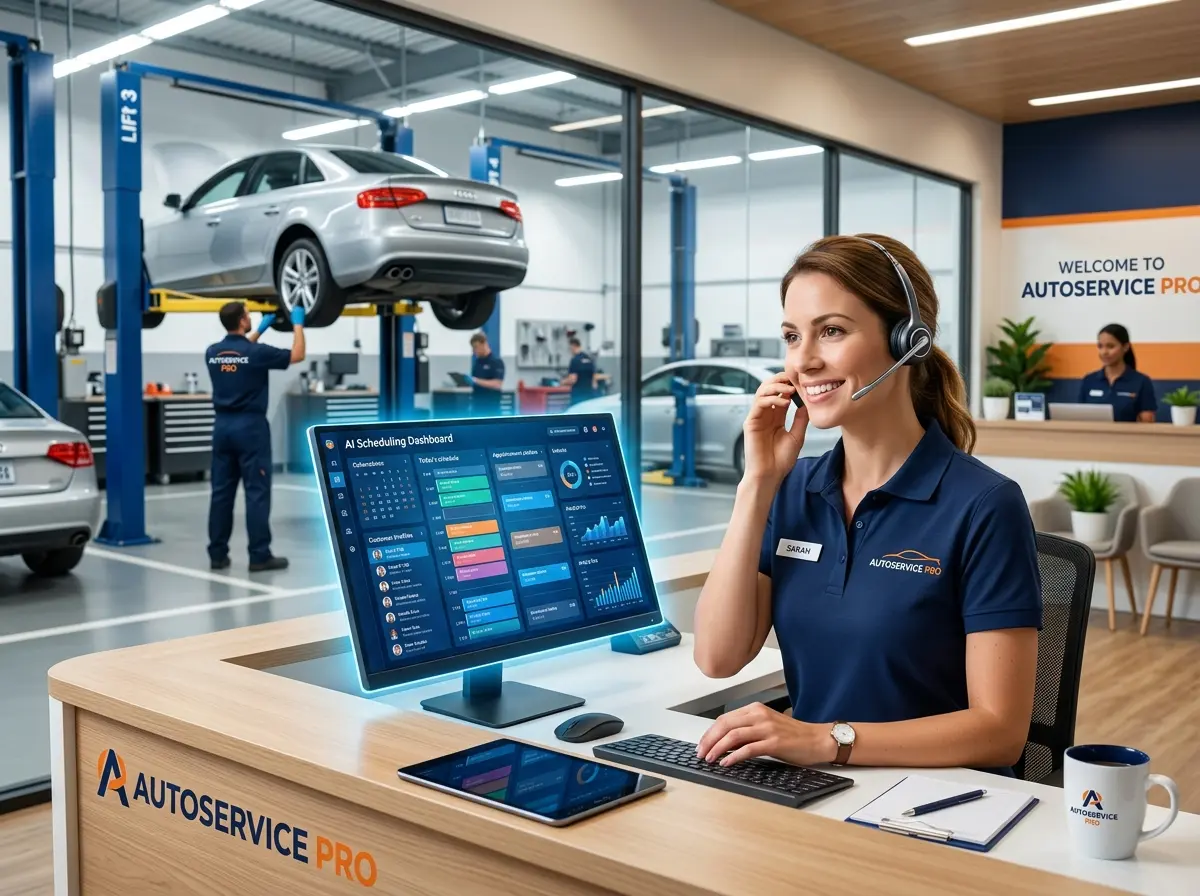
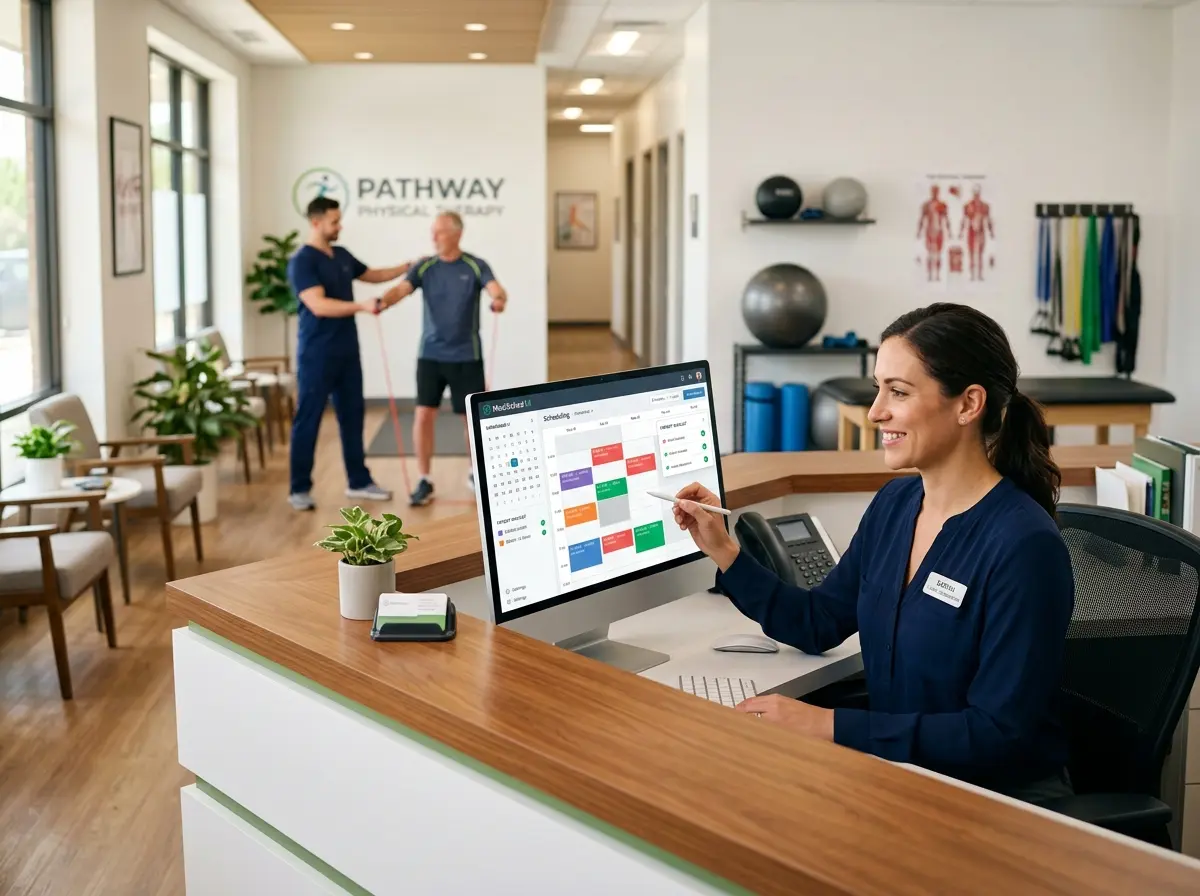
This is exactly the kind of problem that Stella was built to solve. As an AI receptionist, Stella answers calls 24/7, engages callers naturally with full knowledge of the business's services, pricing, and policies, and collects customer information through conversational intake forms — all without requiring a human on the other end. For plumbing companies and service businesses, this means emergencies get addressed even at midnight, and every caller feels like a priority. Her built-in CRM automatically logs contact details and generates AI-powered customer profiles, so no lead slips through the cracks.
Step Two: They Standardized the Intake Process
The second change was less glamorous but equally powerful: they stopped winging the intake conversation. By defining exactly what information they needed from every caller — location, type of issue, urgency, preferred scheduling window — and making sure every call collected that information consistently, they were able to route jobs faster, quote more accurately, and follow up more effectively. Fewer callbacks. Fewer "wait, what did they say their address was?" moments. Just a cleaner pipeline from first contact to completed job.
Answering the Phone Better: A Practical Playbook
Define Your Intake Questions Before the Phone Rings
You can't collect what you haven't decided to ask for. Sit down and map out the five to seven pieces of information that, if you had them, would allow you to show up to every job fully prepared. For a plumbing company, that might be: name, address, nature of the problem, urgency level, home ownership status, and preferred contact method. Write those questions down. Train every person who answers your phone to ask them in a natural, conversational way — not like a robot reading a checklist (ironic as that may sound).
Audit Your Current Phone Experience
Here's a practical exercise that will humble you quickly: call your own business. Call during business hours. Call after hours. Call on a Saturday. Listen to what happens. How many rings before someone answers? How does the greeting sound? Does the person who answers seem informed, or are they guessing? Is there a clear next step offered to the caller, or does the call just kind of... end? Most business owners have never done this, and most are mildly horrified when they do. That discomfort is useful. Use it.
Create a Follow-Up System That Actually Runs
Capturing a lead is only valuable if something happens next. A surprisingly large number of service businesses collect a caller's information and then let it sit in a notebook or a sticky note until it's too late. Build a simple follow-up workflow: new lead comes in, gets logged in a CRM, triggers a same-day follow-up call or text, and enters a short nurture sequence if they don't book immediately. The companies that win aren't always the fastest to answer — they're the most persistent in following up, because most customers need two or three touches before they commit.
Quick Reminder About Stella
Stella is an AI robot employee and phone receptionist built for businesses of all sizes — from solo service providers to multi-location companies. She answers calls 24/7, handles customer intake, promotes your services, and keeps your CRM organized, all for $99/month with no upfront hardware costs. For businesses with a physical location, she also stands in-store as a friendly, knowledgeable kiosk that engages walk-in customers proactively — so your team can focus on doing the work instead of repeating the same answers all day.
Turning Your Phone Into a Revenue Engine
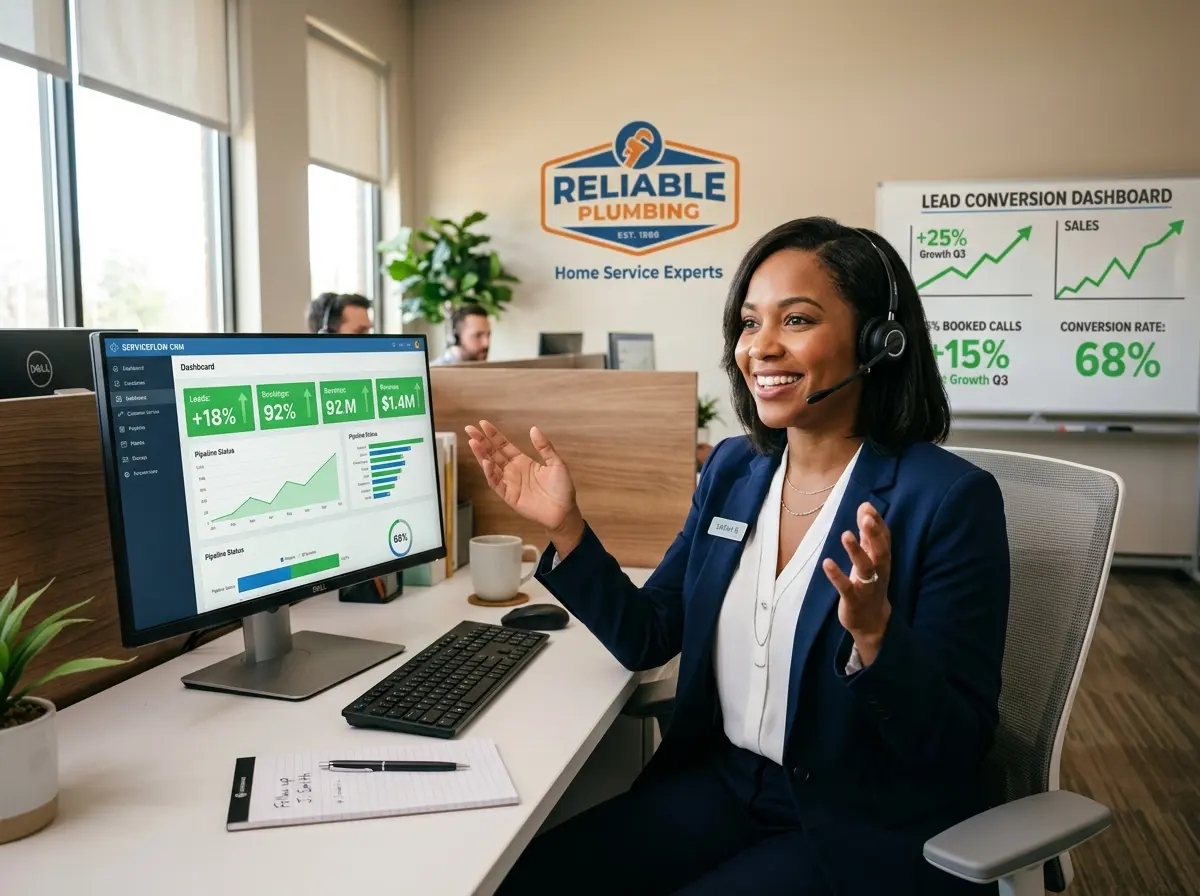
The plumbing company's 40% lead increase didn't come from a flashy rebrand or a massive ad spend. It came from fixing something embarrassingly basic: they started answering the phone well, every time, without exception. That's a lesson that applies equally to law firms, auto shops, salons, medical offices, gyms, and every other business that depends on customers being able to reach them when it matters.
Your phone line is not a formality. It is, for many customers, their first real interaction with your brand — and first impressions in a competitive market are everything. Here's how to move forward:
- Audit your current call experience this week by calling your own number at different times.
- Define your standard intake questions and make sure every call collects that information consistently.
- Plug the after-hours gap with an AI receptionist or a clearly communicated callback process that you actually follow.
- Build a follow-up workflow that moves every lead from captured to contacted within the same business day.
- Track your numbers — calls answered, leads captured, jobs booked — so you can measure the impact of your improvements.
The leads are already calling. The only question is whether you're ready to answer.