Your Products Have Stories. Are You Actually Telling Them?
Picture this: A customer walks into your store, picks up one of your best products, stares at it blankly for a few seconds, and then puts it back down and walks out. No sale. No connection. No idea that the thing they just set down could have genuinely changed their life — or at least made their Tuesday significantly better.
This happens constantly, and it's not because your products aren't good. It's because your products are silent. A price tag doesn't tell a story. A shelf doesn't build trust. And your staff — bless them — can't be everywhere at once, delivering perfect, enthusiastic product pitches to every single customer who wanders through the door.
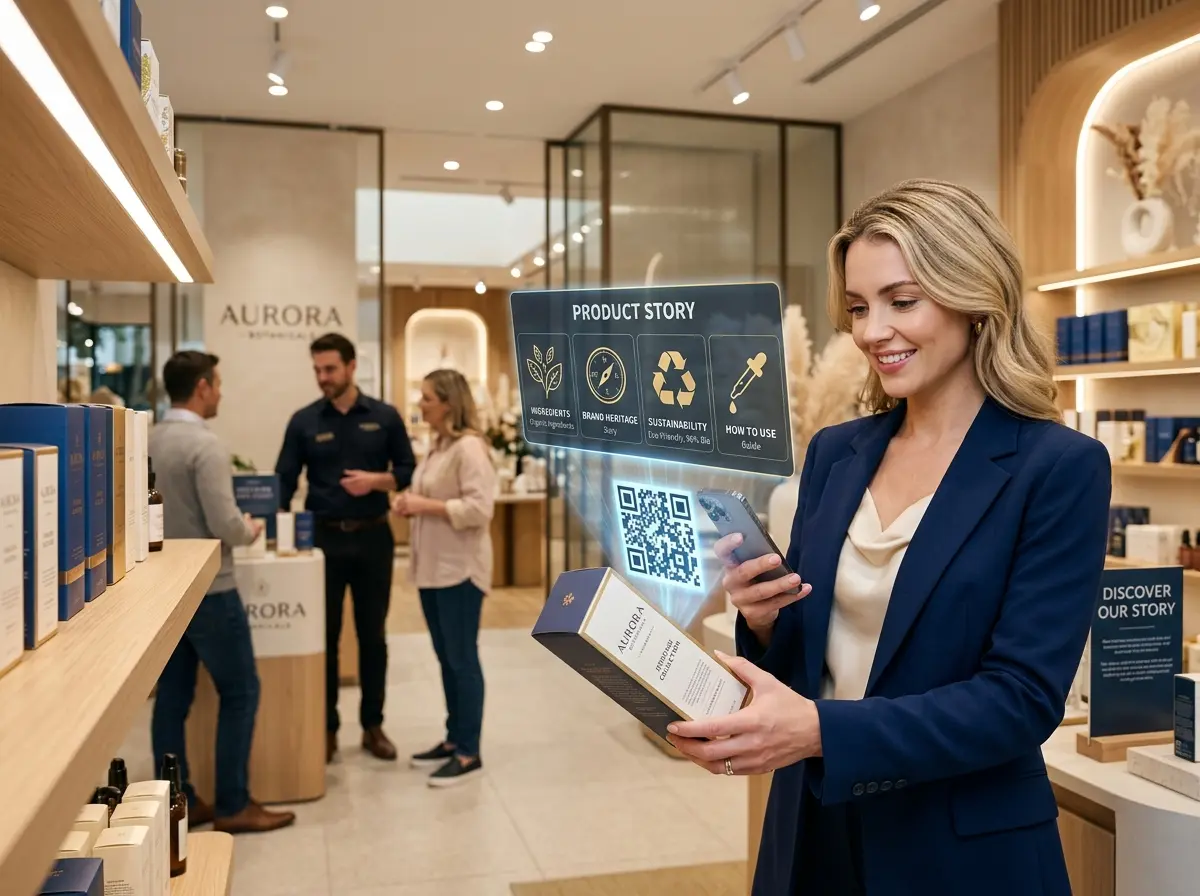
Enter QR codes. Yes, those little pixelated squares that your customers actually do scan (especially post-pandemic, when everyone got very comfortable pointing their phone at things). QR codes give you a direct line from your physical product to a rich, engaging digital experience — and when used strategically, they can turn browsers into buyers and passive shoppers into loyal fans. Here's how to do it right.
Building Your QR Code Strategy From the Ground Up
Before you start slapping QR codes on everything and calling it a marketing strategy, it's worth thinking through what you actually want those codes to accomplish. A QR code without purpose is just decoration — slightly futuristic decoration, but decoration nonetheless.
Decide What Story Each Product Needs to Tell
Not every product needs the same type of content behind its QR code. A handcrafted item might need a video of the artisan making it. A skincare product might benefit from ingredient breakdowns and before-and-after testimonials. A supplement needs third-party testing info and usage guidance. A locally sourced food product could shine with a farm tour video and the story of the family who grew it.
Start by asking: What's the one thing a customer needs to know about this product to feel confident buying it? Then build your QR destination around that answer. This keeps your content focused and genuinely useful rather than overwhelming customers with a wall of text they won't read.
Choose the Right Destination for Each Code
Your QR code can point anywhere — a product page, a landing page, a video, a PDF, a playlist, or even a conversational chatbot. The key is matching the destination to the intent. According to a 2023 Statista report, over 89 million smartphone users in the U.S. scanned a QR code, a number that's only growing. These aren't tech-savvy early adopters anymore — this is your everyday shopper.
For storytelling purposes, consider landing pages with short-form video content, customer reviews pulled dynamically, origin stories written in a compelling narrative style, and clear calls to action (buy now, learn more, sign up). Keep load times fast and the mobile experience flawless — if your QR code leads to a page that takes five seconds to load or looks terrible on a phone, you've lost them.
Design Your QR Codes to Actually Get Scanned
Generic black-and-white QR codes work fine, but branded QR codes perform better because they build trust and curiosity. Use your brand colors, add your logo to the center, and always include a short call-to-action next to the code — something like "Scan to meet the maker" or "Scan for the full story." Placement matters too. Eye level is ideal. On shelf talkers, hang tags, packaging inserts, or table tents — wherever a customer's attention naturally lands when they're evaluating a purchase.
Enhancing the In-Store Experience With Smarter Tech
QR codes are powerful, but they work best when they're part of a broader in-store experience that feels cohesive and welcoming. That means thinking beyond the code itself and considering what happens when customers arrive, browse, and have questions your QR codes can't answer in the moment.
Let Technology Handle the Heavy Lifting
Here's where it gets interesting. Stella, the AI robot employee and phone receptionist, can work alongside your QR code strategy to create a truly seamless customer experience. While your QR codes are busy delivering product stories digitally, Stella stands in your store greeting customers proactively, answering questions about products, highlighting current specials, and even upselling or cross-selling relevant items — all without pulling your human staff away from what they do best. She's also answering your phones 24/7, so no customer inquiry falls through the cracks whether they walk in or call in. It's like having a knowledgeable team member who never has a bad day and never needs a lunch break.
Crafting Content That Actually Converts
Getting customers to scan your QR code is only half the battle. What they find on the other side determines whether that scan turns into a sale. This is where most businesses drop the ball — they link to a generic product page and wonder why nobody's impressed.
Lead With Emotion, Follow With Facts
Human beings make purchasing decisions emotionally and justify them logically. Your product stories should follow the same pattern. Open with the why — why this product exists, who made it, what problem it solves, or what moment of joy it creates. Then follow with the what — specifications, ingredients, certifications, or process details for the analytical thinkers in the room.
A small-batch coffee roaster, for example, might open their QR landing page with a 45-second video of the farm in Ethiopia where their beans are grown, introduce the farmer by name, and then follow with tasting notes and brewing recommendations. That's not a product description — that's a relationship. And relationships drive repeat purchases.
Use Customer Voices Whenever Possible
Your customers are your best storytellers, and you're probably not using them enough. Embed video testimonials or written reviews directly on your QR landing pages. Feature user-generated content. Include a star rating with a short pull quote from a real buyer. Studies consistently show that consumers trust peer reviews significantly more than brand messaging — one Nielsen survey found that 92% of consumers trust recommendations from people they know, and even strangers online rank far higher than brand communications.
Make it easy to collect these reviews, too. Add a QR code post-purchase on your receipt or packaging that invites customers to leave a review, and feed the best ones back into your product story pages. It's a flywheel — and it costs almost nothing to build.
Keep It Fresh and Measure Everything
One of the underrated advantages of QR codes over traditional signage is that the destination is completely flexible. You can update the content behind a QR code without ever printing a new code. This means you can rotate in seasonal stories, swap out promotions, add new testimonials as they come in, or test different landing page formats to see what drives the most engagement.
Use a QR code platform that provides scan analytics — how many scans, when, from which locations, and on which devices. Pair this with your sales data and you'll start to see which product stories are actually moving the needle. That's actionable intelligence, not guesswork. If the artisan origin story drives a 30% higher conversion rate than the ingredient breakdown, you now know what your customers actually care about.
Quick Reminder About Stella
Stella is a human-sized AI robot kiosk and phone receptionist built for businesses like yours. She greets customers in-store, answers product and service questions, promotes deals, and handles phone calls 24/7 — all for just $99/month with no upfront hardware costs. Whether you're a retailer, restaurateur, salon owner, or service provider, she's the team member who's always ready, always on, and never calls in sick.
Start Telling Better Stories — Starting Today
You've invested real time, money, and energy into the products you sell. A price tag is a terrible way to honor that investment. QR codes give you a bridge between the physical item on your shelf and the rich, compelling story behind it — and that story is often exactly what a hesitant customer needs to become a confident buyer.
Here's a practical starting point: Pick your top three best-selling products or your three most-questioned products (the ones your staff gets asked about constantly). Build a simple, mobile-optimized landing page for each one that leads with emotion, includes at least one customer testimonial, and ends with a clear call to action. Print branded QR codes with a compelling prompt and place them at eye level near each product. Then measure. Iterate. Improve.
The businesses that win in retail today aren't just the ones with the best products — they're the ones that tell the best stories, create the most welcoming experiences, and make every customer feel like they've discovered something genuinely worth buying. QR codes are one of the most affordable, flexible, and underutilized tools to help you do exactly that. So go ahead — give your products a voice. They've earned it.