The Art of Turning One-Time Clients Into Loyal, Recurring Revenue
Let's be honest — there's nothing quite like the rollercoaster of running a cleaning business. One week you're booked solid, the next you're refreshing your inbox wondering where everyone went. The feast-or-famine cycle is practically a cleaning industry rite of passage. But here's the thing: it doesn't have to be that way.
Recurring service plans are the antidote to unpredictable revenue, and your cleaning crews are sitting on a goldmine of upselling opportunities at every single visit. The problem is that most cleaning companies either don't ask, ask awkwardly, or ask once and never follow up. Meanwhile, your clients — who genuinely love your service — have no idea you offer a weekly plan that could save them money and save you the headache of constant new client acquisition.
According to industry data, acquiring a new customer costs five to seven times more than retaining an existing one. So if your growth strategy is entirely built on new bookings, you're essentially choosing the expensive, exhausting path every single time. This guide is about working smarter — using every visit as a natural, low-pressure opportunity to introduce clients to the recurring plan that fits their life. No pushy sales tactics required.
Building the Foundation for Recurring Revenue
Understanding Why Clients Don't Sign Up (Even When They Want To)
Most clients who could benefit from a recurring plan simply haven't been given a clear, compelling reason to commit. They're not opposed to it — they're just busy, distracted, or mildly confused about what the difference actually is between your one-time deep clean and your bi-weekly maintenance plan. If your service menu reads like a tax form, don't be surprised when people default to "just the one visit, thanks."
The fix is clarity and timing. Clients are most receptive to upsells immediately after they've experienced the value of your service — meaning the moment your team finishes a job and the client is standing in their sparkling kitchen with a huge smile on their face is pure gold. That emotional high is your window. A simple, enthusiastic comment from your team lead like, "We love taking care of your home — have you thought about setting up a regular schedule so it always looks like this?" goes a long way. You're not selling; you're extending an experience they already love.
Designing Plans That Are Easy to Say Yes To
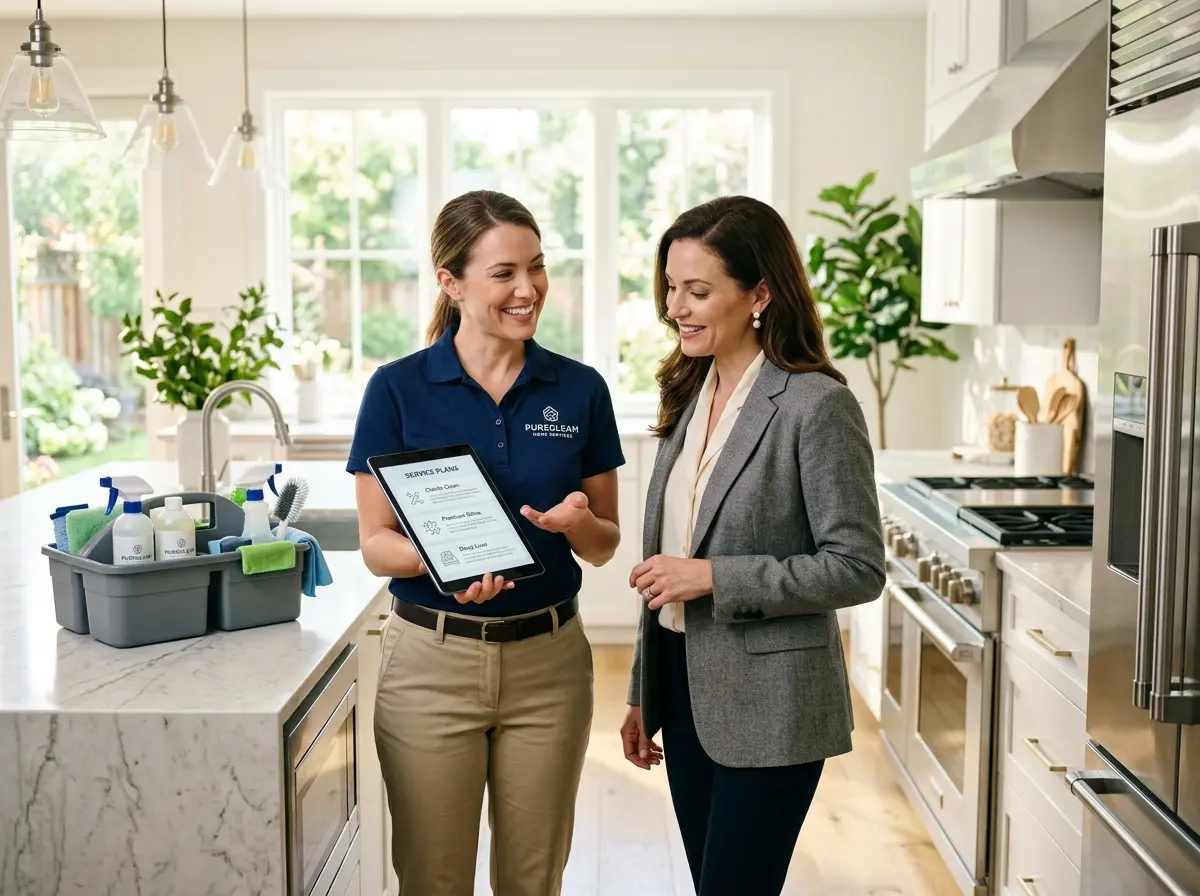
Not all recurring plans are created equal, and if yours are confusing or feel inflexible, clients will stick with one-offs out of sheer decision fatigue. The sweet spot is offering two or three clearly differentiated tiers — something like a weekly plan for busy households, a bi-weekly plan for the "we try to stay tidy" crowd, and a monthly deep-clean plan for clients who just need a reset.
Make the value obvious. Show the price savings compared to booking individually each time. Add small perks for recurring clients — priority scheduling, a free add-on once per quarter, or a loyalty discount after six months. These don't need to be expensive. What they do need to do is make the recurring plan feel like the obviously smarter choice. If your one-time rate is $200 per visit but your bi-weekly plan is $160 per visit with priority booking, you've already done most of the selling for yourself.
Using Technology to Upsell Without Lifting a Finger
Letting Smart Tools Do the Consistent Asking
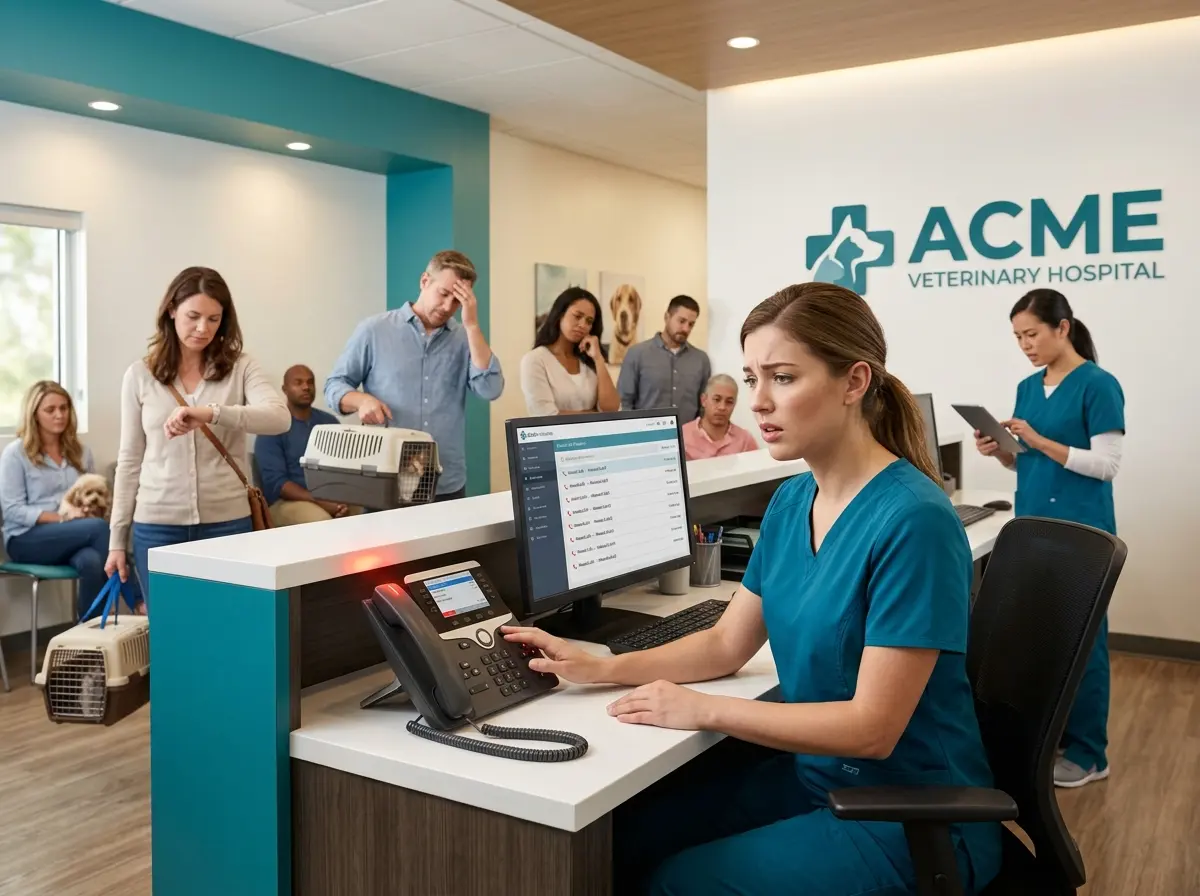
Here's a universal truth about humans: we're inconsistent. Your best technician will enthusiastically pitch the recurring plan to three clients in a row and then forget entirely for the next two weeks because they got distracted by a particularly stubborn grout situation. This is where technology becomes your most reliable team member.
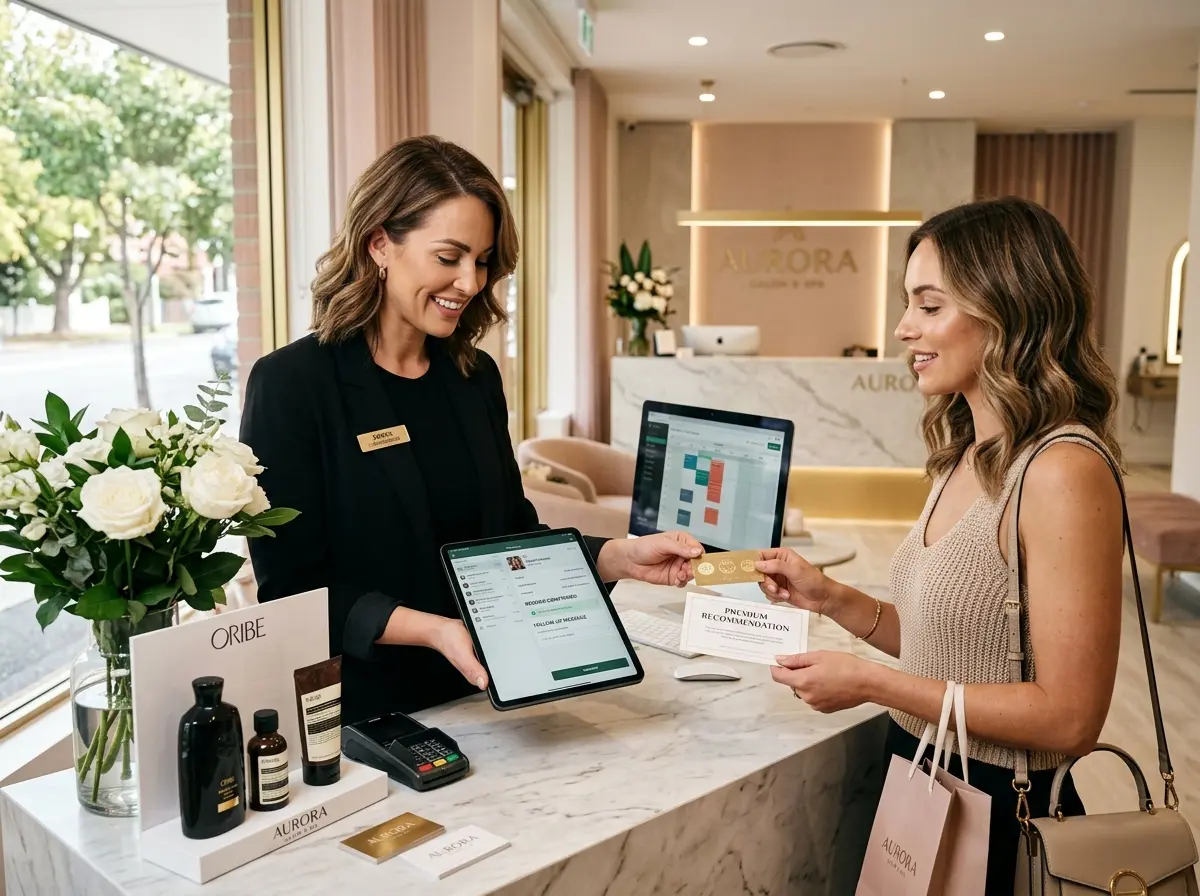
Stella, the AI robot employee and phone receptionist, is built exactly for this kind of consistent, friendly promotion. For cleaning businesses with a physical location or storefront, Stella greets every walk-in customer and proactively promotes your current plans, packages, and specials — without ever forgetting, going on break, or getting distracted by grout. On the phone side, she answers calls 24/7, meaning a potential recurring client calling at 9 PM on a Sunday gets the same warm, informed experience as someone calling at noon on a Tuesday. She can walk callers through your service tiers, collect their information through conversational intake forms, and log everything in her built-in CRM — so your team starts every follow-up conversation with full context, not a blank slate.
The consistency alone is worth its weight. When every customer interaction — in person or over the phone — includes a natural mention of your recurring plan, your conversion rate doesn't rely on whether your team happened to be in a chatty mood that day.
Making the Pitch Feel Natural, Not Salesy
Training Your Team to Upsell Through Conversation
Nobody wants to feel like they're being sold to, especially in their own home. The good news is that upselling a recurring plan to a happy cleaning client isn't really selling at all — it's helping. Your team just needs a few simple conversation frameworks to make it feel natural.
Start by training your cleaners to notice and mention things during the visit. If a client's home is clearly well-kept but the baseboards are building up, a comment like, "Your home is so well-maintained — if we came every two weeks, we'd keep those baseboards spotless and you'd barely notice we were here," plants a seed without pressure. Follow that up at checkout with a leave-behind card or a brief mention of the plan options. The goal is two touchpoints per visit: one during the clean, one at the end.
Role-play these scenarios during team meetings. It sounds basic, but cleaners who have actually practiced the conversation will deliver it ten times more naturally than those reading from a script for the first time in a client's living room.
Following Up After the Visit
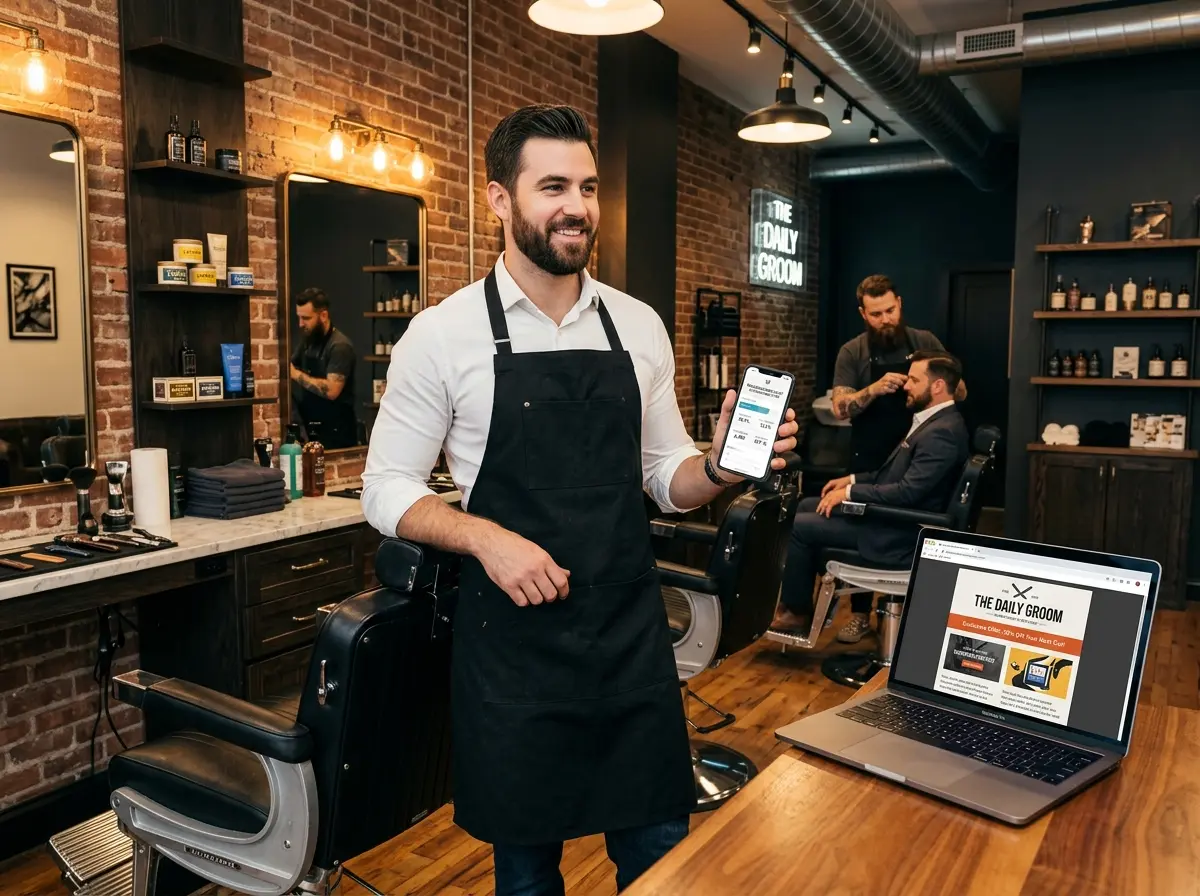
The visit itself is only half the opportunity. A well-timed follow-up message — sent within 24 to 48 hours — keeps the momentum going while the client is still thinking about how great their home looked. A simple text or email that says something like, "We loved cleaning your home! As a reminder, our bi-weekly clients save 20% per visit and get priority scheduling. Reply here to lock in your spot," does the job beautifully.
Track who you've pitched, who's shown interest, and who's converted. If you're not tracking this, you're essentially starting from zero with every visit. A basic CRM — even a spreadsheet, though something more robust is far better — lets you see patterns, identify warm leads, and follow up strategically instead of randomly.
Using Seasonal Moments to Re-Engage One-Time Clients
One-time clients aren't lost causes — they're dormant recurring clients waiting for the right nudge. Spring cleaning season, the back-to-school rush, the holidays, and post-holiday chaos are all natural re-entry points. A targeted campaign that reaches out to past one-time clients with a seasonal offer — "Book your spring deep clean this month and lock in our bi-weekly rate for the rest of the year" — gives them a reason to act now rather than vaguely "thinking about it."
Segment your past clients by how recently they booked, how often they've used your service, and what they've purchased before. The more targeted your outreach, the higher your conversion rate. A client who booked a move-out clean two years ago needs a very different message than someone who had a deep clean last month.
Quick Reminder About Stella
Stella is an AI robot employee and phone receptionist that works for your business around the clock — greeting customers in person, answering calls 24/7, promoting your services, and capturing leads through conversational intake forms. At just $99/month with no upfront hardware costs, she's the consistent, tireless team member who never forgets to mention your recurring plan.
Turn Every Visit Into a Long-Term Relationship
The shift from one-time bookings to recurring revenue doesn't happen overnight, but it also doesn't require a complete business overhaul. It requires consistency, clarity, and a willingness to ask. Every visit is a relationship moment — an opportunity to remind a happy client that they can feel this good about their home every single week, not just when things get out of hand.
Here's your action plan to get started:
- Audit your current plan offerings. Are they clear, compelling, and easy to compare? If not, simplify and add visible value.
- Train your team on two-touchpoint upselling — once during the visit, once at checkout. Practice it in your next team meeting.
- Set up a follow-up system for every completed visit. Automate it if you can; do it manually if you can't — just do it.
- Segment and re-engage past one-time clients with seasonal campaigns tied to real moments in the year.
- Use tools like Stella to ensure every customer interaction — phone or in person — includes a consistent, friendly mention of your recurring plans.
Recurring revenue isn't a luxury for large cleaning companies. It's the foundation of a stable, scalable business — and your existing clients are the shortest path to getting there. Start asking, stay consistent, and watch the one-time visits turn into relationships that last for years.