Introduction: The Free Trial That Costs You Everything (Or Nothing, If You Do It Right)
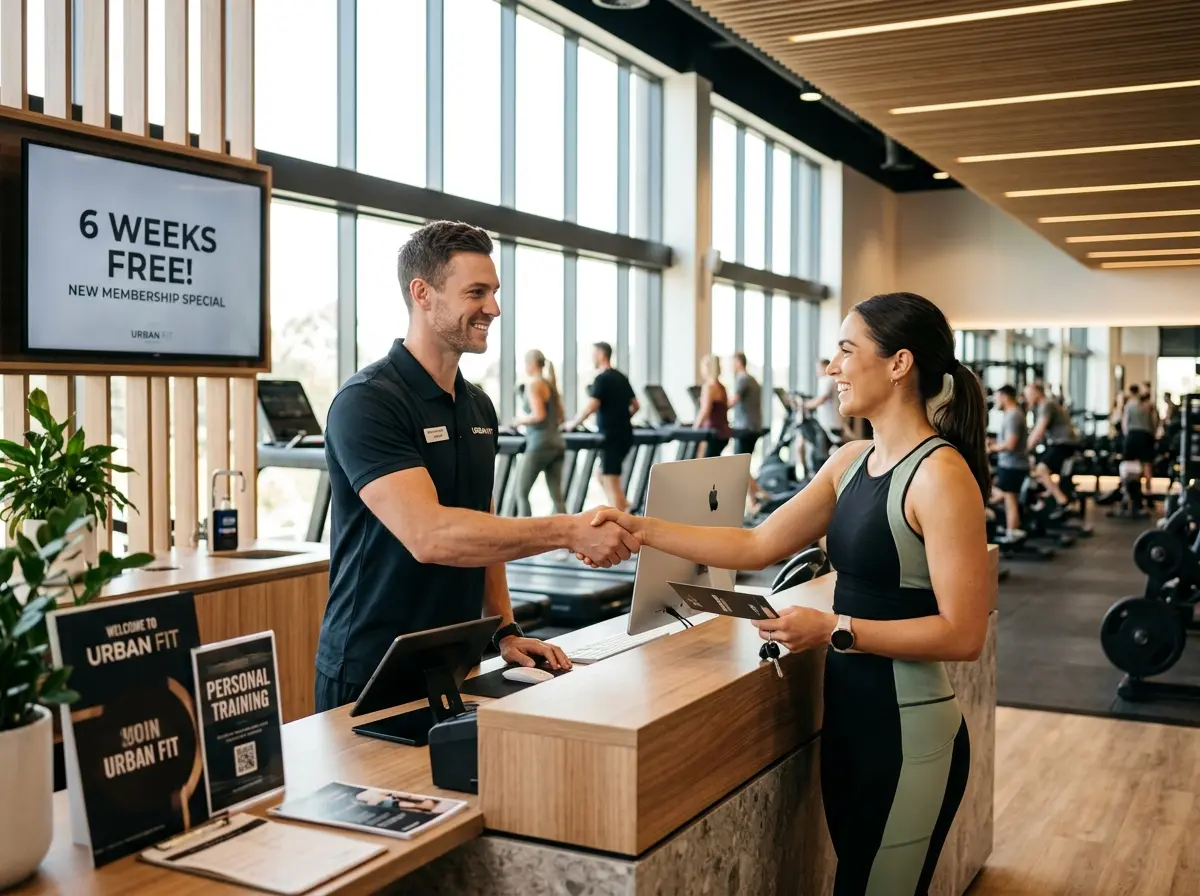
Ah, the classic "six weeks free" gym promotion. It sounds generous, maybe even a little reckless, until you realize that nearly every gym in the country runs some version of it. The real question isn't whether to offer a free trial — it's whether your free trial is a conversion machine or just a very expensive way to let people use your showers for a month and a half.
Here's the uncomfortable truth: most free trial programs fail not because of the offer itself, but because of what happens (or doesn't happen) after the new member walks through the door. According to the International Health, Racquet & Sportsclub Association (IHRSA), the average gym loses nearly 50% of its members within the first year. A lot of that churn starts right at the trial stage, when gyms are so focused on getting bodies through the door that they forget to give those bodies a reason to stay.
The good news? A well-designed six-week trial isn't just a marketing gimmick — it's a structured onboarding experience that builds habits, relationships, and loyalty. Get it right, and you'll turn skeptical first-timers into dues-paying regulars who also happen to tell their friends. Get it wrong, and you'll have a very busy parking lot for six weeks followed by a very quiet one. Let's talk about how to get it right.
Designing a Trial That Sets Members Up to Stay
Start With Structure, Not Just Access
The biggest mistake gyms make with free trials is treating them like open invitations rather than guided programs. Handing someone a key fob and saying "go wild" is not a strategy. People join gyms with goals — weight loss, stress relief, building strength — and without a clear path toward those goals, they wander the floor, feel intimidated, and quietly disappear before their trial ends.
Build your six-week trial as a structured program. This doesn't have to mean daily handholding, but it does mean giving new members a framework: a suggested workout schedule, an intro session with a trainer, milestone check-ins at weeks two and four, and a clear endpoint that transitions naturally into a paid membership conversation. When people feel like they're on a journey with a destination, they're far more likely to keep moving.
Make the First 72 Hours Count
Research consistently shows that the first few days of any new habit are the most critical — and most fragile. If a new trial member visits once and then doesn't return for two weeks, you've likely lost them. Your job is to make the first 72 hours so positive, so welcoming, and so momentum-building that coming back feels like the obvious next move.
Send a welcome text or email within one hour of sign-up. Follow up the next day with a "how was your first session?" message. Assign a staff member or ambassador to personally greet them on their second visit. These touches don't require a massive team — they require intention. Small gestures in the early days compound into long-term loyalty faster than almost anything else you can do.
Remove the Awkward Conversion Moment
If the only time you mention paid membership is on day 42 when the trial expires, you've set yourself up for a panic-inducing sales conversation that nobody enjoys. Instead, normalize the transition throughout the six weeks. Talk about membership options during the onboarding session. Reference what members will have access to after their trial at the week-two check-in. Let the conversion feel like a natural next step rather than a sudden ask.
Gyms that convert at the highest rates treat the trial period as the beginning of a relationship — not a promotional window. By the time week six arrives, the decision to join should feel less like a sales pitch and more like a formality.
How Technology Can Do the Heavy Lifting (Pun Absolutely Intended)
Automating Engagement Without Losing the Human Touch
Keeping trial members engaged across six weeks requires consistent communication, timely follow-ups, and enough personalization to make people feel seen — not like they're on an email drip campaign from 2011. This is where smart technology becomes your gym's secret weapon.
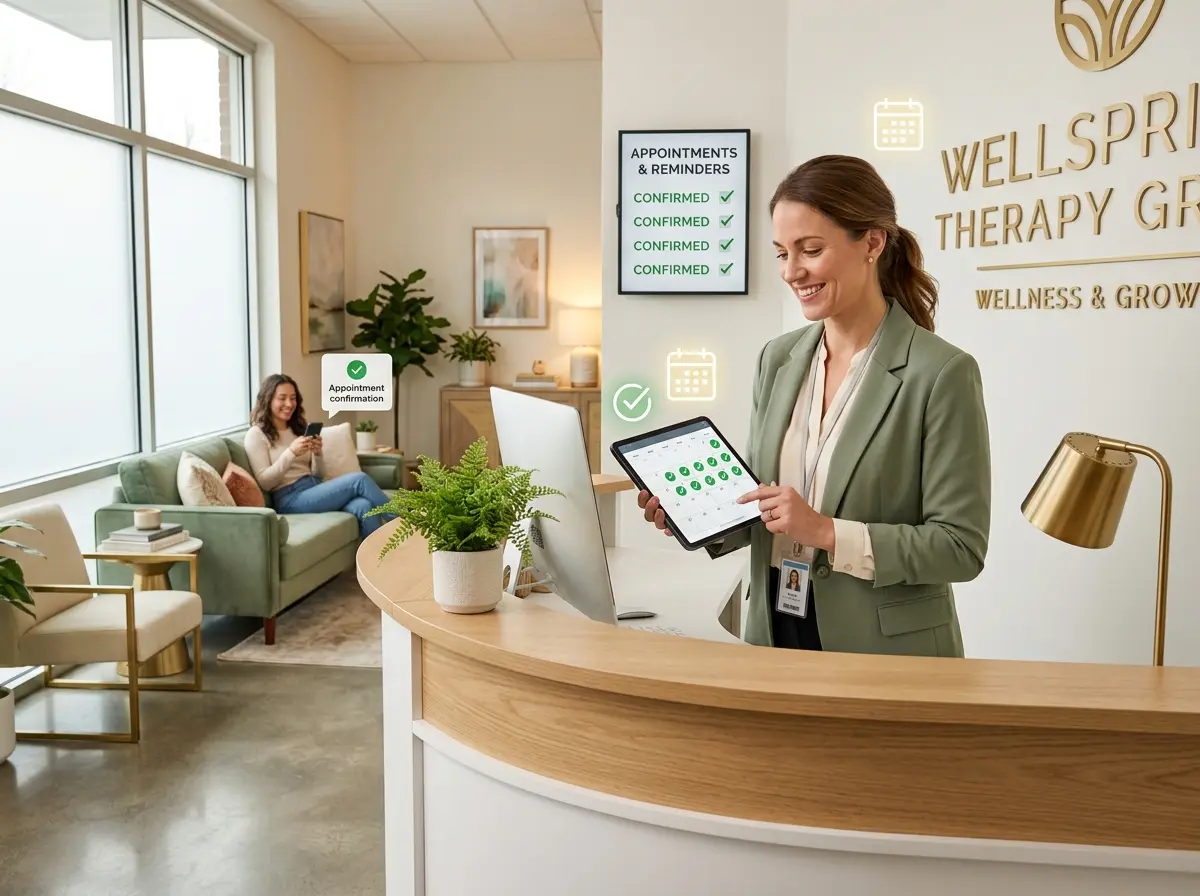
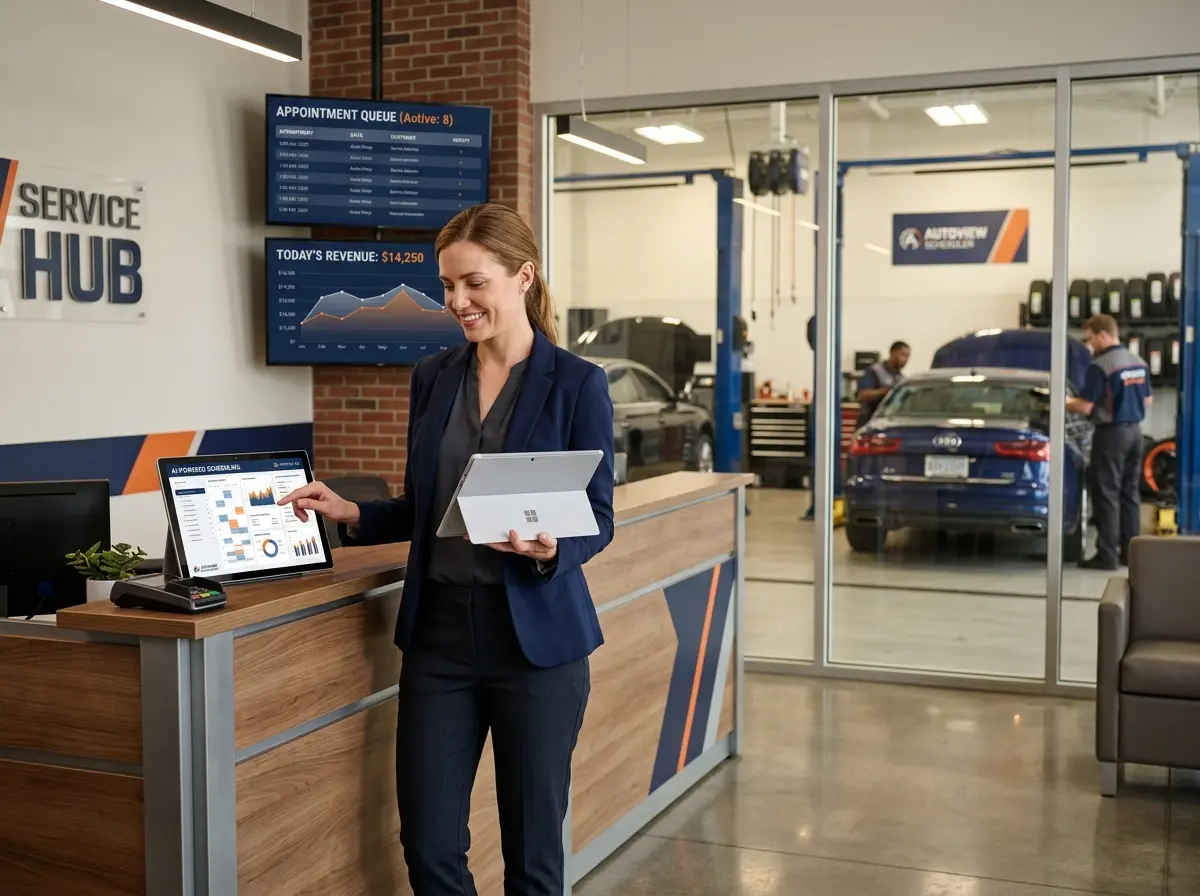
Stella, the AI robot employee and phone receptionist, is built exactly for this kind of work. At your front desk or kiosk, Stella greets every member and visitor by name, answers questions about class schedules, promotions, and membership options, and proactively engages trial members with information relevant to where they are in their journey. Meanwhile, Stella's phone answering capabilities mean that a potential trial member calling at 10 p.m. on a Sunday gets a knowledgeable, friendly response — not voicemail. Her built-in CRM and conversational intake forms let you capture trial member information, track engagement, and tag contacts so your team always knows who's in a trial, where they are in the six weeks, and what follow-up is needed. No spreadsheets, no sticky notes, no "I thought you were handling that."
Building Relationships That Make Paying Feel Like a Privilege
Community Is Your Most Underrated Retention Tool
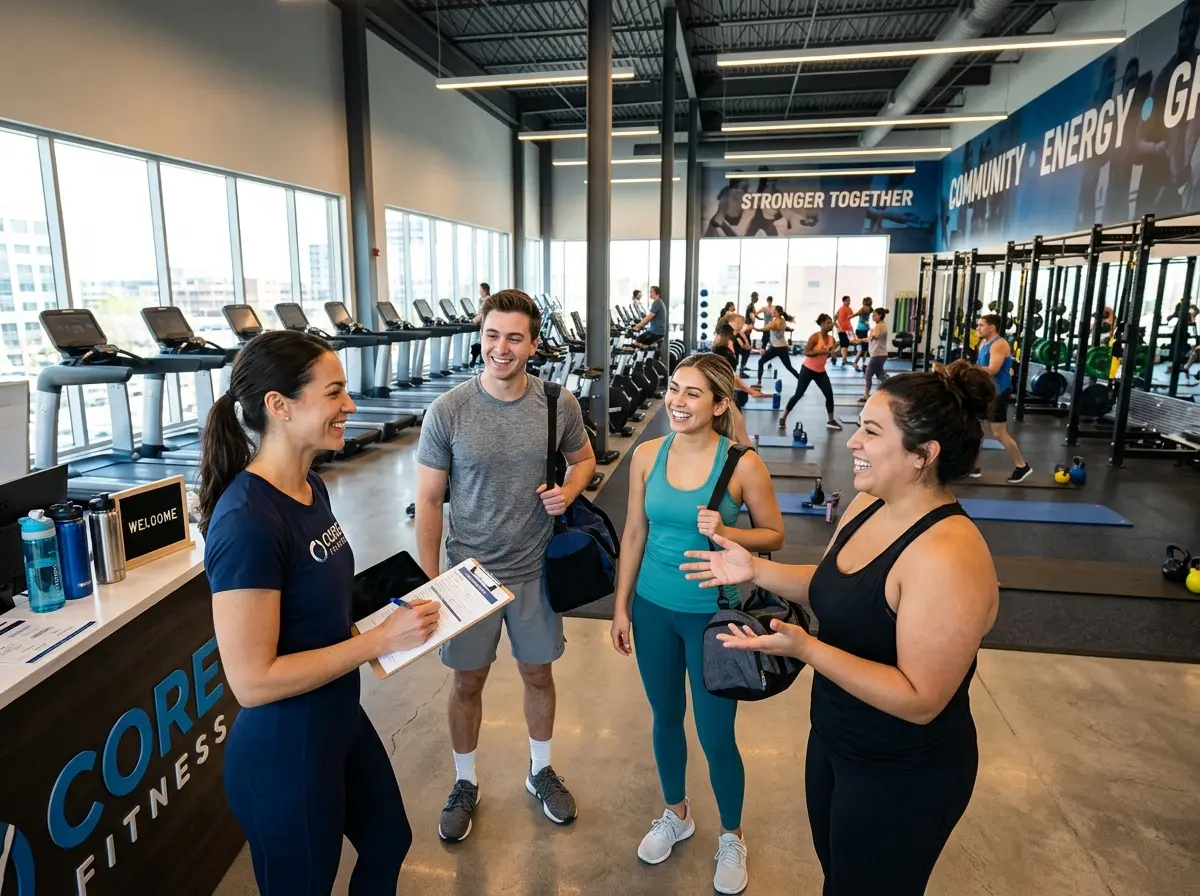
People don't just pay for equipment — they pay for belonging. Gyms with thriving communities see dramatically higher retention rates than those that function as equipment warehouses with good lighting. During your six-week trial, make deliberate efforts to integrate new members into your community. Introduce them to other members with similar goals. Invite them to group classes where instructors know to give them a warm welcome. Host a brief informal event — even a post-workout coffee or smoothie tasting — specifically for trial members once or twice during the six weeks.
When someone has made friends at your gym, canceling a membership isn't just a financial decision. It's a social one. And that's a much harder button to push.
Track Progress and Celebrate It Loudly
Nothing converts a trial member faster than tangible results. Build a simple progress-tracking system into your trial — even something as low-tech as a benchmark workout on day one and a repeat of the same workout on day 35. The goal isn't scientific precision; it's giving people a concrete, visual representation of what six weeks at your gym did for them.
When you can show someone, "You ran a mile two minutes faster than when you started," you've made a sales pitch that no promotional offer can top. Celebrate these wins publicly (with permission), share them on social media, and reference them during the membership conversion conversation. Data plus emotion is an extraordinarily effective combination.
Handle Objections Before They Become Decisions
Price, time, and uncertainty are the three most common reasons trial members don't convert. Address all three proactively rather than waiting for them to surface at the end of week six. Be transparent about membership costs early — nobody likes a pricing surprise. Offer flexible schedule options and highlight the time-efficient workouts available. And reduce uncertainty by sharing testimonials, success stories, and retention statistics from real members. When people feel informed and confident, they're far more likely to commit.
Quick Reminder About Stella
Stella is an AI robot employee and phone receptionist available for just $99/month with no upfront hardware costs. She greets customers in person at your kiosk, answers phone calls 24/7, manages member information through a built-in CRM, and promotes your current offers — all without breaks, bad days, or turnover. For a gym running trial promotions and managing a steady flow of new and prospective members, she's the kind of reliable, always-on presence that makes your operation look polished even when your staff is slammed.
Conclusion: Six Weeks Is Plenty of Time — If You Use It Well
A six-week free trial is one of the most powerful tools in a gym's marketing arsenal — and one of the most frequently wasted. The difference between a trial that converts at 20% and one that converts at 60% usually isn't the offer. It's the experience. It's the structure, the communication, the community, the follow-through, and the genuine effort to make every trial member feel like they already belong.
Here's your action plan: First, redesign your trial as a structured six-week program with clear milestones, not just open access. Second, build a communication sequence that engages members in the first 72 hours and stays consistent throughout. Third, integrate technology — like a smart kiosk or AI receptionist — to handle follow-ups, answer questions, and capture member data without overloading your staff. Fourth, build community touchpoints into the trial experience. And fifth, address price, time, and uncertainty objections early and honestly.
Do all of that, and your "six weeks free" promotion stops being a cost center and starts being your most reliable growth engine. Which is, fittingly, exactly the kind of return on investment your members are hoping for too.