The Art of the "Have You Ever Considered...?" Conversation
Let's be honest — you didn't open a hair salon just to trim split ends for the rest of your life. You opened it because you love transforming people, expressing creativity, and yes, running a successful business. So why does suggesting a color service to a client still feel like asking someone to adopt a puppy they didn't come in for? The hesitation is real, the awkwardness is real, and unfortunately, so is the lost revenue every time a client walks out the door without the highlights they didn't know they wanted.
The good news? Suggesting color services doesn't have to feel pushy, salesy, or like you're trying to upsell someone on a timeshare. When done correctly, it feels like expert advice — because it is expert advice. According to a study by the Professional Beauty Association, color services account for a significant portion of salon revenue, yet many stylists consistently undersell them out of fear of rejection or seeming aggressive. That's money sitting on the table, wearing a towel cape, and waiting for someone to say something.
This guide is here to help you and your team build the confidence and the systems to suggest color services naturally, professionally, and in a way that actually gets a "yes" — or at the very least, a "tell me more."
Understanding Why Clients Say No (Before They Even Hear the Pitch)
They Don't Know What's Possible
Most clients who decline color services aren't saying no to color — they're saying no to what they imagine color means. They picture a dramatic transformation that requires a four-hour appointment, a Pinterest board, and a second mortgage. Your job isn't to overcome their objection. Your job is to reframe what you're offering before the objection ever forms.
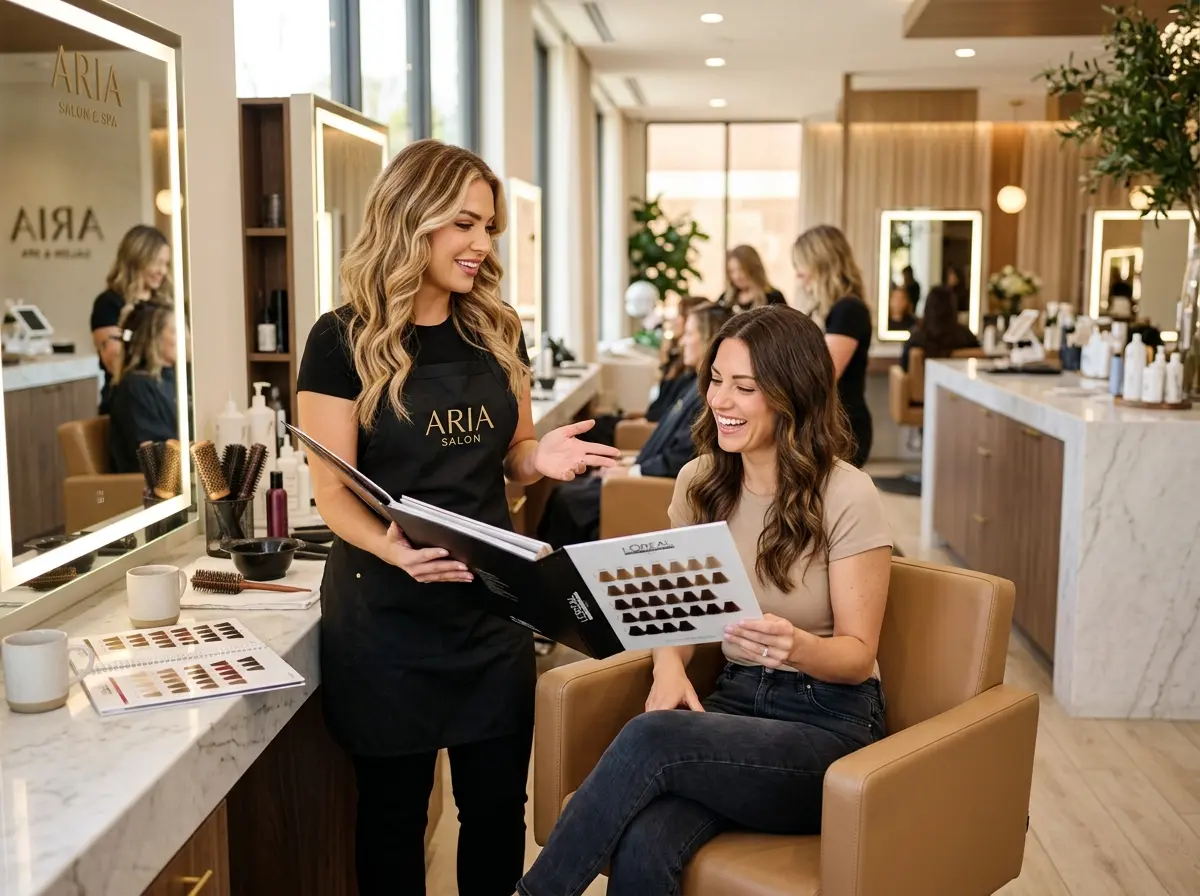
Start using consultations as education sessions. Show clients the spectrum of what's available — from a subtle gloss treatment that enhances their natural tone, to low-maintenance balayage that grows out gracefully, to a full color transformation. When clients understand that "color service" isn't a one-size-fits-all commitment, their resistance drops significantly. Use a lookbook, a tablet with before-and-afters, or even a simple conversation at the shampoo bowl. Context is everything.
They're Worried About Cost and Commitment
Two of the biggest unspoken objections are time and money — and neither of them gets smaller by ignoring them. Address these proactively. If a client seems hesitant, break down what a toning gloss costs versus what a full highlight costs. Explain that some services require very little maintenance. Offer to show them what a single money-piece highlight would look like without committing to anything more.
Transparency builds trust, and trust builds bookings. A client who feels informed — not pressured — is far more likely to say yes today and come back for more next time. Frame the conversation around investment and lifestyle fit, not a sales transaction.
No One Has Ever Asked Them Directly
This one stings a little, but it's true: many clients have never been asked. They've been coming in for trims for three years, and not a single stylist has said, "Hey, have you ever thought about adding a little warmth to your color?" Sometimes the only barrier between a client and a new service is someone with expertise simply making the suggestion. Your professional opinion carries enormous weight — more than you probably realize. Use it.
How Stella Can Support Your Color Service Conversations
Priming Clients Before They Even Sit in the Chair
Here's where things get a little futuristic in the best way. Stella, the AI robot employee and phone receptionist, can help warm up clients before your stylists ever open their mouths. As a physical kiosk inside your salon, Stella greets walk-ins and waiting clients, proactively highlighting current color promotions, seasonal specials, or new service offerings. Instead of a client staring blankly at a poster on the wall, they're having a real conversation about what a gloss treatment is and whether it might be right for them — before the consultation even begins.
On the phone side, Stella answers calls 24/7 and can mention current color promotions when clients call to book appointments. When a client calls to schedule a trim, Stella can naturally mention that you're currently running a special on color services — planting the seed without any awkward upselling from your front desk staff. She also collects client information through conversational intake forms, so your stylists walk into every appointment knowing what the client has expressed interest in. That's not just convenient — it's a strategic advantage.
The Consultation Is Your Sales Floor (Whether You Like It or Not)
Ask Better Questions
The consultation is the single most powerful tool a stylist has — and it's criminally underused when it comes to color. Most consultations go something like: "What are we doing today?" followed by a one-word answer. Instead, build questions into your process that naturally open the door to color conversations.
Try questions like: "How do you feel about your color right now — is there anything you'd change if you could?" or "Have you ever done any color work before, or is this something you've been curious about?" These aren't leading questions — they're professional, open-ended invitations. You're not selling. You're listening, and then responding with expertise. That framing changes everything about how the conversation feels to both you and the client.
Use the Mirror and Your Own Expertise
Stylists forget that they're literally standing behind someone who is staring at themselves in a mirror. Use it. Point out what you see with professional language: "Your natural base is beautiful, but I notice there's a little brassiness coming through — a toning service would really make your cut pop." You're not criticizing; you're observing. You're not pushing a service; you're solving a problem they didn't know had a name.
Clients trust their stylist's eye. A well-placed, genuine observation delivered with confidence — not desperation — is often all it takes to turn a trim appointment into a color consultation. Practice saying it out loud until it feels natural, because when it sounds natural, clients respond to it naturally.
Follow Up After the Appointment
The conversation doesn't end when the client leaves. If someone said "maybe next time" about a color service, make sure next time actually happens. Send a follow-up message a few weeks before their next appointment reminding them of the service you discussed. Better yet, show them a photo of the look you had in mind. A little effort in follow-up can turn a soft "maybe" into a firm "yes, let's do it."
This is also where a good CRM earns its keep. Keep notes on every color conversation — what was discussed, what the client's hesitations were, what they seemed excited about. That information is gold when it comes time for their next appointment, and it shows clients that you actually listened.
Quick Reminder About Stella
Stella is an AI robot employee and phone receptionist built for businesses like yours — standing in-store to engage walk-ins and handling phone calls around the clock so nothing slips through the cracks. At just $99/month with no upfront hardware costs, she's one of the most practical tools a salon can add to its front-of-house operation. If you're not familiar with what she does, it's worth a look — especially if your front desk is currently overwhelmed, understaffed, or just a little too busy to mention your color specials to every single person who walks through the door.
Start Saying It Out Loud — Starting Today
Suggesting color services isn't about pressure tactics or turning your salon into a car dealership. It's about using your professional expertise to genuinely serve your clients better — and yes, growing your revenue in the process. Those two things are not mutually exclusive. In fact, they go together beautifully, kind of like a well-executed balayage.
Here's your action plan to put this into motion:
- Audit your consultation process. Write down the questions your team currently asks, and identify where color conversations could naturally fit in. Update your consultation script accordingly.
- Train your team on language. Role-play color suggestions until they feel effortless. The goal is confident, expert-sounding observations — not rehearsed sales pitches.
- Create a follow-up system. Whether it's through your booking software or a CRM, start tracking color conversations and following up before the next appointment.
- Leverage your waiting area and front-of-house. Make sure clients are being informed about color services before they sit in the chair — through signage, lookbooks, tablets, or a tool like Stella that actively engages clients while they wait.
- Celebrate the yeses. Track how many color services get booked per month and acknowledge the wins with your team. What gets measured gets improved.
The clients who are going to love their new color are already sitting in your chairs. They just need someone with enough expertise — and enough confidence — to bring it up. That someone is you. Now go make it happen.