Why Your Waiting Room Feels Like a DMV Office (And How to Fix It)
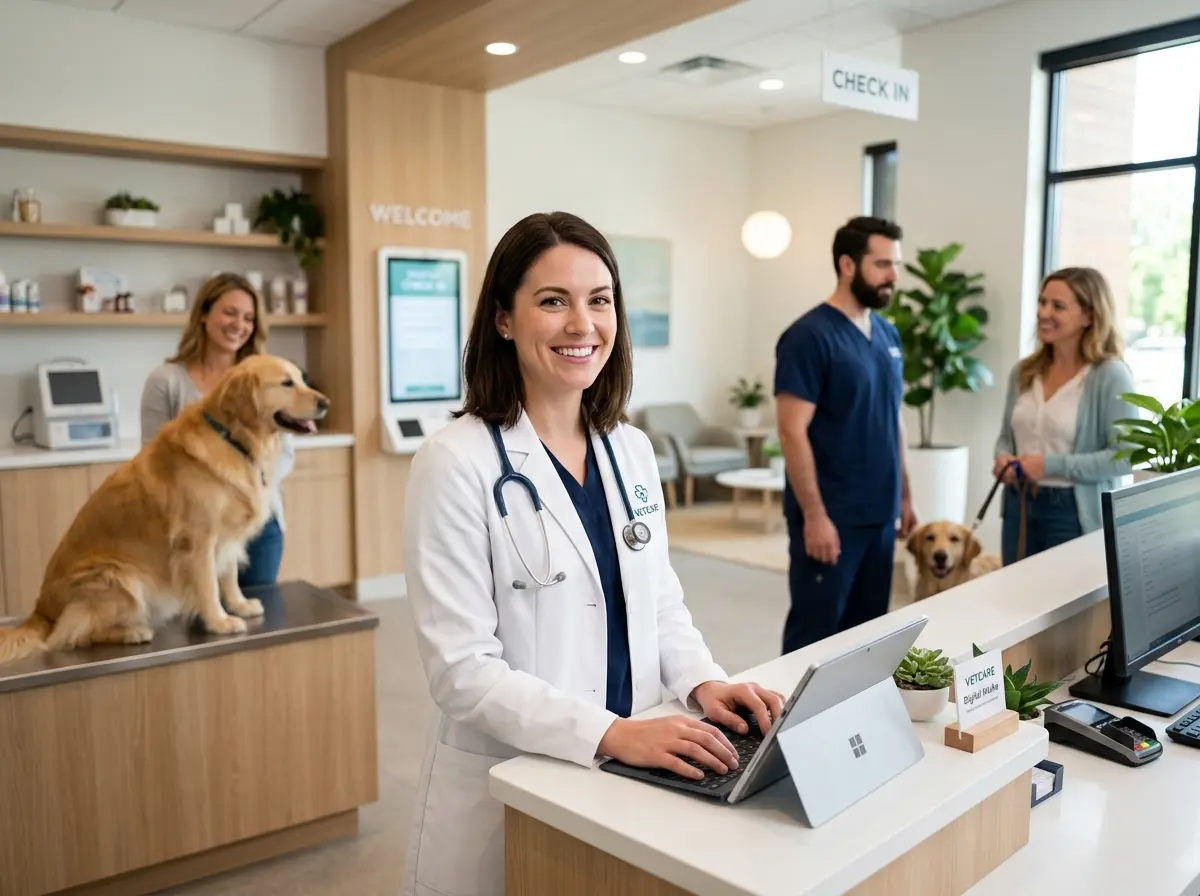
Let's paint a picture you probably know too well. It's a Tuesday morning. The waiting room is full. A golden retriever named Biscuit is eyeing a chihuahua named Prince. A cat in a carrier is providing live commentary. Your front desk staff is simultaneously answering the phone, searching for a paper form that someone definitely already filled out last visit, and trying to explain your new cancellation policy to a confused pet parent who insists they were never told. Meanwhile, three more clients just walked in and nobody has greeted them yet.
Sound familiar? The chaos of a busy veterinary practice isn't just stressful — it's expensive. Studies show that inefficient patient intake processes can cost medical and veterinary practices thousands of dollars annually in wasted staff time, no-shows, and preventable administrative errors. The good news is that digital patient intake can transform your front-of-house experience from a beautiful disaster into a well-oiled, pet-friendly machine. This guide breaks down exactly how to make that happen.
The Real Cost of Paper-Based Intake in Veterinary Practices
Before we talk solutions, let's have an honest moment about the problem. Paper intake forms aren't just inconvenient — they're actively working against you in several measurable ways.
Staff Time Is Being Quietly Devoured
The average veterinary receptionist spends between 15 and 20 minutes per new patient just on intake-related tasks: handing out forms, answering questions about what the form is asking, deciphering handwriting that can only be described as "enthusiastically unreadable," and manually entering that data into your practice management software. Multiply that by 10 new patients a week and you're looking at over 150 hours of avoidable administrative work every single year. That's nearly four full work weeks your team is spending on a task that technology can handle in minutes.
Errors and Incomplete Information Create Downstream Problems
Paper forms are notorious for incomplete answers, skipped sections, and the occasional creative interpretation of what "current medications" means. When a patient arrives for a procedure and the intake form has a blank where the medication history should be, your clinical staff has to pause, track down the information, and delay care. In a veterinary setting, missing details about a pet's weight, allergies, or pre-existing conditions isn't just inconvenient — it can be a patient safety issue. Digital forms with required fields and built-in validation ensure that you get the complete picture before the animal even walks through your door.
The Client Experience Suffers (And They Notice)
Today's pet owners are the same people who book restaurant reservations on their phones and check in for flights from their couch. Handing them a clipboard with a ballpoint pen attached by a string feels a little… retro. A 2023 survey by the American Animal Hospital Association found that client experience scores are increasingly tied to the ease of administrative processes, not just clinical quality. First impressions happen before the appointment even begins. A clunky intake process signals disorganization, and clients — even the most loyal ones — take note.
Building a Digital Intake System That Actually Works
Going digital doesn't mean buying expensive software and hoping your staff figures it out. A well-designed digital intake strategy is straightforward, and the payoff is immediate.
Send Intake Forms Before the Appointment
The single biggest shift you can make is moving intake out of the waiting room entirely. Send a digital intake form via text or email when an appointment is booked — not when the client arrives. Give them 24 to 48 hours to complete it at home, where they can actually look up their pet's vaccination records and spell the veterinarian's name correctly. Platforms like Shepherd, Digitail, and AVImark offer digital form integrations, but even a simple form tool like JotForm or Google Forms connected to your scheduling system is a massive step up from paper.
When clients complete intake at home, waiting room check-in drops to under two minutes. That's not a guess — veterinary practices that implement pre-visit digital intake consistently report check-in times falling by 60 to 80 percent. Biscuit and Prince still have to coexist in the waiting room, but at least your receptionist isn't buried in paperwork.
Use Conditional Logic to Capture the Right Information
One of the underrated advantages of digital forms is conditional logic — the ability to show or hide questions based on previous answers. A client bringing in a cat for a routine vaccine doesn't need to answer the same surgical history questions as one bringing a senior dog in for a pre-operative workup. Tailored forms feel more professional, take less time to complete, and result in higher submission rates. They also reduce the "why are they asking me this?" phone calls to your front desk.
How Technology Like Stella Can Support Your Front Desk
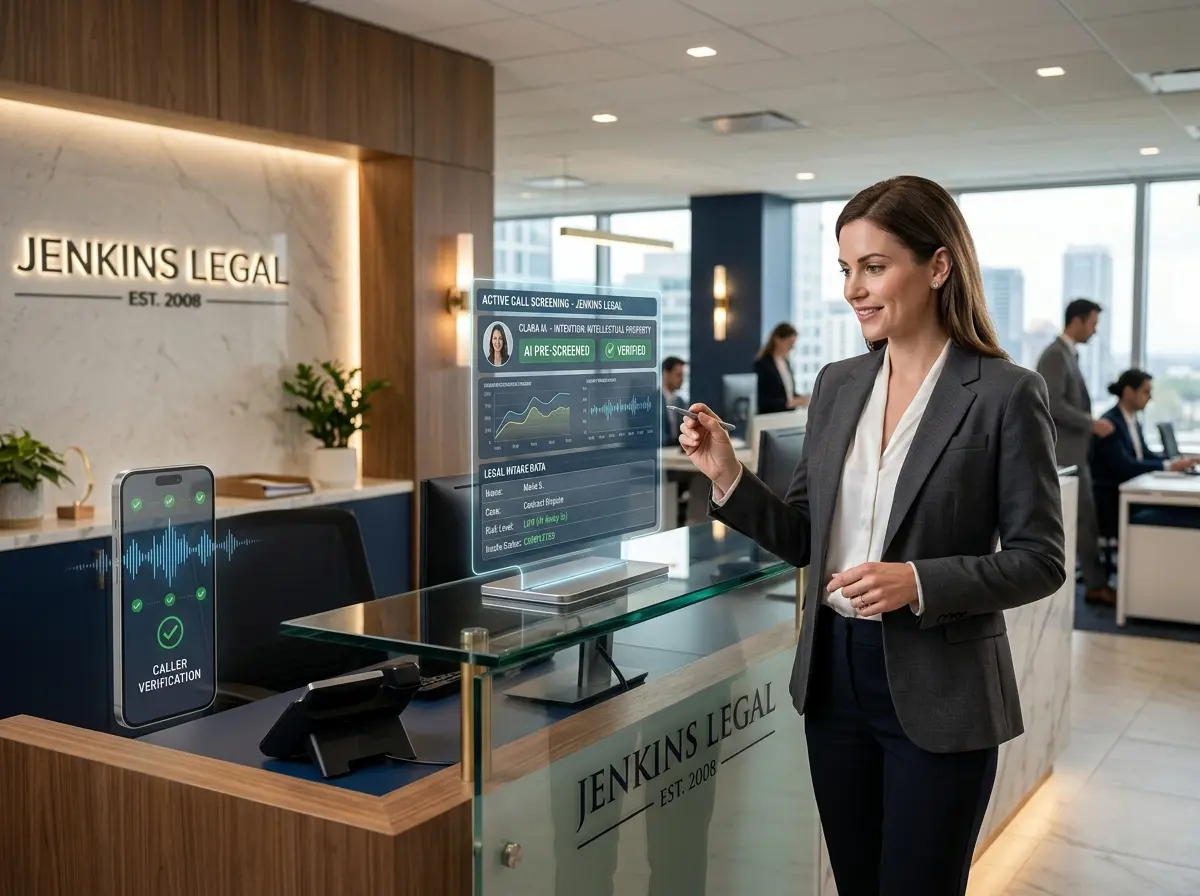
Speaking of your front desk — even with a great digital intake system in place, your phones are still ringing. New clients are calling to ask about your services, existing clients have questions about their upcoming appointments, and someone's always calling after hours to find out if you're open on Saturdays. This is where Stella, an AI robot employee and phone receptionist, fits naturally into a modern veterinary workflow.
Handling Calls and Intake So Your Team Can Focus on Patients
Stella answers phone calls 24/7 with the same knowledge your staff uses every day — your hours, services, policies, pricing, and current promotions. She can walk callers through intake forms conversationally during the call itself, collecting the patient information you need before the appointment without requiring a human receptionist to stay on the line. Her built-in CRM stores contact details, custom fields, notes, and AI-generated client profiles, so your team always has context before picking up a call or greeting a client. For practices with a physical location, she also stands in the lobby as a kiosk presence, greeting pet parents proactively and answering their questions while your staff focuses on clinical care.
Reducing No-Shows and Improving Follow-Through
Digital intake doesn't just improve the day-of experience — it plays a measurable role in reducing no-shows and improving follow-through on care recommendations.
Automated Reminders Connected to Your Intake Flow
When intake is digital, appointment reminders become easy to automate and personalize. A client who completed their intake form and confirmed their appointment via text is far more likely to show up than one who only made a verbal agreement over the phone. Most veterinary practice management systems allow you to trigger automated reminder sequences — 72 hours out, 24 hours out, the morning of — that include a link to complete any missing intake information. No-show rates in veterinary practices typically run between 10 and 15 percent. Automated digital reminders consistently reduce that number by 30 to 40 percent in practices that implement them consistently.
Post-Visit Follow-Up That Closes the Loop
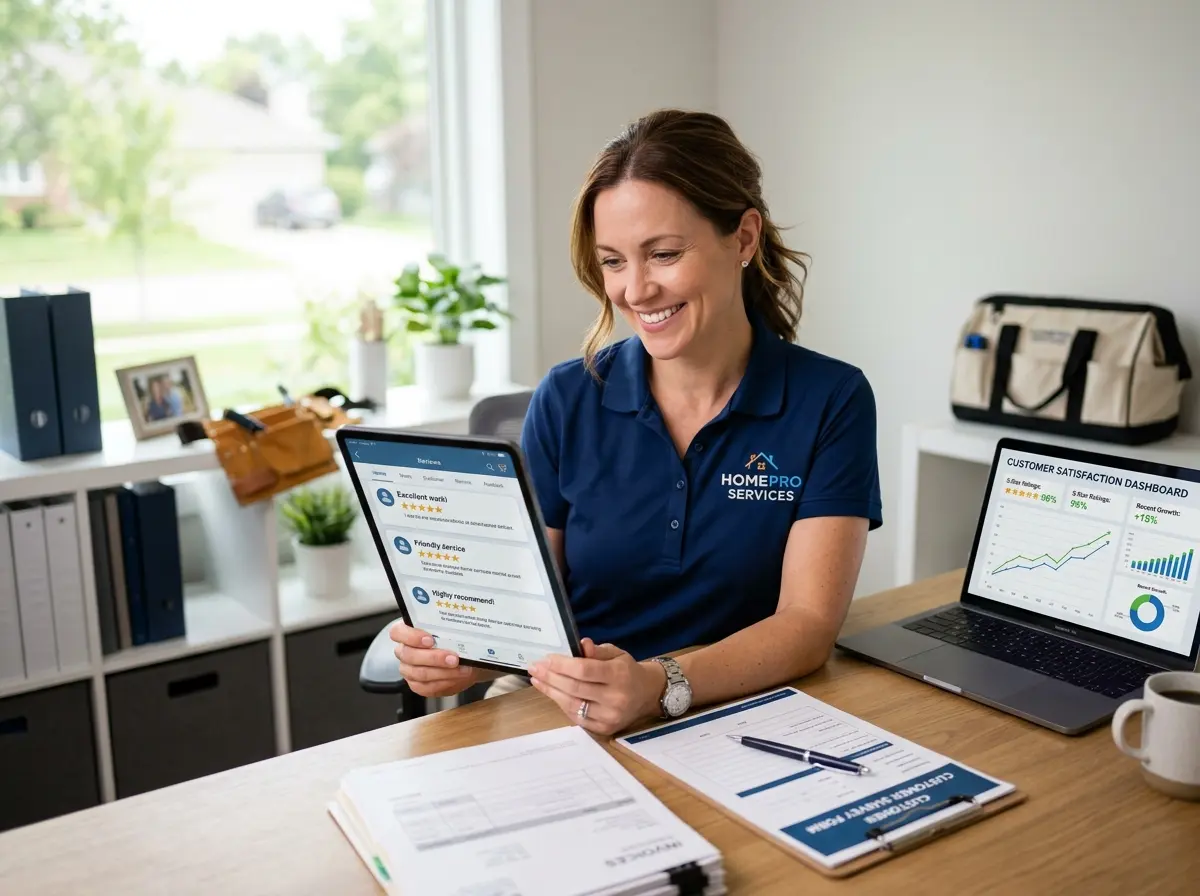
The intake workflow doesn't have to end when the appointment does. A brief post-visit digital form — sent automatically an hour after discharge — can capture client satisfaction, flag any concerns before they turn into negative reviews, and prompt clients to schedule follow-up care while the visit is still fresh in their minds. It also gives your clinical notes a quality check: if a client mentions their pet was sent home without discharge instructions, you can address it immediately rather than reading about it on Google three weeks later. Simple, automated, and surprisingly effective at building long-term client loyalty.
Leveraging Intake Data to Improve Your Practice
Every digital intake form is also a data point. Over time, the information your clients submit before appointments tells you a great deal: which services are most requested by new clients, which pet demographics make up your patient base, what health concerns are most common at intake, and which referring sources are actually driving new business. This data, when reviewed quarterly, gives you the intelligence to make smarter decisions about staffing, scheduling, inventory, and marketing — none of which is possible when that information lives on a clipboard in a recycling bin.
A Quick Reminder About Stella
Stella is an AI robot employee and phone receptionist designed to handle the front-of-house tasks that eat up your team's time — answering calls, greeting clients, collecting intake information, and managing contacts — all for $99 a month with no upfront hardware costs. She works in-person as a lobby kiosk and over the phone as a 24/7 receptionist, so your practice has a reliable, professional presence whether the front desk is staffed or not.
It's Time to Retire the Clipboard
Modernizing your veterinary intake process isn't about chasing technology for its own sake. It's about protecting your staff's time, improving patient safety, delivering the client experience that today's pet owners expect, and running a more profitable practice. The tools to do this are accessible, affordable, and — unlike a waiting room full of anxious animals — surprisingly easy to manage.
Here's where to start:
- Audit your current intake process. Time how long each step takes and identify where the bottlenecks are.
- Choose a digital form tool that integrates with your practice management software, or start simple with a standalone form platform.
- Move intake before the visit. Set up automated form delivery at the time of booking.
- Add conditional logic to tailor forms by visit type and patient history.
- Automate your reminders and include a prompt to complete any outstanding intake information.
- Review your intake data quarterly to inform business and clinical decisions.
Your front desk team didn't go into veterinary reception to spend their days decoding handwritten forms and answering the same five questions on repeat. Give them better tools, and they'll give your clients — and their beloved Biscuits and Princes — a better experience.