Introduction: Because "Word of Mouth" Only Gets You So Far
Let's be honest — running a bridal shop is not just about having the most stunning gowns on the rack or the most Pinterest-worthy fitting rooms in town. It's about being the shop that every bride thinks of before she even tries on her first dress. And the fastest way to get there? Building genuine, mutually beneficial partnerships with wedding planners and venues.
Think about it: wedding planners and venues interact with brides at the exact moment they're most excited and most overwhelmed. They're handing out vendor recommendations like confetti at a reception. If your shop isn't on that list, you're essentially invisible to an enormous pool of ready-to-buy customers. According to The Wedding Report, the average U.S. wedding costs over $30,000, and bridal attire consistently ranks among the top spending categories. The referral ecosystem surrounding that spend is worth cultivating — deliberately and strategically.
This guide is for bridal shop owners who are ready to stop hoping planners and venues will magically discover them and start building the kinds of partnerships that generate consistent, high-quality referrals. We'll walk through how to find the right partners, what to offer them, and how to keep those relationships thriving long after the champagne toast.
Finding and Approaching the Right Partners
Know Who You're Looking For
Not every wedding planner or venue is the right fit for your shop — and that's perfectly okay. The goal isn't to partner with everyone who has a mailing list and a logo. It's to identify partners whose clientele naturally aligns with your brand, price point, and aesthetic. A rustic barn venue serving budget-conscious couples may not be the best match for a shop specializing in couture designer gowns, and that's fine. Trying to force that fit will waste everyone's time and result in referrals that go nowhere.
Start by defining your ideal bride: her budget, her style, her priorities. Then map that profile onto local venues and planners. Research their Instagram presence, their featured real weddings, and the kinds of packages they advertise. You're looking for alignment, not just proximity.
Making the First Move Without Being Awkward About It
Cold outreach is uncomfortable. We know. But there's a right way to do it that feels less like a sales pitch and more like a genuine introduction. Start by engaging with potential partners on social media — comment thoughtfully on their posts, share their content when it's relevant, tag them in posts where appropriate. Warm up the relationship before you ever send a formal email or pick up the phone.
When you do reach out directly, keep it brief and value-focused. Don't lead with what you want — lead with what you can offer. Something like: "I've been following your work for a while and think our brides would love knowing about each other. I'd love to grab coffee and explore whether a referral partnership makes sense." Simple, professional, and not at all desperate. Practice it in the mirror if you need to.
Where to Find Partners Beyond the Obvious
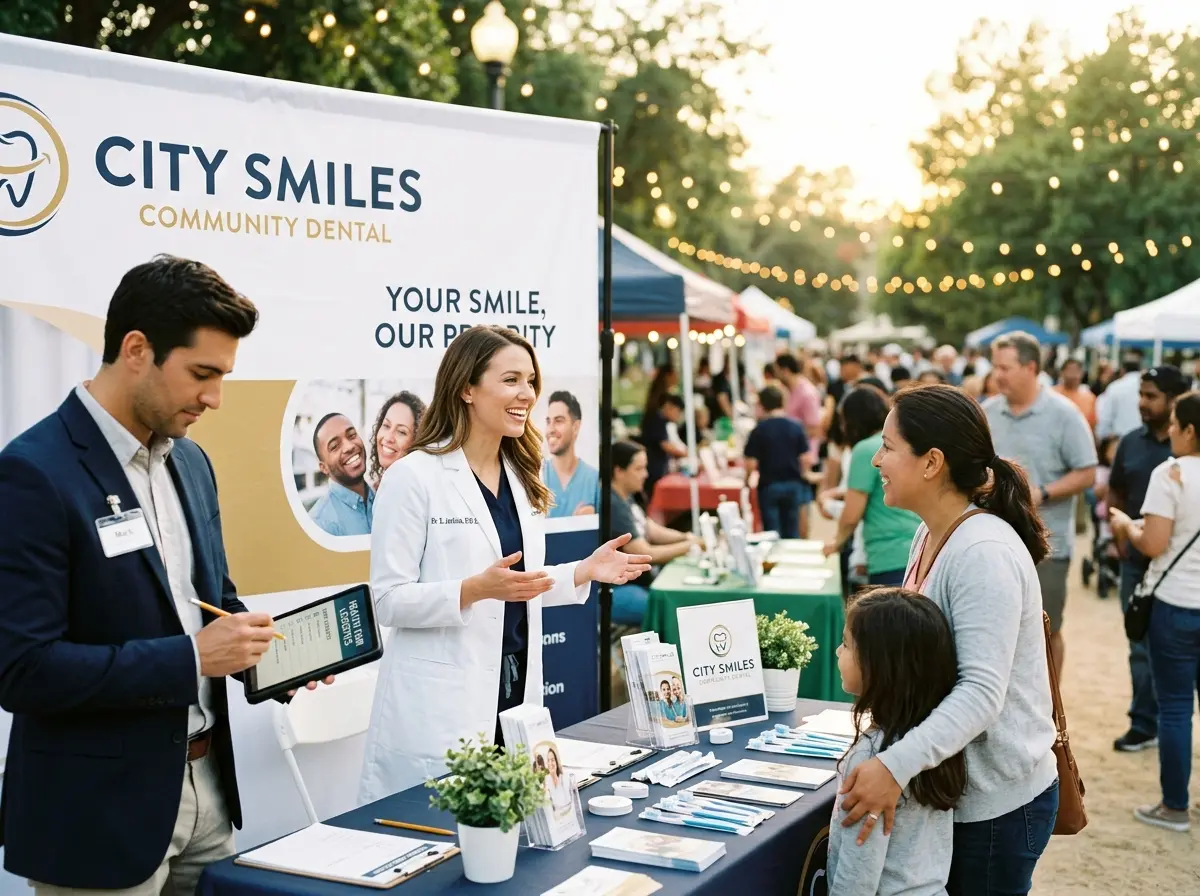
Local wedding expos and bridal fairs are the obvious starting point, but don't overlook regional wedding associations, chambers of commerce, and local business networking groups. Sites like The Knot and WeddingWire list local vendors and can help you identify who's active and well-reviewed in your area. Even attending venue open houses as a guest — not as a vendor — can give you genuine insight into their style and client experience before you approach them.
How to Structure Partnerships That Actually Work
Make the Value Exchange Crystal Clear
The best partnerships are the ones where both parties feel like they're getting something worthwhile. Vague "let's support each other" agreements have a way of fading into forgotten email threads. Instead, get specific. Will you offer a referral commission? A discount code for brides referred by a specific planner? Co-branded promotional materials? A featured spot in each other's venue or shop? Put it in writing — even informally — so expectations are clear from day one.
Some bridal shops offer partner venues a dedicated display space for their lookbooks or even a small dress display for open houses. Others run joint social media giveaways. The format matters less than the clarity and consistency of execution.
Keep the Partnership Warm Year-Round
Here's where most bridal shops drop the ball: they sign a handshake agreement, exchange Instagram follows, and then... nothing. Partnerships require ongoing nurturing. Send partners a note when you see a stunning real wedding from a bride you both worked with. Invite them to your trunk shows and sample sales. Send a holiday card — a real one, in an envelope, with a stamp. These small gestures compound over time into the kind of relationship where a planner enthusiastically recommends your shop without being asked.
Letting Technology Handle the Details So You Can Focus on Relationships
Building partnerships is relationship work, and relationship work requires time. The less time you spend managing routine operational chaos — missed calls, repeated FAQs, scheduling snafus — the more bandwidth you have for the coffee meetings and follow-up notes that actually grow your referral network.
This is where Stella, the AI robot employee and phone receptionist, fits neatly into the picture. Stella greets walk-in clients at your kiosk, answers questions about your gown collections, current promotions, and appointment policies — freeing your staff to focus on high-touch consultations rather than routine interruptions. On the phone side, Stella answers calls 24/7, which means a bride who just left a venue tour at 9 PM on a Saturday and wants to book a fitting appointment doesn't get voicemail — she gets a real, informed response. Stella can also collect client intake information through conversational forms and store it directly in her built-in CRM, complete with custom tags and AI-generated profiles that help you track which partners are driving referrals and how those brides are converting. That's business intelligence you can actually act on.
Maximizing the Partnership Once It's Running
Create Exclusive Perks for Partner Referrals
Brides love feeling like they received something special, and planners love referring clients to shops that make them look good. Design a simple "referred by" program that gives partner-referred brides a tangible benefit — perhaps a complimentary veil consultation, a discount on alterations, or a small gift with their first appointment. It doesn't need to be expensive. It needs to feel exclusive and intentional. When a planner can say, "Mention my name and they'll take great care of you," that's a referral that actually gets made.
Track Your Referral Sources Religiously
You cannot improve what you do not measure. Every time a new bride calls or walks in, someone on your team (or Stella, in her phone intake process) should be asking how they heard about you. Log this consistently. Over time, you'll see clearly which planners and venues are driving real traffic and which partnerships are mostly good intentions. This data lets you double down on what's working and have honest conversations about what isn't — or simply redirect your energy where it actually pays off.
Celebrate Shared Wins Publicly
When a bride who was referred by one of your venue partners has a stunning wedding, shout about it — together. Tag the venue, the planner, the photographer, and anyone else involved. Post the real wedding on your social media and website. This kind of co-promotion is free advertising for everyone involved and signals to other potential partners that you're the kind of shop that champions the whole vendor community, not just yourself. In the wedding industry, reputation is currency. Spend it generously.
Quick Reminder About Stella
Stella is an AI robot employee and phone receptionist that works inside your bridal shop as a kiosk and answers your calls around the clock — for just $99/month with no upfront hardware costs. She handles the routine so your team can handle the remarkable. If you're building partnerships and driving more referral traffic, Stella makes sure every single inquiry gets a professional, informed response — whether it comes through the door or over the phone.
Conclusion: Relationships Are the Real Revenue Strategy
Here's the bottom line: weddings are a referral-driven industry, and bridal shops that thrive are almost always the ones embedded in a strong local vendor network. Planners and venues aren't just complementary businesses — they're gatekeepers to your ideal clientele, and they're actively looking for vendors they can trust to make their clients happy.
To put this into action, start with these steps:
- Identify three to five local planners or venues whose client profile aligns with yours and begin warming up those relationships this month.
- Draft a simple partnership proposal that outlines what you'll offer and what you're hoping to receive in return.
- Create a referral tracking system — even a basic spreadsheet — so you can measure which partnerships are actually driving business.
- Schedule one partnership-nurturing touchpoint per month, whether that's a coffee meeting, a shared social post, or a handwritten note.
- Make sure your shop is operationally ready for the increased inquiries that come with a healthy referral pipeline — because the only thing worse than no referrals is referrals you're too busy to handle properly.
The gowns are beautiful. The shop is ready. Now go build the relationships that make sure the right brides actually find you.