So You Want Customers to Fall in Love With Your Coffee (Not Just Drink It)
Here's a scenario that probably sounds familiar: a customer walks into your specialty coffee shop, squints at your menu like they're deciphering ancient hieroglyphics, orders "just a regular coffee," and leaves having experienced approximately zero percent of what makes your shop special. Meanwhile, you're standing behind the counter with a single-origin Ethiopian natural process that would genuinely change their life — and they'll never know.
Specialty coffee is a world of extraordinary nuance, and the gap between what you know about your product and what your customer experiences is where loyalty goes to die. Guided tasting experiences are how you close that gap. They transform casual visitors into passionate regulars who evangelize your shop to everyone they know, post photos on Instagram, and — most importantly — come back. Often.
The good news is that you don't need a James Beard Award or a Michelin star to pull this off. You need a structure, a story, and a little intentionality. Let's build it.
Designing a Tasting Experience Worth Showing Up For
Before you start pouring flights of pour-overs, you need a foundation. A guided tasting experience that drives loyalty isn't just a fun event — it's a strategic touchpoint that educates, entertains, and emotionally connects customers to your brand. Done right, it's the most powerful marketing you'll ever do.
Choose a Format That Fits Your Space and Audience
Tasting experiences come in several flavors (pun absolutely intended), and the right one depends on your shop's vibe, capacity, and customer base. Consider these common formats:
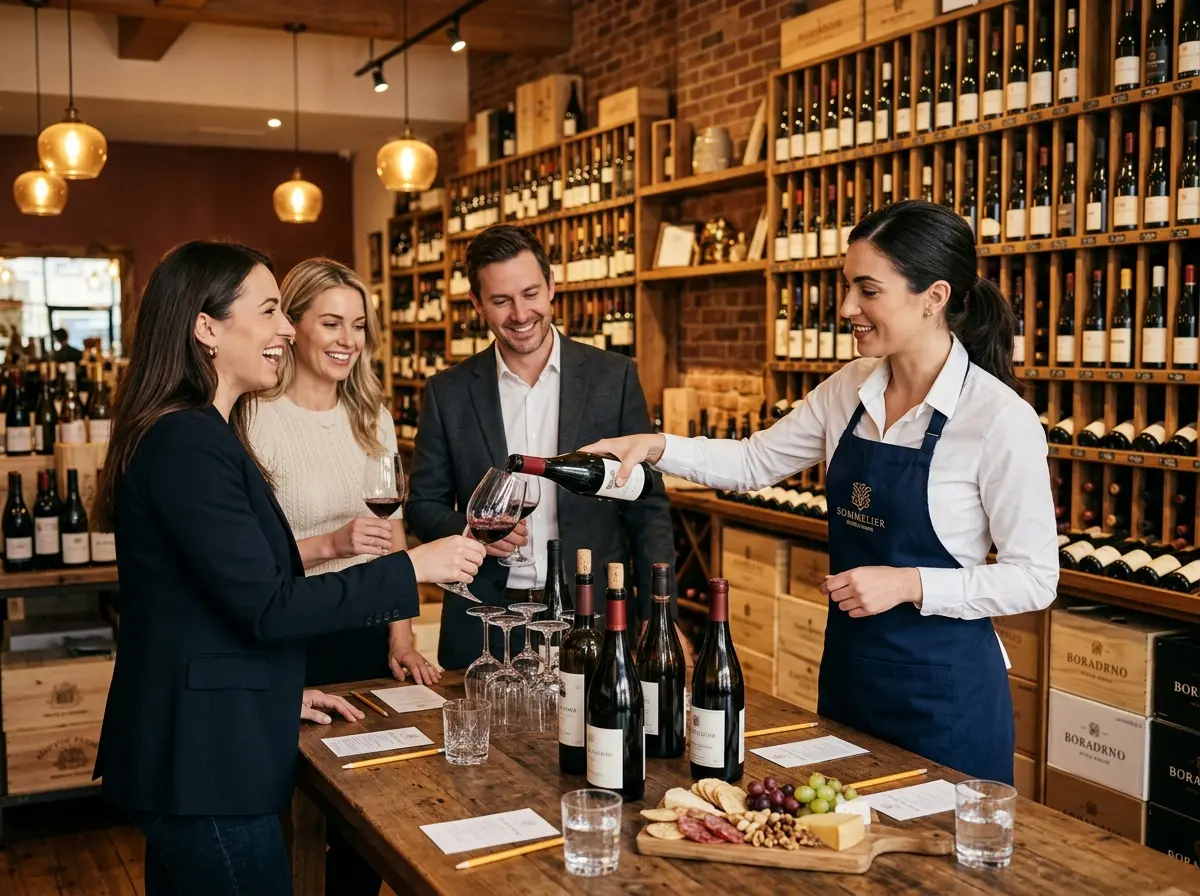
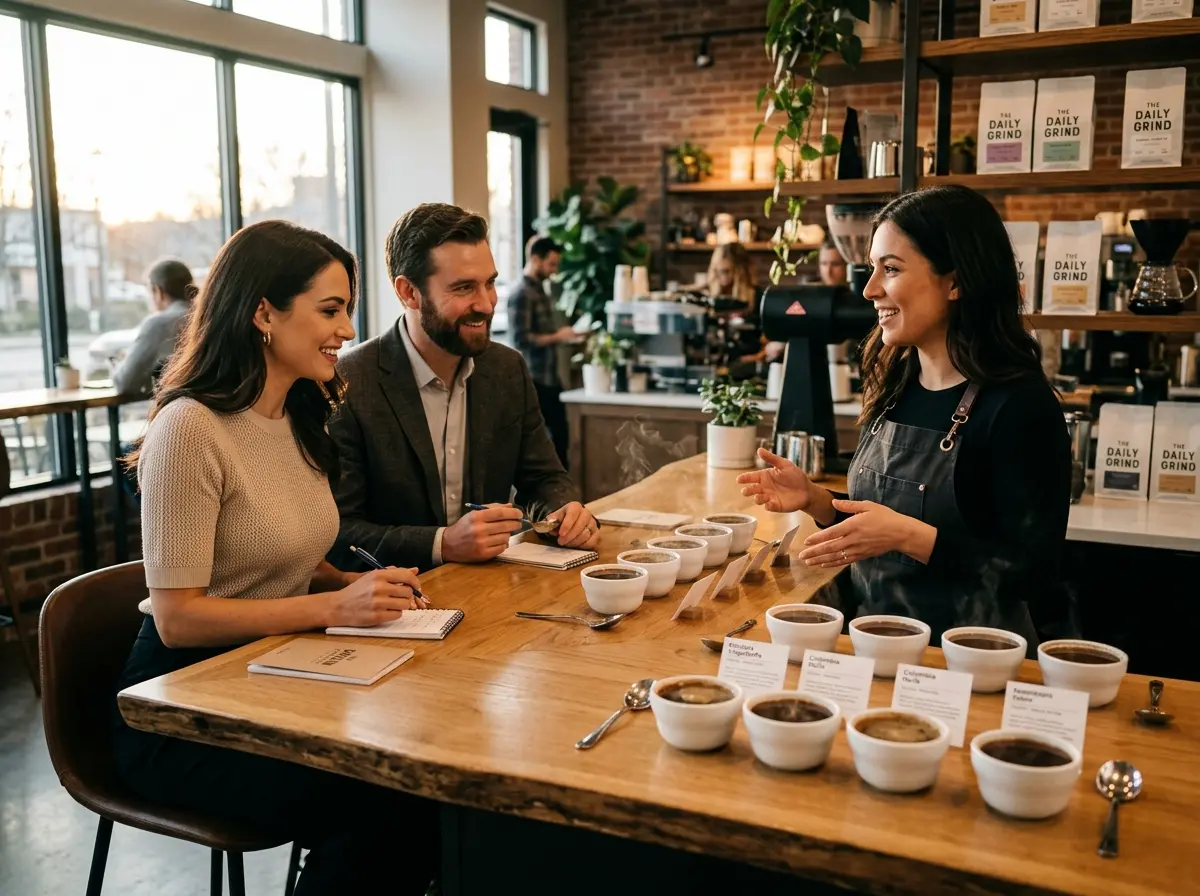
- Seated Flight Tastings: Small groups (4–8 people) taste three to five coffees side by side, guided by a knowledgeable host. This is intimate, educational, and ideal for regulars who want to go deeper.
- Origin Journeys: Feature coffees from a single country or region across different processing methods — washed, natural, honey — to showcase how terroir and technique interact. Perfect for curious customers who like a story arc.
- Brew Method Comparisons: The same coffee brewed via French press, pour-over, and espresso simultaneously. This one tends to blow minds and sells grinders.
- Monthly Subscription Tastings: A recurring event for your most loyal customers that features new arrivals, seasonal offerings, or limited-edition lots. This builds community and gives people a reason to keep showing up.
Start with one format. Master it. Then expand. Trying to offer five different tasting experiences before you've perfected one is a great way to burn out your staff and confuse your customers.
Build a Narrative, Not Just a Menu
The difference between a tasting and a memorable tasting is storytelling. Every coffee you feature should have a narrative arc: where it came from, who grew it, how it was processed, and what makes this particular lot extraordinary. A coffee from a third-generation farmer in Colombia who experiments with anaerobic fermentation isn't just a beverage — it's a character in a story your customer gets to be part of.
Prepare tasting cards for each coffee that include the origin, elevation, processing method, and two or three flavor notes. Keep the language approachable — "bright lemon acidity with a chocolate finish" lands better than "high citric acid concentration with cocoa-derived phenolic compounds." You're building enthusiasm, not conducting a chemistry lecture.
Train whoever hosts the experience to share these stories conversationally. The goal is to make customers feel like insiders, not students. When people feel like they've been let in on something special, they come back to feel that way again.
Set the Stage Intentionally
Environment matters enormously. A guided tasting held at a wobbly table near the bathroom while espresso machines scream in the background is technically a tasting, but it's not an experience. Designate a specific area of your shop for tastings — even if it's just four seats and a small counter — and make that space feel curated. Good lighting, clean surfaces, tasting cards, and water for palate cleansing signal to customers that this is something worth paying attention to. Because it is.
How Technology Can Take the Logistics Off Your Plate
Here's the part nobody tells you about running tasting events: the logistics can eat you alive if you let them. Registrations, follow-ups, promotional announcements, answering the same five questions about "what exactly is a natural process coffee" forty times a week — it adds up fast. This is where a little help from technology makes a meaningful difference.
Let Stella Handle Customer Engagement While You Focus on the Coffee
Stella, the AI robot employee and phone receptionist, is genuinely useful for specialty coffee shops running tasting programs. In-store, she can greet every customer who walks in and proactively mention upcoming tasting events, current single-origin offerings, or seasonal specials — without pulling your baristas away from the bar. She's essentially a tireless, knowledgeable front-of-house presence that never has an off day.
On the phone side, Stella answers calls 24/7, which matters more than you'd think. A surprising number of people will call to ask about your tasting schedule, pricing, or what to expect before they commit to attending. If those calls go to voicemail, you've lost them. Stella can answer those questions, collect customer information through conversational intake forms, and even help populate your CRM with the details you need to follow up and build relationships over time — all without a single staff member lifting a finger.
Turning First-Time Tasters Into Long-Term Loyalists
Getting someone through the door for a tasting is step one. Converting that experience into genuine, lasting loyalty is the whole game. This is where most coffee shops leave serious money on the table — they deliver a great experience and then do absolutely nothing to deepen the relationship.
Create a Post-Tasting Follow-Up System
After a tasting event, follow up. Seriously, just do it. A simple email or text that says "Thanks for joining us — here's a 10% discount on the Ethiopian natural we featured" is not complicated, and it works. According to research from Bain & Company, increasing customer retention by just 5% can increase profits by 25% to 95%. A well-timed follow-up after a positive experience is one of the lowest-effort, highest-return moves in your playbook.
Collect contact information during registration or check-in, and tag customers in your system based on which tasting they attended and what they seemed most excited about. When that same coffee restocks, or when you host a similar event, you know exactly who to reach out to. That level of personalization feels special to customers, and it's almost embarrassingly simple to execute when you have the right systems in place.
Build Tiered Loyalty Around Coffee Knowledge
Consider gamifying the tasting journey. Create a simple progression — "Coffee Explorer," "Origin Specialist," "Single-Origin Connoisseur" — that customers can move through by attending events, completing tasting flights, or reaching purchase milestones. Display their status on a card, a digital profile, or even just a handwritten note in their bag. People are surprisingly motivated by recognition and progression, and tying those rewards to coffee education reinforces exactly the behavior you want: customers who show up, learn more, and buy intentionally.
Use Social Proof to Amplify What You've Built
Your tasting attendees are a marketing asset hiding in plain sight. Encourage them to share their experience online by creating a visually compelling tasting setup worth photographing, and designating a small "photo moment" in your space — a beautiful coffee display, a chalkboard with tasting notes, or a striking pour. Offer a small incentive for tagging your shop in posts. User-generated content from genuinely enthusiastic customers is more persuasive than any ad you'll ever run, and it costs you almost nothing.
Quick Reminder About Stella
Stella is an AI robot employee and phone receptionist built for businesses like yours — she greets customers in-store, promotes your events and specials, and answers phone calls around the clock so nothing falls through the cracks. At just $99/month with no upfront hardware costs, she's the kind of team member who never calls in sick and never forgets to mention the tasting you've been promoting all week. For a specialty coffee shop building a loyalty-driven tasting program, she's a surprisingly practical addition to the operation.
Your Next Steps Start This Week
Building a guided tasting experience that drives loyalty isn't a six-month project — it's a series of small, deliberate actions that compound over time. Here's where to start:
- Pick one tasting format and schedule your first event within the next 30 days. Don't overthink it. Three coffees, eight seats, a good story.
- Write your tasting cards for the coffees you'll feature. Keep them approachable, specific, and human.
- Set up a simple registration process that collects customer contact information so you can follow up after the event.
- Plan your post-event follow-up before the event happens. Write the email now. Schedule it to send the day after.
- Consider how you're handling walk-in inquiries and phone calls about your tasting program, and make sure those touchpoints are as strong as the experience itself.
Specialty coffee is a relationship business dressed up as a beverage business. The shops that win long-term aren't just the ones with the best beans — they're the ones that make customers feel something, teach them something, and give them a reason to return. A well-crafted guided tasting experience does all three at once. Now go brew something worth talking about.