The Revolving Door Problem Nobody Wants to Talk About
Here's the uncomfortable truth: the retail industry has a turnover rate hovering around 60% annually — nearly triple the average across all industries. That's not just an HR headache. That's a financial drain. The cost of replacing a single retail employee can run anywhere from 50% to 200% of their annual salary when you factor in recruiting, onboarding, lost productivity, and the general chaos of being perpetually understaffed.
Building a Career Ladder That Doesn't Look Like a Stepstool
Define Clear Roles and Advancement Criteria
Start by mapping out distinct roles within your organization — even if you're a small operation. Think: Sales Associate → Senior Associate → Team Lead → Assistant Manager → Store Manager. Each level should have documented responsibilities, skill requirements, and measurable performance benchmarks. When an employee knows exactly what they need to achieve to earn a promotion, they have something to work toward. That clarity alone is more motivating than most perks you could throw at them.
Set Honest Timelines and Milestones
Nobody wants to be told "maybe in a year or two" with a shrug and a smile. Structured timelines matter. Consider setting 6-month and 12-month review checkpoints where career progress is explicitly discussed — not just performance feedback, but actual conversations about where the employee is headed and what they need to get there.
Invest in Skills Development
Advancement without skill-building is just a title change with extra stress. If you want your employees to take on more responsibility, you need to actively invest in their growth. This doesn't require a massive training budget. Consider cross-training employees across departments, having senior staff mentor newer hires, or subsidizing low-cost online courses in retail management, customer service, or visual merchandising.
Freeing Up Time for the Leadership Development That Actually Matters
Stop Letting Repetitive Tasks Steal Your Managers' Time
This is exactly where Stella can take some weight off your team's shoulders. Stella is an AI robot kiosk and phone receptionist that handles customer greetings, product and service questions, promotions, and 24/7 phone answering — so your human staff can focus on higher-value work. When your store floor isn't constantly pulling your team leads into basic customer service tasks, they actually have the bandwidth to develop the skills they need to grow. And when Stella is handling the phones, your managers aren't stuck playing receptionist between coaching conversations.
Creating a Culture Where Growth Feels Real — Not Just Promised
Recognize Progress Loudly and Often
Recognition is not a soft, feel-good extra. It's a retention strategy. According to Gallup, employees who feel recognized are 56% less likely to look for a new job. And yet, most retail managers recognize employees approximately never, unless something goes wrong.
Have Real Conversations About the Future
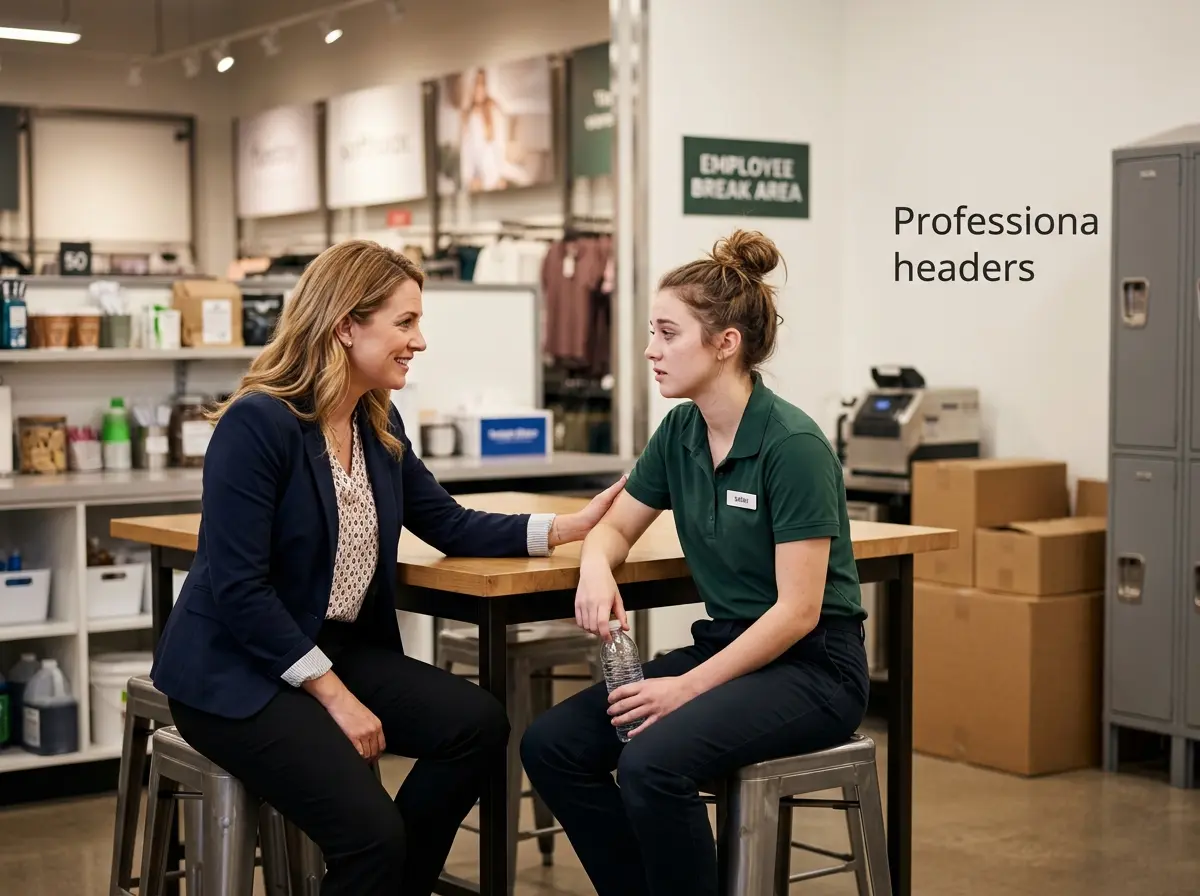
Career development conversations should not be a once-a-year checkbox during performance reviews. They should be regular, honest, two-way discussions about where your employees want to go and how you can help them get there. Ask questions like: "What part of this job do you enjoy most?" or "Is there a role in the business you'd love to learn more about?"
Some of your employees won't want to become managers — and that's completely fine. Not everyone wants to deal with scheduling headaches and inventory drama. For those employees, explore specialist tracks: a product expert role, a visual merchandising lead, a customer experience champion. Depth of expertise is a career path too, and recognizing that opens doors for employees who might otherwise feel like they've hit a ceiling.
Watch for Burnout Before It Becomes a Resignation Letter
Ambitious employees burn out when they're overloaded without being compensated with growth. If someone is taking on more responsibility because they want to advance — and months go by without any recognition, title change, or pay increase — resentment builds fast. Burnout is often the gap between effort invested and reward received.
A Quick Reminder About Stella
Stella is a human-sized AI robot kiosk and phone receptionist that works for businesses of all sizes — from single-location retail shops to multi-service providers. She greets customers in-store, answers questions, promotes deals, and handles phone calls around the clock, all for $99/month with no upfront hardware costs. If your team is stretched thin and you're trying to create space for real leadership development, having Stella handle the routine stuff is a genuinely practical place to start.
Stop Losing Your Best People to Someone Else's Career Path
- Map out your career levels — even just two or three tiers give employees something to aim for.
- Document the criteria for each advancement and share them transparently with your team.
- Schedule a career development conversation with your top performers in the next two weeks.
- Identify one skill-building opportunity you can offer right now — a cross-training rotation, a management shadowing session, or even a free online course.
- Look at where your team's time is going — if routine tasks are eating into development time, explore tools like Stella to reclaim those hours.