You're Leaving Money on the Table — And You Might Not Even Know It
Here's a scenario that plays out at med spas every single day: A new client books a simple lip filler appointment. She comes in, gets her lips done, pays, and leaves. That's it. No mention of the skin laxity you noticed around her jawline. No conversation about the Botox special you're running this month. No follow-up plan. She walks out the door, and so does several hundred dollars in potential revenue.
Sound familiar? The problem isn't your services — they're probably excellent. The problem is that without a structured pre-service consultation protocol, you're essentially running a reactive business when you could be running a proactive one. A well-designed intake and consultation process doesn't just collect information — it educates clients, builds trust, surfaces needs they didn't know they had, and yes, increases treatment uptake in a way that feels helpful rather than salesy.
The good news is that building this kind of protocol isn't rocket science (or even cosmetic surgery). It's a combination of smart process design, the right questions, and a little technology to make it all run smoothly. Let's break it down.
Building the Foundation of Your Consultation Protocol
Before you can improve treatment uptake, you need to understand what a pre-service consultation is actually supposed to accomplish. It's not just paperwork. It's the first real clinical and commercial conversation you have with a client — and it sets the tone for everything that follows.
Define the Goals of Your Intake Process
Your pre-service consultation should accomplish at least three things simultaneously: gather the clinical information your providers need to treat safely, establish a relationship of trust and expertise with the client, and open the door to a broader conversation about the client's aesthetic goals. That last part is where most med spas fall short.
Too many intake forms ask about allergies and medications, then stop there. That's necessary, but it's not sufficient. Add questions like "What areas of your face or body are you most self-conscious about?" or "Are there any treatments you've been curious about but haven't tried yet?" These questions invite clients to tell you what they want — and then it's simply your job to help them get there.
Standardize the Consultation Across Your Team
If your consultation quality depends entirely on which provider happens to be working that day, you have a consistency problem. Your highest-performing injector might naturally walk every client through a full facial assessment. Your newest hire might stick strictly to the booked service and nothing else. That inconsistency directly impacts your revenue.
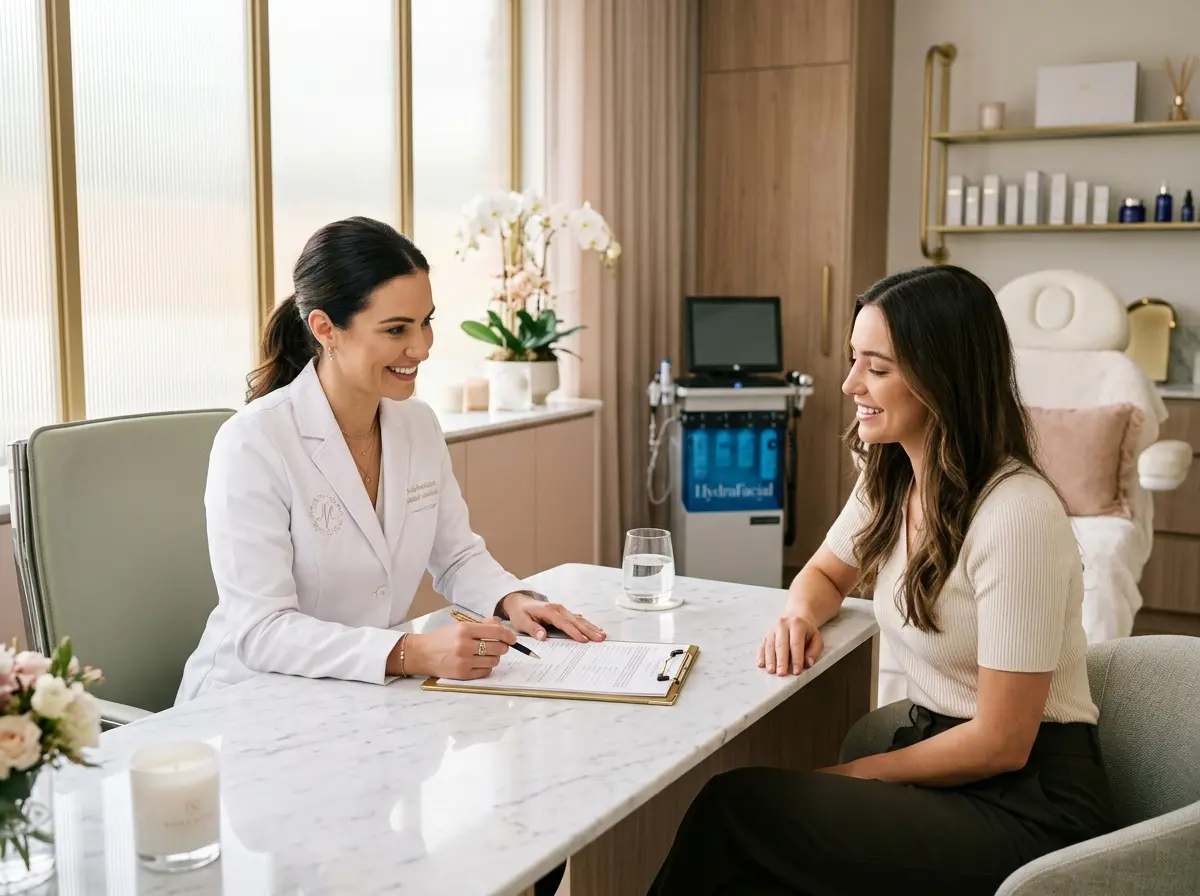
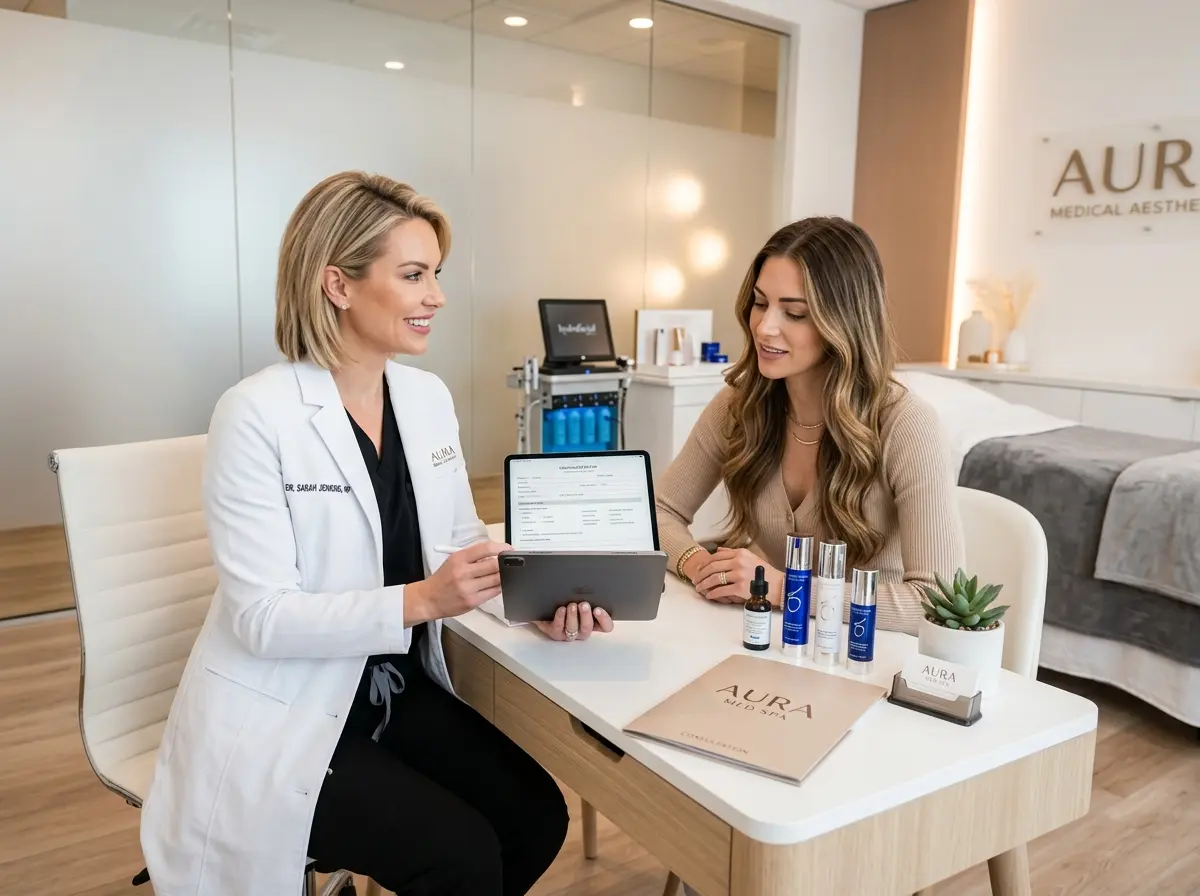
Create a consultation checklist or script that every provider follows before beginning treatment. It doesn't need to be robotic — experienced providers can deliver it conversationally — but the key touchpoints should be non-negotiable. This includes reviewing the intake form together with the client, asking about their long-term aesthetic goals, and briefly mentioning any relevant services or promotions that apply to their situation. According to industry data, clients who receive a structured consultation are significantly more likely to book additional services within the same visit or within 30 days.
Use Pre-Appointment Intake to Prime the Conversation
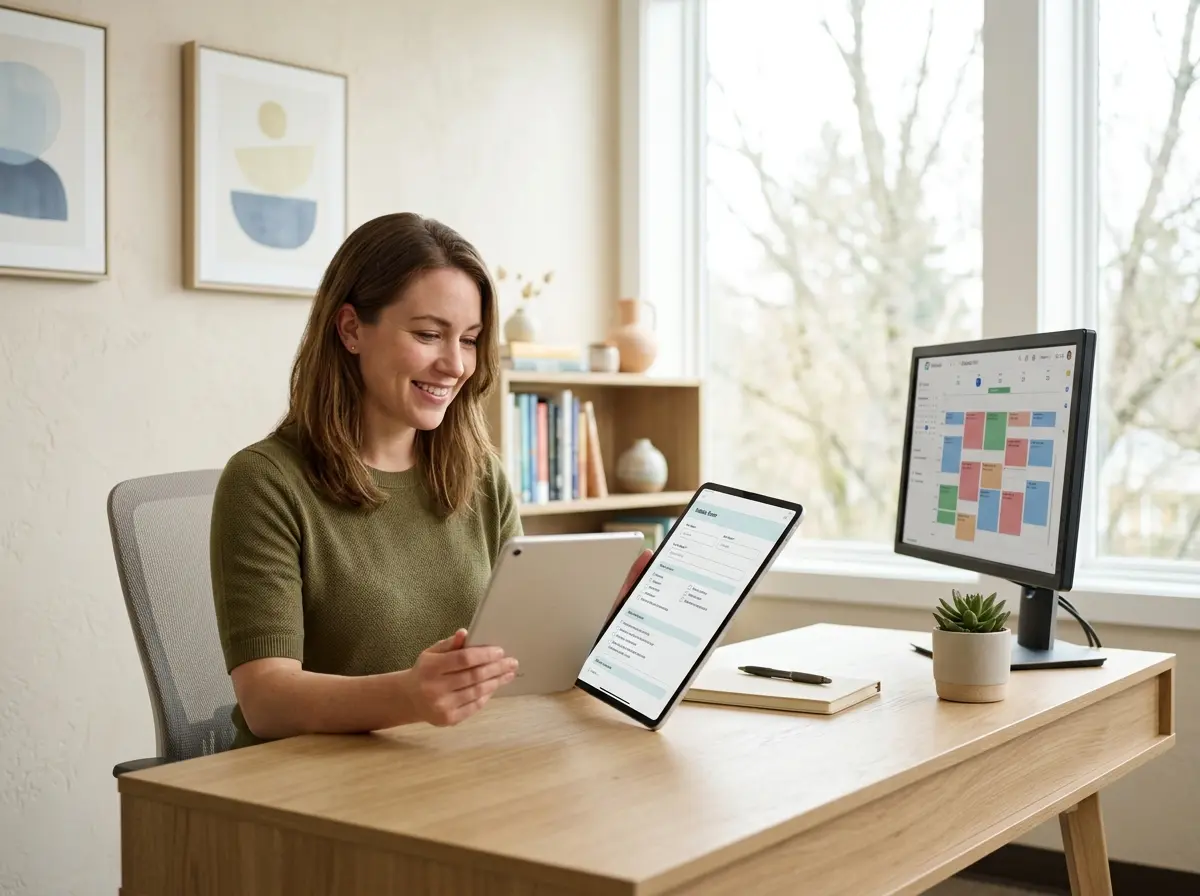
Don't wait until the client is sitting in your treatment chair to start the consultation. Send a digital intake form before their appointment that goes beyond basic health history. Ask about their skincare routine, their treatment history, their goals, and their budget comfort level. When a client has already thought about these things before arriving, your in-person consultation becomes a continuation of a conversation rather than a cold start — and that makes upselling feel natural rather than pushy.
Leveraging Technology to Streamline Intake and First Impressions
Here's where things get interesting — and a little futuristic. One of the biggest friction points in pre-service consultations is the administrative side: collecting information, answering pre-appointment questions, and making sure clients arrive prepared. This is exactly where Stella, the AI robot employee and phone receptionist, can genuinely move the needle for med spa owners.
Automate Intake Collection and Client Communication
Stella handles conversational intake forms through phone calls, your website, or her in-store kiosk — collecting client information in a natural, friendly way and storing it directly in her built-in CRM with custom fields, tags, and AI-generated client profiles. That means by the time a client walks through your door, your team already has a completed intake profile waiting for them. No clipboards, no scrambling, no half-filled PDFs. And because Stella answers phones 24/7, prospective clients can ask questions about your services, pricing, and what to expect — even at 11pm on a Sunday — which means they arrive better informed and more ready to say yes.
Training Your Team to Turn Consultations Into Conversions
Technology and protocols only go so far. At the end of the day, your providers and front desk staff are the ones who turn a consultation into a booked treatment — and that requires both the right mindset and the right skills.
Teach Providers to Listen for "Aesthetic Triggers"
An aesthetic trigger is any comment a client makes that signals a concern, insecurity, or goal — even if they're not explicitly asking for treatment. "I've been so tired lately" might be an opening to discuss under-eye treatments. "I hate how my skin looks in photos" could lead to a conversation about texture and tone. "I'm going to my daughter's wedding in three months" is practically a standing invitation to build a full pre-event treatment plan.
Train your providers to listen actively during consultations and to gently reflect these comments back. Something as simple as "You mentioned the wedding — would you like me to walk you through what we could realistically accomplish in that timeframe?" turns a passing comment into a booked service. This isn't manipulation — it's attentive, client-centered care that happens to also grow your revenue.
Overcome Hesitation With Education, Not Pressure
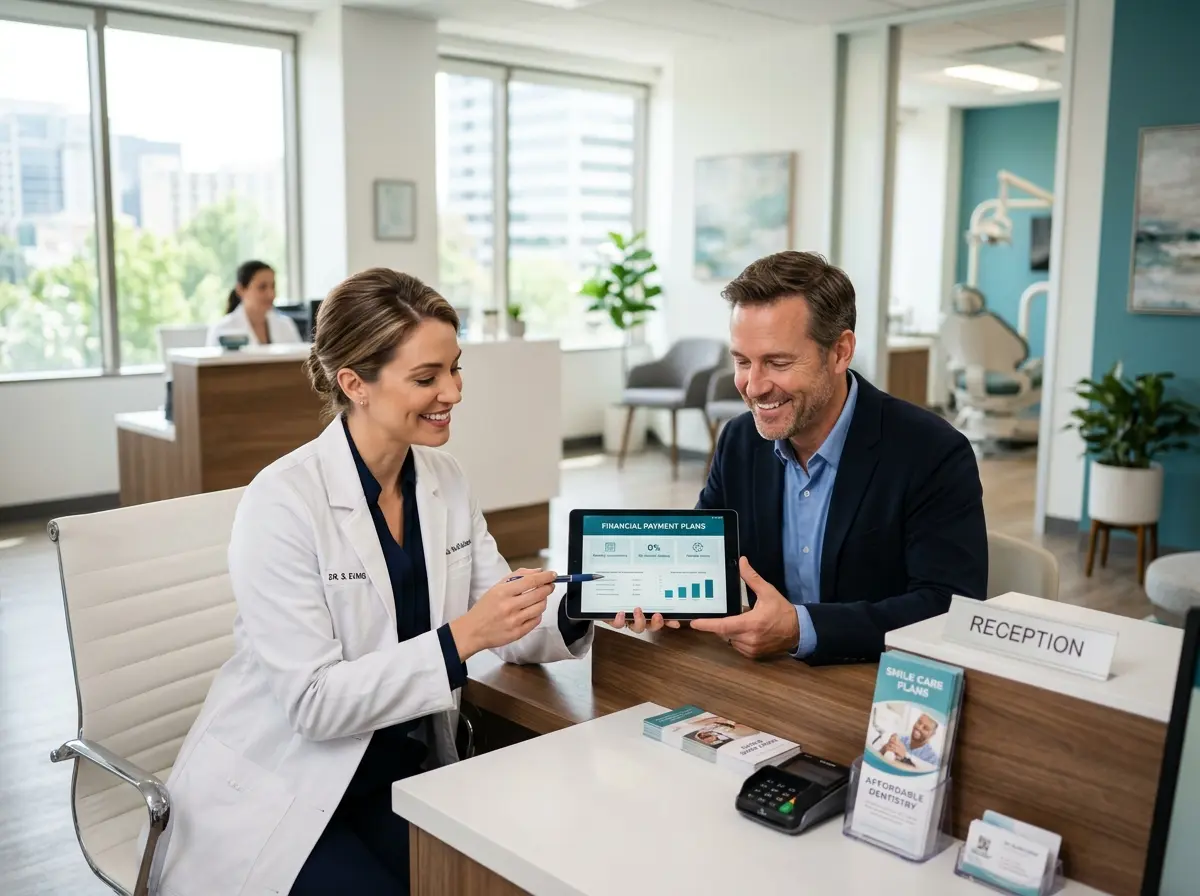
One of the most common reasons clients don't add on services isn't price — it's uncertainty. They don't know how a treatment works, whether it's right for them, or what the recovery looks like. Your consultation is the perfect moment to remove that uncertainty. Keep before-and-after books or a tablet with treatment videos in your consultation area. Normalize the idea of trying new things by framing recommendations as professional observations rather than sales pitches.
The phrase "Based on what you've told me about your goals, I think you'd be a great candidate for X — would you like me to tell you more about it?" is far more effective than leading with price or availability. When clients feel educated rather than sold to, their resistance drops considerably.
Follow Up After Every Appointment
The consultation doesn't end when the treatment does. A structured post-appointment follow-up — even a simple text or email 48 hours after a service — serves multiple purposes. It shows you care about results, opens the door for rebooking, and is the ideal moment to mention the service you recommended during the consultation but that the client didn't book that day. A gentle "Just checking in — how are you feeling after your treatment? And don't forget, we also talked about trying X — here's a link to learn more" has converted more hesitant clients than any in-person pitch.
Quick Reminder About Stella
Stella is an AI robot employee and phone receptionist built for businesses like yours — she greets clients at your kiosk, answers calls around the clock, collects intake information, manages your CRM, and promotes your services without ever needing a coffee break. At $99/month with no upfront hardware costs, she's one of the easiest ways to add a professional, consistent presence to your front-of-house operation.
Your Next Steps Toward More Bookings and Bigger Tickets
If you take nothing else from this article, take this: a consultation protocol is not a nice-to-have — it's a revenue system. Every unstructured intake appointment is a missed opportunity to understand your client more deeply, recommend a treatment that could genuinely improve their results, and build the kind of long-term relationship that keeps them coming back year after year.
Here's where to start this week:
- Audit your current intake form. Does it ask about goals, not just health history? If not, revise it today.
- Create a provider consultation checklist with 5–7 non-negotiable touchpoints that apply to every appointment.
- Identify your top three "missed upsell" moments from the past month and build specific language around how to address them going forward.
- Set up a post-appointment follow-up sequence — even a basic one — for all new clients.
- Consider automating your intake collection so your team can focus on the conversation, not the clipboard.
The med spa market is competitive, and clients have options. What keeps them choosing your practice — and spending more when they do — is a team that makes them feel genuinely seen, professionally guided, and consistently cared for. A great pre-service consultation protocol is how you make that happen, every single appointment, without relying on luck or the mood of whoever happens to be working the front desk that day.
Build the system. Train the team. Let the technology handle the rest. Your revenue will thank you.