Introduction: The Quiet Revenue Killer Hiding in Plain Sight
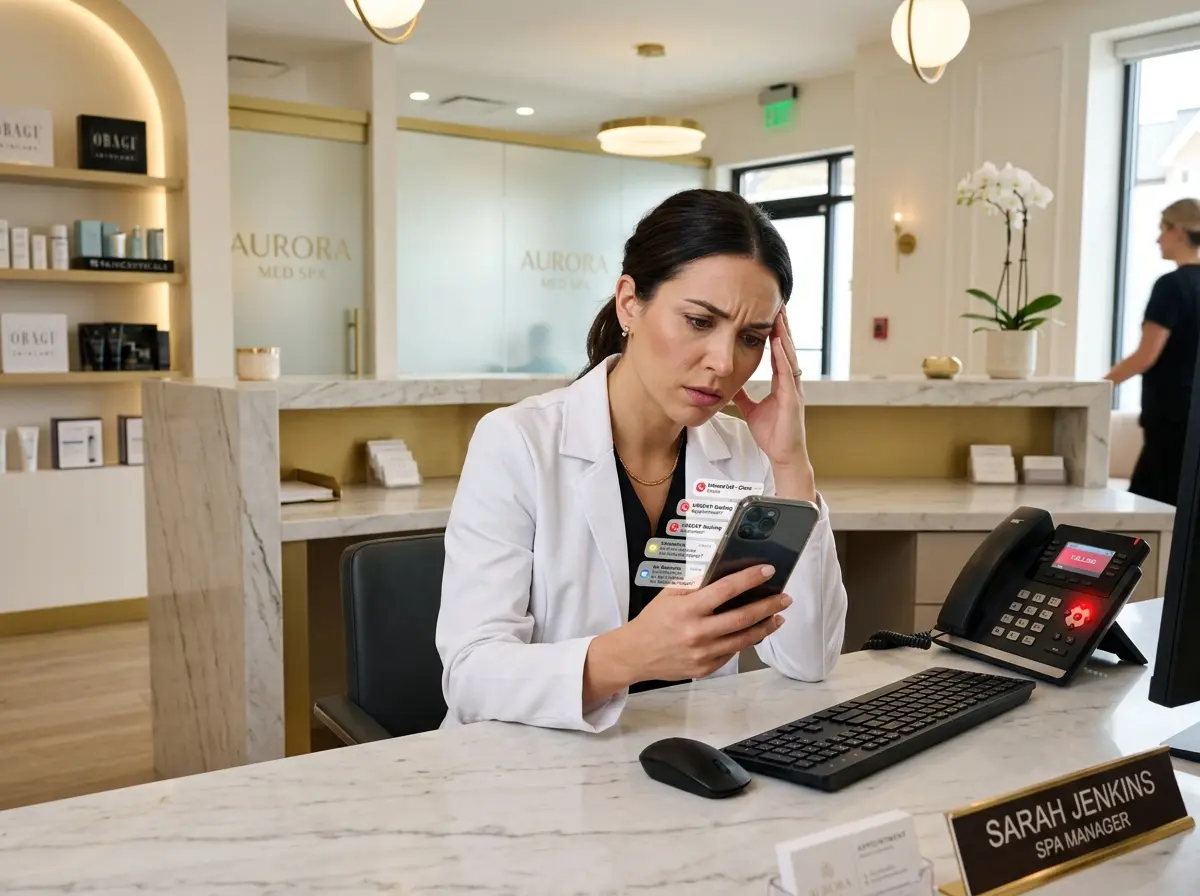
Let's set the scene. A client walks into your med spa, gets a lovely hydrafacial, tips generously, says "I'll definitely be back!" — and then vanishes into the ether, never to return. Meanwhile, you're spending marketing dollars trying to attract new clients when the ones you already won over are quietly slipping away. Sound familiar?
The frustrating part is that most of the time, you never find out why they left. Maybe they had a lukewarm experience they didn't mention. Maybe they didn't know you offered the exact service they ended up booking elsewhere. Or maybe — brace yourself — they just didn't feel remembered. Client churn in the med spa industry is a real and expensive problem. Studies suggest that acquiring a new customer costs five times more than retaining an existing one. Five times. That's a lot of money to spend when a simple, well-timed feedback survey might have saved the relationship entirely.
The good news? A thoughtful client feedback survey isn't just a tool for collecting complaints. When designed correctly, it's a revenue-generating machine that helps you identify upsell opportunities, flag at-risk clients before they ghost you, and make every single person feel seen. Here's how the smartest med spas are using them — and how you can too.
Designing a Feedback Survey That Actually Does Something
Ask Questions That Reveal Intent, Not Just Satisfaction
Most feedback surveys are basically a digital shrug. "How was your experience today? Rate us 1–5. Thanks, bye." That's not a survey — that's a formality. If you want your survey to surface upsell opportunities and predict churn, you need to ask questions that reveal what your client is actually thinking, planning, and hoping for.
Instead of asking "Were you satisfied with your service?" try asking "Did you learn about any other treatments you're curious about?" or "Is there a skin or body concern we haven't addressed yet?" These questions invite clients to essentially tell you what they want to buy next. You're not pushing — you're listening. There's a big difference, and clients can feel it.
You should also include at least one forward-looking question, like "When are you thinking about coming back?" Someone who says "in the next two weeks" is a warm lead. Someone who says "I'm not sure" is a churn risk. That one question just segmented your client list for you.
The Magic of the NPS Question — And What to Do After It
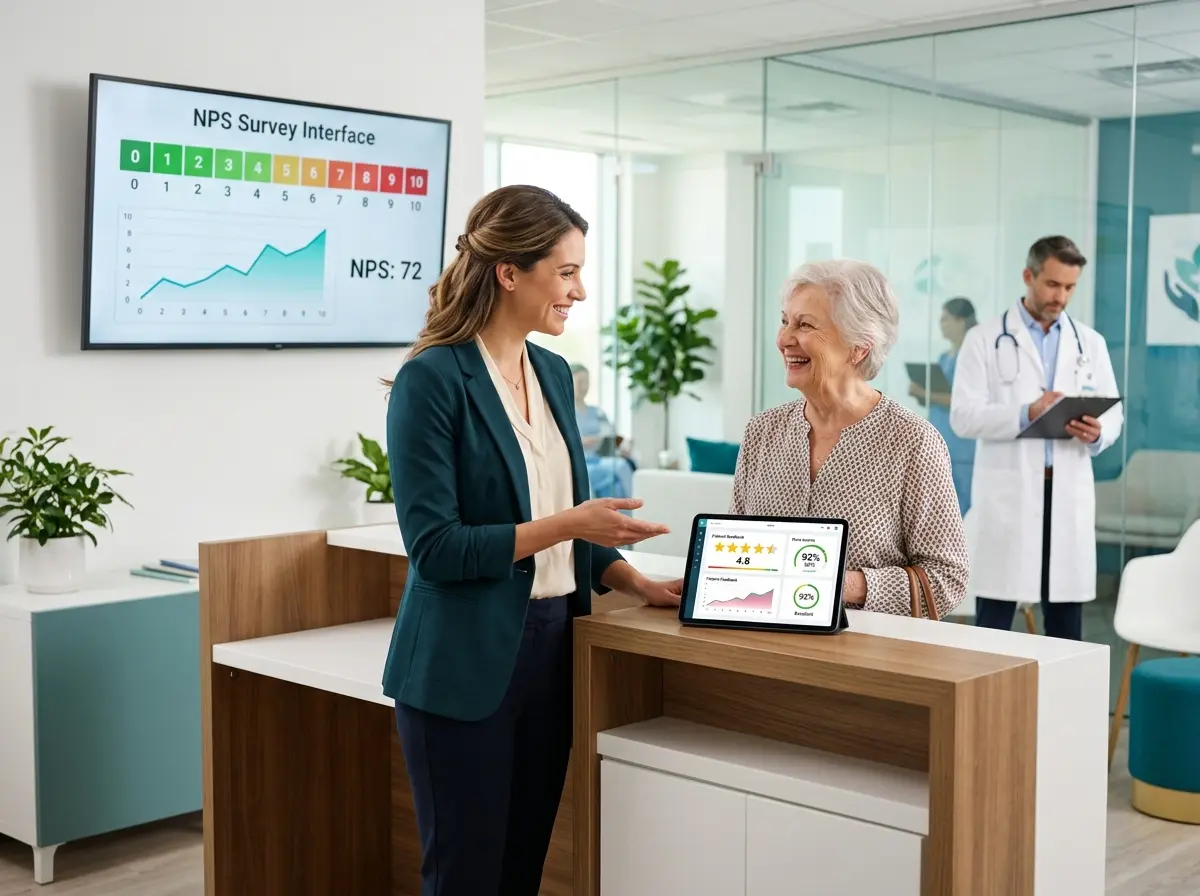
The Net Promoter Score question ("On a scale of 0–10, how likely are you to recommend us to a friend?") has earned its reputation. It's simple, it's standardized, and it tells you a lot. But here's where most med spas drop the ball: they collect the score and do nothing with it.
Your NPS response should trigger a workflow. A client who scores you a 9 or 10 should immediately receive a gentle nudge to leave a Google review or refer a friend — ideally with a small incentive like a discount on their next add-on. A client who scores you a 6 or lower should trigger an internal alert to a staff member for a personal follow-up. That follow-up call or message, done warmly and without defensiveness, can turn a frustrated client into a loyal one. It shows you care enough to actually respond, which is rarer than it should be.
Timing and Delivery: When and How You Send It Matters
A feedback survey sent three weeks after an appointment is basically archaeological research at that point. The client has moved on. Send your survey within 24 hours of the appointment — ideally within a few hours — when the experience is fresh and emotions are still engaged. Automated text message delivery consistently outperforms email for response rates in service-based industries, often achieving open rates north of 90%.
Keep the survey short. Three to five questions is ideal. If your survey takes longer than two minutes to complete, you've already lost half your respondents. Think of it less like a questionnaire and more like a friendly follow-up conversation. The tone should match your brand — warm, professional, and human.
Using Technology to Automate Follow-Up and Flag Opportunities
Let Automation Do the Heavy Lifting
Once your survey data starts coming in, the real work begins — and that's where most small med spas hit a wall. Manually reviewing responses, flagging at-risk clients, sending personalized follow-ups, and logging notes into a CRM is a full-time job on its own. This is exactly where smart automation tools become genuinely useful rather than just trendy.
Stella, the AI robot employee and phone receptionist, is one example of technology that can support this kind of client management work. Her built-in CRM allows you to store custom fields, tags, and notes on each client — so when a survey flags that a client is curious about laser treatments but has never booked one, that information can live in her profile and inform every future interaction. Stella can also handle intake through conversational forms, whether during a phone call, at her in-store kiosk, or on the web, making it easy to capture client preferences and interests without burdening your staff. When a client calls to book their next appointment, Stella already knows what they've expressed interest in and can mention it naturally — no scripted sales pitch required.
Turning Survey Data Into a Retention and Upsell Strategy
Segment Your Clients Based on Responses
Not every client is in the same place in their journey with your spa, and your follow-up strategy shouldn't treat them as if they are. Once you have survey data, use it to segment your client list into meaningful groups. Clients who mentioned interest in a specific treatment but haven't booked it are a warm upsell list — send them targeted content or a limited-time offer on that exact service. Clients who gave you a low satisfaction score need a personal outreach, not a promotional email. Clients who said they're planning to return soon are ideal candidates for a rebooking prompt or a loyalty reward.
Segmentation doesn't have to be complicated. Even a simple three-tier system — happy and engaged, satisfied but passive, and at-risk — gives you a framework for prioritizing your outreach and allocating your follow-up resources wisely.
Build a Monthly Review Ritual Around Your Feedback Data
Data is only useful if someone actually looks at it. Build a simple monthly ritual where you or your manager reviews the previous month's survey responses and asks a few key questions: Which services generated the most curiosity questions? Which staff members received the most positive mentions? What complaints came up more than once? What percentage of respondents gave you a 9 or 10?
These answers should inform real decisions — what to promote next month, where to invest in training, which services might deserve a package deal. Over time, your survey data becomes a living map of what your clients want, what's working, and where the gaps are. That's not just useful for retention. That's a competitive advantage.
Create Upsell Pathways Based on Common Survey Themes
If you start noticing that a significant number of clients mention interest in combination treatments — say, pairing a chemical peel with LED therapy — that's your cue to build a package around it and promote it specifically. Survey data is one of the most underused sources of product development insight in the med spa industry. Your clients are essentially telling you what to sell them. The least you can do is listen.
Create two or three clearly defined upsell pathways based on your most common service combinations and client interest themes. Train your front desk to mention them naturally during checkout or rebooking. Feature them in your email campaigns. Over time, these pathways will become second nature — both for your team and for clients who come to associate your spa with a certain level of personalized, thoughtful care.
Quick Reminder About Stella
Stella is an AI robot employee and phone receptionist available for just $99/month with no upfront hardware costs. She greets clients at your physical location, answers phone calls around the clock, promotes your services and specials, and manages client information through her built-in CRM — all without breaks, bad days, or turnover. If you're looking for a reliable, professional presence that supports both your front desk and your client management efforts, she's worth a serious look.
Conclusion: The Survey Is the Start, Not the Finish
A well-designed client feedback survey is one of the highest-ROI tools a med spa can deploy — but only if you actually use what it tells you. The goal isn't to collect data for the sake of looking organized. The goal is to understand your clients well enough to serve them better, retain them longer, and grow their lifetime value without resorting to aggressive sales tactics that feel out of place in a wellness environment.
Here's your action plan: Start with a short, three-to-five question survey sent within hours of each appointment. Include at least one intent-revealing question, one NPS question, and one forward-looking question. Build automated follow-up workflows triggered by response categories. Review your data monthly. Create upsell pathways based on what you learn. And invest in tools — whether that's a CRM, an AI assistant, or both — that help you act on insights without burying your staff in administrative work.
Your clients want to feel known. Your business needs them to come back. A thoughtful feedback survey, executed consistently, bridges that gap better than almost anything else you can do. So stop leaving that conversation to chance — and start having it on purpose.