So, You Want to Stand Out as a Local Service Business?
Let's be honest — the local service business landscape is crowded. Whether you're running a salon, a gym, a law firm, or an auto shop, you're competing with a dozen other businesses within a five-mile radius who do essentially the same thing you do. So how do you cut through the noise without spending a fortune on ads or selling your soul to the algorithm gods?
Enter: podcast marketing. Yes, podcasts — the medium that everyone said was "oversaturated" five years ago and yet somehow keeps growing. According to Edison Research, over 135 million Americans listen to podcasts monthly. That's not a niche audience. That's your customers, sitting in their cars during their commute, nodding along to content that sounds exactly like what you could be producing.
The best part? Most local service businesses aren't doing this. Which means if you start now, you're not late — you're early. This guide walks you through a practical podcast marketing strategy designed specifically for local service business owners who want to build trust, attract better clients, and finally stand out in a sea of "same."
Building Your Podcast Foundation the Right Way
Finding Your Angle (Because "General Business Podcast" Is a Snooze)
The number one mistake local business owners make when launching a podcast is trying to appeal to everyone. A plumber who starts a podcast called "Business and Life Tips" will attract exactly zero loyal listeners. But a plumber who starts "The Homeowner's Survival Guide" — covering seasonal maintenance, spotting scams, when to DIY and when to call a pro — suddenly has a niche, an audience, and a reason for people to trust them before they ever pick up the phone.
Your podcast angle should sit at the intersection of your expertise and your ideal customer's burning questions. Think about what your customers ask you every single day. Those questions? That's your content calendar. A spa owner might cover stress management and self-care rituals. A family law attorney might demystify the legal process for nervous clients. An auto shop owner might explain what that mysterious dashboard light actually means. Your specialized knowledge is genuinely valuable — package it accordingly.
The Gear, the Format, and the Commitment
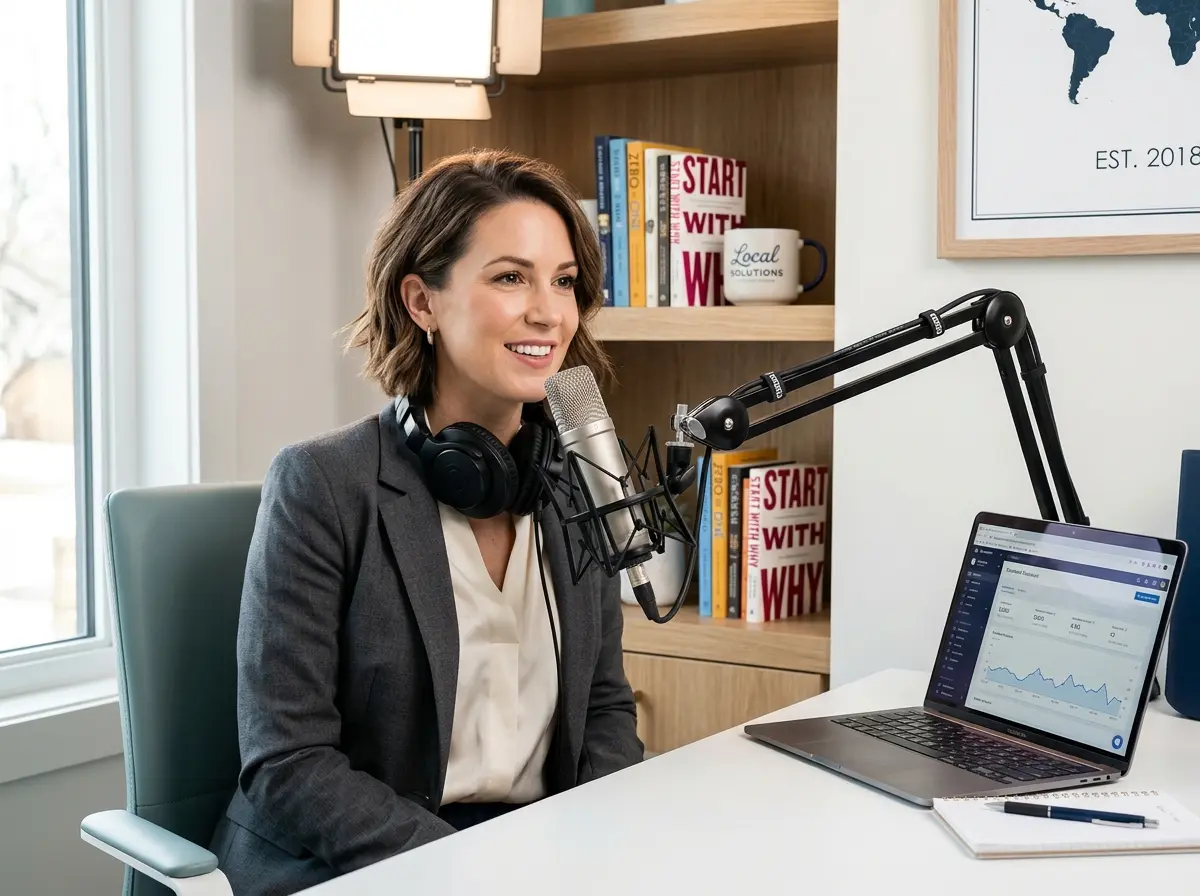
Here's some good news: you don't need a professional recording studio or a $2,000 microphone setup to launch a credible podcast. A solid USB microphone (the Audio-Technica ATR2100x runs about $79), a quiet room, and free recording software like Audacity or GarageBand will get you further than you think. Spotify for Podcasters (formerly Anchor) offers free hosting and distribution to all major platforms.
As for format, keep it simple to start. Solo episodes of 15–25 minutes work well for busy local business owners because they're easy to produce and easy to consume. Once you're comfortable, bring in guests — local vendors, complementary business owners, or even happy customers. Interview-style content builds community and naturally expands your reach when guests share their episodes. Commit to a realistic publishing schedule — bi-weekly is far more sustainable than weekly if you're also, you know, running an actual business.
Getting Your Podcast in Front of Local Ears
Distribution is where most podcasters drop the ball. Recording the episode is only half the job. For local service businesses specifically, the strategy is a little different from big national shows. You're not chasing global downloads — you're chasing local trust. Promote your episodes heavily on your Google Business Profile, in your email newsletter, and across your social media channels with short audiogram clips. Partner with other local businesses or community organizations for cross-promotion. Sponsor a local Facebook group or neighborhood newsletter and mention your podcast there.
Also worth noting: your podcast content can be repurposed endlessly. Each episode becomes a blog post, a handful of social media posts, a short YouTube video, and an email to your list. One recording session, multiple content assets. Now that's working smarter.
While You're Busy Recording, Who's Answering the Phone?
The Hidden Cost of Growing Your Visibility
Here's an irony that local business owners don't see coming: the more successful your podcast marketing becomes, the more inbound calls and inquiries you'll receive — often at the worst possible times. You're mid-recording, you're with a client, it's 9 PM on a Tuesday, and your phone is ringing. Miss enough of those calls and all that podcast-built trust evaporates the moment someone gets your voicemail for the third time.
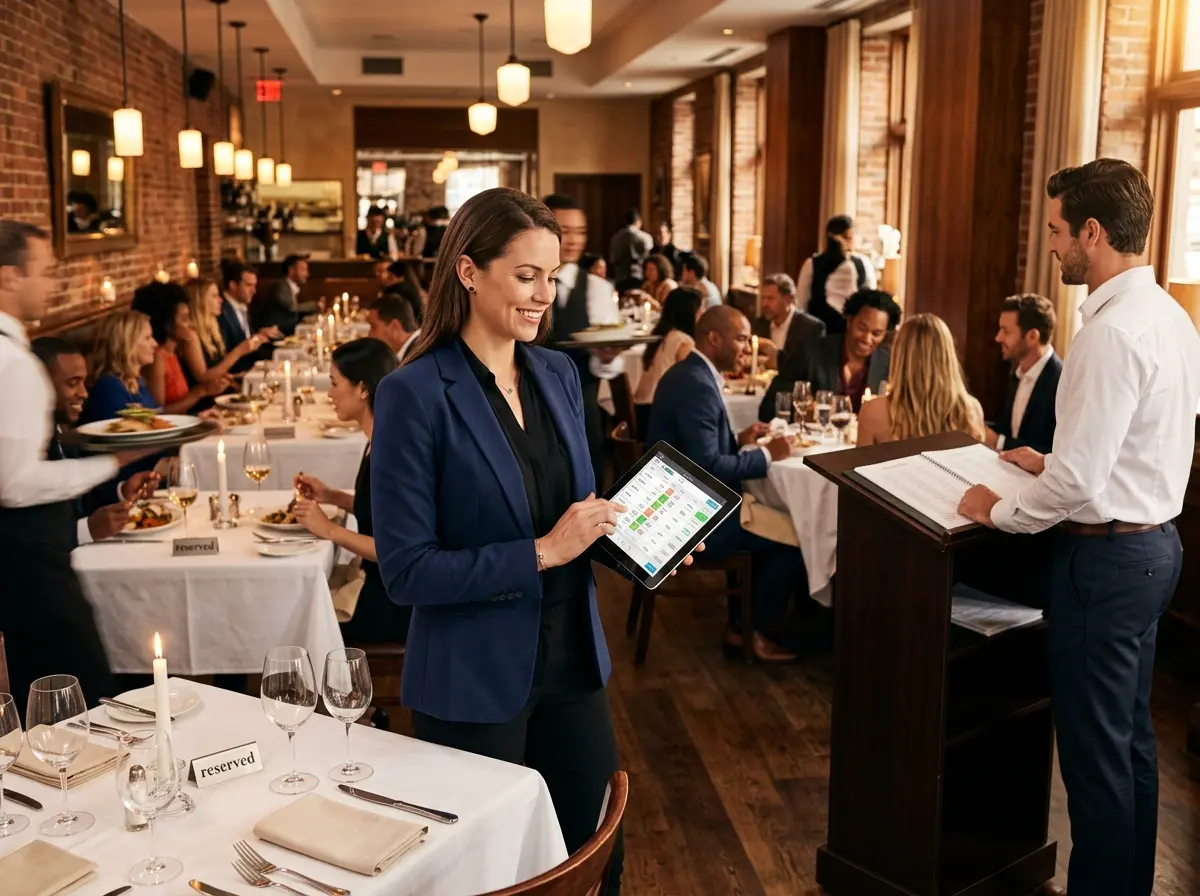
This is where Stella earns her keep. Stella is an AI robot employee and phone receptionist that answers calls 24/7 with the same knowledge and professionalism you'd expect from your best staff member — without the breaks, the sick days, or the turnover. She can answer questions about your services, collect customer information through conversational intake forms, promote your current offers, and forward calls to human staff when needed. For businesses with a physical location, she also stands in-store as a kiosk, greeting walk-in customers and engaging them proactively — so no opportunity walks out the door while you're heads-down in your business. As your podcast drives more traffic both online and through your door, Stella makes sure every lead is captured, every question is answered, and every first impression is a good one.
Turning Podcast Listeners Into Paying Local Customers
Creating a Clear Listener-to-Client Pathway
A podcast without a conversion strategy is just a hobby. If you want your podcast to actually grow your business, you need a deliberate pathway that moves a listener from "casual fan" to "booked appointment." This starts with a compelling call to action in every episode — not a generic "follow us on social media," but something specific and valuable. Offer a free consultation, a downloadable checklist, a first-visit discount, or a free resource that requires them to visit your website or call your office.
Create a simple landing page dedicated to your podcast listeners. Something like yourbusiness.com/podcast that offers an exclusive deal and an easy way to book. Track conversions from this page so you can actually measure your podcast's business impact. This isn't rocket science — it's just closing the loop between content and commerce.
Leveraging Reviews, Referrals, and Community Authority
One of the most underrated benefits of podcast marketing for local businesses is what it does to your reputation over time. When you consistently show up as a knowledgeable, approachable expert in your field, people talk about you. They recommend you at dinner parties. They tag you when someone asks for a referral on the neighborhood Facebook group. They leave better Google reviews because they feel like they already know you.
Encourage listeners to leave reviews on Apple Podcasts or Spotify — social proof on podcast platforms builds credibility just like it does on Google. Feature listener questions in your episodes to create a sense of community. Give a shoutout to a local business or loyal customer in each episode. Small gestures like these compound into a genuinely loyal local audience that converts into customers at a much higher rate than cold advertising ever will. According to Nielsen, 92% of consumers trust recommendations from people they know — and a podcast that makes listeners feel like they know you is as close as marketing gets to word-of-mouth at scale.
Measuring What Actually Matters
Podcast analytics can feel underwhelming at first — especially when you're comparing yourself to shows with millions of downloads. Resist that temptation. For a local service business, 200 loyal listeners in your community is worth infinitely more than 10,000 passive listeners scattered across the country. Track the metrics that matter to your goals: website traffic from podcast links, landing page conversions, new customer mentions of your podcast during intake, and overall inbound inquiry growth month over month.
Set a 90-day benchmark before you judge your results. Podcasting is a long game, but it's a game where consistent, patient players win decisively over those chasing viral moments.
Quick Reminder About Stella
Stella is an AI robot employee and phone receptionist built for businesses like yours — she greets customers in-store, answers calls around the clock, promotes your offers, and captures leads through conversational intake forms, all for just $99/month with no upfront hardware costs. As your podcast grows your visibility and drives more traffic to your business, Stella ensures that every new inquiry is handled professionally and nothing falls through the cracks. Think of her as the reliable front-of-house presence that lets you focus on running — and recording — your business.
Your Next Steps Start This Week
Podcast marketing is one of the most underutilized tools available to local service business owners today, and the window of low competition won't stay open forever. The businesses that start now — with a clear niche, consistent content, and a real conversion strategy — will have built a commanding local authority presence by the time everyone else catches on.
Here's what to do this week to get started:
- Define your podcast angle by listing the top 10 questions your customers ask you most often. That's your first season of content.
- Set up your basic recording setup — a decent USB mic, free hosting on Spotify for Podcasters, and a quiet room is genuinely all you need to begin.
- Create a simple listener landing page with an exclusive offer to convert curious listeners into booked clients.
- Commit to a publishing schedule you can actually keep — bi-weekly is better than ambitious-then-abandoned.
- Make sure your phones and front-of-house are covered so the new business your podcast generates actually lands somewhere instead of going to voicemail.
Standing out as a local service business doesn't require a massive marketing budget or a celebrity endorsement. It requires showing up consistently, providing real value, and making it easy for people to trust you before they ever walk through your door. A podcast does all three. Now go hit record.