Introduction: Because Your Senior Patients Deserve More Than a "Good Luck" and a Wave Goodbye
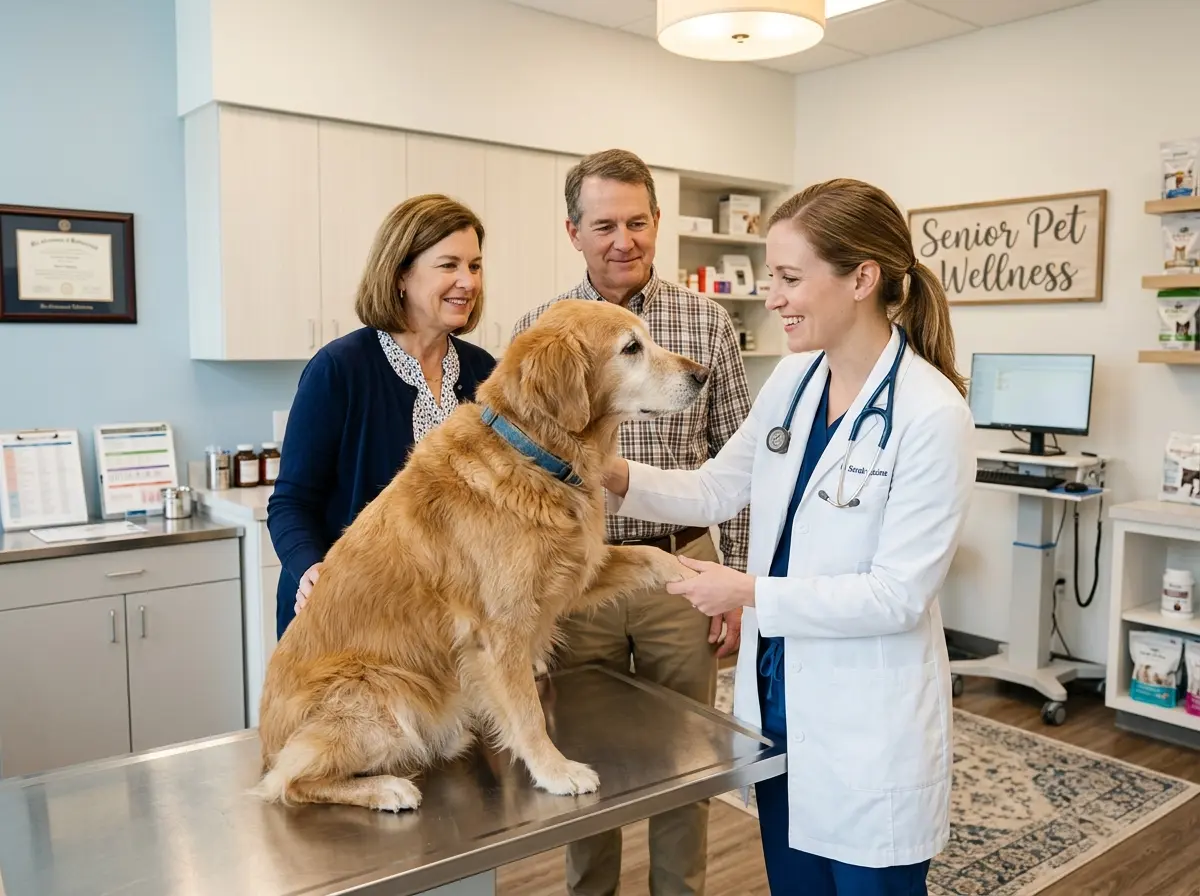
Let's be honest — senior pets are the unsung heroes of your waiting room. They waddle in with their gray muzzles, arthritic dignity, and owners who are deeply emotionally invested in every single wellness metric. And yet, many veterinary clinics treat senior pet care as an afterthought rather than the goldmine of meaningful, recurring client relationships it truly is.
Here's a sobering stat to chew on: pets aged 7 and older now account for nearly 40% of all pet visits in the United States, according to the American Veterinary Medical Association. That's a massive and growing segment of your client base — one that requires more frequent visits, more specialized care, and more ongoing communication than your average bouncy puppy patient.
Launching a structured Senior Pet Wellness Program isn't just a feel-good initiative. It's a strategic retention tool that deepens client loyalty, increases visit frequency, and positions your clinic as the trusted long-term partner for families navigating one of the most emotionally significant chapters of pet ownership. In short: it's good medicine and good business. Let's talk about how to do it right.
Building a Senior Wellness Program Worth Talking About
Define What "Senior" Means for Your Practice
Before you can market a senior wellness program, you need to actually define it — and no, "old dog" doesn't count as a clinical threshold. Age classifications vary by species and breed. For dogs, senior status typically begins around age 7, though giant breeds like Great Danes may qualify as early as 5. Cats are generally considered senior at 10-11 years. Establishing clear, species-specific guidelines helps your team communicate consistently with clients and adds credibility to your program.
Consider creating tiered age brackets — for example, "Mature" (ages 7-10), "Senior" (ages 10-13), and "Geriatric" (13+) — each with its own recommended screening protocols. This approach not only sounds impressively organized, it genuinely helps tailor your care recommendations to each patient's life stage.
Develop a Comprehensive Wellness Package
The cornerstone of any successful senior wellness program is a well-structured, all-inclusive package that makes clients feel like they're getting a premium experience — because they are. A strong senior wellness package typically includes:
- Biannual physical examinations (twice-yearly is the standard recommendation for senior pets)
- Comprehensive bloodwork panels, including CBC, chemistry, and thyroid screening
- Blood pressure monitoring
- Urinalysis and fecal testing
- Dental health assessment
- Joint mobility and pain scoring
- Cognitive function evaluation using standardized questionnaires
- Nutritional counseling tailored to age-related needs
Bundle these services at a modest discount — typically 10-15% off à la carte pricing — and present it as an annual membership or subscription plan. Clients love predictability in their pet care expenses, and you'll love the recurring revenue. It's one of those rare win-win situations that doesn't require a catch.
Train Your Team to Speak the Language of Senior Pet Care
Your program is only as strong as the people delivering it. Invest in training your veterinary technicians and front desk staff to confidently discuss the value of senior wellness screenings, common age-related conditions like chronic kidney disease, osteoarthritis, and hyperthyroidism, and how early detection genuinely changes outcomes. When your team can articulate why a twice-yearly bloodwork panel matters for a 9-year-old Labrador, clients listen — and more importantly, they schedule.
Role-playing client conversations during team meetings may feel awkward (it always does), but it pays dividends. Equip your staff with answers to the most common objections, like cost concerns or "he seems totally fine to me," and watch your program enrollment numbers climb.
Streamlining Client Communication and Intake Without Losing Your Mind
Automate Your Outreach — and Let Technology Handle the Heavy Lifting
Running a senior wellness program means a lot of proactive communication — reminder calls, follow-up appointments, lab result check-ins, and the occasional "just wanted to make sure Fluffy is doing okay" touchpoint that clients genuinely appreciate. Doing all of this manually while also, you know, running a veterinary clinic, is a recipe for burnout and dropped balls.
This is where Stella, the AI robot employee and phone receptionist, becomes a surprisingly useful ally. Stella answers phone calls 24/7, meaning a pet owner who just got home from work at 7 PM and wants to ask about your senior wellness packages doesn't hit voicemail — she gets a real, knowledgeable conversation. Stella can walk clients through program details, collect intake information via conversational forms, and even log new contacts directly into her built-in CRM, complete with custom tags like "senior pet household" for easy follow-up segmentation. For clinics with a physical location, Stella's in-store kiosk presence means clients waiting in your lobby can learn about your senior program, ask questions, and get enrolled — all without pulling your front desk staff away from the exam room chaos.
Marketing Your Senior Program to the Clients Who Need It Most
Identify and Segment Your Existing Client Base
Your best leads for a senior wellness program are already in your practice management system — you just have to find them. Pull a report of all patients aged 7 and older who haven't had a comprehensive wellness panel in the past 12 months. This list is your starting point. These are clients who already trust you, already bring their pets to your clinic, and may simply not know that a structured senior care option exists.
Segment further by species, breed size, and last visit date to prioritize outreach. A giant-breed dog owner whose 6-year-old hasn't been in recently is a prime candidate for a personalized "your pet is entering their senior years" message. Personalization matters — a generic mass email gets ignored, while a targeted note referencing their specific pet by name and age gets opened, read, and acted upon.
Use Multiple Channels Consistently
Effective marketing for a senior wellness program isn't a one-and-done email blast. It's a consistent, multi-channel effort that meets clients where they are. Consider the following touchpoints as part of an integrated outreach strategy:
- Email campaigns: A three-part sequence introducing the program, explaining the health benefits, and presenting a limited-time enrollment incentive works well for initial launches.
- In-clinic signage: Posters, brochures, and table cards in your waiting area serve as passive but effective reminders for clients who are already there.
- Social media: Share senior pet health tips, spotlight senior patient success stories (with owner permission, naturally), and use these posts to direct followers to your program page.
- Direct mail: Old-fashioned, yes. Effective for certain demographics of pet owners? Absolutely. A well-designed postcard to households with senior pets can achieve surprisingly strong response rates.
- Text messaging: Short, friendly appointment reminders and program check-ins via SMS see open rates north of 90%, making them one of the most effective channels available.
Price It Right and Communicate the Value Clearly
Pricing a wellness program requires balancing affordability for clients with sustainability for your practice. Research suggests that wellness plans priced between $300-$600 annually for senior dogs and $250-$450 for senior cats hit a sweet spot for many markets, though your specific costs, location, and service mix will dictate the right number for you. More important than the number itself is how you present it.
Always frame your program in terms of value and early detection savings, not just cost. "This package includes everything your senior dog needs to catch kidney disease before it becomes a crisis" is infinitely more compelling than a bullet-pointed list of tests with prices next to them. Clients buy outcomes and peace of mind, not procedures. Speak to what they actually care about: more quality time with a pet they love dearly.
Quick Reminder About Stella
Stella is an AI robot employee and phone receptionist built for businesses like yours — she stands as a kiosk inside your clinic to greet and inform clients, and she answers your phones 24/7 with the same knowledge and professionalism your best front desk staff brings on their best day. At just $99/month with no upfront hardware costs, she's an easy addition for any practice looking to improve client communication and reduce the burden on their human team. She doesn't call in sick, she doesn't get overwhelmed during Monday morning rush hour, and she never forgets to mention your senior wellness program.
Conclusion: Start Small, Stay Consistent, and Watch Your Senior Clients Stick Around
Launching a senior pet wellness program doesn't require a massive overhaul of your clinic's operations. It requires clarity about who you're serving, a well-packaged service offering, trained staff who can champion it, and consistent outreach to the clients most likely to benefit. Done right, this program becomes one of your most powerful retention tools — keeping aging-pet households connected to your practice through the most emotionally significant years of their relationship with their animals.
Here are your actionable next steps to get started:
- This week: Define your age thresholds and draft your senior wellness package tiers with your clinical team.
- Within 30 days: Pull your client list for patients aged 7+ and build your first outreach campaign.
- Within 60 days: Train your entire team on program messaging, common objections, and enrollment conversations.
- Ongoing: Track enrollment numbers, monitor renewal rates, and gather client feedback to refine your offering each year.
The senior pet owners in your community are looking for a clinic that truly sees and values their aging companion — not just as a patient, but as a beloved family member. Build a program worthy of that trust, and they won't just stay with you. They'll tell everyone they know.