The Secret Weapon Most Restaurants Are Completely Ignoring
Let's be honest — getting customers through the door once is the easy part. Getting them to come back? That's where most restaurants silently bleed revenue while wondering why their tables aren't fuller on a Tuesday night. The average restaurant loses roughly 60% of its customers simply because those customers forgot they existed. Not because the food was bad. Not because the service was lacking. Just because life got in the way and nobody reminded them to come back.
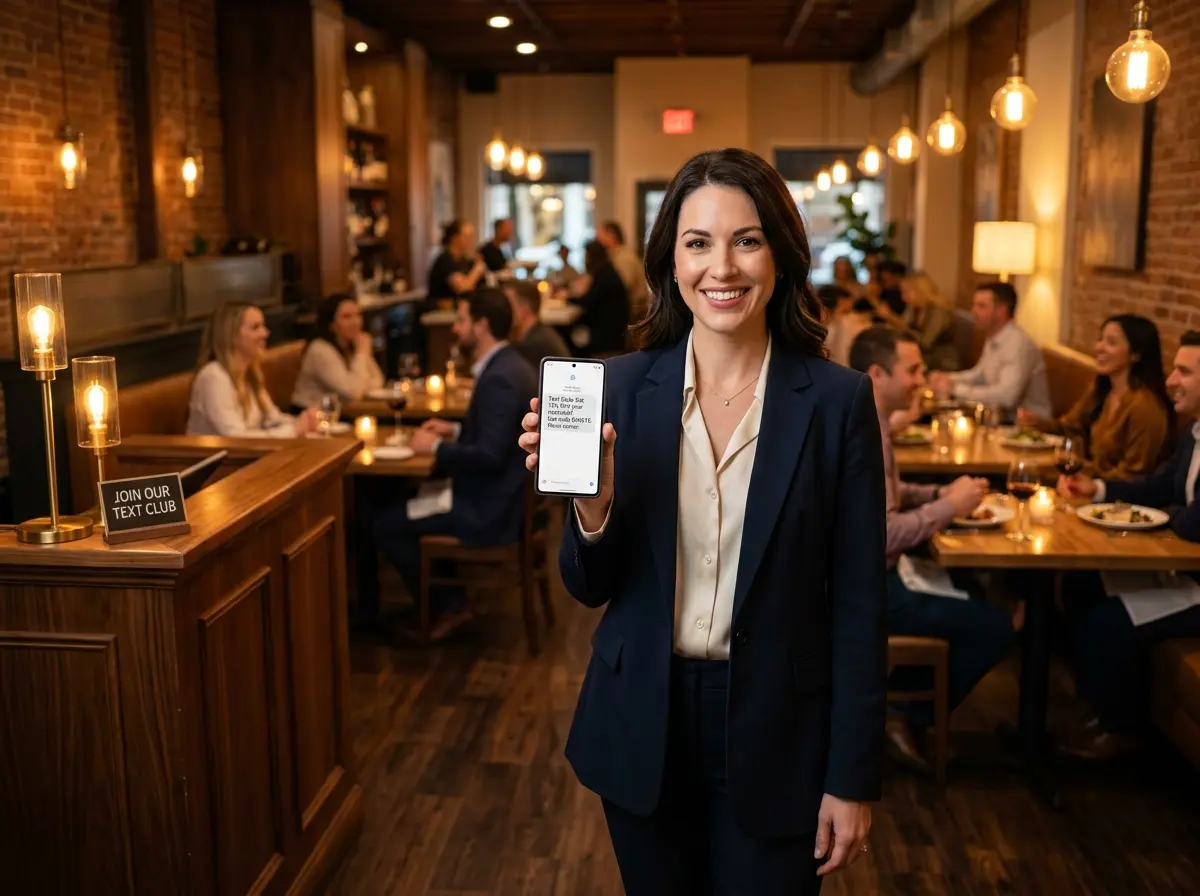
Enter the text club — one of the most underutilized, underappreciated, and frankly overdue tools in the restaurant industry. We're not talking about spammy blast messages that make customers reach for the "unsubscribe" button at 7 AM. We're talking about a well-executed SMS loyalty strategy that keeps your restaurant top of mind, drives repeat visits, and actually makes customers feel like insiders rather than targets.
One local restaurant did exactly this — and saw visit frequency jump by 50% within six months. Here's how they pulled it off, and how you can too.
Building a Text Club That People Actually Want to Join
Make the Offer Impossible to Refuse
The biggest mistake restaurants make when launching a text club is treating it like a chore for the customer. "Sign up for our texts!" is not compelling. Nobody wakes up in the morning hoping for more notifications. But "Text TACOS to 55555 for a free appetizer on your next visit"? Now we're talking.
The restaurant in our case study — a mid-sized Italian spot in a competitive suburban market — launched their text club with a simple but powerful incentive: a free dessert on the customer's next visit. That's it. No hoops. No minimum spend. Just a genuine, no-strings reward for opting in. Within the first month, they had over 400 subscribers from in-store signage, table cards, and a quick verbal mention from servers at the end of each meal.
The lesson here is straightforward: your sign-up incentive needs to deliver immediate, tangible value. A discount, a freebie, early access to a new menu item — whatever fits your brand. The bar for earning someone's phone number is higher than earning a social media follow, so treat it accordingly.
Segment Your List Like You Actually Know Your Customers
Not all customers are the same, and your text messages shouldn't pretend they are. The restaurant segmented their list into three groups: new subscribers (within 30 days), regulars (four or more visits), and lapsed customers (no visit in 45+ days). Each group received different messaging tailored to where they were in their relationship with the restaurant.
New subscribers got a warm welcome sequence — a quick thank-you message, a reminder about their free dessert, and a sneak peek at the weekend specials. Regulars received VIP treatment: early access to seasonal menus, exclusive "regulars only" happy hour windows, and the occasional "we saved a table for you" style message that made them feel genuinely valued. Lapsed customers got a straightforward win-back offer — 20% off their next visit, no questions asked.
This kind of thoughtful segmentation is what separates a text club that drives revenue from one that drives unsubscribes. It takes a little extra setup, but the payoff in engagement and loyalty is well worth the effort.
Timing and Frequency: The Fine Line Between Helpful and Annoying
There is a sacred rule in SMS marketing: do not abuse the privilege. The restaurant kept their send frequency to two to three messages per week, always sent at strategic times — Thursday afternoons to capture weekend planning, and Sunday evenings to nudge customers toward a weeknight visit when tables were historically slower.
Messages were short, conversational, and always included a clear call to action. Think "Tonight only: half-price wine with any entrée. Show this text to your server. 🍷" rather than a paragraph of promotional copy that reads like a press release. Response rates and redemption rates climbed steadily as customers learned that messages from this restaurant were actually worth reading — a reputation that takes consistency to build but pays dividends for years.
How Technology Can Do the Heavy Lifting for You
Let Your In-Store Experience Work Smarter
Running a text club manually — collecting opt-ins, managing lists, scheduling messages, tracking redemptions — can quickly become a second job. That's where smart technology steps in. Stella, the AI robot employee and phone receptionist, is one example of how restaurants are using intelligent automation to handle customer engagement without adding to their staff's already full plates.
In a restaurant setting, Stella can stand near the entrance or waiting area and proactively invite customers to join the text club during their visit — naturally weaving it into a conversation about the day's specials or current promotions. She can collect customer information through conversational intake forms and feed that data directly into her built-in CRM, where contacts are organized with custom tags, notes, and AI-generated profiles. That means every text club subscriber isn't just a phone number — they're a full customer profile that helps you market smarter over time. And when customers call to ask about hours, reservations, or that week's specials, Stella handles those calls 24/7 so your team stays focused on the dining room.
Crafting Messages That Drive Real Results
The Anatomy of a High-Converting Restaurant Text
Not all SMS messages are created equal. The restaurant in our case study tested dozens of message formats over six months and landed on a formula that consistently outperformed the rest. Every high-converting message shared four characteristics: it was short (under 160 characters when possible), specific (a real offer, not vague hype), timely (sent when the customer could realistically act on it), and personal (written in a human voice, not corporate-speak).
For example, a Thursday afternoon message reading "Hey! Tonight's pasta special is the shrimp scampi — we only make 30 orders. Grab a table before 6PM for the early bird deal. Reserve now: [link]" generated a 34% redemption rate. Compare that to a generic "Visit us this weekend for great food and fun!" message that generated almost nothing. Specificity is the difference between a customer thinking "that sounds good" and actually making a reservation.
Seasonal Campaigns and Special Events
Text clubs really shine around holidays, local events, and seasonal menu launches. The restaurant used their list to build anticipation for their fall menu reveal, sending a teaser message one week out, a "menu is live" announcement on launch day, and a limited-time offer tied to the new items in the week that followed. The result was their highest-grossing October on record — driven largely by subscribers who came in specifically because of those messages.
The key is to plan your text calendar in advance, just like you'd plan your marketing calendar for any other channel. Map out your major seasonal moments, local events (sports playoffs, school events, community festivals), and slow periods where a well-timed offer could meaningfully move the needle. A little planning goes a long way when you have a direct line to your most engaged customers' pockets.
Measuring What Matters
A text club without measurement is just expensive texting. Track redemption rates for each offer, monitor your list growth and unsubscribe rates closely (a spike in unsubscribes is always telling you something), and pay attention to which message types drive actual visits versus which ones get politely ignored. Over time, this data will tell you more about your customers' preferences than any survey ever could.
The restaurant tracked everything through a simple spreadsheet in the early days before graduating to a more robust platform. Even basic tracking — how many people showed this text last Tuesday? — will give you enough signal to continuously improve your approach.
Quick Reminder About Stella
Stella is an AI robot employee and phone receptionist designed for businesses exactly like yours — available as a human-sized kiosk that greets and engages customers in-store, and as a 24/7 phone receptionist that handles calls with the same business knowledge she uses in person. She runs on a simple $99/month subscription with no upfront hardware costs, making her one of the more surprisingly affordable upgrades a restaurant (or any business) can make. If you're looking for a way to grow your text club, streamline customer intake, and stop missing calls after hours, she's worth a very serious look.
Your Next Steps Start Today
A 50% increase in visit frequency didn't happen by accident for that Italian restaurant. It happened because they committed to a system: a compelling opt-in incentive, thoughtful segmentation, strategic timing, and messages worth reading. None of it required a massive budget or a marketing department. It required intention and consistency — two things every business owner already has the capacity for.
Here's your action plan to get started:
- Choose your platform. Select an SMS marketing tool that supports segmentation, scheduled sends, and basic analytics. There are solid options available at almost every price point.
- Design your opt-in incentive. Make it immediate, valuable, and easy to redeem. A free item or meaningful discount works best.
- Create your first three segments. New subscribers, regulars, and lapsed customers — start there and refine over time.
- Plan a 30-day message calendar. Map out your sends in advance so you're never scrambling for something to say at the last minute.
- Measure relentlessly. Track redemptions, list growth, and unsubscribes from day one so you have a baseline to improve against.
Your customers want to hear from you — they just need a reason to opt in and a track record of messages that don't waste their time. Build that, and watch your Tuesday nights fill up faster than you ever expected.