Introduction: Because "Thanks for Your Feedback!" Isn't a Strategy
Let's set the scene. It's a Tuesday morning. You're sipping your coffee, feeling cautiously optimistic about the day, when you open your phone and discover a one-star review from someone named CrypticDiner2004 who claims your pasta "tasted like sadness." What do you do? Wing it? Panic-type a defensive response? Simply pretend it doesn't exist and hope the algorithm is merciful?
If you answered yes to any of the above, congratulations — you are in excellent company. Most restaurant owners have been there. But here's the uncomfortable truth: how you respond to online reviews is now as important as the food you serve. According to a 2023 BrightLocal survey, 88% of consumers are likely to use a business that responds to all reviews, compared to only 47% who would use a business that doesn't respond to reviews at all. That's not a small gap. That's the difference between a packed dining room and a lot of empty chairs.
A formal social media response policy isn't just a nice-to-have document gathering dust in a shared Google Drive. It's a living operational tool that protects your brand, empowers your team, and signals to potential customers that you run a professional establishment — even when someone insists that your clam chowder "wasn't chowder-y enough." This post will walk you through exactly why you need one, what it should include, and how to make it actually work in the wild.
The Real Cost of an Unmanaged Review Presence
Your Reviews Are a First Impression (Whether You Like It or Not)
Before a new customer ever walks through your door, there's a very good chance they've already judged you. Google, Yelp, TripAdvisor, OpenTable, Facebook — the list of platforms where strangers are forming opinions about your restaurant grows longer every year. And unlike word-of-mouth of the past, these opinions are permanent, searchable, and visible to thousands of people at once. A poorly handled negative review doesn't just annoy one person. It quietly talks your potential customers out of giving you a chance, often without you ever knowing it happened.
The math here is straightforward but sobering. A Harvard Business School study found that a one-star increase in a restaurant's Yelp rating leads to a 5–9% increase in revenue. Flip that around, and an unmanaged decline in your rating — driven by unanswered complaints or tone-deaf responses — can translate directly to dollars lost every single month.
Inconsistency Is Its Own Kind of Damage
Without a formal policy, your responses to reviews will almost certainly be inconsistent. Maybe you respond quickly to Google reviews but ignore Yelp entirely. Maybe one manager replies with warm professionalism while another gets a little too honest at 11 PM on a Friday. Maybe negative reviews sometimes get a thoughtful response and sometimes get nothing at all, depending on who's checking the tablet that week.
This inconsistency sends a message — just not the one you want. It tells customers that your brand experience is unpredictable, and unpredictable is rarely a selling point in the restaurant industry. A formal policy standardizes your voice, your timing, and your escalation procedures so that every review on every platform gets handled the same way, regardless of who's on shift or how spicy the complaint is.
The Platforms Are Not All the Same
One critical mistake restaurant owners make is treating all review platforms as interchangeable. They are not. Google Reviews drive local SEO and appear prominently in search results. Yelp has its own algorithm, its own culture, and a notoriously passionate user base. TripAdvisor skews heavily toward tourists and travelers. OpenTable reviewers are verified diners, which lends their feedback extra credibility. Facebook reviews blend into your overall social presence and can be shared virally.
Each platform has different norms, different audiences, and different implications for your business. Your response policy should acknowledge these differences explicitly and provide platform-specific guidance so your team isn't applying a one-size-fits-all approach to a very un-one-size situation.
How a Smarter Front-of-House Setup Supports Your Review Strategy
Let Technology Handle the Routine So Your Team Can Focus on the Exceptional
Here's a truth most restaurant owners don't enjoy hearing: a significant number of negative reviews are born not from bad food, but from bad experiences — slow service, unanswered questions, a phone that rang endlessly and no one picked up. Fixing your review response policy is important, but fixing the experiences that generate avoidable bad reviews in the first place is even better.
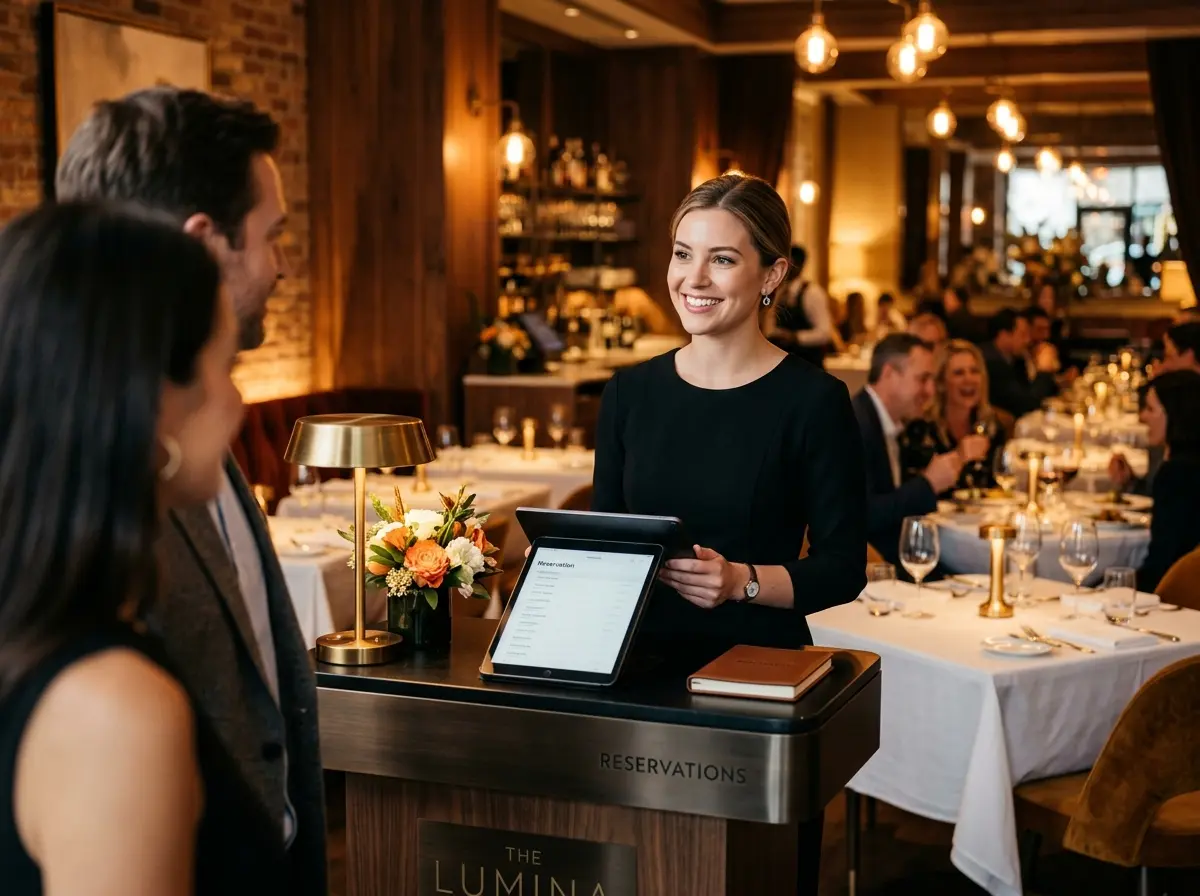
This is where Stella, the AI robot employee and phone receptionist, can make a meaningful difference. For restaurants with a physical location, Stella stands inside the store as a friendly, human-sized kiosk that greets customers, answers questions about the menu, specials, and policies, and even upsells or cross-sells — all without pulling your staff away from tables. For phone traffic, she answers calls 24/7 with the same knowledge she uses in person, so no customer ever reaches voicemail during the dinner rush again. Fewer frustrated customers means fewer frustrated reviews, which means your response policy gets to spend more time celebrating happy diners and less time doing damage control.
Building a Response Policy That Actually Works
Define Your Brand Voice and Stick to It
Your response policy should begin with a clear articulation of your restaurant's voice — the tone, personality, and values that should come through in every public reply. Are you warm and neighborhood-friendly? Polished and upscale? Playful and casual? Whatever it is, document it explicitly and give examples of what that voice looks like in practice. Include sample language for common scenarios: a glowing five-star review, a complaint about wait times, a vague negative review with no specifics, and the always-fun allegation that something tasted "off."
Your policy should also define clear no-go zones — things your team should never say in a public response, regardless of how tempting it might be. Getting defensive, making excuses, or publicly disputing a customer's account almost always makes the situation worse. A well-written policy keeps everyone off those landmines before they step on them.
Set Response Time Standards by Platform
Speed matters more than most restaurant owners realize. Responding to a negative review within 24 hours shows that you're attentive and that you take feedback seriously. Responding two weeks later, after the original reviewer has already moved on and told twelve friends about the experience, is largely performative. Your policy should establish specific response time targets for each platform — for example, Google and Facebook within 24 hours, Yelp within 48 hours — and assign clear ownership so that reviews don't fall through the cracks on a busy weekend.
Build in an escalation process as well. Not every review can or should be handled by a front-line staff member. Serious complaints, allegations of foodborne illness, or anything that could carry legal implications should have a clearly defined path to management. Getting that process on paper before you need it is infinitely better than inventing it on the fly during a crisis.
Create a Review Monitoring Routine
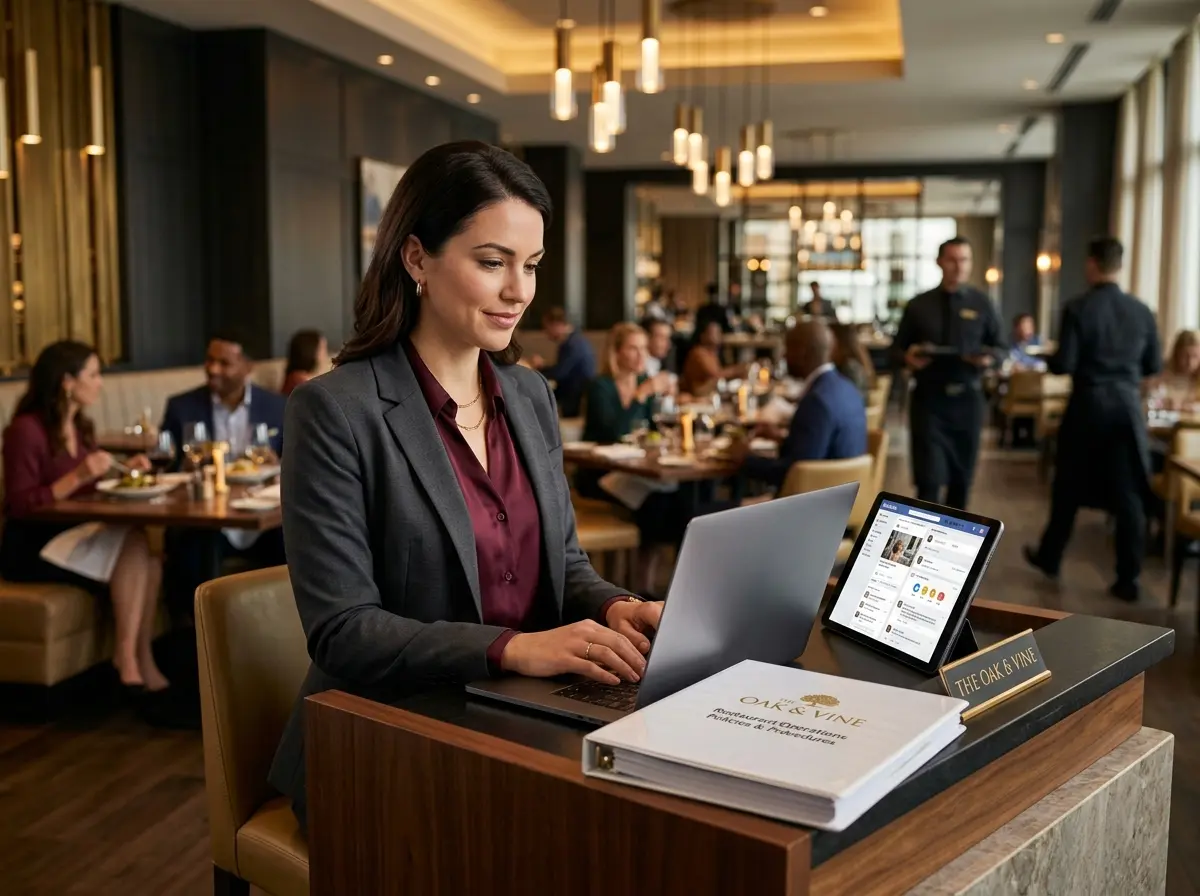
A policy without a monitoring system is like a fire extinguisher in a locked cabinet — theoretically helpful, practically useless. Designate who is responsible for checking each platform and how often. Consider using a review aggregation tool like Podium, Birdeye, or Google's own notification system to consolidate alerts so nothing gets missed. Schedule a weekly or bi-weekly review audit where a manager reviews recent responses for quality and consistency against the policy standards.
Also — and this is worth emphasizing — make it someone's actual job responsibility, not just a vague expectation. If everyone is responsible for monitoring reviews, no one is. Put a name next to the task, include it in performance expectations, and treat it with the same operational seriousness you give to inventory management or staff scheduling. Your online reputation deserves nothing less.
Quick Reminder About Stella
Stella is an AI robot employee and phone receptionist built for businesses like yours — available as a friendly in-store kiosk or as a 24/7 AI phone receptionist, starting at just $99/month with no upfront hardware costs. She greets customers, answers questions, promotes your specials, and makes sure no call goes unanswered — so your team can focus on delivering the kind of experience that earns five-star reviews in the first place.
Conclusion: Start Today, Thank Yourself Later
Building a formal social media response policy for your restaurant isn't a glamorous project. It won't be the thing you brag about at your next industry event. But it will quietly and consistently protect your reputation, reinforce your brand, and demonstrate to potential customers that your restaurant is run by people who give a damn — and that, as it turns out, is enormously compelling.
Here's where to start:
- Audit your current presence. Spend one hour reviewing your last 30 days of reviews across every platform. Note what was responded to, what wasn't, and how the responses read.
- Draft your brand voice guidelines. Write out your tone, sample language, and prohibited phrases. Keep it short, clear, and practical.
- Assign platform ownership. Put a name next to each platform and a response time standard next to each name.
- Build an escalation path. Decide now — before you need it — which types of reviews go straight to management and how.
- Set a monitoring schedule. Make it recurring, make it someone's responsibility, and make it non-negotiable.
Your competitors are either doing this already or they're not — and either way, there's an opportunity for you. A consistent, professional, thoughtful review response strategy is one of the most cost-effective marketing investments a restaurant can make. The policy won't write itself, but once it's written, it will work for you every single day. Now go rescue that Google rating from CrypticDiner2004. You've got this.