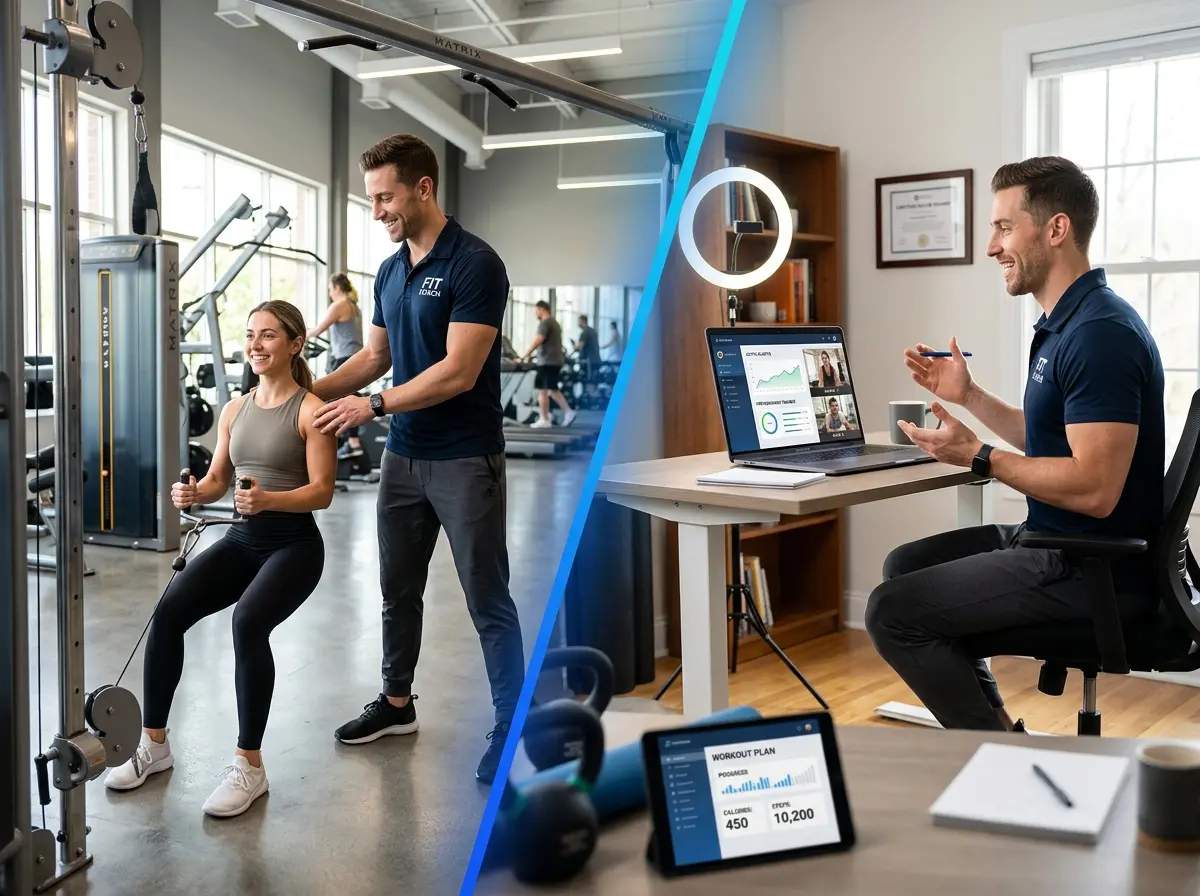
So You Want to Coach Online and In Person? Bold Move.
Let's be honest — you became a personal trainer because you love helping people transform their lives, not because you dreamed of juggling two completely different business models simultaneously. And yet, here you are, staring at your packed in-person schedule and wondering how on earth you're supposed to build a scalable online coaching program at the same time. The good news? It's absolutely doable. The better news? Thousands of trainers are doing it profitably right now. The slightly annoying news? It requires actual strategy, not just filming yourself doing deadlifts and hoping for the best.
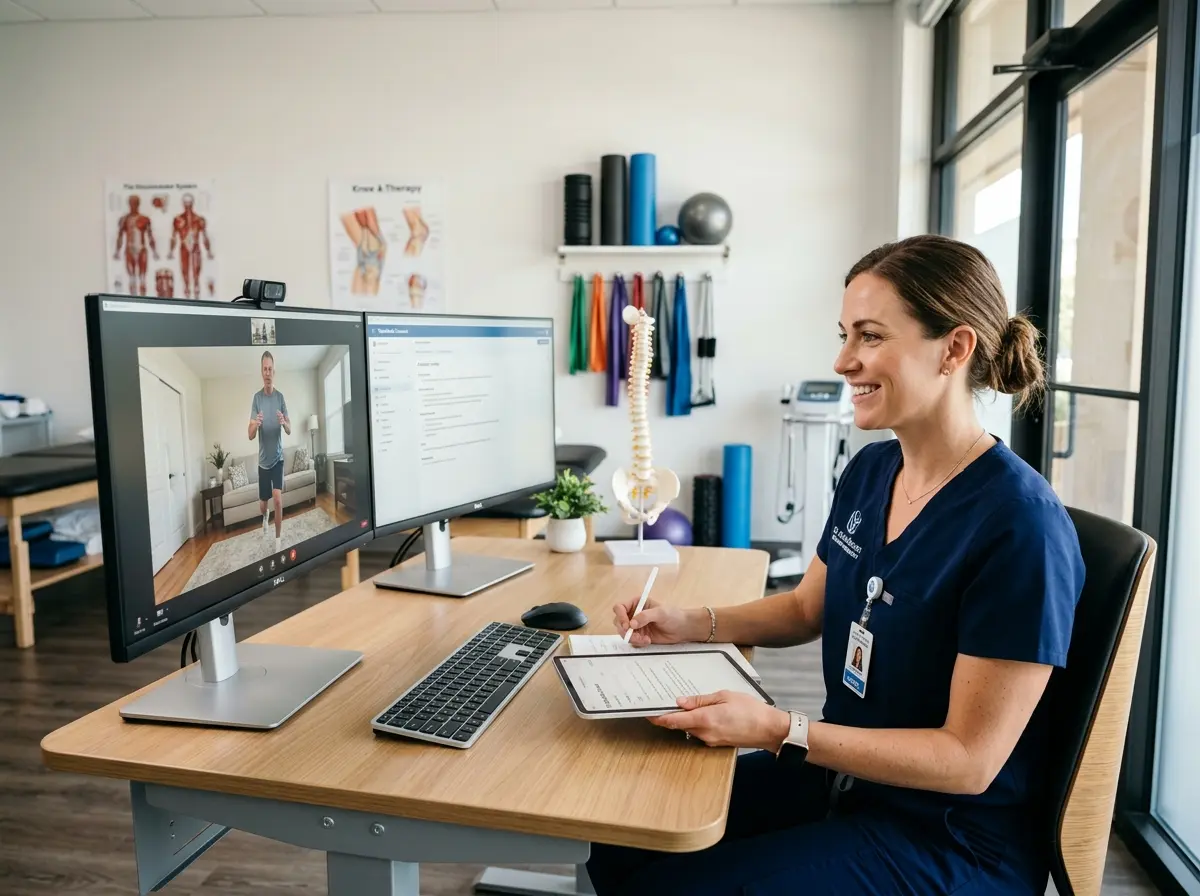
The fitness industry has shifted dramatically. The global online fitness market was valued at over $15 billion in 2023 and is projected to grow at a compound annual rate of nearly 14% through 2030. Your clients are already consuming fitness content online — the question is whether they're consuming yours. Running a hybrid model (in-person training plus online coaching) is one of the smartest ways to increase revenue without proportionally increasing your hours. But it requires you to think like a business owner, not just a really fit person with a certification.
This guide walks you through how to structure, price, and scale both sides of your practice — without burning out, dropping the ball on your in-person clients, or losing your mind entirely.
Building the Foundation of Your Online Coaching Program
Before you start posting transformation photos and launching a program, you need a solid infrastructure. Too many trainers skip this step, cobble something together, and then wonder why their online clients ghost them after month one. Structure is your best friend here.
Define Your Niche and Online Offer Clearly
Your in-person clients probably span a range of goals and demographics. That's fine — you can customize on the fly when someone is standing in front of you. Online coaching is a different animal. The internet is enormous, and generalist messaging gets lost in the noise. You need to know exactly who you're talking to and what specific transformation you're delivering.
Are you the trainer who specializes in postpartum fitness for new moms? The strength coach for busy executives who only have 30 minutes to train? The online program for athletes returning from injury? Pick a lane. A focused niche doesn't limit your audience — it makes your marketing infinitely more effective and your program easier to deliver consistently. Once you've nailed your niche, build your online offer around a signature result: a 12-week program, a monthly membership with weekly check-ins, or a hybrid app-based coaching model with custom programming.
Choose Your Delivery Platform Wisely
This is where many trainers get paralyzed by options — and there are a lot of them. Platforms like TrueCoach, PT Distinction, Trainerize, and even custom-built solutions via Kajabi each have tradeoffs. The right choice depends on how hands-on your online coaching model is, whether you want to automate program delivery, and how much you want to pay in monthly fees versus revenue share.
As a general rule: if you're offering high-touch, personalized coaching at premium prices, invest in a platform that supports rich client communication and progress tracking. If you're building a lower-cost, higher-volume program, look for something that automates delivery and minimizes your time per client. Don't overcomplicate it early. Pick one platform, learn it deeply, and optimize later.
Price for Profit, Not for Comfort
Trainers notoriously underprice their online services because it "feels" easier than in-person work. Resist this instinct fiercely. Yes, online coaching removes the physical commute and face-to-face session, but your expertise, programming time, check-in time, and communication overhead are still real costs. A well-structured online coaching program at $200–$500 per month per client is not unreasonable for quality, personalized service. If you're serving 20 online clients at $300/month, that's $6,000 in monthly recurring revenue — on top of your in-person income. Price it accordingly.
Keeping the Wheels Turning on Both Sides of Your Practice
Running a hybrid fitness business means you're fielding inquiries, onboarding clients, and answering questions for two audiences simultaneously. If you're trying to handle all of that manually, you will hit a wall — usually right when things start getting good.
Automate Your Client Intake and Follow-Up
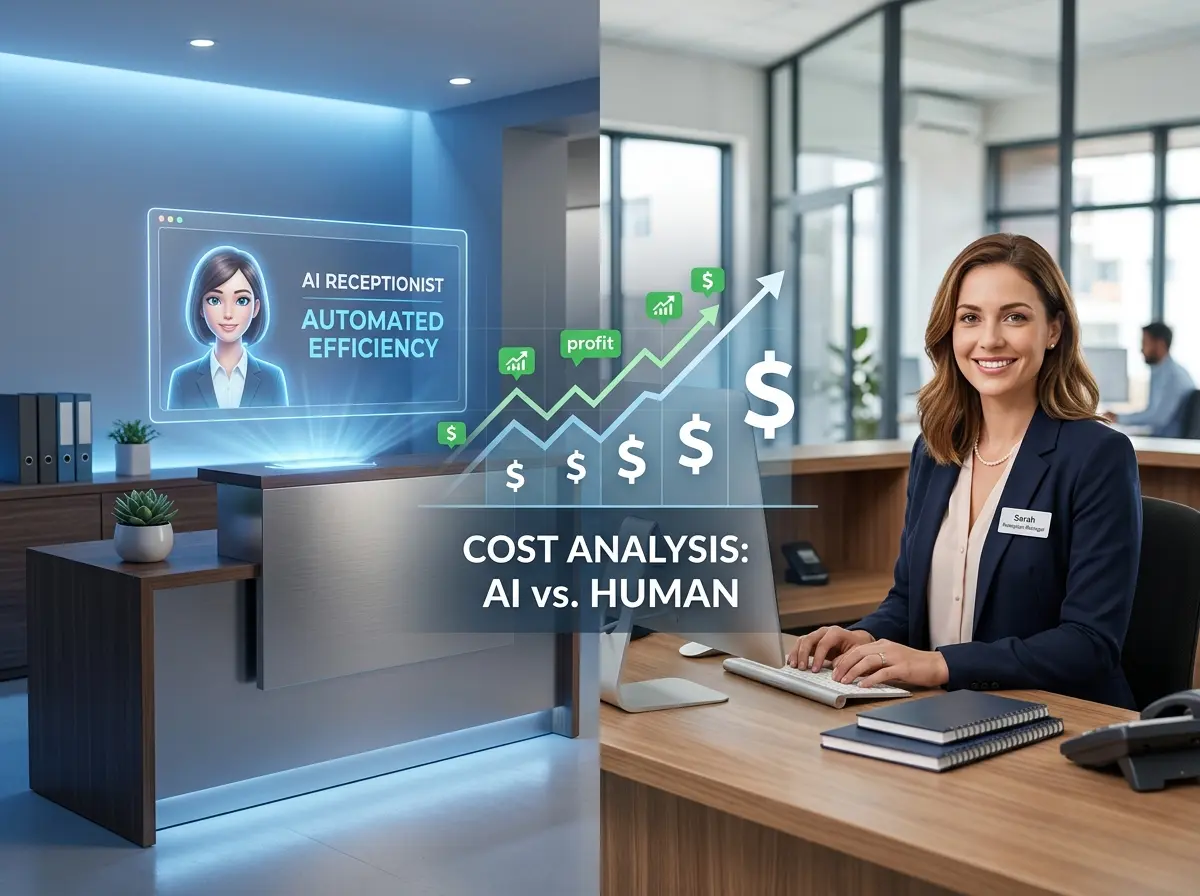
Whether someone walks into your gym or finds you through an Instagram ad at 11pm, your intake process needs to be consistent and professional. This is where Stella, the AI robot employee and phone receptionist, genuinely earns her keep. For trainers with a physical studio or gym location, Stella stands on-site and proactively engages walk-in prospects — answering questions about your programs, pricing, and availability without you having to stop mid-session. For your online coaching inquiries coming in via phone, she answers 24/7, collects prospect information through conversational intake forms, and pushes summaries straight to you. Her built-in CRM even generates AI profiles for new contacts, so you always have context before your first real conversation. It's like having a front desk staff member who never takes a lunch break and doesn't call in sick on Mondays.
Marketing Both Offers Without Losing Your Sanity
Here's the part nobody tells you when they say "just add an online program" — marketing two distinct offers to potentially different audiences while also actually delivering on both is a full-time job layered on top of your full-time job. The key is integration, not duplication.
Let Your In-Person Practice Feed Your Online Brand
Your existing in-person clients are your most powerful marketing asset. They're experiencing real results, they trust you, and they have friends. Document their wins (with permission), share behind-the-scenes content from your gym floor, and let the energy of your live training sessions fuel your online presence. Short-form video content — a quick technique tip filmed between clients, a 60-second myth-busting reel, a before-and-after with a client testimonial — can consistently generate online coaching leads without requiring a full content production team.
Consider creating a simple referral incentive for in-person clients who refer someone to your online program. It's low-cost marketing that capitalizes on the trust you've already built in person, and it bridges the two sides of your business naturally.
Build a Content Engine That Runs on Repurposing
You don't need to create new content every day from scratch — that's the fastest path to burnout and mediocre content. Instead, create one high-quality piece of content weekly (a YouTube video, a detailed email newsletter, a podcast episode) and repurpose it aggressively. That video becomes a blog post. The key points become three Instagram carousels. The best quote becomes a Twitter/X post. A snippet becomes a Reel. One hour of focused content creation, spread intelligently across channels, builds your online visibility without consuming your entire non-training schedule.
Convert Attention Into Actual Clients
Traffic and followers are vanity metrics unless they convert. Build a simple but effective funnel: valuable free content drives people to a lead magnet (a free meal plan, a 5-day mini-program, a training guide), which captures their email address, which enters them into a nurture sequence that eventually makes a clear, compelling offer for your paid online program. Don't skip the email list — social media algorithms are fickle, and building an audience on a platform you don't own is a risky long-term strategy. Your email list belongs to you.
Quick Reminder About Stella
Stella is an AI robot employee and phone receptionist that works for your fitness business around the clock — greeting walk-in prospects at your physical location and answering phone calls 24/7 for your online and in-person inquiries alike. At just $99/month with no upfront hardware costs, she's one of the most affordable ways to maintain a professional, responsive front-end presence while you're busy actually training people. She handles the questions, captures the leads, and keeps your CRM organized so nothing falls through the cracks.
Your Next Steps: From Hustle to Hybrid Machine
Running a profitable online coaching program alongside an in-person practice is not a fantasy — it's a business model that hundreds of trainers have turned into six-figure operations. But it requires you to step fully into the role of business owner, not just service provider. That means making strategic decisions about your niche, your pricing, your platforms, and your systems before you try to scale.
Here's your action plan to get moving:
- Define your online niche and signature offer — get specific about who you serve and what outcome you deliver.
- Choose and commit to one delivery platform — don't platform-hop. Pick one, master it, scale it.
- Price your online program for real profitability — calculate your time honestly and charge accordingly.
- Set up a client intake system — whether through Stella, a CRM, or an automated form sequence, make your intake process professional and consistent from day one.
- Build your content repurposing workflow — one quality piece of content per week, spread across channels, builds compounding visibility over time.
- Create a simple email funnel — a lead magnet, a nurture sequence, and a clear offer. Nothing fancy required.
The trainers who successfully run hybrid practices aren't superhuman — they're just more systematic than average. Build the right systems, deliver genuine results, and market consistently. The revenue will follow. And in the meantime, stop answering every phone call yourself during your sessions. That's what good systems — and good AI receptionists — are for.