Introduction: The Hidden Revenue Stream Sitting in Your Display Case
You spend your days surrounded by beautiful things — gleaming metals, sparkling stones, and craftsmanship that takes years to master. And yet, one of the most lucrative opportunities in the jewelry business might be something decidedly less glamorous: a spreadsheet full of corporate contacts and a repeatable awards program that brings them back every single quarter.
Corporate awards and recognition programs represent a multi-billion dollar industry, and jewelers are uniquely positioned to capture a significant slice of it. Companies need to recognize employees, celebrate milestones, reward top performers, and impress clients — and they need someone who can deliver quality, customization, and reliability. Sound like anyone you know? Yet most independent jewelers leave this revenue on the table, either because they don't know where to start or because they assume it's only for the "big guys."
It's not. And this guide will show you exactly how to build a corporate awards program that brings in consistent, high-margin revenue — without turning your jewelry store into a trophy shop. (No offense to trophy shops. You're doing great.)
Building the Foundation of Your Corporate Program
Understanding What Corporations Actually Want
Before you start pitching engraved cufflinks to every HR manager in your zip code, it helps to understand what corporate clients are actually looking for. Spoiler: it's not just a nice piece of jewelry. They want a partner — someone who can handle volume orders, meet deadlines, provide consistent quality, and make them look good in front of their leadership team.
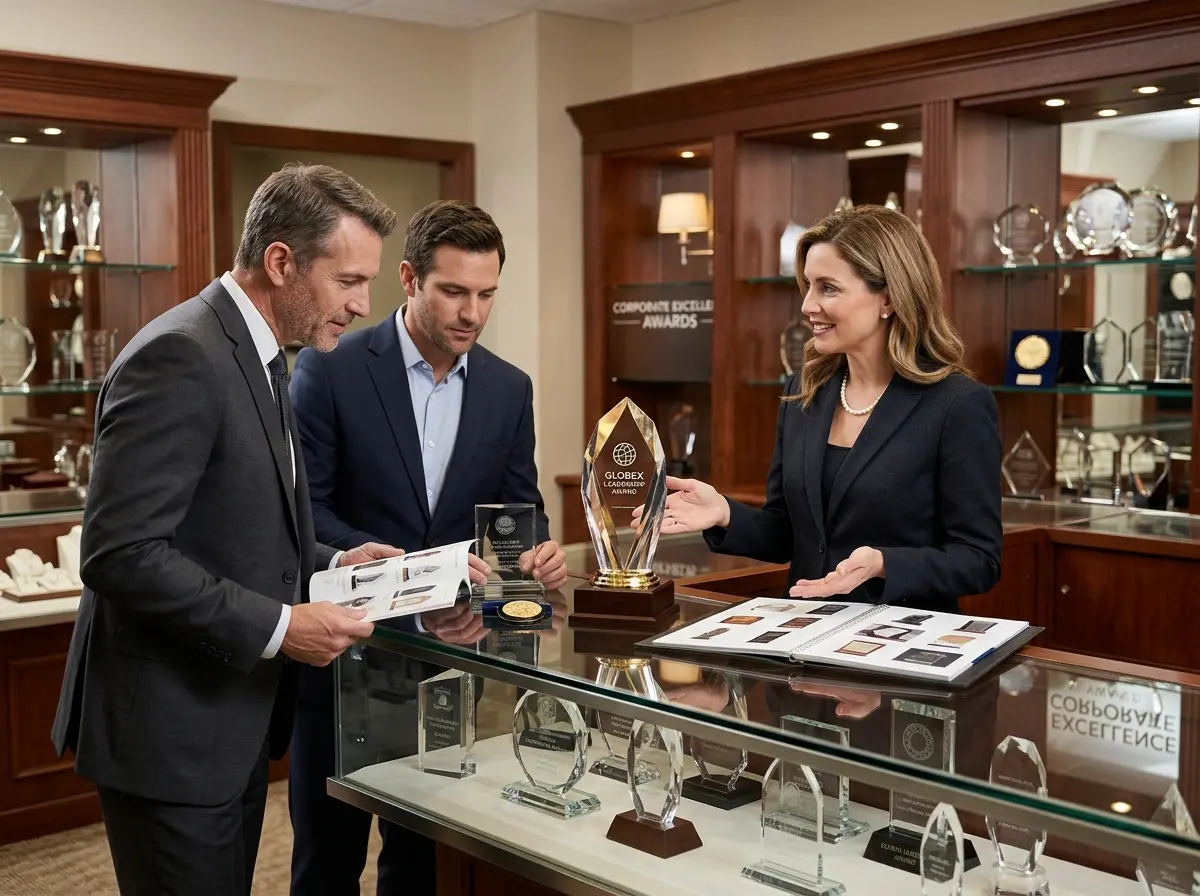
Corporate buyers are motivated by three core needs: recognition (making employees feel valued), branding (reinforcing company culture and identity), and convenience (not having to think too hard about it). If your program can address all three, you've got a compelling offer. This means developing a catalog of customizable award options — think crystal-inset lapel pins, engraved watches, sterling milestone pendants, or branded money clips — that can be personalized with logos, names, years of service, and custom messages.
Start by researching the types of corporate programs that are most common in your area: employee of the month, years-of-service milestones, sales achievement awards, and client appreciation gifts are perennial favorites. Each of these represents a recurring revenue opportunity, not just a one-time sale.
Designing Your Tiered Award Offerings
One of the smartest moves you can make is creating a tiered product structure that gives corporate clients options without overwhelming them. Think of it like a menu — you want a good, better, and best option at clearly defined price points. A well-structured tier system might look something like this:
- Bronze Tier ($50–$150 per piece): Engraved keychains, branded lapel pins, or simple sterling pendants. Great for large-volume employee appreciation programs.
- Silver Tier ($150–$500 per piece): Engraved watches, custom money clips, or gemstone-accented service pins. Ideal for milestone recognition and sales achievement awards.
- Gold Tier ($500+): Custom-designed pieces, fine jewelry with company branding elements, or curated gift sets. Perfect for executive recognition and VIP client gifting.
Having this structure ready before your first corporate meeting signals professionalism and makes the buying decision easier. Nobody wants to sit across from a vendor who shrugs and says, "Well, what's your budget?" You're the expert. Lead with confidence.
Pricing for Profitability (Not Just Prestige)
Corporate clients often have bigger budgets than retail customers, but that doesn't mean you should leave your margin discipline at the door. Factor in the true cost of corporate work: design consultations, proofing rounds, engraving setup fees, bulk order management, and packaging. Then price accordingly.
A common mistake is underpricing to win the account and then resenting the relationship six months later. Build a corporate pricing model that includes a setup fee for new programs, a per-unit price based on volume tiers, and a rush order premium for the inevitable "we need 50 of these by Friday" calls. Charging appropriately isn't just good business — it's what serious vendors do, and corporate buyers actually respect it.
Streamlining Operations So You Don't Lose Your Mind
Managing Inquiries and Orders Without Dropping the Ball
Here's where many jewelers quietly struggle: the operational side of a corporate program can be demanding. You're juggling retail walk-ins, custom orders, vendor relationships, and now a corporate client who emails at 7 PM on a Thursday asking for a revised proof. Managing all of this without a system in place is a recipe for chaos — or at minimum, a very tired jeweler.
This is where Stella, the AI robot employee and phone receptionist, can quietly become one of your most valuable team members. Stella can greet walk-in customers at your kiosk while you're in a consultation with a corporate client, answer after-hours phone calls from new prospects inquiring about your awards program, and even collect intake information through conversational forms — so you're not playing phone tag just to gather basic order details. She handles the front of house so you can focus on the craft and the client relationships that actually grow the business.
Landing and Keeping Corporate Clients
How to Get in the Door
The best corporate clients don't usually walk into your store — you have to go find them. Start local. Reach out to HR directors at mid-size companies, contact office managers at professional firms (law offices, financial advisors, real estate agencies), and introduce yourself to local business associations and chambers of commerce. A short, professional pitch letter paired with a small sample piece can open more doors than you'd expect.
LinkedIn is your friend here. A well-crafted message to an HR manager explaining that you specialize in custom corporate recognition programs — and that you're local, reliable, and have a structured program ready to go — will stand out in an inbox full of generic vendor pitches. Follow up once or twice, then let it breathe. Persistence is good; pestering is not.
Consider hosting a private corporate showcase event at your store — invite a handful of local business contacts, show off your award catalog, offer light refreshments, and let the work speak for itself. People buy from people they've met, and the in-person experience of seeing and touching your pieces is a genuine competitive advantage over online trophy vendors.
Building Long-Term Relationships That Compound Over Time
The real magic of a corporate awards program isn't the first order — it's the fifth, tenth, and fifteenth. When you become the trusted vendor for a company's recognition program, that relationship can generate predictable revenue for years. The key is making renewals and reorders effortless for your client.
Set up annual program reviews with your top corporate accounts. Review what worked, suggest new options for the coming year, and bring something fresh — a new design, an upgraded tier option, or a seasonal gift idea. Keep a detailed record of every order, including employee names, award types, and dates, so you can proactively remind clients when milestones are coming up. That kind of attention to detail transforms you from a vendor into an indispensable partner.
Referrals from happy corporate clients are also extraordinarily powerful. One satisfied HR director who recommends you to a peer at another company is worth more than almost any marketing campaign you could run. Ask for referrals directly — most people are happy to give them when the work is genuinely good.
Marketing Your Program Beyond Word of Mouth
Once your program is running, make sure people can actually find it. Add a dedicated corporate awards page to your website with clear descriptions of your tiers, customization options, turnaround times, and a contact form. Share examples of finished pieces on social media (with client permission), and consider running a targeted local ad campaign aimed at HR professionals and business owners in your area.
Don't overlook seasonal opportunities either. End-of-year employee recognition, holiday client gifts, and annual sales contest awards all create natural moments to reach out to existing and prospective corporate clients. A short email campaign in October reminding past clients that the holiday rush is coming — and that you can help them prepare — is simple, professional, and effective.
Quick Reminder About Stella
Stella is an AI robot employee and phone receptionist designed to help businesses like yours stay professional and responsive without adding headcount. She greets customers at your in-store kiosk, answers phone calls 24/7, collects customer information, and keeps your front-of-house running smoothly — all for just $99/month. When you're deep in a custom corporate order, it's genuinely nice to know someone's got the front covered.
Conclusion: Your Next Steps Start This Week
Building a lucrative corporate awards program doesn't require a complete reinvention of your business — it requires a clear offer, a professional presentation, and the operational backbone to deliver consistently. The jewelers who thrive in this space aren't necessarily the biggest or the flashiest; they're the ones who show up prepared, deliver on their promises, and make their corporate clients look good without making them work hard for it.
Here's what to do this week: design your tiered award structure, write up a one-page corporate program overview, and identify five local businesses to reach out to. That's it. You don't need a perfectly polished website or a 40-page catalog before you start. You need a compelling offer and the confidence to put it in front of the right people.
The companies in your community are already buying recognition awards from someone. With the right program in place, there's no reason that someone can't be you.