Why Checkout Is the Most Underrated Moment in Your Med Spa
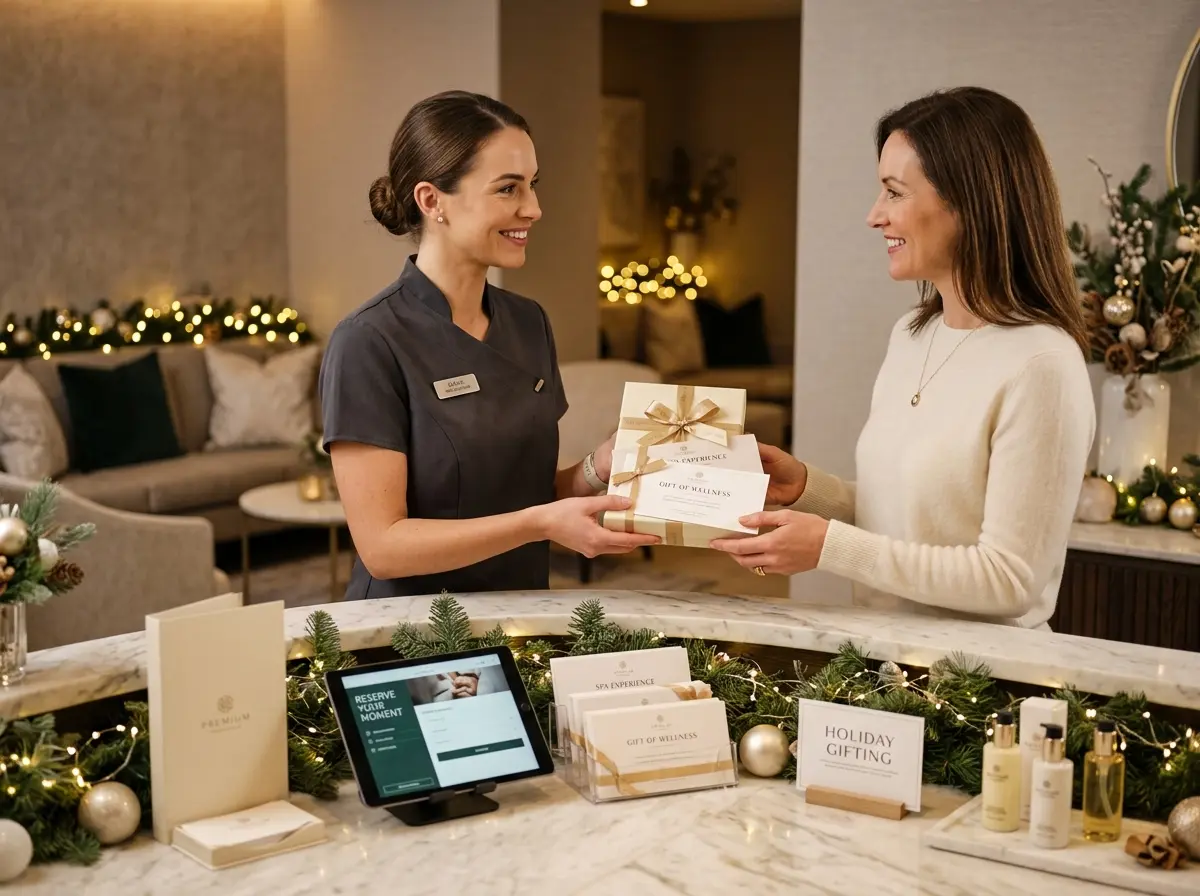
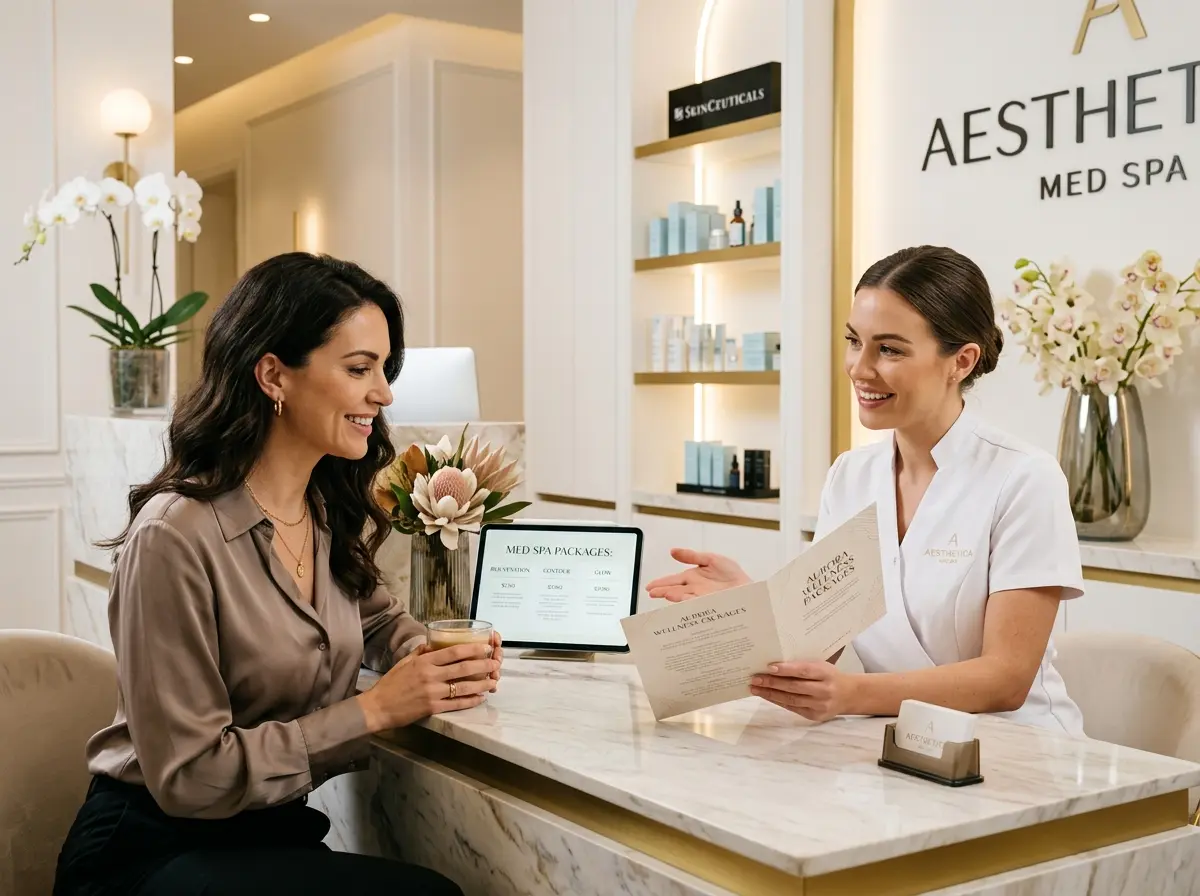
Your client just floated off the treatment table, their skin is glowing, they feel like a million dollars, and they're walking toward the checkout desk in a blissful, relaxed haze. This, dear med spa owner, is not the time to simply swipe a card and say goodbye. This is your golden window — the moment when your client is at peak satisfaction, emotionally connected to your brand, and subconsciously looking for a reason to come back.
And yet, most med spas treat checkout like a transaction rather than a conversation. The result? Clients leave without knowing about your package deals, your staff fumbles through an awkward upsell pitch, and hundreds (sometimes thousands) of dollars in monthly revenue quietly walk out the door.
The good news is that a thoughtful, well-executed checkout upsell strategy doesn't have to feel pushy or salesy. In fact, when done right, clients thank you for it. This post breaks down exactly how to build that strategy — from the psychology behind it to the systems that make it consistent and scalable.
Understanding Why Package Deals Work (And Why Clients Actually Want Them)
The Psychology of the Post-Treatment Mindset
There's a reason car dealerships offer rustproofing packages after you've already decided to buy. Once someone has committed to a purchase and is emotionally satisfied with their decision, they are significantly more receptive to add-ons. Your clients are no different. After a facial, laser treatment, or body contouring session, they're not just relaxed — they're results-focused. They want to maintain what just happened to their face or body, and that desire is a natural opening for a package conversation.
Research consistently shows that bundled pricing creates a perception of higher value. Clients feel like they're getting a deal (because they are), and they feel smart for taking advantage of it. That combination of emotional satisfaction and rational justification is a powerful purchasing trigger. You're not manipulating anyone — you're making it easy for them to invest in themselves.
Designing Package Deals That Actually Sell
Not all packages are created equal. A poorly designed bundle feels like you're just trying to get more money upfront. A well-designed one feels like a personalized treatment plan. Here's the difference:
- Tie packages to outcomes, not services. Instead of "Buy 3 Chemical Peels," try "The Radiance Reset: A 3-Treatment Brightening Series." Clients buy results, not line items.
- Offer clear savings without complex math. If clients have to calculate whether they're getting a deal, they won't. Make the savings obvious — "Save $75 when you book as a series."
- Create tiered options. Offer two or three package levels so clients can choose based on their budget and commitment level. A "Starter Series" and a "Signature Series" give clients agency without overwhelming them.
- Keep expiration windows reasonable. A package that expires in 30 days creates anxiety, not loyalty. Give clients 6–12 months to use sessions and they'll feel like a member of your community, not a hostage to a deadline.
Training Your Front Desk Team to Upsell With Confidence
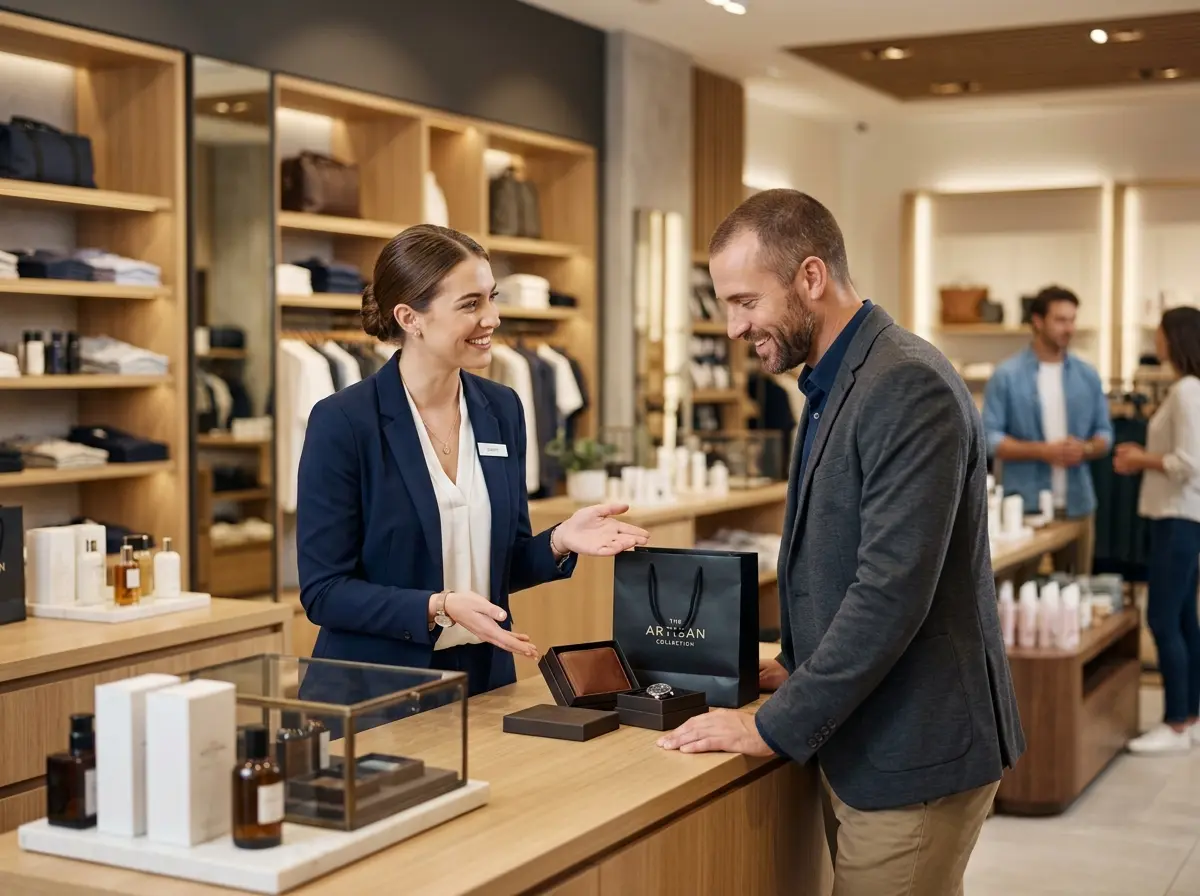
Here's a hard truth: if your front desk staff feel awkward about upselling, your clients will feel awkward too, and nothing will get sold. The fix isn't to hire salespeople — it's to reframe the entire conversation. Your team isn't selling; they're recommending. There's a meaningful psychological difference between "Would you like to buy a package?" and "Based on what [provider name] recommended, a series of three treatments will give you the best long-term results — we actually have a package that makes that really affordable."
Role-play is your best friend here. Run short, weekly checkout scenarios with your team so the language becomes second nature. Develop two or three scripts that feel natural and on-brand, and let staff personalize them. Also, make sure your providers are briefing the front desk before the client reaches checkout — a warm handoff with a specific recommendation gives the front desk real ammunition and makes the whole interaction feel cohesive rather than transactional.
How Technology Can Do the Heavy Lifting at Checkout
Putting Consistency on Autopilot
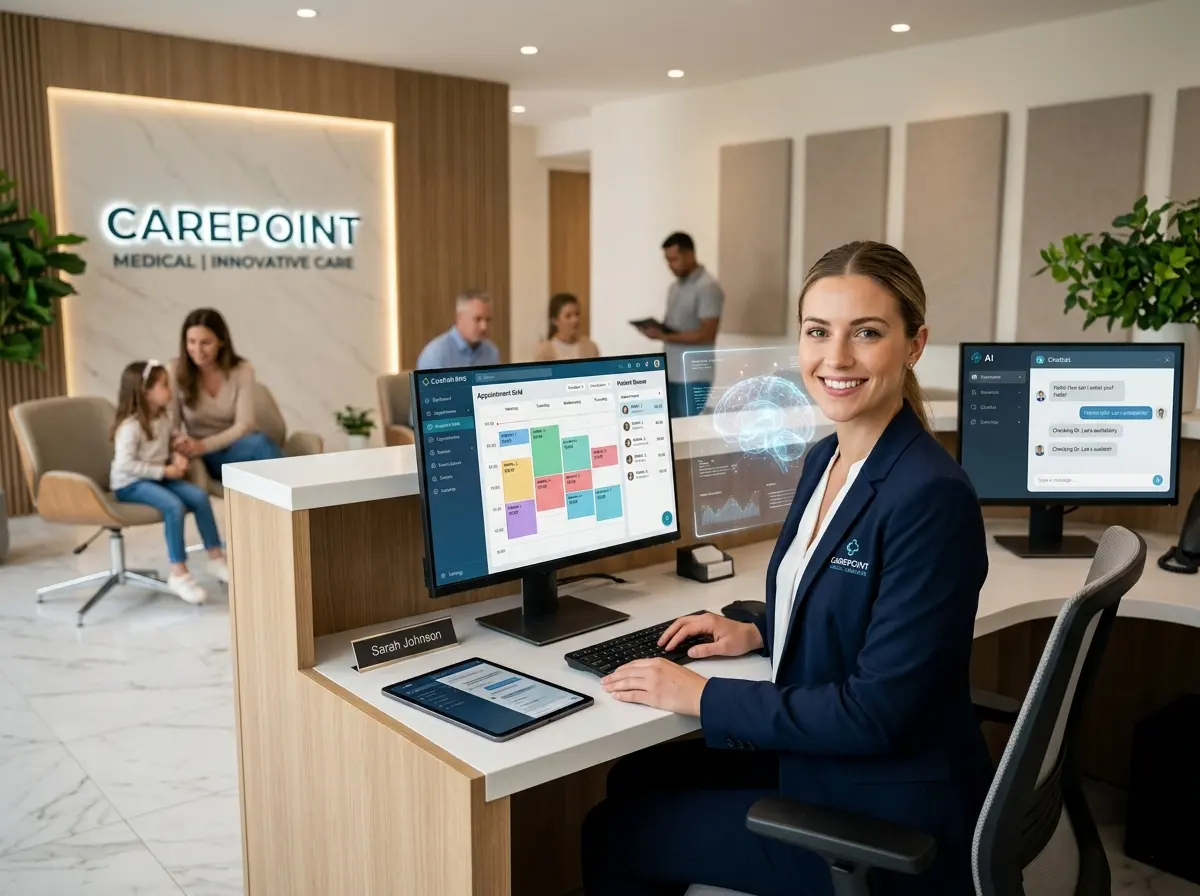
One of the biggest challenges with upselling is consistency. On a busy Saturday, your front desk is juggling phones, walk-ins, and three people waiting to check out — upselling a package deal becomes the last thing on anyone's mind. That's where smart technology earns its keep.
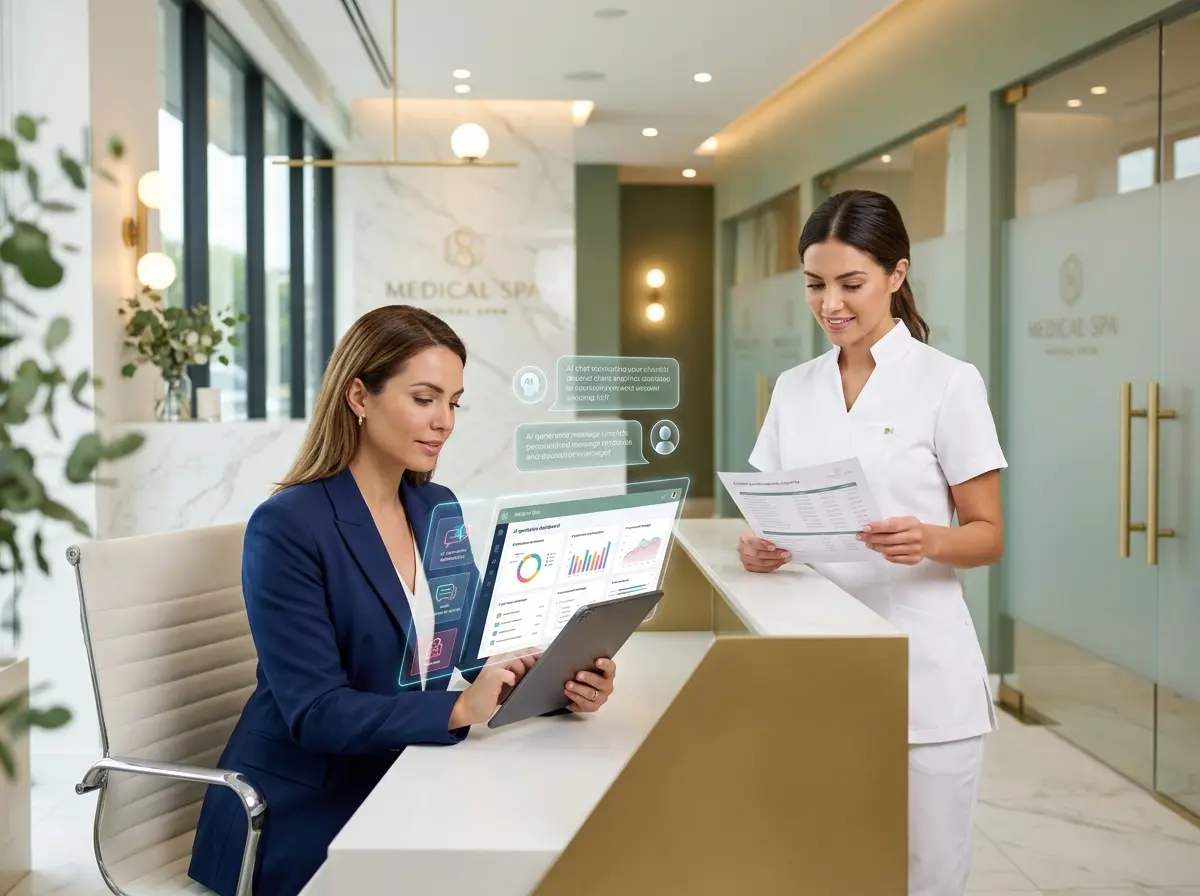
Stella, the AI robot employee and phone receptionist, is purpose-built to handle exactly this kind of engagement. As a human-sized kiosk stationed inside your med spa, she proactively greets clients, introduces current package promotions, and answers questions about your offerings — all without pulling a single staff member away from their work. While your team is wrapping up a treatment room or handling a complicated scheduling request, Stella is already having a friendly, informed conversation with your client at the checkout area about your current series deals and seasonal specials.
On the phone side, Stella answers calls 24/7, walks prospective clients through available packages, and collects intake information through conversational forms — so when a client calls after hours wondering about your laser package pricing, they get a real, helpful answer instead of a voicemail. Her built-in CRM even logs client interactions and generates AI-powered profiles, so your team always knows who they're talking to and what that client has shown interest in before.
Building a System That Sustains Your Upsell Strategy Long-Term
Tracking What's Actually Working
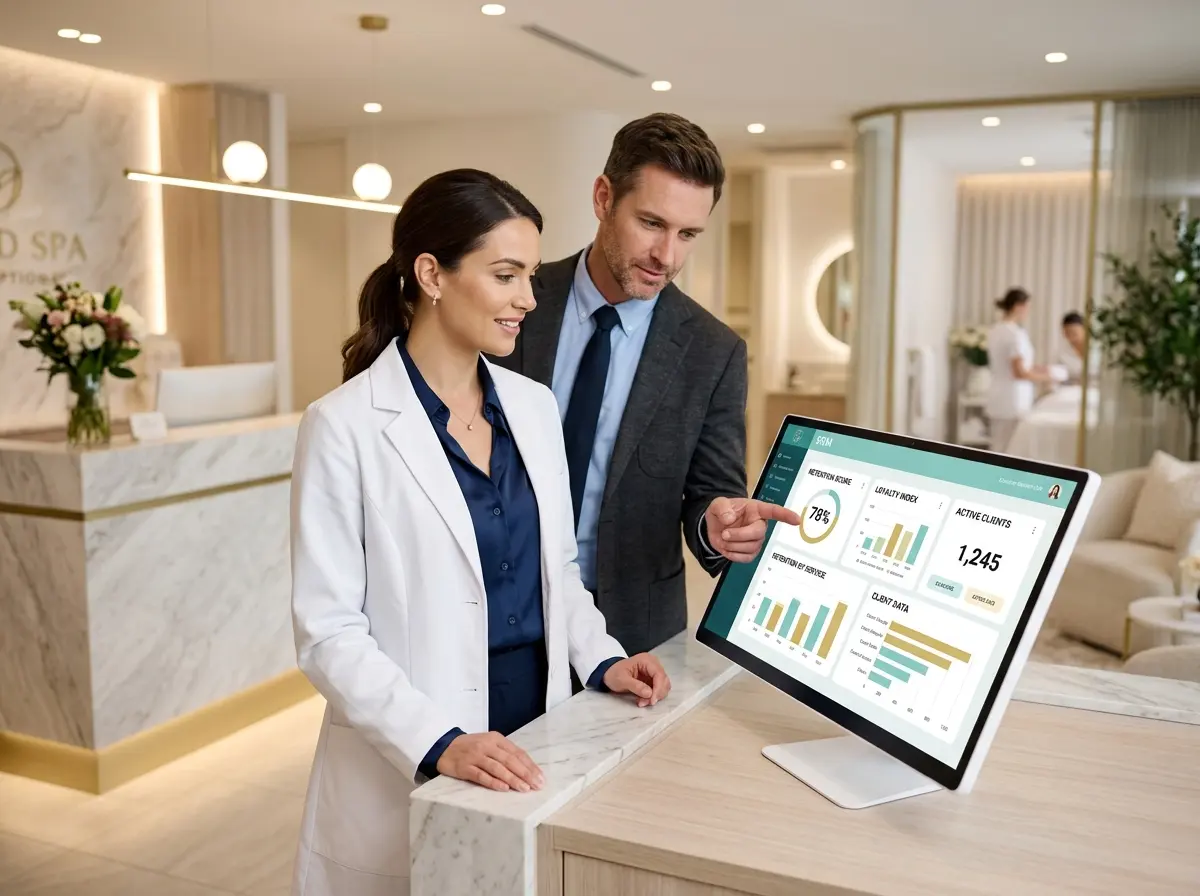
You can't improve what you don't measure. Most med spas have a vague sense that their packages sell "pretty well," but they couldn't tell you their package attach rate, which packages convert best, or at what point in the client journey most purchases happen. Start tracking these numbers, even informally at first.
Set a baseline by reviewing how many package deals were sold per month over the last quarter. From there, establish a target attach rate — meaning what percentage of single-service clients do you want to convert to a package? Industry benchmarks vary, but a well-run med spa with intentional upsell training can realistically achieve a 20–35% package conversion rate at checkout. Track monthly, review with your team, and celebrate the wins. A small incentive structure for front desk staff who consistently hit package targets doesn't hurt either.
Using Client History to Personalize the Pitch
Generic upselling feels like spam. Personalized upselling feels like great service. The difference lies in using what you already know about your clients. If someone has been coming in for individual Botox appointments every four months for two years, they are an ideal candidate for a prepaid loyalty package — and your front desk should know that before the client even reaches the desk.
Build a simple protocol around your client management system: flag repeat single-service clients after their third visit, generate a package recommendation note in their profile, and ensure the front desk sees it at checkout. This kind of personalized outreach can also extend to follow-up emails or texts after the appointment, gently reminding clients of the package options discussed. A well-timed message 24 hours post-treatment — when the glow is still fresh — can close sales that didn't happen at checkout.
Aligning Your Seasonal Promotions With Package Strategy
Seasonal promotions are a natural catalyst for package sales, but only if you plan them with intention. The classic "Holiday Gift Card" promotion is table stakes. What separates high-performing med spas is how they layer package deals into seasonal momentum. For example, a "New Year, New You" campaign in January that bundles a consultation, a starter treatment, and a discounted series is far more compelling — and far more profitable — than a standalone 10% discount on individual services.
Map out your promotional calendar three to six months in advance and build corresponding package offers for each season. Consider which treatments are most popular during specific times of year (think laser hair removal in spring, hydrating facials in winter) and create bundles that make logical sense for client goals during those windows. When your packages align with what clients are already thinking about, the conversation at checkout practically sells itself.
Quick Reminder About Stella
Stella is an AI robot employee and phone receptionist designed to help businesses like yours run more smoothly — greeting clients in person, answering calls around the clock, promoting deals, collecting client information, and supporting your team without ever needing a coffee break. She's available for just $99 per month with no upfront hardware costs and is surprisingly easy to get up and running. For a med spa focused on consistent client experience and revenue growth, she's worth a serious look.
Turn Checkout Into a Revenue Strategy, Starting Today
Upselling package deals at checkout isn't about being pushy — it's about being prepared. When you combine smart package design, trained staff, personalized client data, and technology that keeps the conversation consistent, checkout transforms from a forgettable formality into one of your most reliable revenue touchpoints.
Here's where to start this week:
- Audit your current packages. Do they have outcome-focused names? Clear savings? Reasonable timelines? If not, redesign them before anything else.
- Run one checkout role-play session with your front desk team. Just 15 minutes. Focus on the warm handoff from provider to front desk and a natural two-sentence package recommendation.
- Set a baseline metric. Pull last month's package sales and calculate your current attach rate. Write it down. That number is your starting point.
- Flag your top repeat single-service clients. These are your lowest-hanging fruit for package conversion in the next 30 days.
- Explore tools that support consistency at scale — because even the best strategy falls apart when your team is stretched thin.
The clients are already coming in. The satisfaction is already there. All that's left is to make it easy — for them to say yes, and for your team to ask confidently. Start with one small change this week, and build from there. Your future revenue statements will thank you.