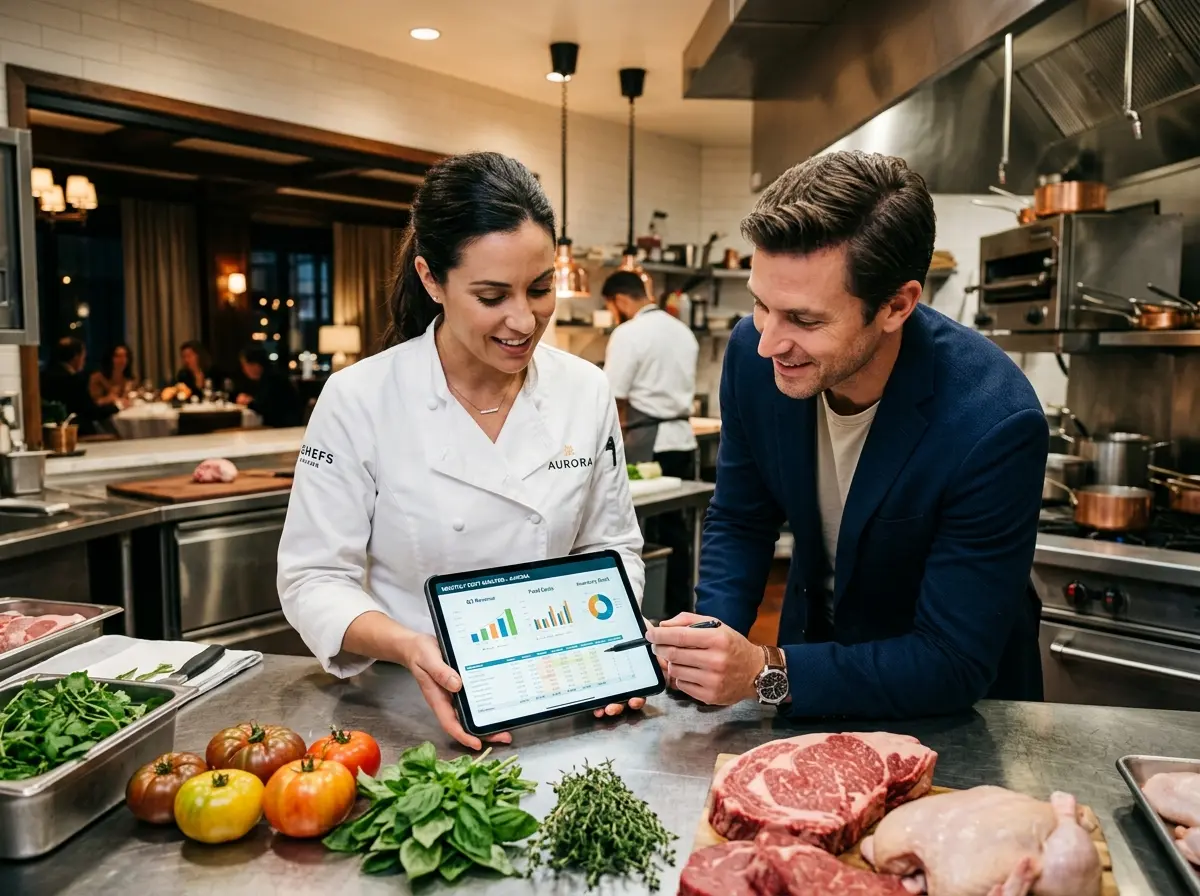
Introduction: Because "Just Buy Less Food" Isn't Actually a Strategy
Food costs are the silent killer of restaurant profit margins. You pour your heart into your menu, train your staff, and pack the dining room — only to look at your monthly numbers and wonder where all the money went. Spoiler: it's in the trash. Literally. The USDA estimates that food waste costs the restaurant industry over $162 billion per year, and the average restaurant operates on a razor-thin profit margin of just 3–9%. That leaves very little room for error, over-ordering, or that one prep cook who treats parsley like confetti.
The good news? You don't have to choose between cutting costs and maintaining the quality your customers love. The even better news? Most of the strategies that reduce food costs actually improve your kitchen operations at the same time. It's one of those rare win-win situations that doesn't require anyone to sacrifice anything — except maybe that bloated 12-page menu that nobody asked for.
This guide walks you through practical, proven approaches to trimming food costs without trimming the experience that keeps customers coming back. Whether you're running a cozy bistro or a high-volume fast-casual spot, there's something here that will save you money starting this week.
Smarter Purchasing and Inventory Management
The biggest gains in food cost reduction almost always start before the food even enters your kitchen. How you buy, track, and store ingredients has an enormous impact on your bottom line — yet it's the area most restaurant owners treat as an afterthought.
Build a Real Relationship With Your Suppliers
If your current relationship with your food supplier is limited to placing orders online and occasionally arguing about a missing delivery, you're leaving money on the table. Suppliers often offer better pricing, priority access to seasonal items, and flexible terms to restaurants that communicate regularly and pay reliably. Call your rep. Ask about upcoming price changes, surplus stock at a discount, or local sourcing options that might reduce your per-unit cost. You'd be surprised what's available when you simply ask.
It's also worth getting at least two or three quotes for your highest-volume ingredients on a semi-regular basis. Loyalty is great, but blind loyalty to a supplier who quietly raised their prices six months ago is just expensive.
Stop Guessing and Start Tracking
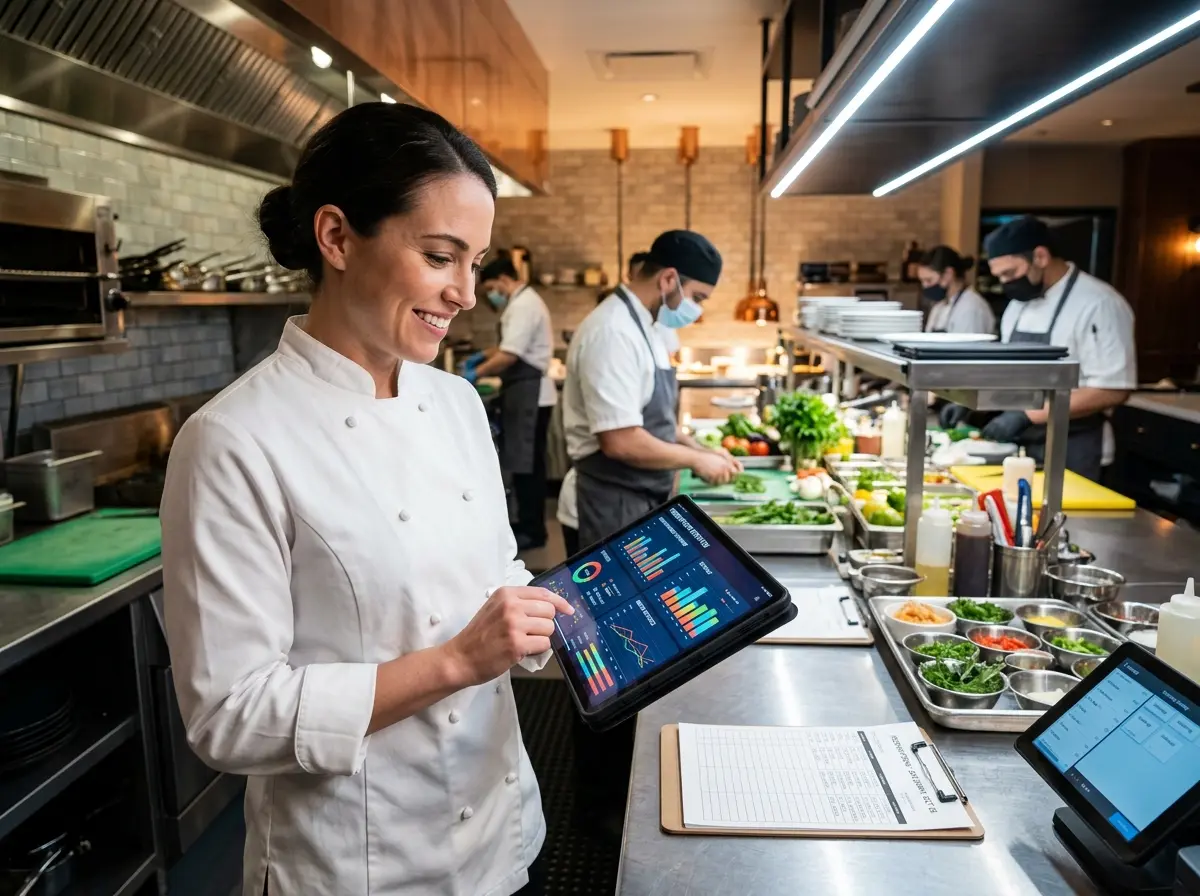
If you're not doing weekly inventory counts, you're essentially running your restaurant with a blindfold on. Consistent inventory tracking — yes, manually counting everything, down to the half-bottle of fish sauce — gives you real data on what's actually being used versus what's being wasted, stolen, or over-portioned. Many restaurants that implement strict weekly inventory processes discover their actual food cost percentage drops by 2–4% within the first month. That might not sound dramatic, but on $50,000 in monthly food revenue, that's an extra $1,000–$2,000 back in your pocket.
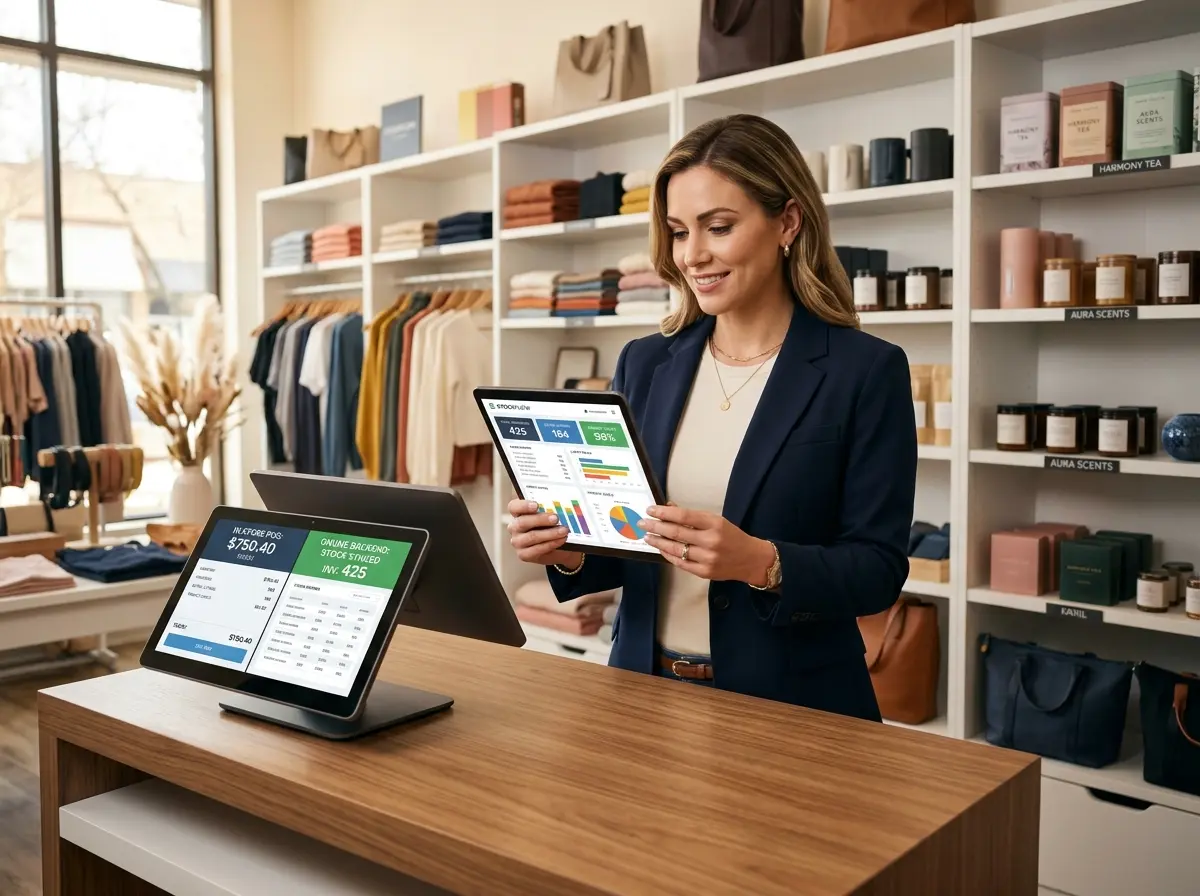
Invest in a solid inventory management system — options like MarketMan, BlueCart, or even a well-maintained spreadsheet are far better than guessing. Set par levels for every item, and stick to them religiously when placing orders.
Embrace Seasonal and Local Sourcing
Seasonal ingredients are cheaper because supply is high and transport costs are low. They're also fresher, which means better flavor and longer shelf life — a double win. Work with a local farm or two, build a small seasonal section into your menu, and let your chef get creative with what's abundant and affordable. Customers increasingly love seeing seasonal specials; it signals freshness and intentionality. Position it as a feature, not a budget move, because honestly, it's both.
Menu Engineering: Your Menu Is a Financial Document
Most restaurant owners think of their menu as a creative expression. Your accountant thinks of it as a profit-and-loss statement in disguise. Both are right, and the best menus balance both perspectives deliberately.
Know Your Stars, Plowhorses, Puzzles, and Dogs
Menu engineering is the practice of categorizing every item on your menu by two factors: popularity and profitability. Items that are both popular and profitable are your Stars — protect them at all costs. High-profit but low-popularity items are Puzzles — worth promoting more aggressively. Low-profit but popular items are Plowhorses — consider reformulating their recipes slightly or adjusting pricing. And items that are neither popular nor profitable? Those are your Dogs, and it's time to have an honest conversation about removing them.
Trimming a bloated menu also reduces your ingredient list, which simplifies purchasing, reduces waste, and allows your kitchen team to execute every dish with more consistency. A focused menu of 30 items executed brilliantly beats a sprawling menu of 80 items executed inconsistently every single time.
Price Thoughtfully, Not Emotionally
Many restaurant owners set menu prices based on gut feeling or competitor comparison, which is how you end up charging $14 for a dish that costs $7 to produce when your target food cost percentage should be closer to 28–32%. Calculate the actual food cost for every item, set your target food cost percentage, and work backward to determine appropriate pricing. If your numbers scare you, remember: customers aren't as price-sensitive as you fear, especially when the perceived value is high. A small, well-justified price increase is far less damaging than quietly absorbing losses for two years.
How Technology Can Help You Run Leaner
Running a restaurant is chaotic enough without your front-of-house operations adding to the noise. One area where smart technology genuinely pays for itself is in customer communication — freeing your staff to focus on service rather than fielding repetitive questions, managing phone calls during a dinner rush, or chasing down promotion details mid-shift.
Let an AI Handle the Front Door and the Phone
This is where Stella comes in. Stella is an AI robot employee and phone receptionist that greets customers, answers questions about your menu, specials, and promotions, and handles phone calls 24/7 — without ever needing a break or calling in sick on a Saturday night. For restaurants, this means your actual staff can stay focused on delivering great food and service rather than stopping every five minutes to explain your hours to someone who could have gotten that answer instantly.
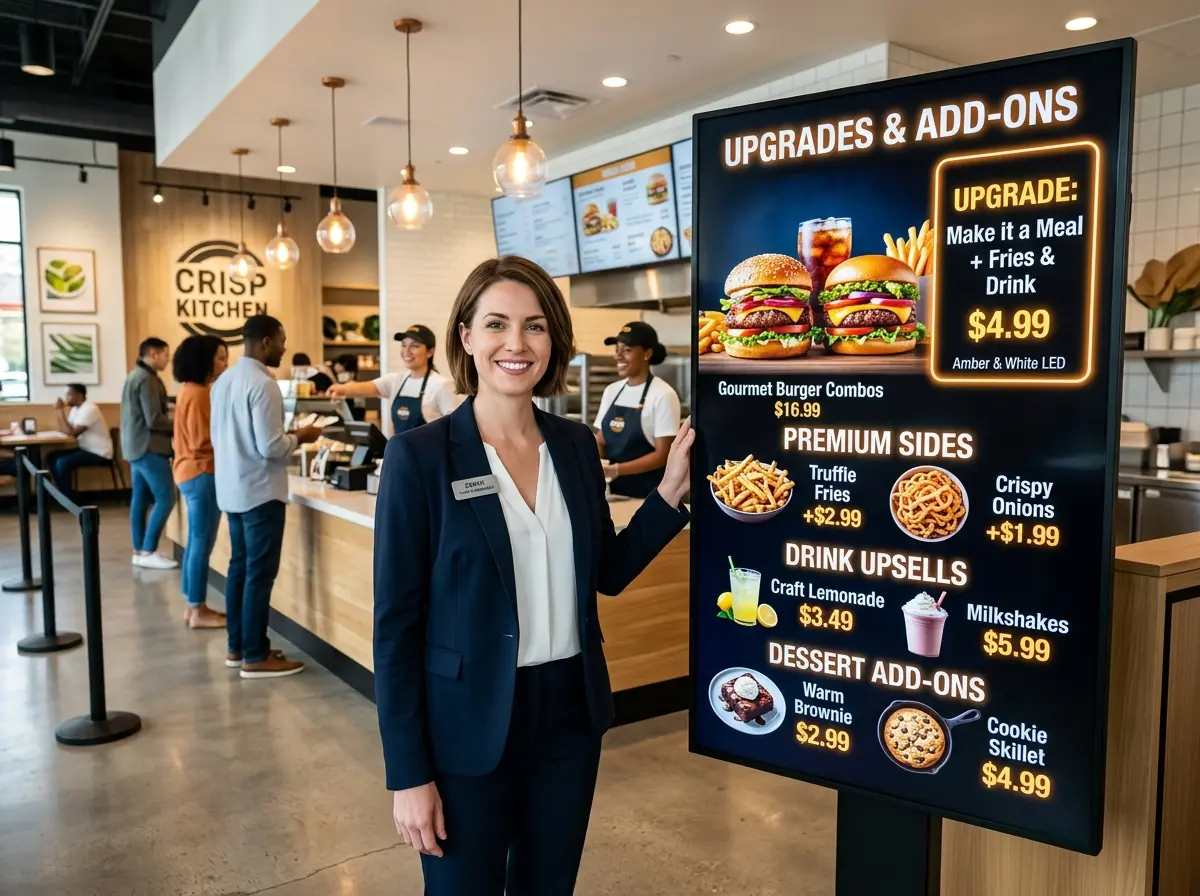
Stella can also proactively promote your current specials and higher-margin items — essentially doing the upselling work that busy servers sometimes forget to do. At just $99/month with no upfront hardware costs, she costs less than a part-time employee's weekly paycheck and shows up every single day. In a tight-margin business like restaurants, that kind of reliable, low-cost support adds up fast.
Reducing Waste Without Reducing Quality
Food waste is where good intentions go to die. Every kitchen has a plan to reduce waste, and every kitchen also has a bin full of wilting produce by Thursday. The difference between restaurants that actually minimize waste and those that just talk about it comes down to systems, accountability, and a little culinary creativity.
Implement a FIFO System Like Your Life Depends on It
First In, First Out (FIFO) is the oldest trick in the food storage book, and yet it's violated constantly in busy kitchens. New deliveries get stacked in front of older stock, the older stock gets forgotten, and by Friday you're throwing out perfectly usable product. Label everything with receipt dates. Train every single person who touches your walk-in cooler on FIFO. Make it a non-negotiable standard, not a suggestion. This one habit alone can meaningfully extend the usable life of your perishable inventory.
Get Creative With Trim and Byproducts
The most cost-conscious restaurants treat every part of an ingredient as a potential menu contribution. Carrot tops become garnish or stock. Bread that didn't sell yesterday becomes croutons or breadcrumbs. Meat trim becomes a staff meal, a soup base, or a special. This isn't a new concept — French cuisine built an entire culinary tradition around using everything — but it requires intentional planning and a kitchen culture that values resourcefulness. Run a weekly "use it up" special that incorporates whatever needs to move, and let your chef get creative. Customers often love limited specials more than regular menu items because of the exclusivity factor.
Train Your Team on Portion Control
Inconsistent portioning is one of the most overlooked food cost leaks in restaurant operations. When one cook plates 8 ounces of protein and another plates 10 because they eyeball it differently, that 25% variance adds up to thousands of dollars over a month. Use scales, use portion scoops, and use standardized recipe cards. Mystery variations in plate costs are not charming — they're expensive. Make portioning a training priority, not an afterthought, and conduct regular spot checks to keep standards consistent.
Quick Reminder About Stella
Stella is an AI robot employee and phone receptionist designed to work inside your business and answer calls around the clock — so your team stays focused on what they do best. She greets customers, promotes specials, handles FAQs, and manages incoming calls without dropping the ball during your busiest hours. At $99/month with no upfront costs, she's one of the most affordable ways to add a reliable, professional presence to your restaurant without adding to your payroll headaches.
Conclusion: Small Changes, Real Savings
Reducing food costs isn't about slashing quality or turning your kitchen into a joyless optimization machine. It's about running smarter operations — buying intentionally, engineering your menu with purpose, minimizing waste through consistent systems, and leveraging technology to keep your front-of-house running efficiently so your team can focus on the food.
Here's where to start this week:
- Conduct a full inventory count and set up weekly tracking if you haven't already.
- Pull your menu's food cost percentages and identify at least three items to reprice, reposition, or remove.
- Audit your walk-in cooler for FIFO compliance and waste patterns.
- Call your primary supplier and ask what deals or surplus stock is available this month.
- Evaluate where technology can save staff time — including tools like Stella for customer-facing communication and phone management.
None of these steps require a major investment or a dramatic overhaul. They require discipline, consistency, and the willingness to treat your restaurant like the business it is — not just the passion project it started as. Your profit margin will thank you. And so will your sanity.