Introduction: The Great Pickup Debate
So, you've decided to offer customers the glorious convenience of picking up their orders without waiting three to five business days for a delivery driver to leave a package in the rain. Excellent decision. But now you're faced with a surprisingly nuanced choice: click-and-collect or curbside pickup? Because apparently, just deciding to be convenient isn't enough — you also have to pick which kind of convenient you want to be.
This isn't just a logistical question. It touches your staffing, your store layout, your customer experience, and ultimately your bottom line. Both models have real merit, and both have real drawbacks. The good news is that understanding the difference — and knowing which one fits your specific retail operation — isn't as complicated as it might seem. By the end of this post, you'll have a clear picture of how each model works, who it works best for, and how to execute it without turning your backroom into a chaotic obstacle course.
Let's break it down.
Understanding the Two Models
What Is Click-and-Collect?
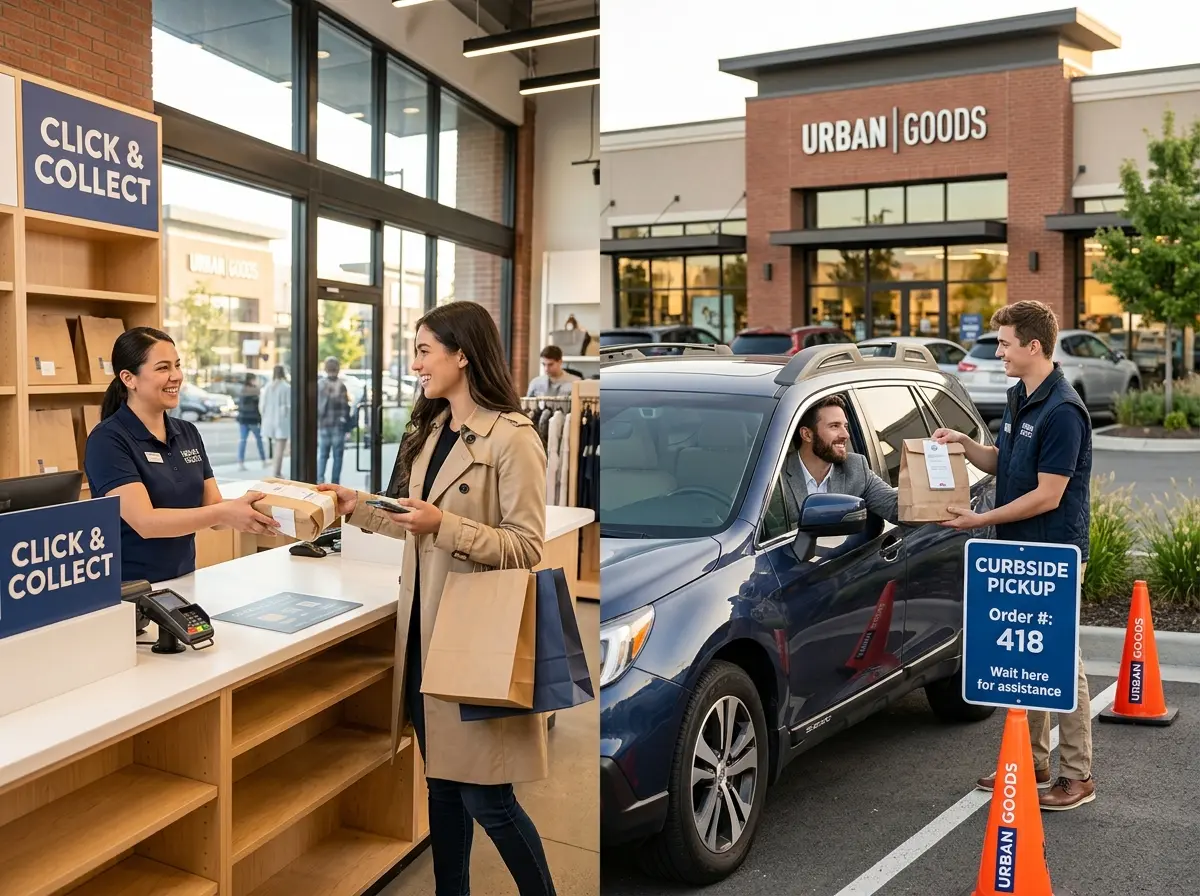
Click-and-collect (also called BOPIS — Buy Online, Pick Up In Store) is exactly what it sounds like. Customers browse your inventory online, place an order, and then walk into your store to pick it up. Simple, right? The beauty of this model is that it gets customers physically inside your store, which is a golden opportunity. According to a study by the International Council of Shopping Centers, 61% of shoppers who use click-and-collect make additional purchases when they come in to grab their order. That's not a coincidence — that's foot traffic working in your favor.
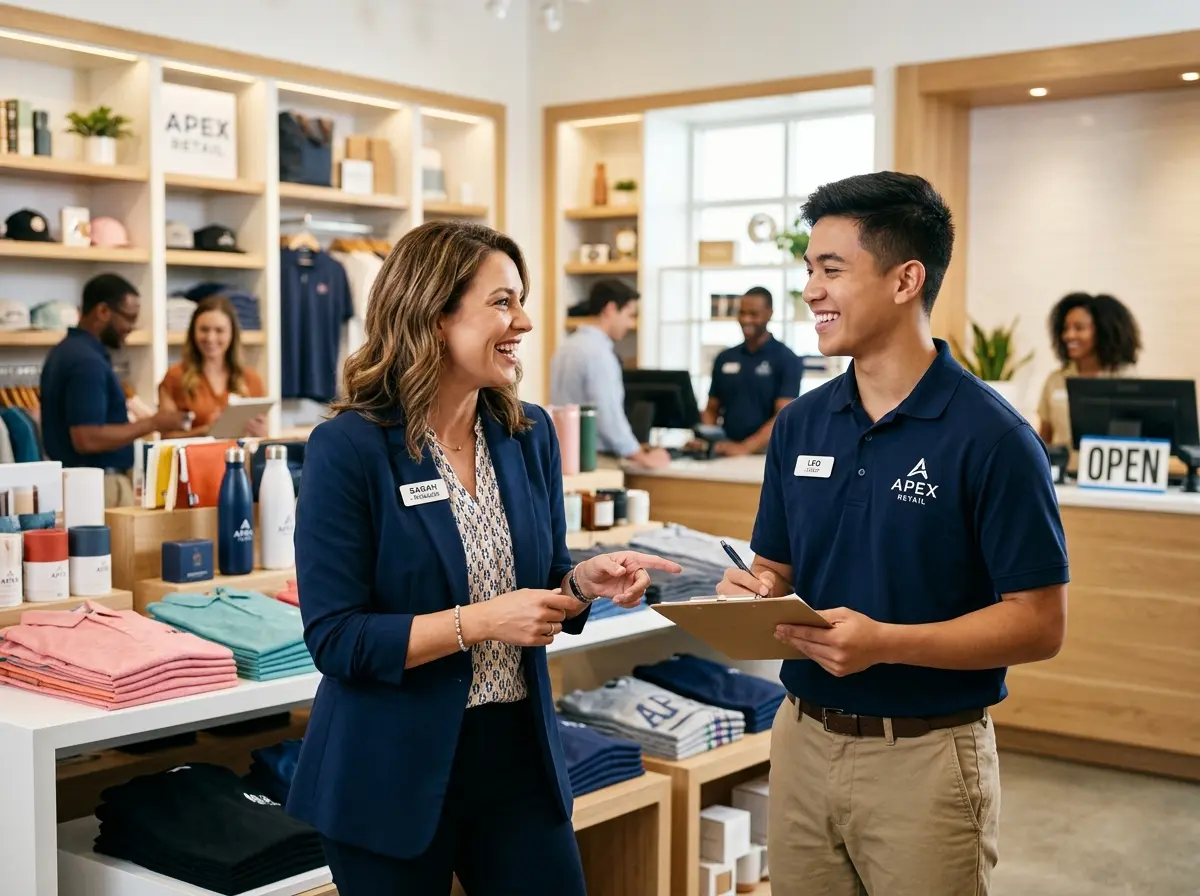
Click-and-collect works especially well for retailers with strong in-store experiences, wide product selections, or items that benefit from being seen in person. Think clothing boutiques, home goods stores, electronics retailers, or specialty shops where browsing is half the fun. If your store is the kind of place people want to walk around in, you should be getting them through the door as often as possible.
What Is Curbside Pickup?
Curbside pickup is the pandemic-era darling that turned out to have serious staying power. Customers order online or by phone, pull up to a designated spot outside your store, and a staff member brings their order out to them. No parking. No browsing. No accidental impulse buys. (Which, from a revenue standpoint, is the one significant downside.)
The appeal for customers is undeniable: it's fast, frictionless, and they don't even have to unbuckle their seatbelt. For certain demographics — parents with young children, people with mobility challenges, or simply the time-crunched professional who needs to grab something between meetings — curbside isn't just convenient, it's a genuine differentiator that can build serious customer loyalty. According to Adobe Analytics, curbside pickup orders grew by over 200% during 2020 and have remained elevated well above pre-pandemic levels ever since.
Key Differences at a Glance
The core distinction comes down to where the customer goes and what they experience. Click-and-collect brings customers inside and opens the door to upselling, browsing, and in-store engagement. Curbside keeps them outside and prioritizes speed and ease above all else. Neither is inherently superior — they serve different customer needs and different business types. Your job is figuring out which need you're best positioned to meet.
How Your Store Setup and Staffing Factor In
Letting Technology Carry Some of the Load
Here's where smart retailers are gaining an edge: using technology to fill the gaps that both pickup models create. Click-and-collect means more customers walking in, often with specific questions ("Is my order ready?" "Can I add something to my pickup?"). Curbside means more calls to your store — customers calling to say they've arrived, asking about estimated wait times, or checking on order status. Either way, your staff is fielding more interruptions.
This is exactly the kind of operational friction that Stella, the AI robot employee and phone receptionist, is built to absorb. For click-and-collect stores, Stella's in-store kiosk presence means she can greet arriving customers, confirm their order details, answer product questions, and even promote related items while the customer waits — turning a simple pickup into a mini sales interaction. For curbside-heavy operations, Stella handles incoming calls 24/7, fielding arrival notifications, hours questions, and order inquiries without pulling a single staff member away from order fulfillment. Less chaos, more throughput.
Choosing the Right Model for Your Retail Store
When Click-and-Collect Makes More Sense
If your store thrives on the in-store experience, click-and-collect is almost certainly your better option. Retailers who sell products that customers want to touch, try on, or see in context — apparel, furniture, specialty food, gifts — benefit enormously from getting shoppers through the door. Even if a customer came in just to grab a pre-paid order, the right display, the right greeting, and the right product placement can turn a two-minute pickup into a $40 add-on sale.
Click-and-collect also works well if you have limited parking or are located in a dense urban area where curbside logistics are genuinely difficult to manage. If there's nowhere for a car to safely idle while a staff member runs out an order, don't build a model that requires exactly that.
When Curbside Pickup Is the Smarter Play
Curbside is the right choice when speed and convenience are your primary competitive advantages — or when your customer base genuinely demands it. Grocery stores, pharmacies, pet supply shops, and auto parts retailers are natural fits. These are destinations where customers know exactly what they want, they've already decided to buy it, and they simply want it as fast as possible. Making them walk inside adds friction without adding value.
Curbside also makes sense if your store layout isn't particularly browsing-friendly, if you have consistent parking availability, or if your order volume is high enough that a dedicated curbside team can operate efficiently. The key is making sure you have a reliable notification and communication system so customers aren't sitting in your parking lot for ten minutes wondering if anyone knows they're there. (Spoiler: nothing kills curbside loyalty faster than that experience.)
Can You Offer Both? (Yes, But Do It Thoughtfully)
Many mid-to-large retailers offer both models, letting customers choose at checkout. This is a great customer experience move — in theory. In practice, it doubles your operational complexity. You need clear workflows for both scenarios, dedicated staging areas, and staff who understand the difference between the two without getting confused during a busy Saturday afternoon rush.
If you're going to offer both, start with one, get it running smoothly, and then layer in the second. Trying to launch both simultaneously is how you end up with angry customers standing at your pickup counter while their car idles illegally outside. Roll it out in phases, train your team thoroughly, and use technology to help manage the communication load on both ends.
Quick Reminder About Stella
Stella is an AI robot employee and phone receptionist built for businesses of all sizes — she stands inside your store as a friendly, knowledgeable kiosk and answers phone calls 24/7 with the same business expertise she uses in person. For just $99/month with no upfront hardware costs, she greets customers, promotes deals, answers questions, and handles calls so your staff can focus on fulfillment and service. Whether you're running click-and-collect, curbside, or both, Stella helps your operation run smoother without adding headcount.
Conclusion: Pick a Lane and Execute It Well
The click-and-collect vs. curbside pickup debate doesn't have a universal winner — it has a right answer for your store, based on your customers, your layout, your staffing capacity, and your competitive strengths. Here's how to move forward:
- Audit your customer behavior. Are your customers coming in to browse, or are they mission-driven shoppers who want in and out? Your answer will point you toward the right model almost immediately.
- Evaluate your physical space. Do you have parking and a clear exterior staging area for curbside? Do you have a welcoming, well-merchandised interior that benefits from foot traffic? Let your space guide your decision.
- Start with one model and optimize it. Get your workflows, signage, communication systems, and staffing right before adding complexity.
- Use technology to handle the communication overhead. Whether it's order-ready notifications, arrival alerts, or incoming calls from customers who have questions, automate what you can so your people focus on what matters.
- Measure and adjust. Track average pickup times, add-on purchase rates (for click-and-collect), and customer satisfaction. The data will tell you whether your model is working — or whether it's time to switch lanes.
Convenience is no longer a luxury feature in retail — it's a baseline expectation. The stores that win are the ones that deliver it reliably, efficiently, and without making customers feel like they're doing you a favor by showing up. Pick your model, execute it well, and give your customers a reason to keep coming back.