The 11 PM Problem No Law Firm Wants to Talk About
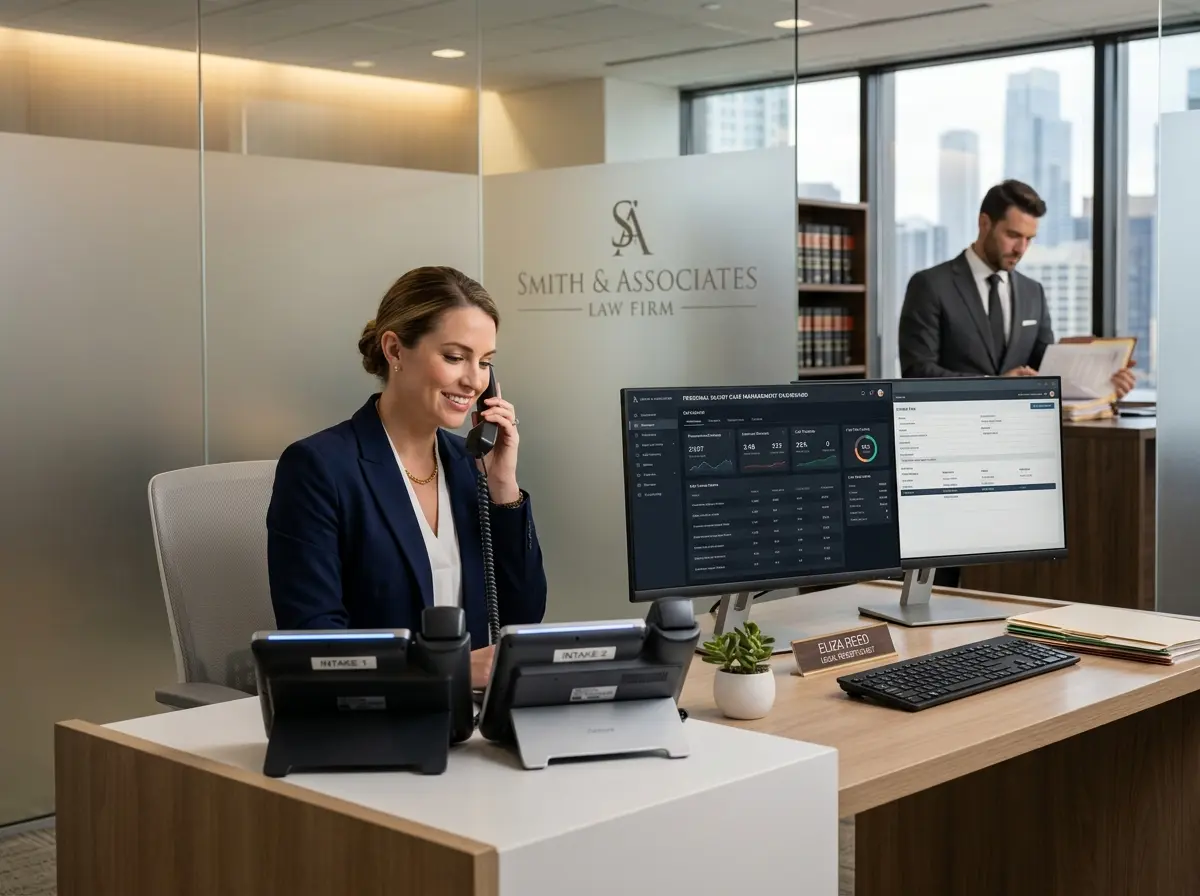
Picture this: a potential client — let's call her Sarah — just got served with papers at 10:47 PM on a Tuesday. She's panicking, she's Googling, and she's calling every law firm that shows up in the results. Your firm is on that list. Your phone rings. And rings. And goes to a generic voicemail that says, "Your call is very important to us. Please leave a message."
Sarah leaves a message. Then she calls the next firm on the list, which happens to have an after-hours answering service. They capture her information, schedule a consultation, and by the time your office opens Wednesday morning, Sarah is already someone else's client.
This is the after-hours consultation problem — and it costs law firms thousands of dollars in lost business every single month. The traditional fix has always been to outsource to a third-party answering service. But outsourcing comes with its own headaches: inconsistent quality, agents who don't understand your practice areas, and costs that creep up faster than billable hours on a complex case. There's a better way, and a growing number of law firms are already using it.
Why After-Hours Intake Is a Bigger Deal Than Most Firms Admit
The Window of Opportunity Is Smaller Than You Think
Legal consumers are not patient shoppers. Unlike someone buying a couch who might browse for weeks, people seeking legal help are often in crisis mode — and they act fast. According to research from the Legal Trends Report, clients increasingly expect immediate responses, with a significant portion of potential clients moving on if they don't hear back within a few hours. After-hours calls represent a disproportionately high share of urgent, high-value inquiries — family law emergencies, criminal matters, business disputes — exactly the kinds of cases that make or break a firm's revenue.
The irony is that the clients most willing to pay a premium are often the ones calling outside of business hours, because they have jobs, families, and lives that prevent them from calling at 2 PM on a Thursday. Missing those calls isn't just a customer service issue. It's a revenue leak.
The Outsourcing Trap
Third-party legal answering services seem like the obvious solution, and for years they were the only solution. But they come with real tradeoffs. Agents are typically reading from scripts and have no deep familiarity with your practice areas, your intake requirements, or the tone your firm wants to project. Clients can tell the difference between someone who genuinely represents your firm and someone who is clearly reading from a script at a call center.
Then there's the cost. Basic legal answering services often start around $200–$300 per month for limited minutes and can scale into the thousands depending on call volume. And if you need customized intake forms, bilingual support, or CRM integration, expect to pay more — significantly more. You're essentially paying a premium for a service that, at best, is a pale imitation of having a real team member available.
What Firms Actually Need After Hours
When you strip away the noise, what a law firm actually needs after hours is fairly specific: someone (or something) that can answer calls professionally, explain the firm's practice areas and process, collect accurate intake information from prospective clients, and make sure the right people at the firm are notified when something urgent comes in. That's it. It doesn't require a full-time hire. It doesn't require outsourcing. It requires a smart, reliable system that doesn't sleep.
How AI Reception Is Changing the After-Hours Game for Law Firms
A Real Solution That Actually Fits
This is where Stella enters the picture. Stella is an AI robot employee and phone receptionist built for businesses that need a professional, always-available presence — without the overhead of additional staff or the inconsistency of outsourced services. For law firms specifically, Stella answers calls 24/7 with the same detailed knowledge of the firm's services, practice areas, and intake process that a trained front-desk employee would have.
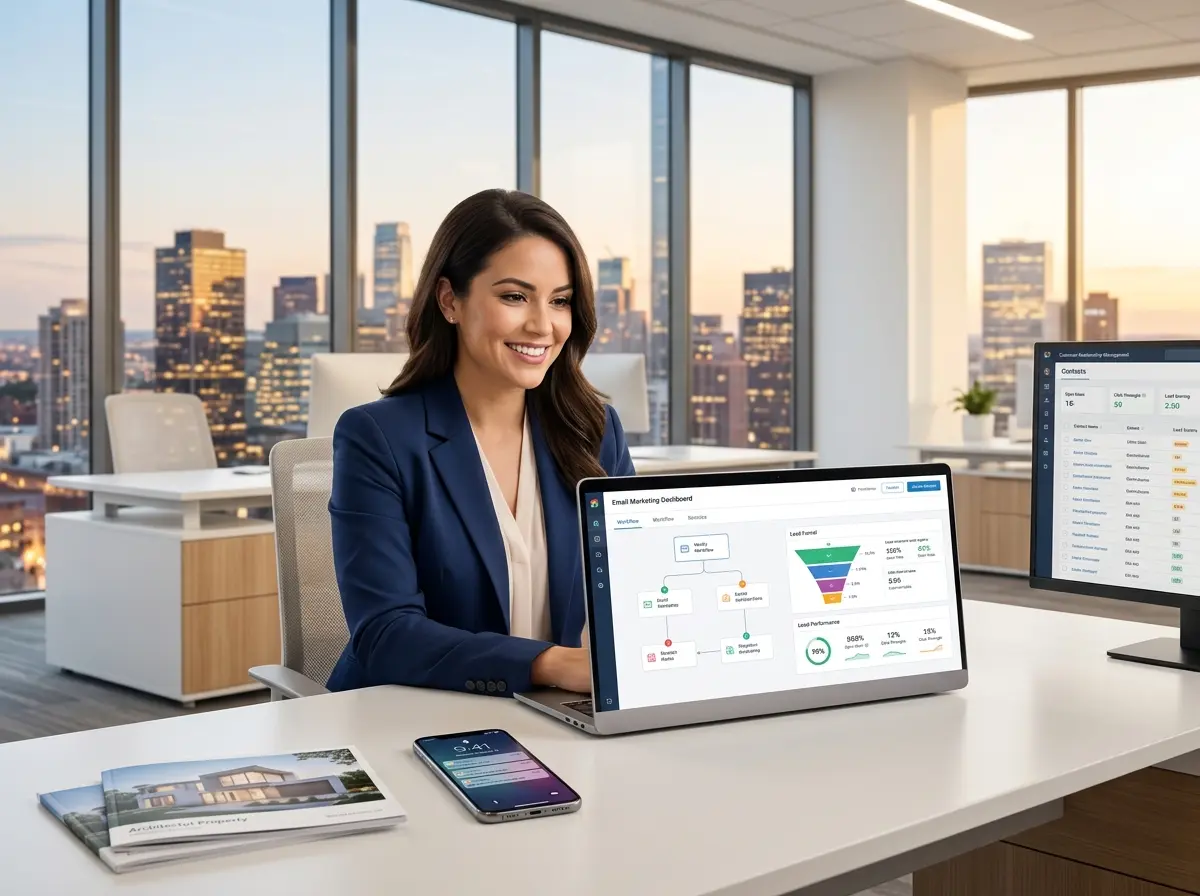
When a prospective client calls after hours, Stella doesn't just take a message — she conducts a proper conversational intake, collecting the relevant details through built-in intake forms that the firm configures. That information flows directly into Stella's built-in CRM, where it's organized with AI-generated contact profiles, custom fields, and tags. The managing attorney or intake coordinator gets a push notification with an AI-generated summary of the call — so by the time the office opens, the team already knows who called, why they called, and what the next step should be. No playing phone tag with a voicemail from someone who mumbled their callback number.
For firms with a physical office, Stella also operates as an in-person kiosk — greeting walk-in clients, answering questions about services, and maintaining a professional presence even when the front desk is occupied or unavailable. It's a genuinely comprehensive solution at a fraction of the cost of traditional alternatives, running on a straightforward $99/month subscription.
Building a Smarter After-Hours Intake Process
Define What "After Hours" Actually Means for Your Firm
Before you can fix the after-hours problem, you need to define it. For some firms, after hours means anything outside the standard 9-to-5 window. For others, it includes lunch breaks, high-volume periods when the receptionist is occupied, and weekends. Map out every gap in your current coverage and categorize the types of calls that tend to fall through. Are they mostly new client inquiries? Existing client check-ins? Urgent matters that need same-night attention?
This mapping exercise will also tell you a lot about your call routing needs. Not every after-hours call should go to voicemail — some genuinely need to reach a human immediately. A well-configured AI receptionist can handle this distinction intelligently, routing urgent calls to an on-call attorney while managing routine inquiries and intake independently.
Design an Intake Process Worth Having
A great after-hours system is only as good as the intake process behind it. Law firms should invest time in designing intake questions that are thorough but not intimidating. You want to capture the potential client's name and contact information, a brief description of the legal matter, relevant dates or deadlines, and how they found the firm. Conversational intake — the kind that feels like a natural dialogue rather than a form being read aloud — dramatically improves completion rates and the quality of information collected.
Keep in mind that different practice areas may warrant different intake flows. A family law inquiry has very different urgency markers than a business contract dispute. Segmenting your intake by practice area ensures that your team receives appropriately prioritized, relevant information rather than a one-size-fits-all summary.
Close the Loop with Fast Follow-Up
Capturing the lead is only step one. The real competitive advantage comes from what happens next. Law firms that follow up with after-hours inquiries first thing in the morning — ideally within the first hour of business — convert at significantly higher rates than those who let calls sit in a queue until someone gets around to it. Use the intake data to personalize your outreach. Reference the specific matter they called about. Show them you were paying attention, even at 11 PM, because you were.
If your firm can commit to same-morning follow-up on all after-hours intake, you will outperform the vast majority of your competitors almost by default. Most firms still haven't solved this problem. That gap is your opportunity.
Quick Reminder About Stella
Stella is an AI robot employee and phone receptionist that answers calls 24/7, conducts conversational intake, manages a built-in CRM, and keeps your team informed with AI-generated summaries and push notifications — all for $99/month with no upfront hardware costs. She also operates as a physical in-store kiosk for firms with a walk-in presence. Whether your firm is a solo practice or a growing multi-attorney operation, Stella is ready to work the shift nobody else wants.
Stop Letting After-Hours Calls Fund Your Competition
The good news is that the after-hours intake problem is entirely solvable. The firms winning new clients at 11 PM aren't necessarily bigger or better than yours — they're just more available. And availability, in 2024, doesn't require a rotating cast of overnight staff or an outsourced answering service that mispronounces your firm name.
Here's what you can do right now. First, pull your call data for the last 90 days and identify how many after-hours calls went unanswered or resulted in no follow-up. Put a dollar figure on that — even a rough estimate. Then design or revisit your intake process and make sure it captures everything your team needs to prioritize and convert a new inquiry. Finally, implement a system that can handle those calls consistently, professionally, and intelligently — without you having to worry about it.
Your competitors are not going to solve this problem for themselves and then wait politely while you catch up. The firms investing in smart, AI-powered intake systems now are building a structural advantage that compounds over time. Every call captured is a potential client relationship. Every call missed is a donation to the firm down the street.
Sarah deserved better than a generic voicemail. So did your revenue. Fix the gap.