Introduction: Because Word-of-Mouth Is Great — Until It Isn't
Let's be honest. As a personal trainer, you've built your business on sweat, results, and the occasional motivational speech that could rival a Rocky montage. And yet, when it comes to growing your client base, you're probably still relying on the same strategy as everyone else: hoping that your happy clients tell their friends. Sometimes they do. More often, they mean to — right after they finish that Netflix series they started three weeks ago.
The truth is, referral programs are one of the most powerful and cost-effective growth tools available to personal trainers — but only when they're designed intentionally. A vague "tell your friends and I'll give you a discount" whispered at the end of a session is not a referral program. It's a wish. According to Nielsen, 92% of consumers trust recommendations from people they know above any other form of advertising. That's an enormous opportunity just sitting there, waiting for you to stop improvising and start systematizing.
This guide will walk you through exactly how to build a referral incentive that genuinely rewards both the person doing the referring and the new client they bring in — because if only one side wins, nobody really wins. Let's get into it.
Building the Foundation of a Great Referral Program
Understanding What Motivates Both Sides
Before you slap a "$20 off your next session" sticker on your referral program and call it a day, take a moment to think about what actually motivates people. Your existing clients are busy, loyal, and presumably getting results — but they're not going to go out of their way to recruit new clients for you unless the incentive genuinely feels worth it. And the person being referred? They need a reason to say "yes" beyond "my trainer told me to."
Motivation for the giver tends to fall into two categories: tangible rewards (discounts, free sessions, merchandise) and social recognition (being acknowledged, feeling like a valued community member). Motivation for the receiver is usually about reducing the risk of trying something new — a free trial session, a discounted first month, or a complimentary consultation goes a long way toward getting someone through the door who might otherwise scroll past your Instagram ads forever.
Choosing the Right Incentive Structure
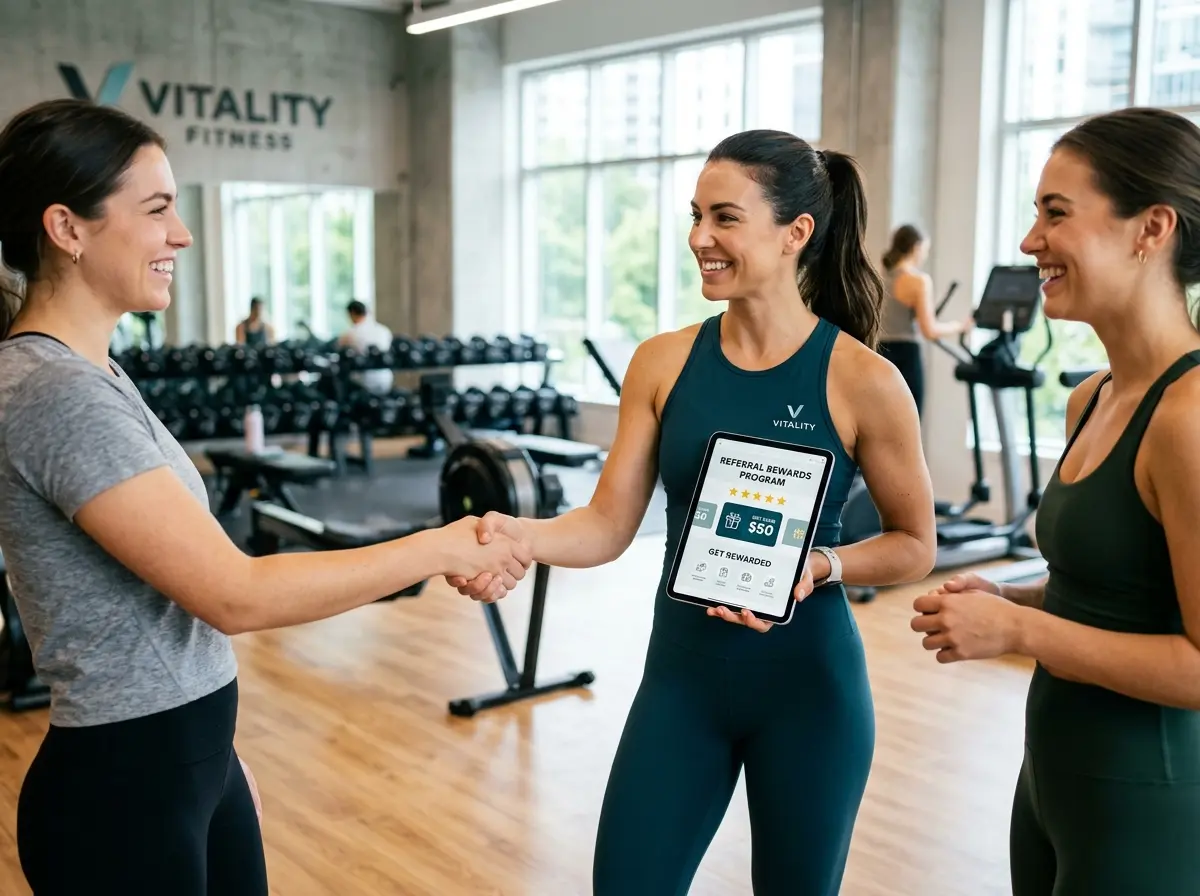
The sweet spot for a personal training referral program is a dual-sided reward system: both the referrer and the new client get something of real value. Here are a few structures that actually work in practice:
- Free session for the referrer + discounted first session for the new client. Simple, clean, and immediately appealing to both parties. A free session has high perceived value and low actual cost to you.
- Account credits for the referrer + a free fitness assessment for the new client. This works especially well if you offer packages, as credits keep clients locked into longer relationships with you.
- Tiered rewards for power referrers. If a client sends you three new paying clients in a quarter, they get escalating rewards — maybe a free month of training or premium merchandise. This turns your best clients into genuine brand ambassadors.
Whatever you choose, make sure the reward is proportional to the action. Offering a water bottle for a referral that nets you $500 in new business is, to put it gently, not your best look.
Making It Easy to Participate
The fastest way to kill a referral program is friction. If your client has to fill out a paper form, remember a special code, or send an email to a specific address that gets checked twice a month, they're simply not going to do it. Streamline the process as much as possible. Use a simple referral link, a text-based intake process, or even a dedicated landing page where new clients can enter the name of who referred them. The easier it is, the more often it will actually happen.
Letting Technology Handle the Admin So You Can Handle the Barbells
Automating Referral Tracking and Follow-Up
Here's where a lot of personal trainers lose momentum: they launch a referral program, get a few leads, and then spend the next two weeks trying to remember which client referred whom, whether they've issued the reward yet, and why they thought they could manage all of this in a Notes app. Sound familiar?
This is exactly the kind of operational headache that Stella — the AI robot employee and phone receptionist — can help smooth out. When a potential new client calls to ask about your training services or inquire about a referral offer they heard about, Stella answers 24/7 with full knowledge of your current promotions, packages, and referral program details. She can also collect intake information during that call — including who referred them — and log it directly into her built-in CRM, complete with custom fields, tags, and AI-generated contact profiles. No sticky notes, no dropped leads, no awkward "wait, who sent you again?" moments.
For trainers who also have a physical studio or gym location, Stella's in-person kiosk presence means she can greet walk-ins, answer questions about the referral program, and capture new client information right at the front of your space — even when you're mid-session with someone else and can't break away.
Promoting and Sustaining Your Referral Program
Getting the Word Out Without Being Annoying About It
A referral program that lives only in your head — or worse, only in a single Instagram Story from six months ago — is functionally the same as no referral program at all. You need to keep it visible without making every client interaction feel like a timeshare presentation. The key is to integrate referral mentions naturally into your existing touchpoints.
Bring it up at the end of milestone sessions. When a client hits a goal — lost 10 pounds, hit a new deadlift PR, finally nailed that pull-up — that's the exact moment they're most likely to want to share their success. That's your cue: "You've been crushing it lately. By the way, if you know anyone looking to get started, I have a referral program that gives you both something great." It doesn't feel pushy when it's timed right. It feels like a natural extension of a good moment.
You should also promote it consistently across your email newsletter, your client onboarding materials, and your social media — not constantly, but regularly enough that clients don't forget it exists. A monthly reminder goes a long way.
Tracking Results and Tweaking What Isn't Working
No referral program should be set in stone. Track the metrics that matter: how many referrals are being made, what percentage of referred leads convert into paying clients, and which clients are your top referrers. If nobody has used your program in three months, that's data. It might mean the incentive isn't compelling enough, the process is too complicated, or the program simply isn't being communicated effectively.
Give your program a genuine 90-day trial before drawing conclusions. Make one change at a time — don't overhaul everything at once, or you'll never know what actually moved the needle. Survey your clients occasionally. Ask them directly: "What would make you more likely to refer a friend?" The answers might surprise you, and they'll almost certainly be more useful than anything you could guess on your own.
Recognizing and Celebrating Your Referrers
Beyond the tangible rewards, make your top referrers feel genuinely appreciated. A personal thank-you message, a shoutout in your client community, or even just remembering to say "hey, that person you sent me is doing amazing" the next time you see them — these small gestures build loyalty that no discount can buy. People refer their friends to people they trust and like. Reinforcing that relationship ensures the referrals keep coming long after the initial incentive has been claimed.
Quick Reminder About Stella
Stella is an AI robot employee and phone receptionist built for businesses of all sizes — including solo personal trainers and boutique fitness studios. She answers calls around the clock, greets clients in person at your location, promotes your offers, and manages contact information through a built-in CRM, all for just $99/month with no hardware costs upfront. She's basically the front desk staff you always wished you could afford — minus the scheduling conflicts and the need for a parking spot.
Conclusion: Stop Wishing and Start Systematizing
A well-designed referral program isn't a luxury for personal trainers — it's one of the smartest investments you can make in sustainable growth. Your happy clients are already telling people about you in passing. The goal is to give them a reason to do it on purpose, make it easy for them to follow through, and ensure that when a new lead shows up, they're welcomed into an experience that makes the referral worth making in the first place.
Here's your action plan to get started:
- Choose a dual-sided incentive that genuinely rewards both the referrer and the new client.
- Simplify the participation process to the fewest possible steps — a link, a code, or a conversational intake is ideal.
- Promote it consistently at milestone moments, in onboarding materials, and across your regular communications.
- Track your results over 90 days and adjust based on what the data tells you.
- Make your referrers feel seen — recognition is a reward in itself.
You've already done the hardest part: building a training business that people actually want to recommend. Now it's time to build a system that makes recommending it irresistible.