Stop Being a Vending Machine: Why Retail Brands Need Real Communities
Here's an uncomfortable truth: most retail businesses have customers, but very few have communities. And before you say "but I have a loyalty program!" — a punch card does not a community make. Neither does a Facebook page with three posts from 2021 and a tumbleweed rolling through the comments.
The difference between a transactional relationship and a genuine community is the difference between a customer who shops wherever the best coupon is and a customer who tells their friends about you unprompted. One type keeps your lights on. The other builds your brand. You probably want both, but you definitely need the second one.
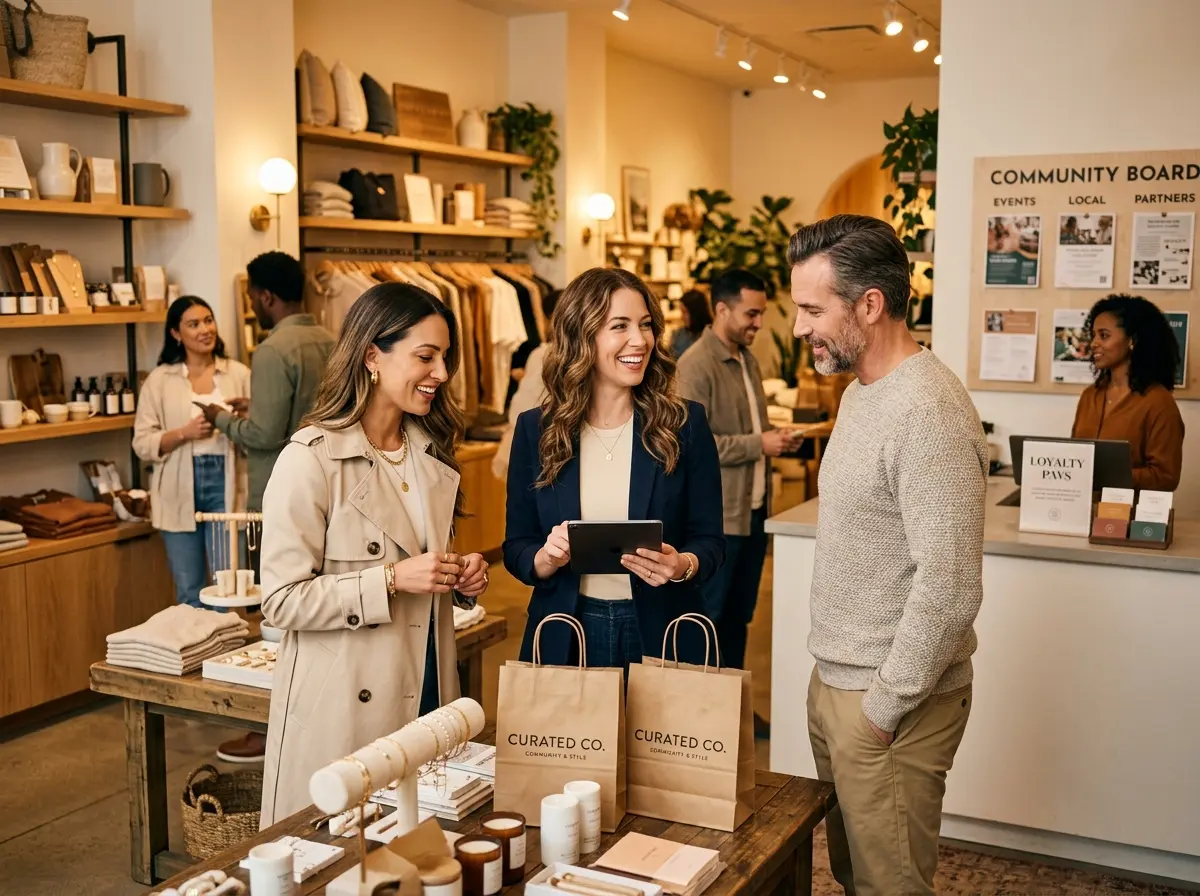
The good news? Building a true community around your retail brand isn't some mystical art reserved for billion-dollar companies with massive marketing budgets. It comes down to consistency, connection, and a genuine willingness to treat your customers like human beings rather than walking credit cards. Let's talk about how to actually do that.
The Foundation: Know Who You're Talking To
You cannot build a community without understanding the people in it. This sounds obvious, yet a surprising number of retail businesses operate on vibes and assumptions rather than actual customer insight. The first step to turning transactions into relationships is figuring out who keeps walking through your door — and why.
Build Real Customer Profiles, Not Just Purchase Histories
A purchase history tells you what someone bought. A customer profile tells you who they are. There's a meaningful difference between knowing that someone bought a yoga mat and knowing that they're training for their first half-marathon, have two dogs, and come in every third Saturday morning. One data point is transactional. The other is relational.
Start collecting the information that actually matters. That means going beyond email addresses and order totals to understand preferences, goals, pain points, and lifestyle context. Even informal conversations at the register can yield gold — the trick is actually capturing and using that information instead of letting it evaporate the moment the next customer walks up.
Segment Your Audience Like You Mean It
Not every customer is the same, and treating them that way is a fast track to mediocrity. Segmentation doesn't have to be complicated — even simple groupings can dramatically improve how you communicate and connect. Consider organizing your customers by:
- Purchase frequency — loyal regulars vs. occasional visitors vs. one-timers
- Product interest — what categories they gravitate toward
- Lifecycle stage — new customers vs. long-term fans vs. lapsed shoppers
- Engagement level — who opens your emails, follows you on social, or refers friends
Once you know who you're talking to, you can actually say something worth hearing. That's when marketing stops feeling like shouting into a void and starts feeling like a conversation.
Ask for Feedback — And Actually Use It
Communities are built on mutual respect, and nothing signals respect quite like asking someone what they think and then doing something about it. Collect customer feedback regularly, whether through post-purchase surveys, in-store conversations, or social media listening. Then close the loop — let customers know when their input led to a change. "You asked, we listened" is not just a cliché. It's community building in four words.
First Impressions and Consistent Touchpoints: Where Stella Fits In
Community building doesn't happen in grand gestures — it happens in the small, repeated moments of connection that customers experience every single time they interact with your brand. And that means every touchpoint needs to feel consistent, warm, and attentive. Easier said than done when you're also managing inventory, staff, and the seventeen other fires that come with running a retail business.
Make Every Interaction Feel Like It Matters
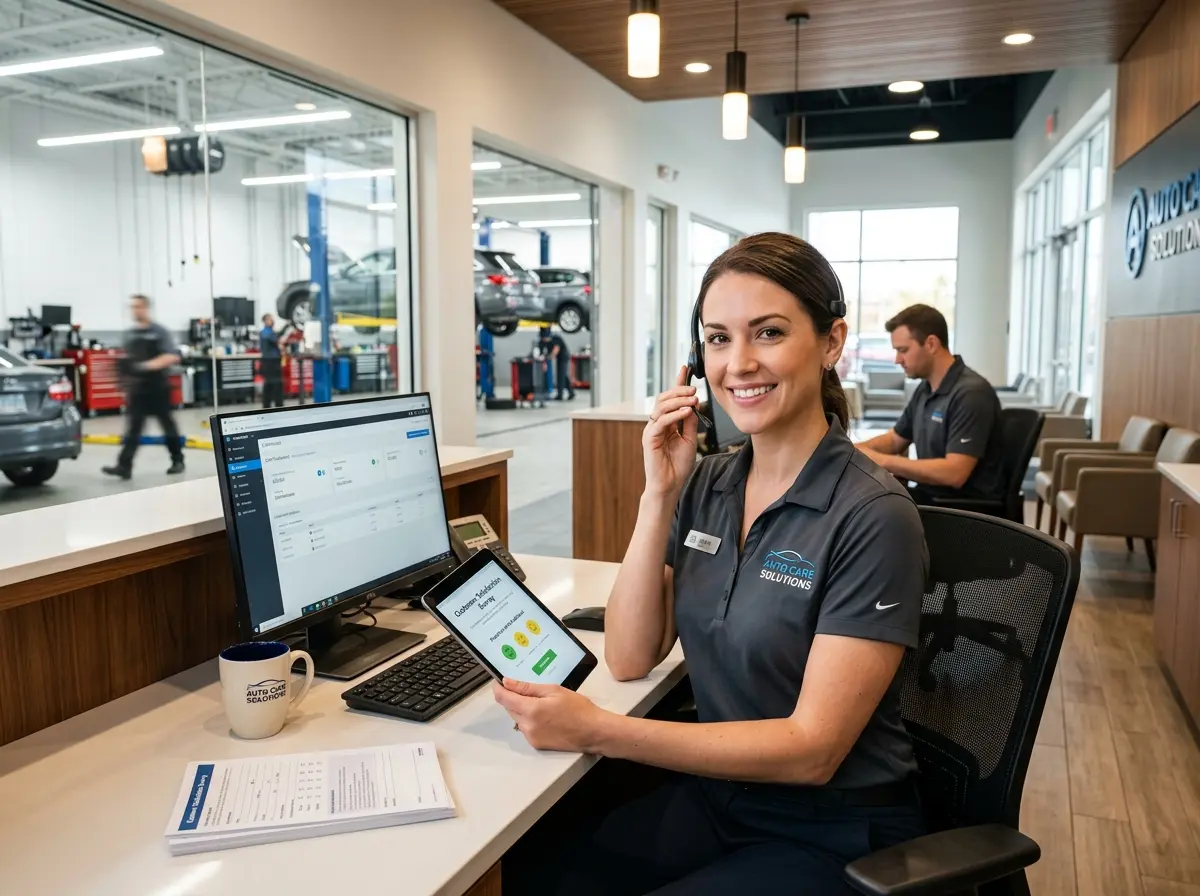
Whether a customer walks into your store or calls to ask about your hours, that moment is an opportunity to reinforce your brand and deepen the relationship. The problem is that busy staff can't always give every customer the attention they deserve — and missed calls or distracted greetings quietly erode trust over time.
This is where Stella, the AI robot employee and phone receptionist, makes a tangible difference. In-store, Stella greets every customer who walks by, proactively engages them about products and promotions, and answers questions that would otherwise pull a staff member away from more complex tasks. On the phone, she handles calls 24/7 with the same business knowledge she uses in person — so no customer ever gets a rushed response or a missed call. Her built-in CRM automatically builds customer profiles, captures contact information through conversational intake forms, and logs interaction insights, so every engagement contributes to a richer understanding of your community over time.
Cultivating Loyalty Beyond the Discount
If your entire retention strategy is "give people money off," you're not building loyalty — you're renting it. The moment a competitor offers a bigger discount, your "loyal" customers are gone. Real loyalty is built on emotional connection, shared values, and consistent positive experiences. Here's how to cultivate it without permanently slashing your margins.
Create Experiences, Not Just Transactions
Think about the retail brands you personally love. Chances are it's not because they had the cheapest prices — it's because shopping there feels good. Maybe the staff knows your name. Maybe the store has a vibe that matches your personality. Maybe they hosted an event that made you feel like part of something bigger.
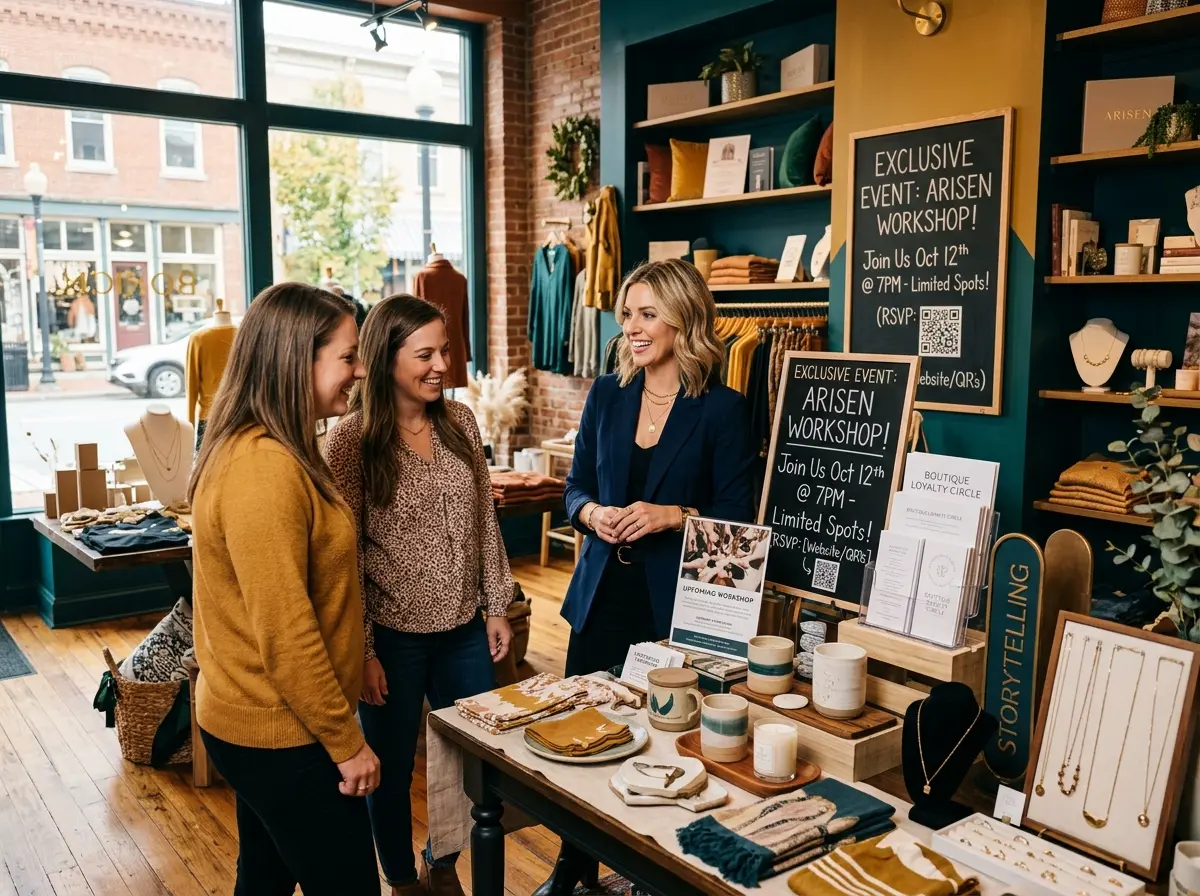
In-store events, workshops, exclusive member evenings, and even simple seasonal moments can transform a routine shopping trip into a memorable experience. A pet supply store that hosts a "bring your dog to shop" Saturday isn't just selling food and toys — they're creating a reason for customers to look forward to coming in. That's the kind of thing people talk about. That's how communities grow.
Recognize and Reward Your Best Customers — Personally
Generic loyalty programs have their place, but personal recognition is far more powerful. A handwritten thank-you note to a long-time customer, a surprise upgrade, or a personalized birthday offer goes a long way. According to research from Bain & Company, increasing customer retention rates by just 5% increases profits by 25% to 95%. Your regulars are not just nice to have — they are the financial engine of your business.
Train your staff to recognize and acknowledge repeat customers by name. Use your CRM data to personalize outreach. When someone feels seen as a person rather than a transaction number, they become advocates. And advocates are worth more than any ad campaign you'll ever run.
Build Community Through Content and Shared Identity
Your brand has a point of view — or it should. Brands that stand for something attract customers who believe in the same things. This doesn't mean you have to get political or controversial; it means you need a clear, authentic identity that your community can rally around.
Use your content channels — email newsletters, social media, in-store signage — to share that identity consistently. Highlight customer stories. Celebrate milestones. Give people a reason to feel proud to be associated with your brand. When customers start saying "I shop there" like it says something meaningful about who they are, you've officially graduated from retailer to community hub.
Quick Reminder About Stella
Stella is an AI robot employee and phone receptionist that greets customers in-store, answers calls around the clock, manages customer data through a built-in CRM, and promotes your deals and offerings — all for just $99/month with no upfront hardware costs. She's always on, always professional, and never calls in sick on your busiest Saturday of the year. If you're building a community but your phones go unanswered and your in-store experience is inconsistent, Stella is worth a very serious look.
Turning Community Into Long-Term Brand Growth
Building a community isn't a campaign — it's an ongoing commitment. But the return on that commitment compounds over time in ways that traditional advertising simply cannot match. Here's how to make sure your community-building efforts actually translate into sustainable business growth.
Track the Right Metrics
Vanity metrics are comfortable but useless. Follower counts and foot traffic numbers feel good but don't tell you whether your community is actually healthy. Focus instead on metrics that reflect genuine engagement and loyalty: repeat purchase rate, customer lifetime value, referral rate, and net promoter score. These numbers tell you whether people are actually invested in your brand — or just passing through.
Empower Your Community to Grow Itself
The most powerful communities are self-sustaining. Create structures that make it easy for your existing customers to bring new people in. A referral program with a meaningful reward, a private customer group on social media, or a members-only event that guests can attend if invited — these mechanisms turn your loyal customers into active recruiters. People trust recommendations from friends and family far more than any advertisement, so make it easy and rewarding for your community to spread the word.
Stay Consistent, Even When It's Hard
Community trust is built slowly and lost quickly. The brands that win long-term are the ones that show up consistently — in their messaging, their customer service quality, their in-store experience, and their follow-through on promises. When you run a promotion, deliver on it flawlessly. When a customer has a problem, resolve it generously. When you say you care about your community, act like it in every single interaction.
Consistency isn't glamorous, but it is the single most important ingredient in building a brand that customers genuinely love. The businesses that get this right don't just survive market fluctuations — they thrive through them, carried by a community of people who aren't going anywhere.
Your Next Steps: From Vending Machine to Community Hub
If you've made it this far, you already care more about building real customer relationships than the average business owner — and that puts you ahead of the pack. Now it's time to act on it. Start with these concrete steps:
- Audit your current customer data. What do you actually know about your customers? Identify the gaps and build a plan to fill them through better intake, conversations, and CRM usage.
- Map every customer touchpoint. From the first greeting to post-purchase follow-up, evaluate whether each moment feels warm, consistent, and on-brand.
- Plan one community-building event or initiative. It doesn't have to be elaborate. Pick something that reflects your brand identity and gives customers a reason to engage beyond shopping.
- Implement a personal recognition practice. Whether it's a handwritten note program or a staff protocol for greeting regulars by name, make personal acknowledgment a habit.
- Review your metrics. Set up tracking for repeat purchase rate and customer lifetime value so you can measure whether your community-building efforts are actually moving the needle.
The shift from transactional to relational isn't an overnight transformation — but every intentional step you take gets you closer to a brand that customers don't just buy from, but genuinely belong to. And that kind of loyalty? No competitor can undercut it with a coupon.