Introduction: The Phone Is Ringing. You're Not There. Now What?
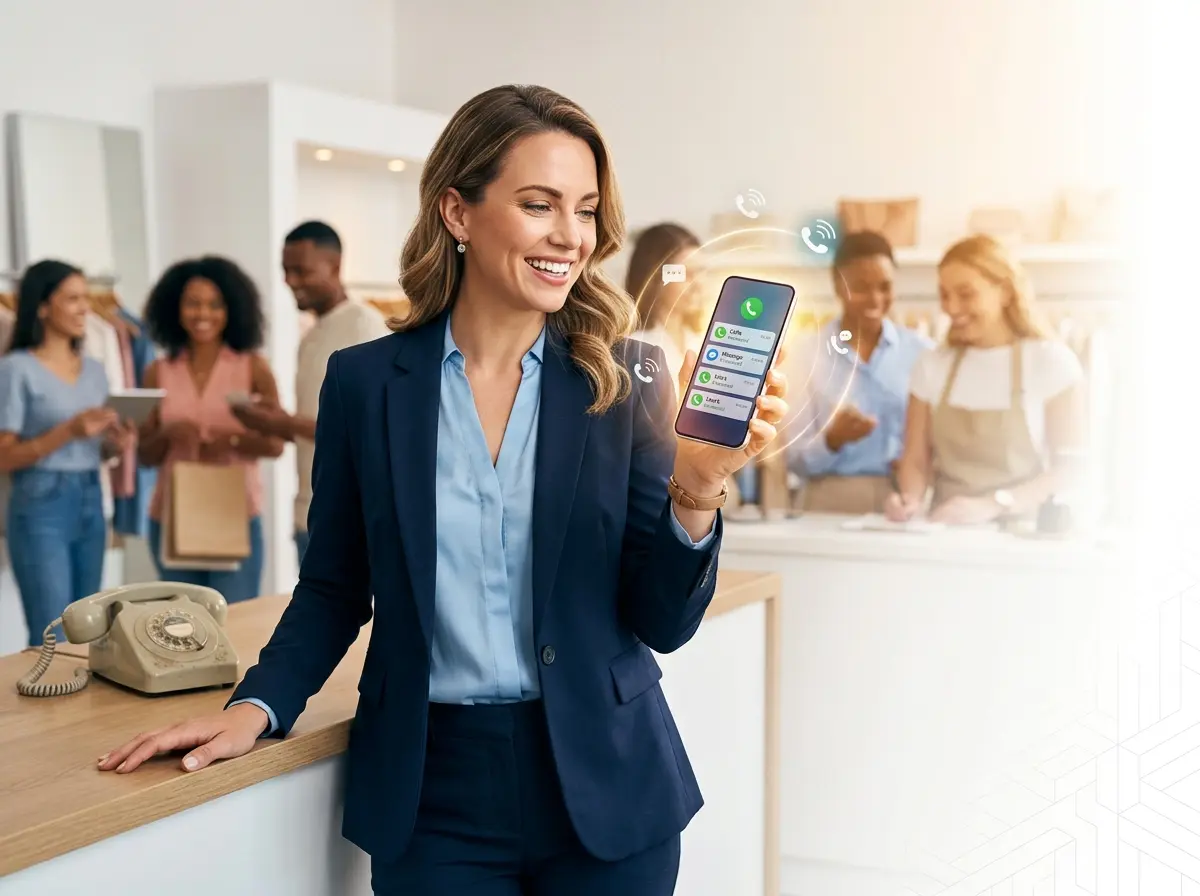
Let's paint a familiar picture. It's a busy Tuesday. You're elbow-deep in a customer order, your staff is juggling three things at once, and somewhere in the background, a phone is ringing. And ringing. And ringing. Then — silence. Whoever was on the other end has already moved on to your competitor, who, lucky for them, actually picked up.
Here's the uncomfortable truth: missed calls are missed revenue. Studies suggest that 85% of customers whose calls go unanswered will not call back. That's not a rounding error — that's a significant chunk of your business walking out the door before it ever walked in. And yet, most small business owners treat the unanswered phone like a minor inconvenience rather than the revenue leak it actually is.
The good news? This is an entirely solvable problem. You don't need to hire a full-time receptionist, chain yourself to your desk, or survive on four hours of sleep to make sure every customer feels heard. This post breaks down why unanswered calls are so costly, what you can do about it right now, and how smart technology is making it easier than ever to show up for your customers — even when you physically can't.
The Real Cost of an Unanswered Phone
It's Not Just One Lost Call — It's a Lost Relationship
When a potential customer calls your business, they're not just looking for information — they're ready to engage. They've already decided they're interested. They just need someone to confirm they've called the right place. When no one picks up, that moment of intention evaporates almost immediately. They don't sit by the phone thinking fondly of you. They Google your competitor and call them instead.
What makes this sting even more is the lifetime value math. A customer who comes in once for a haircut, a car repair, or a gym membership isn't worth just that one transaction — they're worth every visit, every referral, and every upsell for years to come. Losing them to an unanswered phone doesn't just cost you today's sale. It costs you every sale they would have made in the future.
Voicemail Is Not the Safety Net You Think It Is
Many business owners console themselves with voicemail. "They can just leave a message," the thinking goes. But here's the reality: most callers — especially younger ones — won't leave a voicemail. And of the ones who do, a significant portion never get a timely callback, because voicemails get buried, forgotten, or ignored during the chaos of a busy workday.
Even when you do call back promptly, the moment has often passed. The customer has moved on, made other arrangements, or simply lost interest. Voicemail was designed as a convenience tool, not a customer retention strategy. Using it as your primary fallback is a bit like leaving your front door propped open and hoping customers let themselves in.
The Ripple Effect on Your Reputation
In the age of Google reviews and social media, a bad first impression doesn't stay private. A customer who can't reach your business is a customer who might very well leave a one-star review complaining about poor communication — before they've even experienced your product or service. Reputation damage from something as preventable as an unanswered phone is particularly painful, because it's so unnecessary. You didn't give bad service. You just weren't there. And sometimes, in the court of public opinion, that's just as bad.
How Technology — and Stella — Can Close the Gap
Always-On Phone Coverage Without the Overhead
This is where things get genuinely exciting for small business owners. Stella is an AI robot employee and phone receptionist that answers calls 24/7 — with the same knowledge, tone, and professionalism you'd expect from a trained human staff member. She knows your products, your services, your hours, your promotions, and your policies. She can answer questions, collect customer information through conversational intake forms, forward calls to human staff based on conditions you set, and take voicemails with AI-generated summaries pushed directly to your phone. No more digging through a voicemail inbox at 9pm hoping you didn't miss anything urgent.
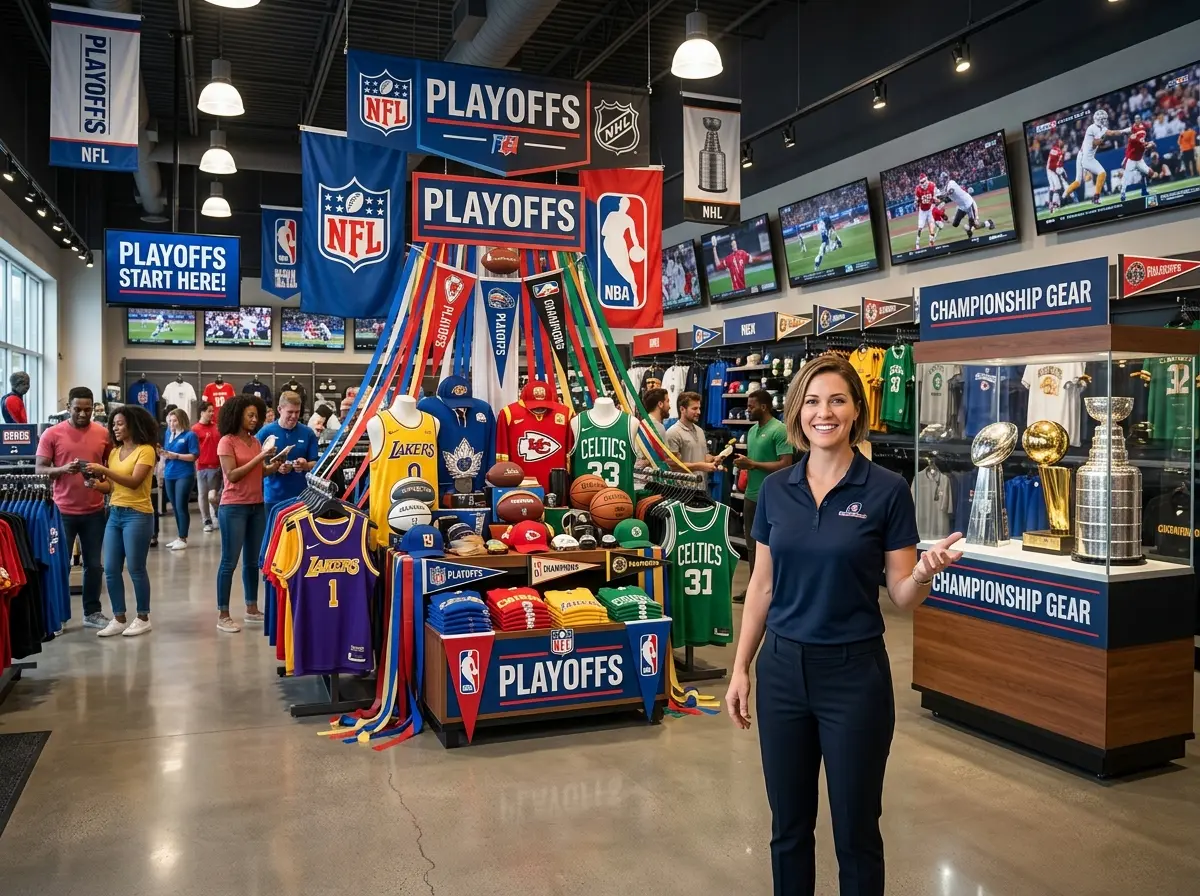
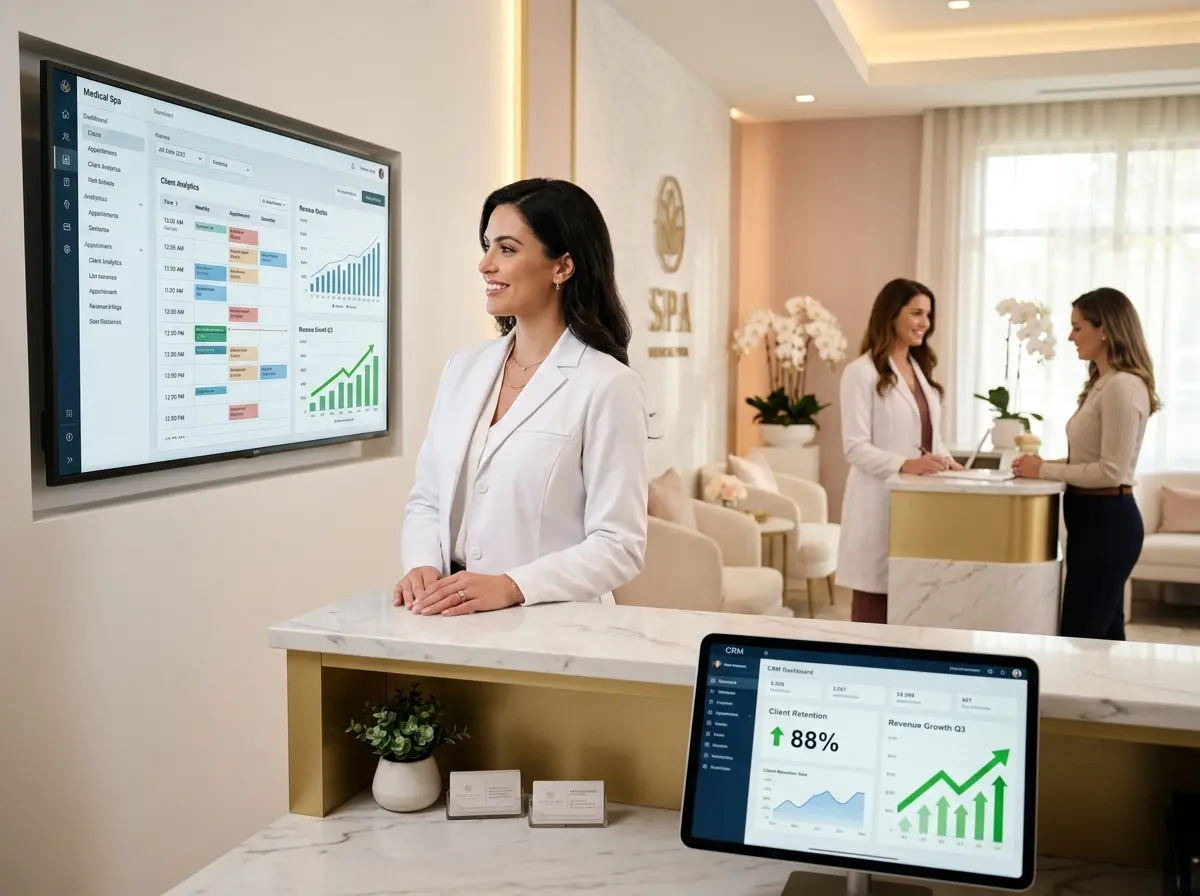
For businesses with a physical location, Stella also stands inside your store as a friendly, human-sized kiosk, proactively greeting customers, promoting current deals, and answering questions — freeing your staff to focus on higher-value tasks. And because she comes with a built-in CRM, every customer interaction — whether it happens over the phone, at the kiosk, or through a web intake form — is automatically captured, tagged, and organized into a customer profile that grows smarter over time. At $99/month with no upfront hardware costs, she's considerably less expensive than a missed sale, let alone a full-time hire.
Building a Communication System That Actually Works
Define What "Handled" Means for Your Business
Before you can fix your phone problem, you need to understand exactly what's falling through the cracks. Start by auditing your current call flow. How many calls come in daily? During what hours? What are the most common questions callers ask? What percentage of calls result in bookings, sales, or follow-ups — and what percentage go unanswered or unresolved?
Once you have that picture, you can define what a well-handled call actually looks like for your business. For a restaurant, it might mean taking reservations and communicating specials. For a medical office, it might mean collecting patient information and routing urgent calls appropriately. For a law firm, it might mean qualifying leads and scheduling consultations. The point is that "answering the phone" is not a one-size-fits-all task — your solution should reflect the specific needs of your operation.
Set Up Smart Call Routing and Escalation Rules
Not every call needs a human, but some calls absolutely do. A smart communication system distinguishes between the two. Routine inquiries — hours, pricing, directions, appointment availability — can be handled efficiently without human intervention. Sensitive issues, urgent situations, or high-value sales conversations might warrant an immediate hand-off to a live staff member.
The key is building a clear escalation protocol so that calls are handled at the right level every time. Document it. Train your team on it. And make sure whatever technology you use supports configurable routing rules so that your system reflects your actual business logic, not a generic template.
Follow Up Fast — Every Time
Speed-to-response is one of the strongest predictors of whether a lead converts. Research consistently shows that responding to an inquiry within five minutes makes you dramatically more likely to close the deal than waiting an hour — let alone a day. Build follow-up speed into your culture. If a call is missed or a voicemail is left, set a standard that it gets returned within a defined window. Use push notifications, AI summaries, and CRM alerts to make sure nothing slips through the cracks. The businesses that win aren't always the best at what they do — they're often simply the fastest to respond.
Quick Reminder About Stella
Stella is an AI robot employee and phone receptionist built specifically for businesses like yours — whether you run a storefront, a service business, or an online operation. She answers calls around the clock, greets in-store customers proactively, manages intake and CRM data automatically, and keeps your business running professionally even when you're not available. For $99/month, she's the team member who never calls in sick, never takes a break, and never lets a call go to voicemail without a plan.
Conclusion: Stop Leaving Money on the Phone
Unanswered calls are one of the most quietly devastating problems in small business — not because they're dramatic, but because they're invisible. You never see the customer who hung up. You never know about the review they almost left. You never count the revenue that slipped away during a busy afternoon. But it's happening, and the cumulative effect on your growth is very real.
The path forward is straightforward. Audit your current call handling honestly. Define what excellent looks like for your specific business. Put systems in place — whether human, technological, or both — that ensure every caller gets a meaningful response. And make speed and consistency non-negotiable parts of your customer experience.
Here's your action plan to get started today:
- Track your missed calls for one week — most phone systems can provide this data. The number will probably surprise you.
- Map your most common caller questions and make sure the answers are documented somewhere accessible — whether for a human receptionist or an AI one.
- Define your escalation rules — which calls go straight to staff, which can be handled automatically, and what the response time standard is for callbacks.
- Explore AI phone solutions — if staffing a full-time receptionist isn't feasible, tools like Stella can fill that gap reliably and affordably.
- Review your CRM setup — make sure caller data is being captured and used to build relationships, not just stored and forgotten.
Your customers are calling. The only question is whether you're going to be there to answer. With the right systems in place, you can be — every single time.