When a Haircut Becomes a Religion
Let's be honest — a haircut is a haircut. Snip, snip, here's your receipt, see you in six weeks. That's been the model for decades, and yet somehow, a growing number of barbershops are booked out weeks in advance, racking up five-star reviews, and spawning devoted regulars who would sooner move neighborhoods than switch barbers. What's going on?
The answer isn't a sharper pair of scissors. It's a signature experience — a carefully crafted, intentionally designed visit that transforms a routine service into something clients genuinely look forward to, talk about, and evangelize to everyone they know. When your customers are doing your marketing for you, you've officially unlocked one of the most powerful (and underrated) growth engines in small business.
This post breaks down exactly how one barbershop built that kind of loyalty from scratch — and what you can steal, adapt, and implement in your own business, whether you run a barbershop, a boutique gym, a med spa, or literally anything else that involves customers showing up and expecting to be impressed.
The Anatomy of a Signature Experience
It Starts Before They Walk Through the Door
The experience doesn't begin when someone settles into the barber's chair. It begins the moment they first hear about you — a friend's recommendation, a Google search at 11pm, or a phone call to ask if you take walk-ins on Saturdays. That first touchpoint sets the tone for everything that follows.
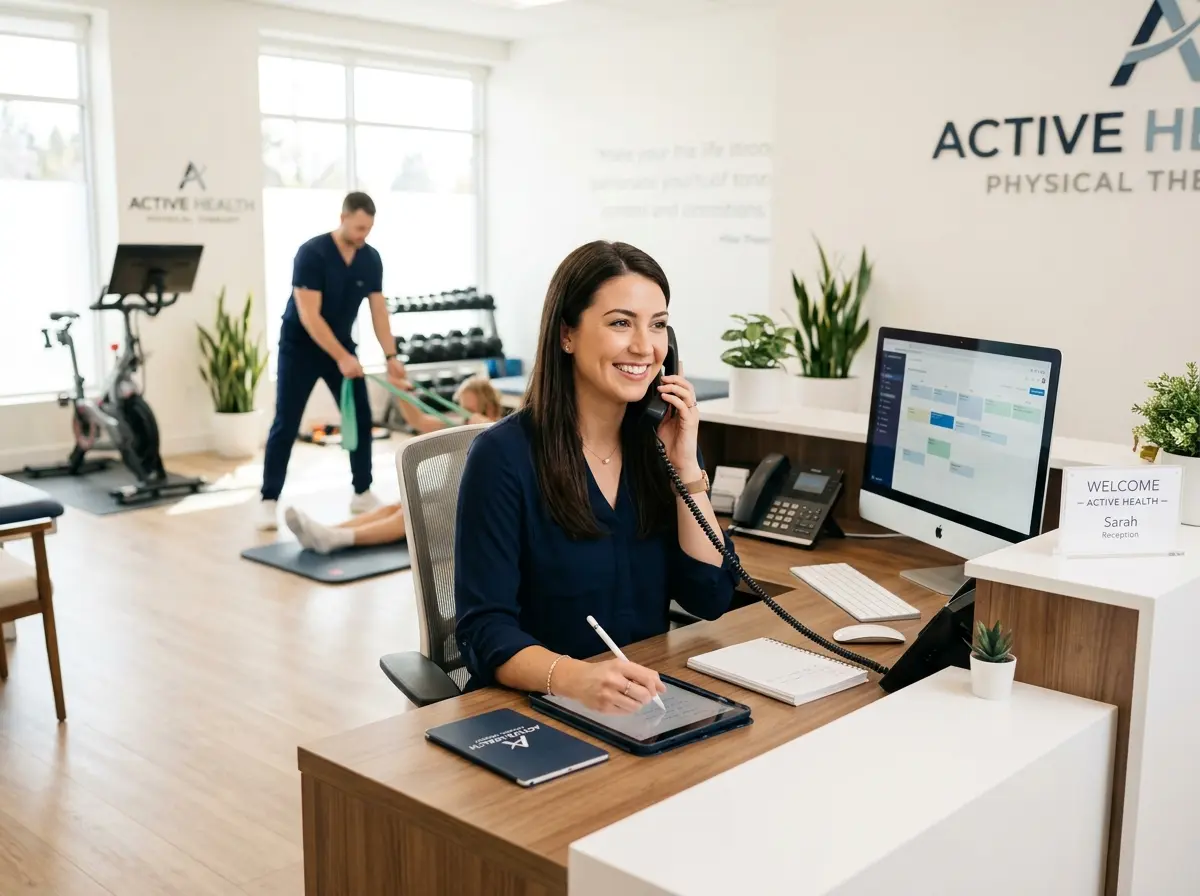
The barbershop in our story — let's call them The Gentleman's Standard — figured this out early. They invested in a welcoming, on-brand phone experience so that every call was answered promptly, professionally, and consistently. No voicemail black holes. No distracted receptionist putting someone on hold during a rush. Just a smooth, confident interaction that immediately communicated: we have our act together.
They also trained their team to treat every inquiry — text, call, walk-in — as a hospitality moment, not a transaction. Research consistently shows that customers form lasting impressions within the first few seconds of an interaction, and those impressions are notoriously hard to reverse. Getting that first contact right isn't optional — it's foundational.
Design the In-Store Journey with Intention
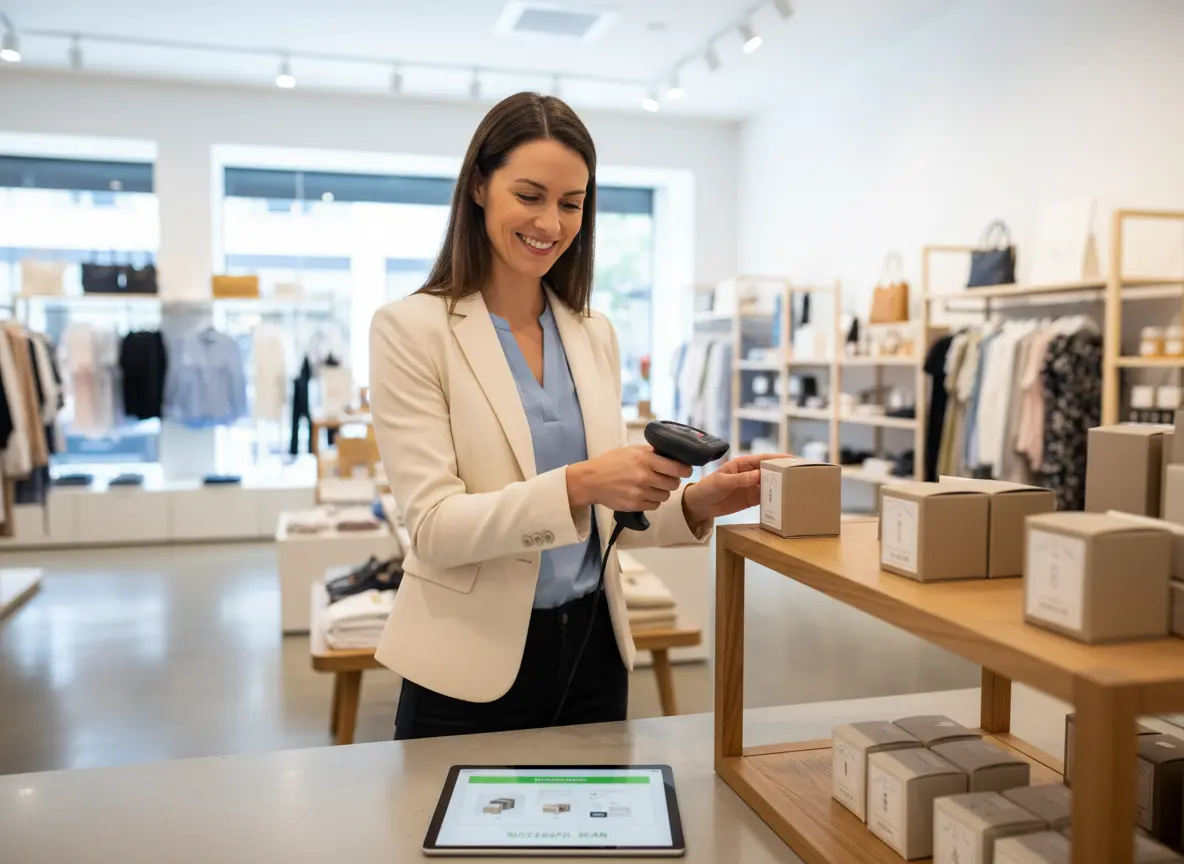
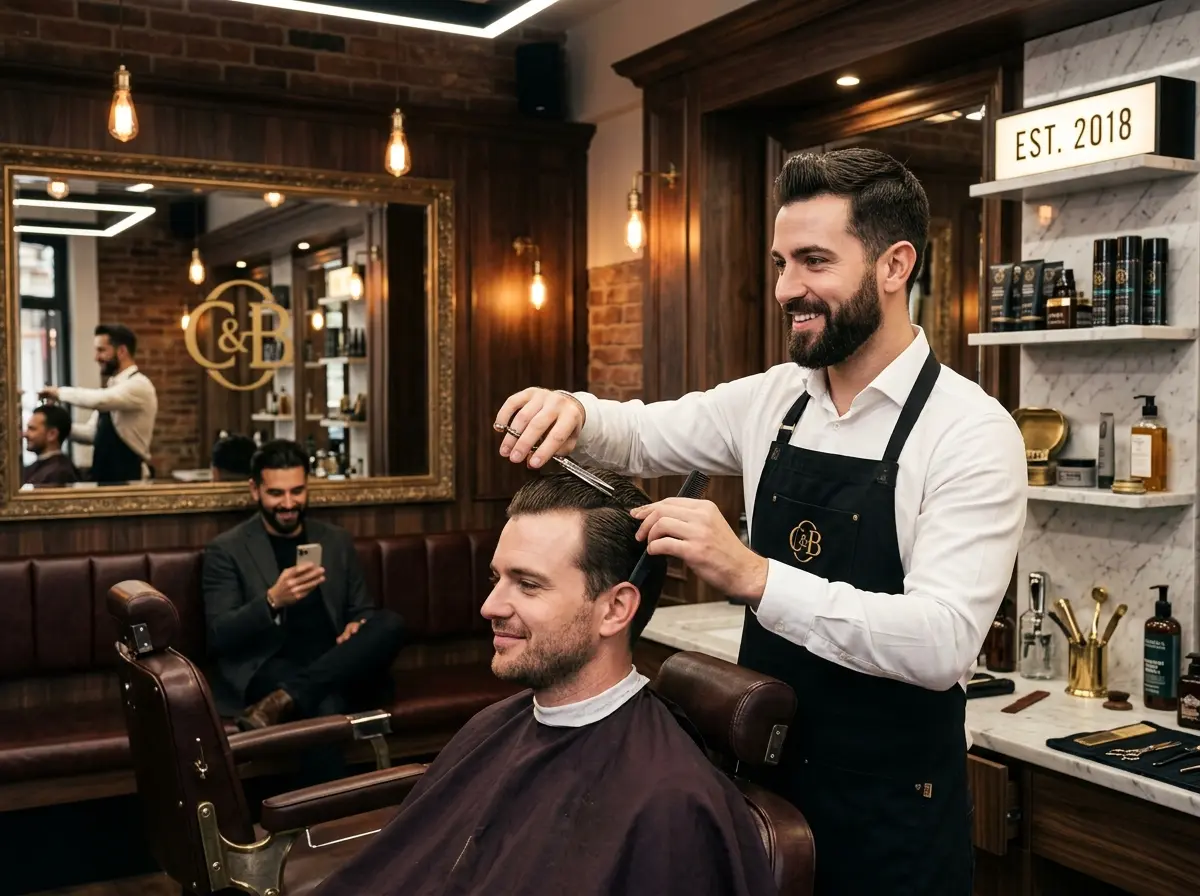
The Gentleman's Standard didn't just offer good haircuts. They built a full sensory experience. From the moment clients walked in, the environment spoke: a signature scent in the air, a curated playlist, premium product samples available to touch and try, and — critically — a warm, immediate acknowledgment from whoever was nearest the door.
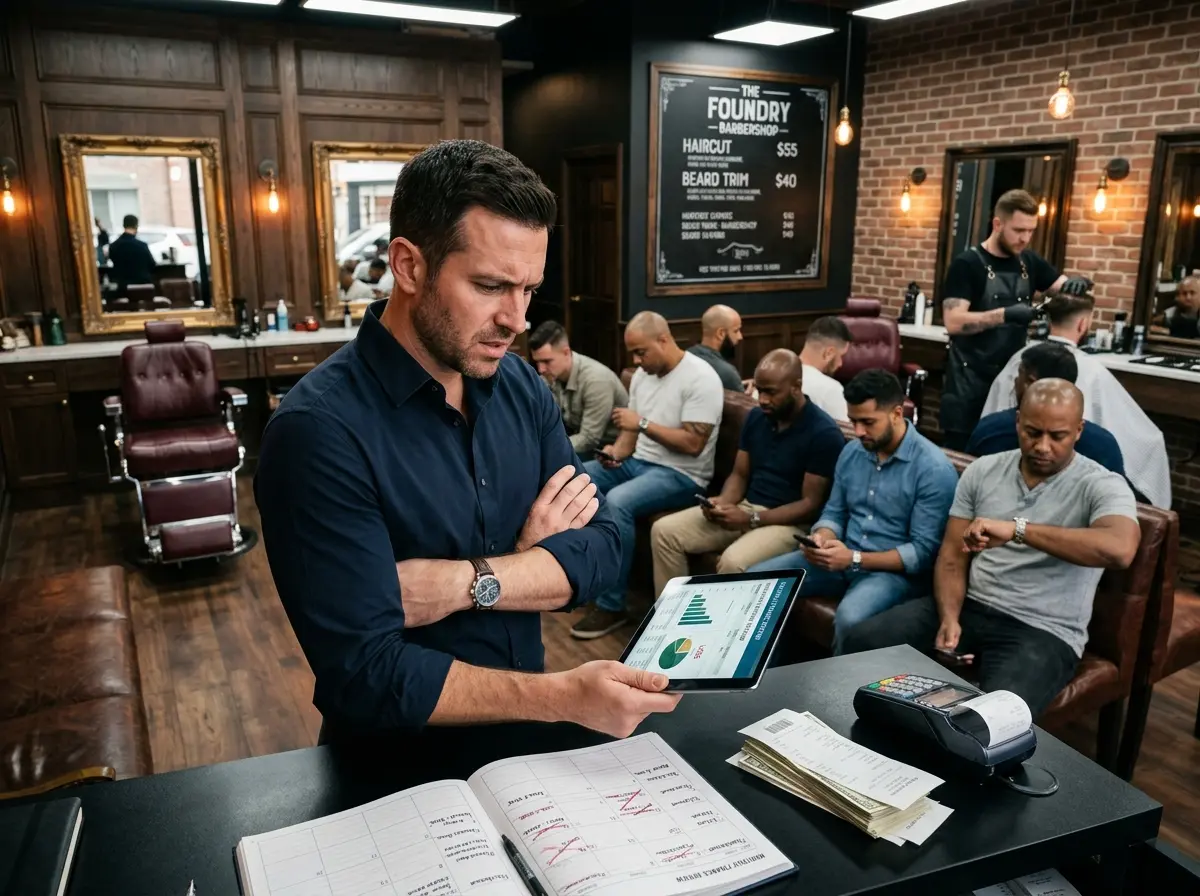
This last part is deceptively difficult to execute consistently. When the shop is busy, it's easy for walk-ins to feel invisible. Stand at the door for 90 seconds feeling ignored, and no amount of great haircut can fully undo that awkward start. The barbershop solved this by building a formal greeter protocol — someone (or something) was always responsible for that first hello, regardless of how hectic the floor got.
They also introduced small, memorable "surprise and delight" moments: a complimentary hot towel finish, a personalized product recommendation based on hair type, a genuinely funny exchange at checkout. None of these things cost much. All of them got talked about.
Turn Service Into a Story Worth Telling
Word-of-mouth doesn't happen by accident. It happens when someone has an experience so unexpectedly good — or so distinctly unique — that they physically cannot stop themselves from telling people about it. The barbershop leaned into this by creating a few highly shareable moments: a branded mirror selfie station (yes, really), a custom loyalty card with cheeky copy, and a follow-up text after each visit with personalized product tips.
The result? Clients were posting on Instagram without being asked. They were texting friends. They were leaving detailed, enthusiastic reviews. The barbershop hadn't hired a marketing team. They'd simply made the experience worth marketing.
How Technology Can Do the Heavy Lifting
Let Your Front Desk Actually Work for You
Here's where a lot of small businesses leave serious money on the table. You can design a gorgeous in-store experience, but if the phone rings during your busiest hour and nobody answers — or worse, someone answers and fumbles through an explanation of your services — you've just leaked a customer. Possibly forever.
Stella, the AI robot employee and phone receptionist, is built precisely for this gap. For barbershops and similar businesses with a physical location, she operates as a human-sized kiosk inside the store — greeting every person who walks in, answering questions about services, pricing, and promotions, and making sure no customer ever feels invisible. For any business, she also answers phone calls 24/7, handles inquiries with the same knowledge and professionalism she brings in person, and can even forward calls to staff when needed. The Gentleman's Standard could have had Stella running their front-of-house experience from day one — consistent, brand-aligned, and never in a bad mood.
Building a Loyalty Loop That Sustains Itself
Make Coming Back Feel Like a No-Brainer
Acquiring a new customer costs five to seven times more than retaining an existing one. That's not a new statistic, but it's one that most business owners absorb intellectually and then promptly ignore when allocating their marketing budgets. The Gentleman's Standard flipped this logic: they obsessed over the return visit.
Their approach was simple but deliberate. Every client left with a reason to come back — a standing appointment, a loyalty reward milestone, or a personalized reminder about when their next trim would be due based on their hair growth rate (which their barbers actually tracked). The message was clear: we know you, we're expecting you, and we've thought about what you need before you even asked.
That level of personalization sounds intensive, but much of it was systematized. They used a client management system to log preferences, service history, and even small personal details — a client's big presentation coming up, a wedding they mentioned. When clients returned and the barber remembered, it felt like magic. It was actually just good record-keeping dressed up in human warmth.
Reward Advocacy, Not Just Attendance
Loyalty programs that only reward visits are leaving half the value on the table. The Gentleman's Standard built a referral layer into their loyalty structure: clients earned meaningful perks not just for returning, but for bringing people in. They made the referral process dead simple — a personalized link, a shareable discount, a shout-out on their social channels for top referrers.
This transformed their best clients into active participants in their growth. These weren't passive customers anymore. They were stakeholders. They had skin in the game, and they acted like it — defending the brand in online reviews, correcting misinformation, and enthusiastically onboarding their friends into the experience. That's not a customer base. That's a community.
Keep the Relationship Alive Between Visits
The biggest mistake service businesses make is treating the relationship as dormant between appointments. The Gentleman's Standard kept the conversation going through thoughtful, non-annoying touchpoints: a useful grooming tip via email, a heads-up about a new product they'd love, a birthday message that felt personal rather than automated. None of these were lengthy or pushy. They were just enough to keep the brand top of mind without overstaying the welcome.
The effect was cumulative. Clients didn't just remember the barbershop — they felt connected to it. And connected customers don't comparison shop. They come back, and they bring people.
Quick Reminder About Stella
Stella is an AI robot employee and phone receptionist designed to help businesses like yours deliver a consistent, professional experience at every touchpoint — whether that's greeting customers at your front door through her in-store kiosk or answering calls around the clock when your team can't. At just $99/month with no upfront hardware costs, she's the kind of front-of-house upgrade that pays for itself quickly. If you want your business to show up the way The Gentleman's Standard did — prepared, polished, and always on — she's worth a serious look.
Your Next Steps Toward Building Something Worth Talking About
The Gentleman's Standard didn't stumble into brand ambassador territory. They built their way there, one intentional decision at a time. The good news is that none of this requires a massive budget or a complete overhaul of how you operate. It requires clarity about what you want your experience to feel like — and then the discipline to execute it consistently, even when things get busy.
Here's where to start:
- Audit your first impression. Call your own business. Walk in as a stranger would. What does that experience actually feel like? Be ruthlessly honest.
- Identify your one signature moment. What's the single thing you want every client to remember and talk about? Build outward from there.
- Fix your follow-up. If you're not touching base with clients between visits, you're invisible. Start small — even a simple, well-timed message goes a long way.
- Systematize personalization. You can't remember everything. Use tools that do it for you, so the human warmth you deliver is supported by reliable data behind the scenes.
- Reward your advocates. Find the clients who are already talking about you and give them a reason to do it louder.
The barbershop that turns clients into brand ambassadors isn't doing anything mystical. They're just taking the experience seriously enough to design it, rather than letting it happen by default. That's a choice any business owner can make — starting today.