When Your Customers Want to Feel Seen (Not Spammed)
Here's a scenario that might sound familiar: a customer walks into your specialty food store, browses for ten minutes, picks up a jar of imported truffle salt, puts it back down, and leaves with nothing. Meanwhile, you're standing behind the counter thinking, "If only I could have told them that goes perfectly with the aged manchego we just got in." The sale was right there. The connection just wasn't made in time.
Personalized product recommendations have been the not-so-secret weapon of e-commerce giants for years. Amazon reportedly generates 35% of its revenue from its recommendation engine. But here's the thing — specialty food retailers have something Amazon will never have: real relationships, curated expertise, and a physical space where discovery actually feels exciting. The challenge is scaling that personal touch without cloning yourself or hiring a staff member with encyclopedic knowledge of every SKU on your shelves.
Building the Foundation: Understanding What Your Customers Actually Want
The Data You Already Have (But Probably Aren't Using)
Mapping Products to Customer Profiles
Defining Moments of Recommendation: When and Where to Engage
The best recommendations happen at the right moment. In a physical store, that moment is often when a customer pauses at a product, looks slightly uncertain, or asks an open-ended question. Over the phone, it's when they call to ask about a specific item and you realize there's an obvious companion product they don't know about. Online, it's the product page view or the abandoned cart. Identifying where these moments happen in your specific business is critical before you layer any technology on top of it.
Practical Tools That Make Personalization Scalable
AI That Works in the Real World (Not Just the Demo)
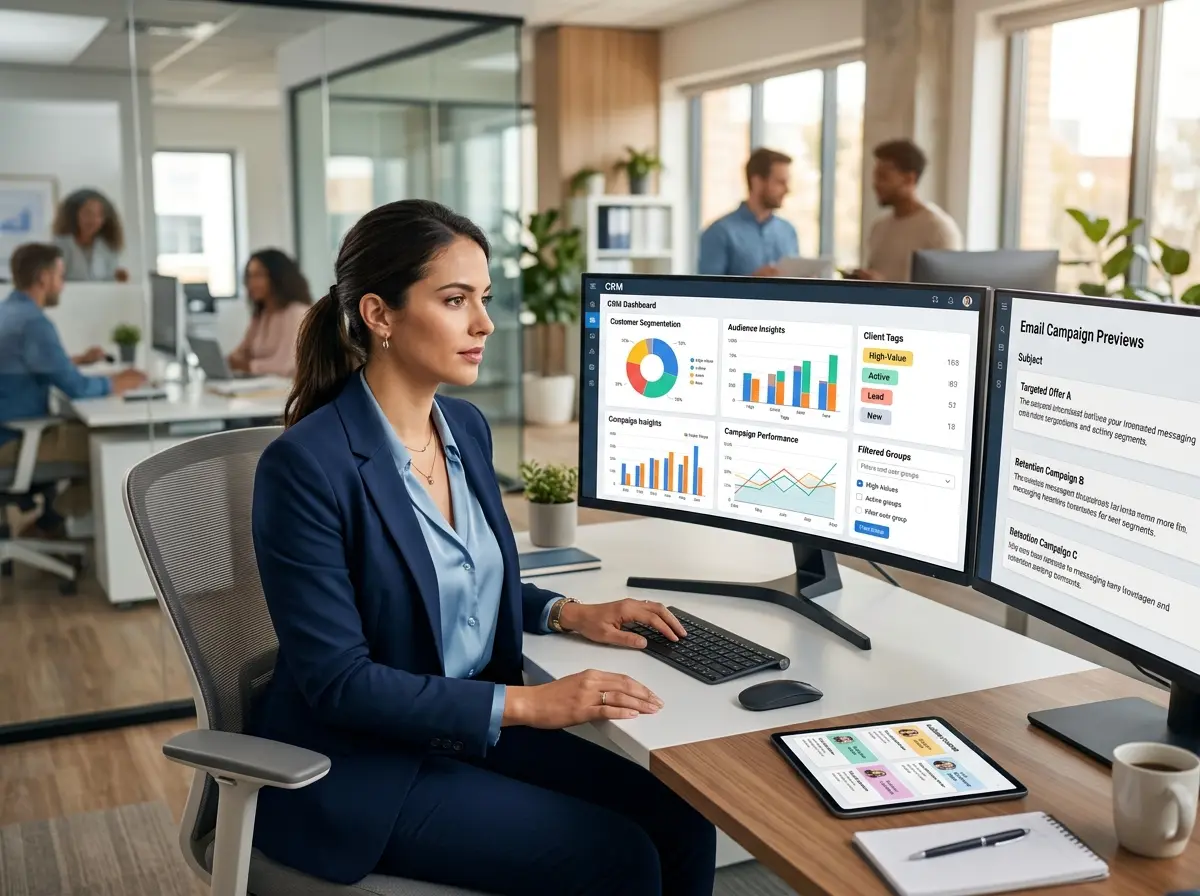
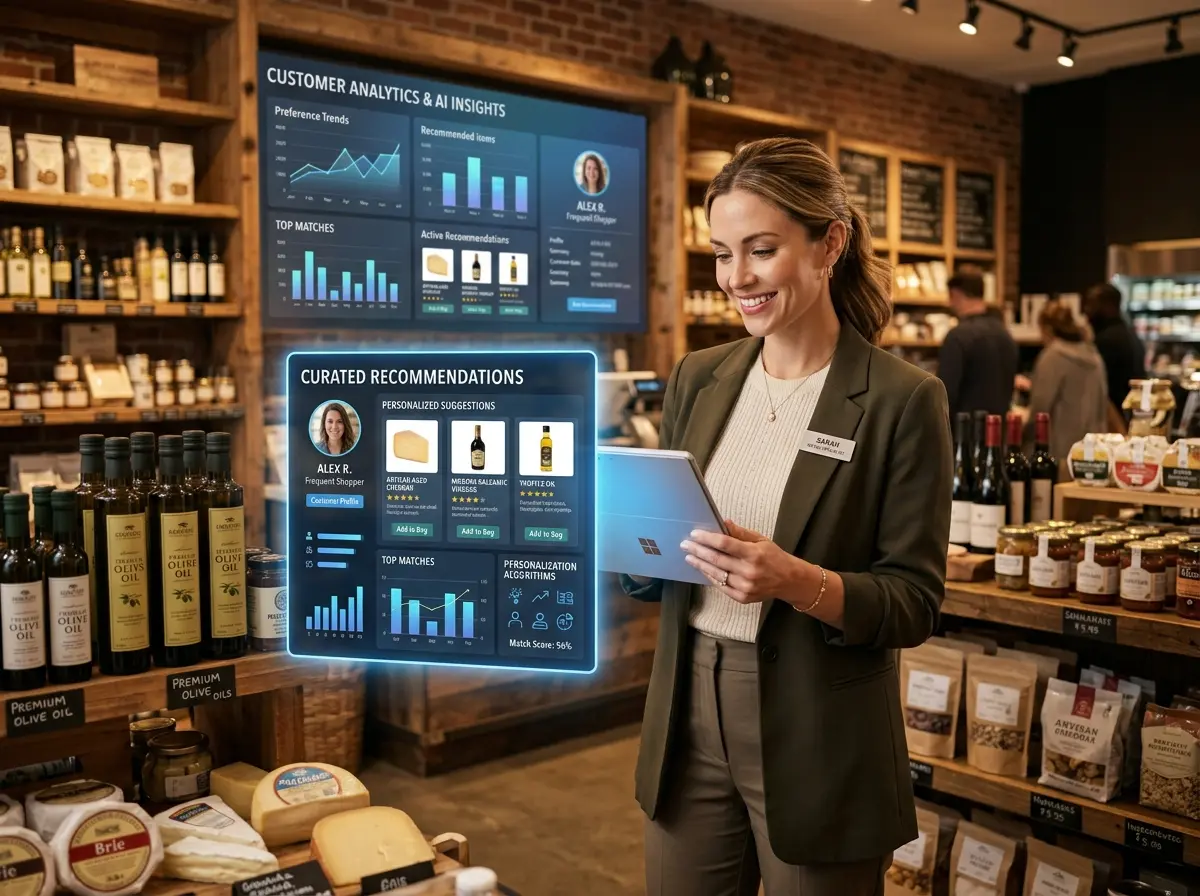
Here's where the specialty food retailer in our case study made a genuinely clever move. Rather than investing in expensive custom software, they deployed Stella — an AI robot employee that operates both as an in-store kiosk and as a 24/7 phone receptionist. In-store, Stella greets customers as they browse, engages them in natural conversation about what they're looking for, and proactively highlights relevant products, current specials, and pairings based on what the customer mentions. On the phone, she handles inquiries, answers questions about products and availability, and collects customer information through conversational intake — all of which feeds into a built-in CRM with AI-generated customer profiles.
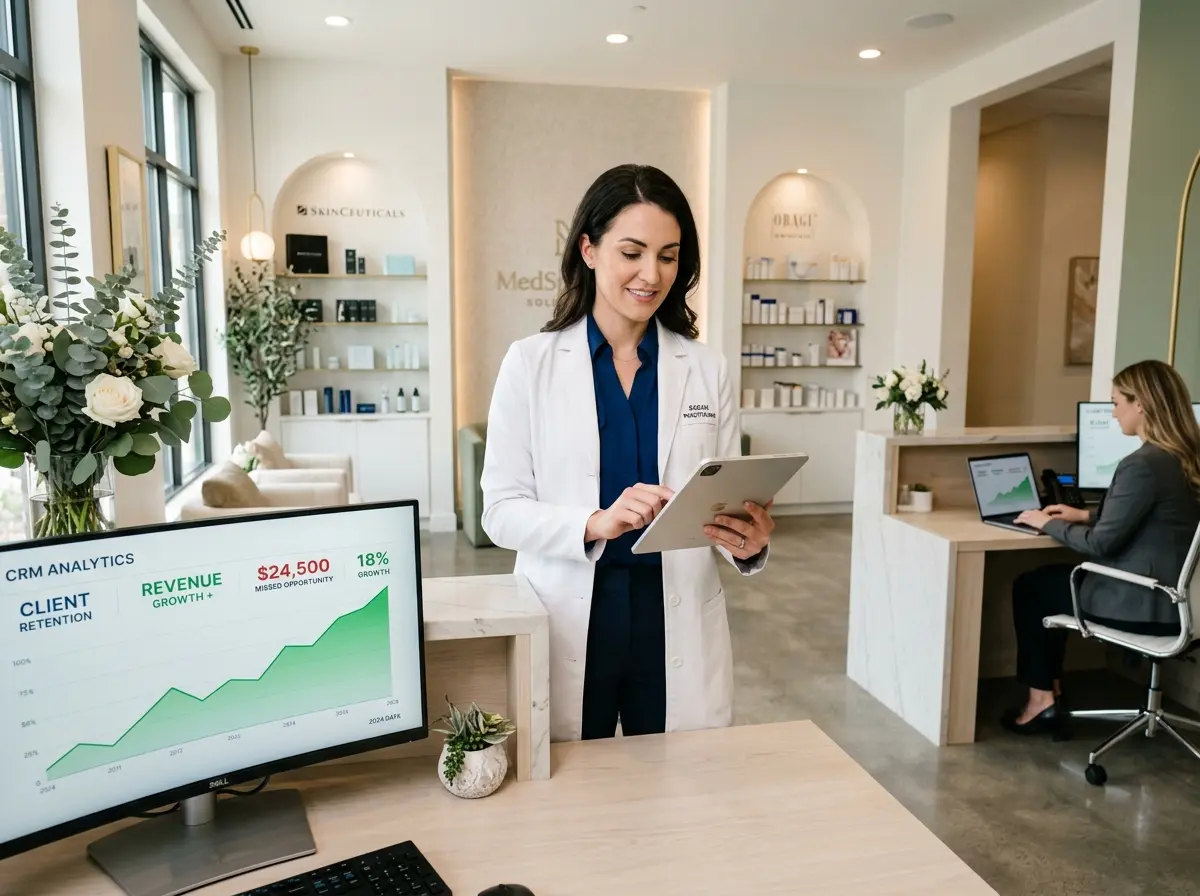
What made this work as a recommendation engine wasn't magic — it was consistency. Every customer interaction became a structured data point. Over time, Stella's CRM began to surface patterns: which product questions led to purchases, which pairings customers responded to most enthusiastically, which promotions moved inventory. The retailer used those insights to refine their recommendation logic continuously, making the system smarter without any additional technical overhead.
Turning Conversations Into a Competitive Advantage
The Recommendation Loop: Collect, Analyze, Refine
Training Your Human Team to Sell Like They Know Every Customer
Promotions That Feel Personal, Not Promotional
Quick Reminder About Stella
Stella is an AI robot employee and phone receptionist built for businesses of all sizes — she greets customers in-store, answers calls 24/7, promotes specials, and manages customer relationships through a built-in CRM with intake forms and AI-generated profiles. She runs on a flat $99/month subscription with no upfront hardware costs and is straightforward to set up. For specialty food retailers looking to scale personalized service without scaling their payroll, she's worth a serious look.
Start Small, Scale Smart
You don't need to overhaul your entire operation to start offering personalized product recommendations. The specialty food retailer in this story didn't begin with a grand AI strategy — they began by asking a simple question: how do we make sure every customer who walks in or calls us feels like we actually know what they're looking for? The technology followed the intention, not the other way around.
Here's a practical starting point:
- Document your top 20 product pairings and make sure every staff member knows them cold.
- Start capturing customer preferences — even basic notes in a CRM go a long way.
- Identify your two or three highest-value customer segments and tailor your in-store and phone interactions accordingly.
- Review what's working monthly — which recommendations lead to purchases, which promotions resonate, which questions come up repeatedly.
- Consider AI tools that handle the consistency problem for you — especially for in-store engagement and phone coverage where human availability is limited.