Introduction: Because "Just Call Us to Book" Is Not a Business Strategy
Let's be honest. If your cleaning company still relies on a receptionist manually scheduling every single appointment, playing phone tag with clients, or scribbling recurring bookings into a paper calendar — congratulations, you've built yourself a job, not a business. And a stressful one at that.
The cleaning industry is booming. According to IBISWorld, the cleaning services market in the U.S. generates over $100 billion annually, with residential cleaning alone accounting for a massive slice of that pie. But here's the thing: most cleaning companies are leaving serious money on the table not because they can't clean well, but because they can't book well. Missed calls, forgotten follow-ups, and clients who "meant to reschedule" are the silent killers of recurring revenue.
The good news? Building a recurring appointment system that books clients automatically isn't rocket science. It's not even broom science. It's just smart operations — and this guide is going to walk you through exactly how to set one up so your calendar fills itself while you focus on actually running (and growing) your cleaning business.
Building the Foundation of Your Recurring Booking System
Choosing the Right Scheduling Software
Before anything else, you need the right tool for the job — and no, a Google Calendar shared with three employees does not count. Purpose-built scheduling platforms like Housecall Pro, Jobber, or ZenMaid (yes, that's a real product, and yes, it's designed specifically for cleaning companies) offer recurring appointment functionality, automated reminders, and client-facing booking portals that actually work.
When evaluating scheduling software for your cleaning company, look for these must-have features:
- Recurring appointment templates — weekly, bi-weekly, monthly, and custom intervals
- Client self-booking portals — so clients can book without calling you
- Automated SMS and email reminders — to reduce no-shows dramatically
- Staff assignment and route optimization — so you're not sending a crew across town for a single job
- Payment integration — because getting paid automatically is the point
Platforms like Jobber report that businesses using automated reminders see no-show rates drop by up to 40%. That's not a small number. That's real revenue you were previously just handing back to the universe.
Structuring Your Service Packages for Recurring Bookings
Here's a mistake many cleaning business owners make: they sell one-off cleanings and then wonder why they don't have predictable revenue. The secret to a recurring appointment system isn't just the software — it's how you package and price your services to naturally incentivize repeat bookings.
Structure your offerings so recurring clients get a clear benefit. A common and highly effective model offers a small discount — typically 10–15% — for clients who commit to a recurring schedule versus a one-time booking. This approach converts casual clients into reliable, recurring revenue almost immediately. You can also offer "priority scheduling" as a perk for recurring clients, which costs you nothing but feels valuable to them. Frame it as an exclusive benefit, not a discount, and you protect your perceived value while still closing the recurring commitment.
Automating the Client Onboarding Flow
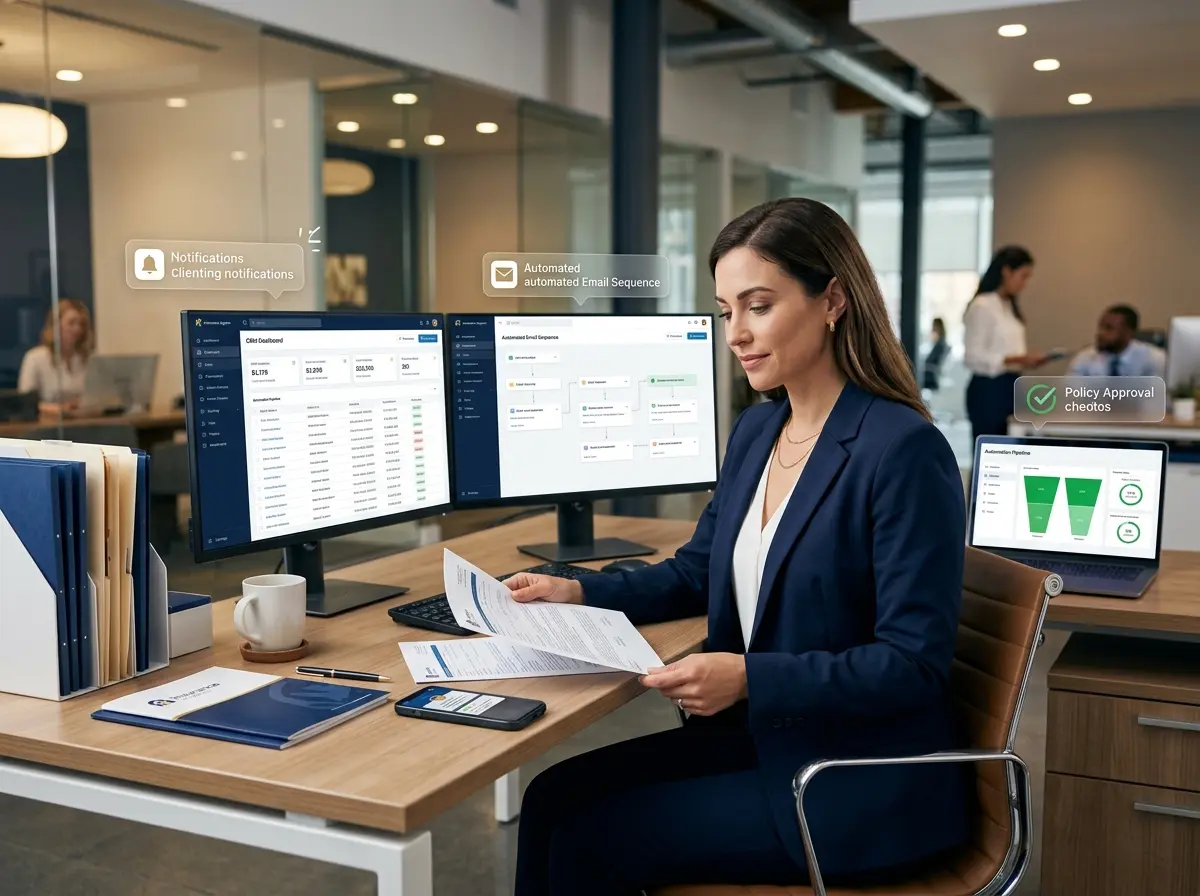
Once someone agrees to recurring service, the onboarding process should be completely hands-off on your end. That means an automated welcome email, a digital intake form to capture access instructions and cleaning preferences, an automated payment method collection, and a confirmation with their full recurring schedule already populated. Set this up once in your CRM and scheduling platform, and it runs forever. Every new recurring client goes through the same seamless experience without a single staff member lifting a finger — which is exactly how it should be.
How Automation Tools (Including Stella) Plug Into Your Booking System
Letting Technology Handle the Inbound Side
You've built a beautiful recurring booking system. Your online portal is set up. Your packages are irresistible. Now comes the awkward part: someone actually picks up the phone and calls you at 8:47 PM on a Tuesday to ask about your biweekly cleaning rates. Your receptionist is gone. You're eating dinner. And that potential recurring client? They're about to Google your competitor.
This is exactly where Stella steps in. Stella is an AI robot employee and phone receptionist that answers calls 24/7 with full knowledge of your services, pricing, scheduling options, and promotions. She can walk a caller through your service packages, collect their contact information and cleaning preferences using conversational intake forms, and funnel that data directly into your CRM — all without waking you up or paying overtime. For cleaning companies with a physical office or storefront, she also works as an in-store kiosk, greeting walk-ins and proactively engaging potential clients. Her built-in CRM with custom fields, tags, and AI-generated client profiles means every lead is captured and organized, ready for your scheduling system to pick up and run with. She costs $99/month and doesn't call in sick.
Keeping Recurring Clients on the Books (And Actually Showing Up)
Building a Retention-First Communication Strategy
Getting a client onto a recurring schedule is a victory. Keeping them there for 12, 24, or 36 months is the real game. The cleaning industry has a frustrating churn problem — clients pause service when life gets busy, then never come back. The antidote is proactive, automated communication that keeps your business top of mind without being annoying.
Set up automated touchpoints at key moments: a reminder 48 hours before each scheduled cleaning, a post-service follow-up asking for a quick review, a check-in message after 90 days of service offering a complimentary add-on, and a re-engagement sequence triggered if a client skips or cancels two consecutive appointments. These don't need to be elaborate. A short, friendly text message performs better than a long marketing email in almost every case. The goal is to feel like a trusted service provider, not a spam folder candidate.
Handling Rescheduling Without Creating Calendar Chaos
Recurring bookings are wonderful until a client needs to reschedule — and then suddenly your perfectly optimized route looks like a Tetris board after a bad game. The solution is to build rescheduling rules directly into your system from the start. Give clients a self-service rescheduling link in every reminder message, but set a clear window — for example, changes must be made at least 48 hours in advance. Any last-minute changes either incur a small rescheduling fee or are subject to availability, which is clearly communicated upfront during onboarding.
When clients control their own rescheduling within your defined rules, you get fewer phone calls, less back-and-forth, and a team schedule that stays manageable. It also reduces resentment — nobody likes being the person who has to awkwardly tell a client that their preferred time is gone because they waited until the morning of to reschedule.
Using Data to Optimize and Grow Your Recurring Revenue
One of the most underused advantages of a proper recurring booking system is the data it generates. Over time, you'll be able to see which services have the highest retention rates, which time slots are most popular, which staff members get the best client reviews, and which neighborhoods generate the most recurring bookings. Use this data to make smarter decisions: concentrate your marketing spend geographically, assign your top-rated cleaners to new client onboarding to maximize first-impression retention, and adjust your service packages based on what clients actually keep booking versus what they cancel after one session.
Quick Reminder About Stella
Stella is an AI robot employee and phone receptionist that works 24/7 to answer calls, greet in-store visitors, collect client information through conversational intake forms, and manage leads through her built-in CRM — all for $99/month with no upfront hardware costs. For cleaning companies building a recurring booking system, she's the piece that ensures no inbound lead ever falls through the cracks, day or night. She doesn't take breaks, doesn't need training refreshers, and never puts a potential recurring client on hold indefinitely.
Conclusion: Stop Running a Manual Business in an Automated World
Building a recurring appointment system for your cleaning company is one of the highest-leverage investments you can make. It stabilizes your revenue, reduces the operational chaos of constant one-off bookings, and creates the kind of predictable schedule that lets you actually plan your growth instead of just reacting to it.
Here's your action plan to get started:
- Choose a scheduling platform built for service businesses — Jobber, Housecall Pro, or ZenMaid are all solid starting points.
- Restructure your service packages to incentivize recurring commitments with discounts or perks.
- Automate your onboarding flow so new recurring clients are set up without staff involvement.
- Set up automated reminders and rescheduling rules to reduce no-shows and calendar chaos.
- Add 24/7 phone and intake coverage so no inbound lead goes unanswered after hours.
- Review your data quarterly and use it to optimize routes, staffing, and marketing.
The cleaning business rewards consistency — both in the quality of your service and in the systems you build behind the scenes. Your clients want reliability. Your bank account wants recurring revenue. And frankly, your sanity wants a calendar that doesn't require you to personally manage every single booking. Build the system once, let it run, and go focus on what actually grows your business.