Introduction: Because "Just Wing It" Is Not a Phone Strategy
Let's be honest — running a veterinary clinic is already a beautiful chaos of barking dogs, anxious cat owners, the occasional escaped reptile, and a waiting room that somehow always looks like a nature documentary. The last thing you need is your front desk staff improvising their way through phone calls with no consistent process, no clear escalation path, and a 50/50 chance that a client's urgent concern gets lost in the shuffle.
Yet, for a surprising number of veterinary practices, that's exactly what's happening. According to a study by the American Animal Hospital Association, missed or mishandled phone calls are one of the leading reasons clients switch veterinary providers. People don't just want their pets treated well — they want themselves treated well, starting from the very first ring.
That's where a solid Call Handling Standard Operating Procedure (SOP) comes in. Think of it as the instruction manual your front desk staff actually needs — one that ensures every caller gets a consistent, professional, and reassuring experience no matter who picks up the phone. Whether you're a solo vet with one receptionist or managing a multi-location practice, this guide will walk you through building an SOP that actually gets used (and not just filed away in a Google Drive folder nobody opens).
Building the Foundation of Your Call Handling SOP
Define Your Call Categories Before You Write a Single Script
Before you start scripting greetings and hold procedures, you need to understand what kinds of calls your clinic actually receives. Not all calls are created equal. A client calling to book a routine wellness exam needs a very different response than a panicked owner whose dog just ate an entire bag of Halloween candy at 11 PM. Lumping all call types into one generic process is a recipe for confusion — and the occasional lawsuit.
Start by auditing your incoming call volume for one to two weeks and categorizing them. Most veterinary clinics will find their calls fall into a handful of consistent buckets: appointment scheduling, prescription refill requests, medical emergencies, billing inquiries, general questions about services or hours, and post-visit follow-ups. Once you know your categories, you can assign handling priorities, designate responsible staff members, and write targeted scripts for each scenario rather than one bloated, confusing document nobody will memorize.
Write Scripts That Sound Human, Not Robotic
Nobody wants to call their vet and feel like they're navigating an IRS helpline. Your scripts should be professional and consistent, but they should also sound like something an actual human being would say. Set a standard greeting that includes the clinic name, the staff member's name, and an offer to help — simple, warm, and immediately reassuring. Something like: "Thank you for calling Riverside Animal Clinic, this is Jamie — how can I help you and your pet today?" goes a long way.
For each call category, write a brief guide — not a word-for-word hostage negotiation script — that outlines the key information to collect, the tone to maintain, and the next action to take. Staff should understand the intent of the script, not just recite it. This flexibility helps them handle curveballs (and there will be curveballs — a client once called our fictitious example clinic to ask if their ferret could attend a birthday party) without completely derailing the interaction.
Establish Clear Escalation Protocols
One of the most critical elements of any call handling SOP is knowing when — and how — to escalate a call. For a veterinary clinic, this is especially important because the stakes can be life-or-death for the animals involved. Your SOP should clearly define what constitutes a medical emergency requiring immediate escalation to a veterinarian or technician, what issues should be flagged for a callback within a set timeframe, and what can be resolved entirely at the front desk level.
Write it out explicitly. "If a client describes symptoms that may indicate poisoning, trauma, respiratory distress, or seizure activity, immediately transfer the call to the on-call technician and alert the attending vet." No ambiguity. No guessing. When your staff knows exactly what to do under pressure, they perform better — and so does your clinic.
Tools and Technology That Make Your SOP Actually Work
Stop Relying Solely on Human Availability
Here's an uncomfortable truth: your front desk staff can't answer the phone at 2 AM, during a packed lunch rush, or when they're helping three clients check in simultaneously. Calls go unanswered. Opportunities are missed. Clients get frustrated and call the clinic down the street. Your beautifully crafted SOP means very little if there's nobody available to execute it.
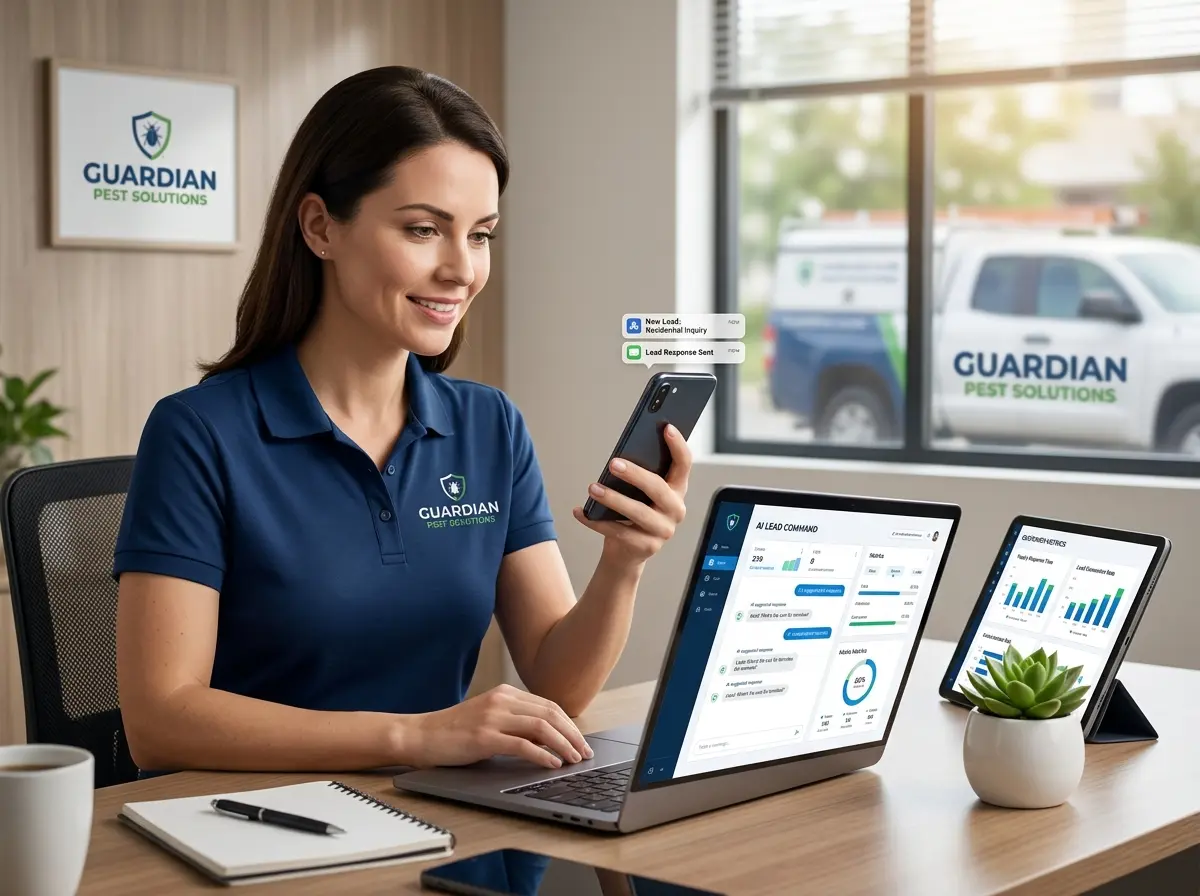
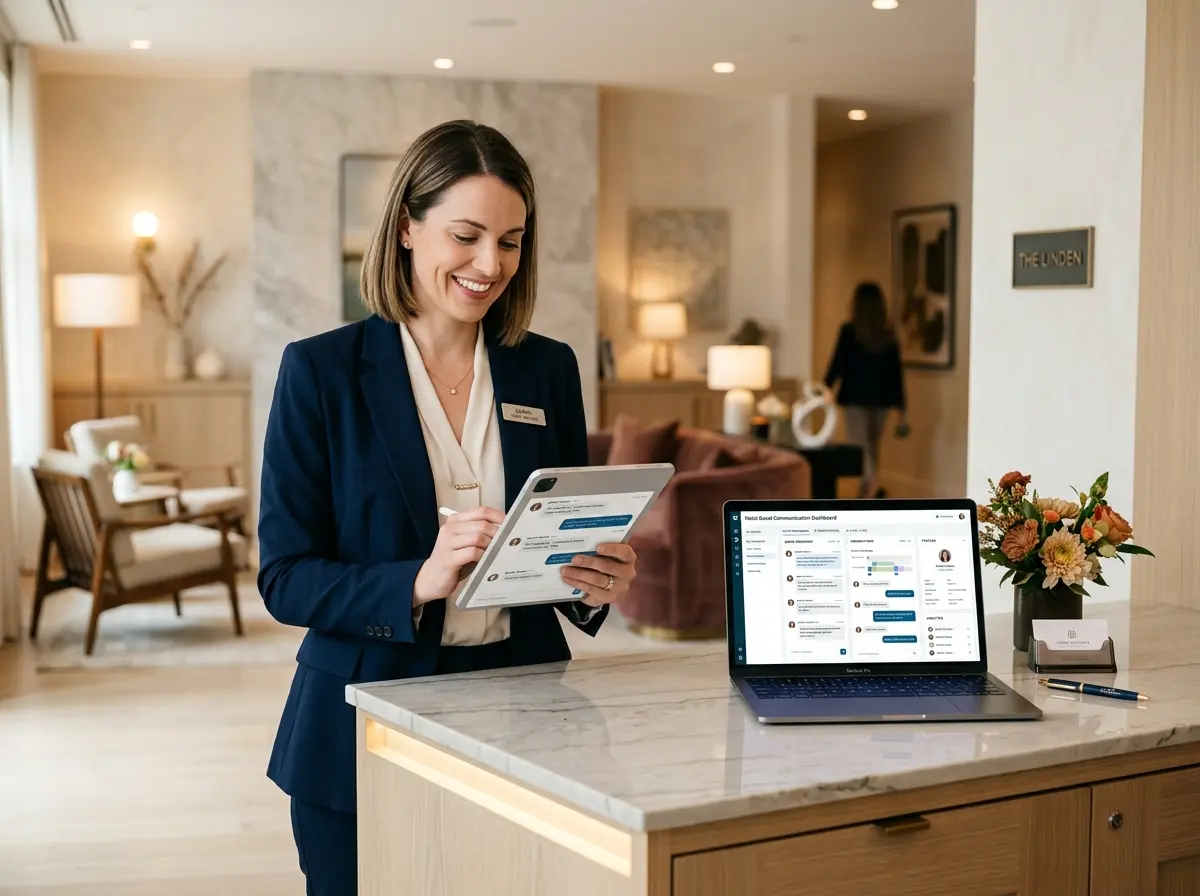
This is where technology bridges the gap. Stella, an AI robot employee and phone receptionist, can answer calls 24/7 with the same business knowledge your human staff would use — handling appointment inquiries, answering questions about services and hours, collecting client information through conversational intake forms, and even forwarding urgent calls to human staff based on conditions you configure. For a veterinary clinic, that means after-hours callers aren't left hanging, and your team isn't pulled away from in-clinic patients every time the phone rings. Stella also brings a built-in CRM with AI-generated client profiles, custom fields, and notes — so every interaction gets captured and organized without your staff manually logging call details between appointments.
Training Your Team and Keeping the SOP Alive
Train Thoroughly, Then Train Again
An SOP sitting in a binder on a shelf is just paper with ambitions. The difference between a document and a functioning system is training — and not the one-time, first-day-of-onboarding kind. Your call handling SOP should be reviewed with every new hire as part of formal onboarding, revisited during quarterly staff meetings, and updated whenever your services, policies, or contact protocols change.
Consider running short role-play exercises during team meetings. Have one staff member play an anxious client calling about a sick pet while another walks through the appropriate SOP response. It sounds a little silly, but it works. Staff who have practiced handling difficult calls in a low-stakes environment respond significantly better when those calls happen in real life — and they will happen. Role-play the awkward calls too: the aggressive client, the one who refuses to be put on hold, the person who wants a medical diagnosis over the phone for an animal you've never seen. Preparation beats improvisation every single time.
Build in Feedback Loops and Regular Reviews
Your SOP is a living document, not a museum artifact. Build in a formal process for staff to flag issues, suggest improvements, or report call scenarios that the current SOP didn't adequately cover. A simple shared document or a standing agenda item in your monthly team meeting works fine. What matters is that the feedback loop actually exists and that management acts on it.
You should also periodically audit call quality. This doesn't mean becoming a surveillance state — it means listening to a handful of recorded calls each month (with appropriate notice to staff and compliance with applicable laws) to identify training opportunities, script gaps, or patterns in client concerns that you're not currently addressing. If you notice that clients are consistently confused about your prescription refill policy, that's not a client problem — that's a script problem. Fix the script.
Measure What Matters
You can't improve what you don't track. Define a small set of key performance indicators for your call handling process and review them regularly. Consider tracking metrics like average call answer time, call abandonment rate (how many callers hang up before being helped), appointment conversion rate from inbound calls, and the volume of calls by category. These numbers will tell you whether your SOP is actually functioning as intended — or whether it's quietly falling apart while everyone pretends otherwise.
For instance, if your call abandonment rate spikes on Monday mornings, that's a staffing or capacity signal, not a client loyalty problem. Data gives you the ability to make decisions based on reality rather than gut feelings, which is generally a good policy in both veterinary medicine and business operations.
Quick Reminder About Stella
Stella is an AI robot employee and phone receptionist built for businesses of all sizes, available for just $99/month with no upfront hardware costs. She answers calls around the clock, handles client questions, collects information through conversational intake forms, and keeps your CRM organized — all without taking a lunch break or calling in sick. For veterinary clinics juggling a packed waiting room and a constantly ringing phone, she's the kind of reliable presence that makes your SOP actually executable, even when your human team is stretched thin.
Conclusion: Your SOP Won't Write Itself (But Now You Have No Excuses)
Creating a call handling SOP for your veterinary clinic isn't glamorous work. It won't make the highlight reel at your next staff appreciation event. But it is one of the highest-leverage investments you can make in your client experience, your team's confidence, and your clinic's professional reputation. Every call your clinic handles well is a relationship reinforced — and in a business built on trust, that matters enormously.
Here's your action plan to get started:
- Audit your current calls for two weeks and identify your top five to seven call categories.
- Write a guide and script framework for each category, including escalation triggers and required information to collect.
- Define your escalation protocol explicitly, especially for medical emergencies.
- Train your team through role-play exercises and formal onboarding, not just a document handoff.
- Implement technology to cover gaps in human availability and ensure consistent call handling around the clock.
- Review and update your SOP quarterly, using call data and staff feedback to keep it current and effective.
Your clients are trusting you with their beloved animals. The least you can do is make sure every phone call they make to your clinic makes them feel like that trust is well-placed — from the very first ring.