You vs. The Everything Store: A Fair Fight (Sort Of)
Let's be honest — competing with Amazon sounds about as fun as bringing a handwritten coupon to a drone delivery war. The retail giant ships billions of packages a year, offers two-day (sometimes two-hour) delivery, and has more product listings than there are stars in the observable universe. So what exactly is a local retailer supposed to do?
Here's the thing: Amazon is enormous, efficient, and everywhere — but it's also cold, impersonal, and completely incapable of looking a customer in the eye and saying, "I think you'd actually love this one instead." That's your superpower. And when you combine the warmth of a local business with a few smart strategies, you don't just survive in Amazon's world — you carve out a loyal customer base that Jeff Bezos himself can't touch.
This isn't about out-spending the world's largest retailer. It's about out-connecting them. Here's how to do it.
What Amazon Can't Give Your Customers (But You Can)
The Human Experience — Amplified
Studies consistently show that customers are willing to pay more for a better experience. A PwC report found that 73% of consumers say experience is a key factor in their purchasing decisions, and 43% would pay more for greater convenience — which, in a local retail context, means knowledgeable staff, personalized recommendations, and the ability to actually touch the thing before buying it.
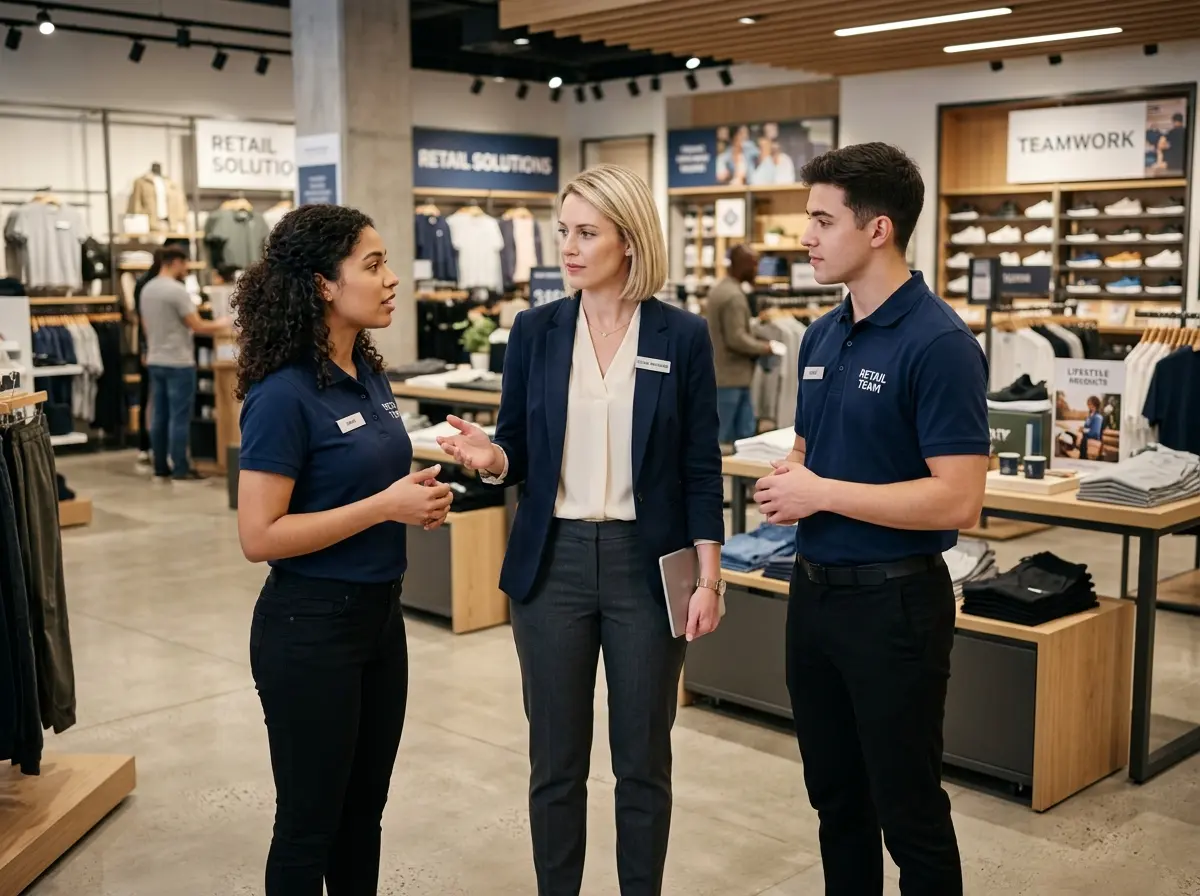
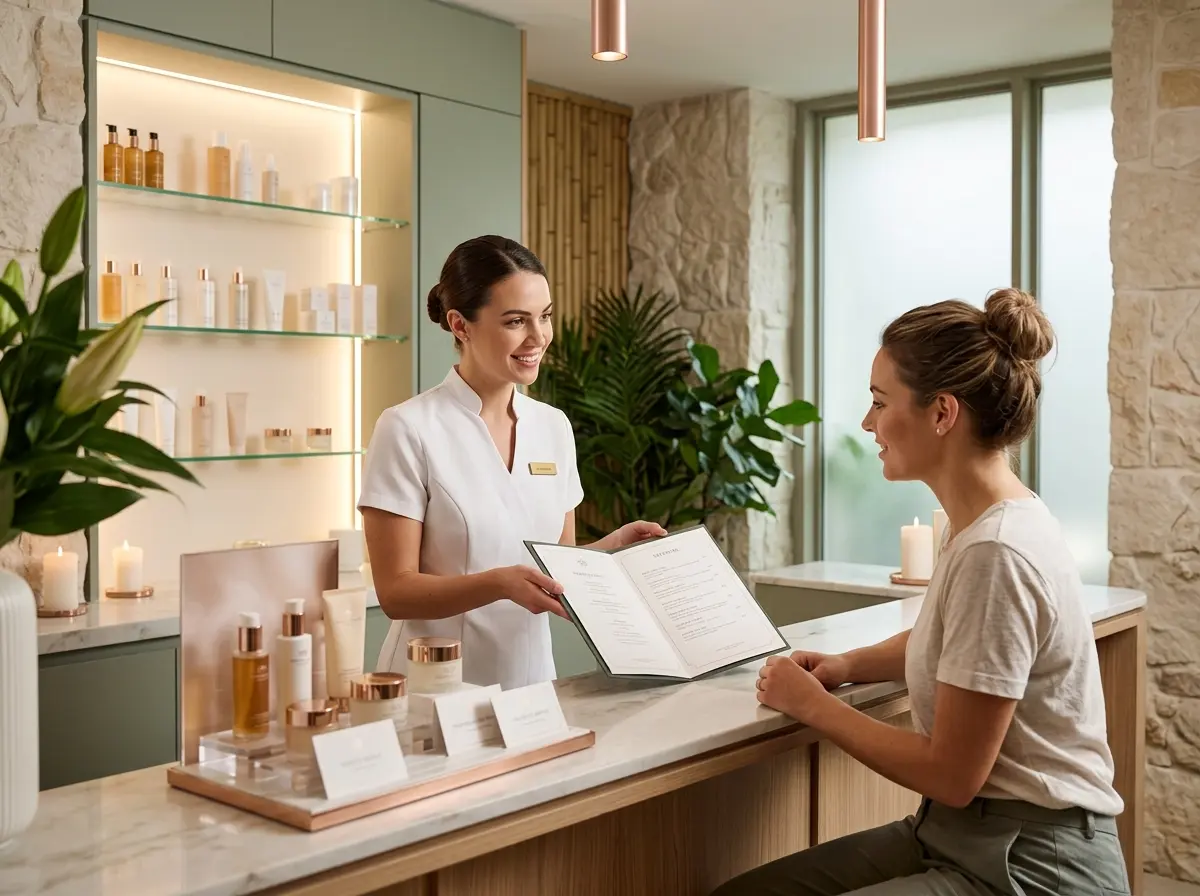
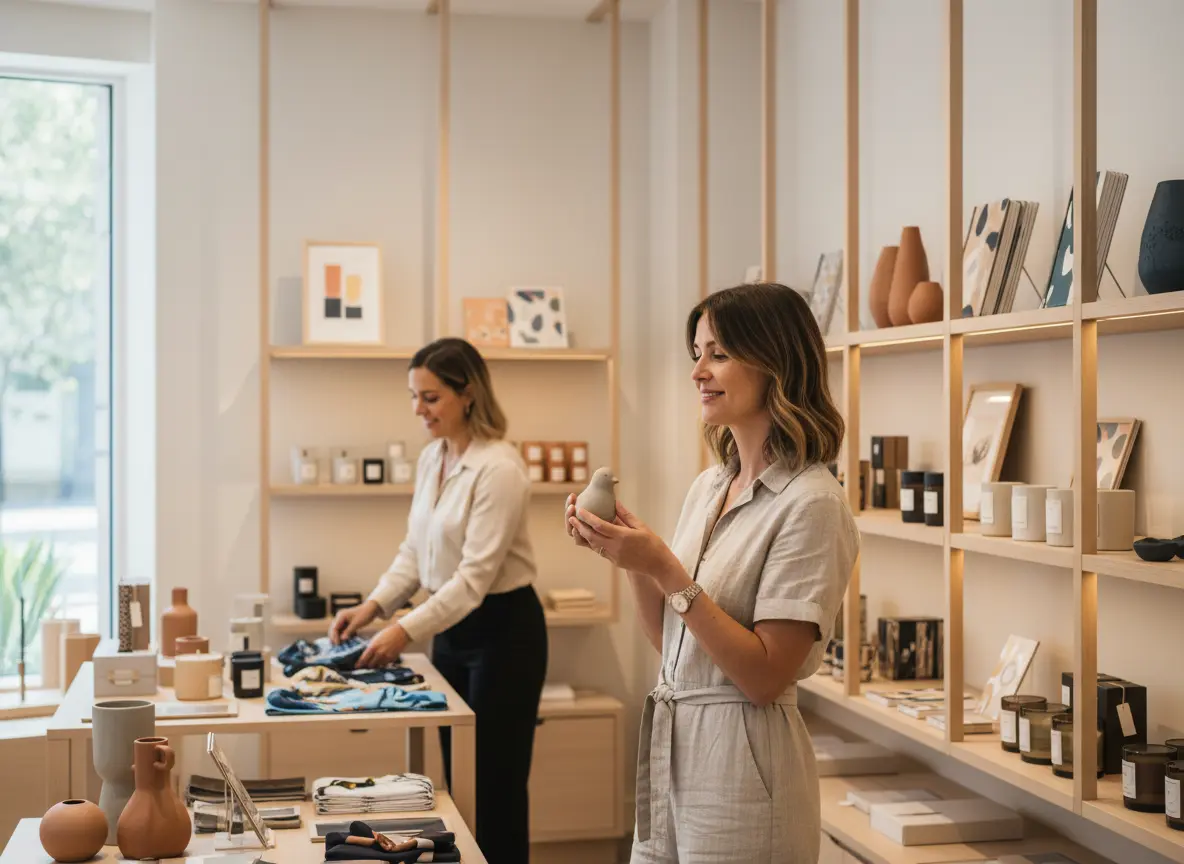
Amazon has algorithms. You have people. Train your staff to be genuinely helpful, not just transactional. The moment a customer feels like they're talking to a real expert who cares about finding them the right product — not just any product — you've won something Amazon can never replicate at scale. Encourage your team to learn the inventory deeply, ask thoughtful questions, and treat every interaction like it matters. Because it does.
Same-Day Satisfaction (Yes, You Can Beat Two-Day Shipping)
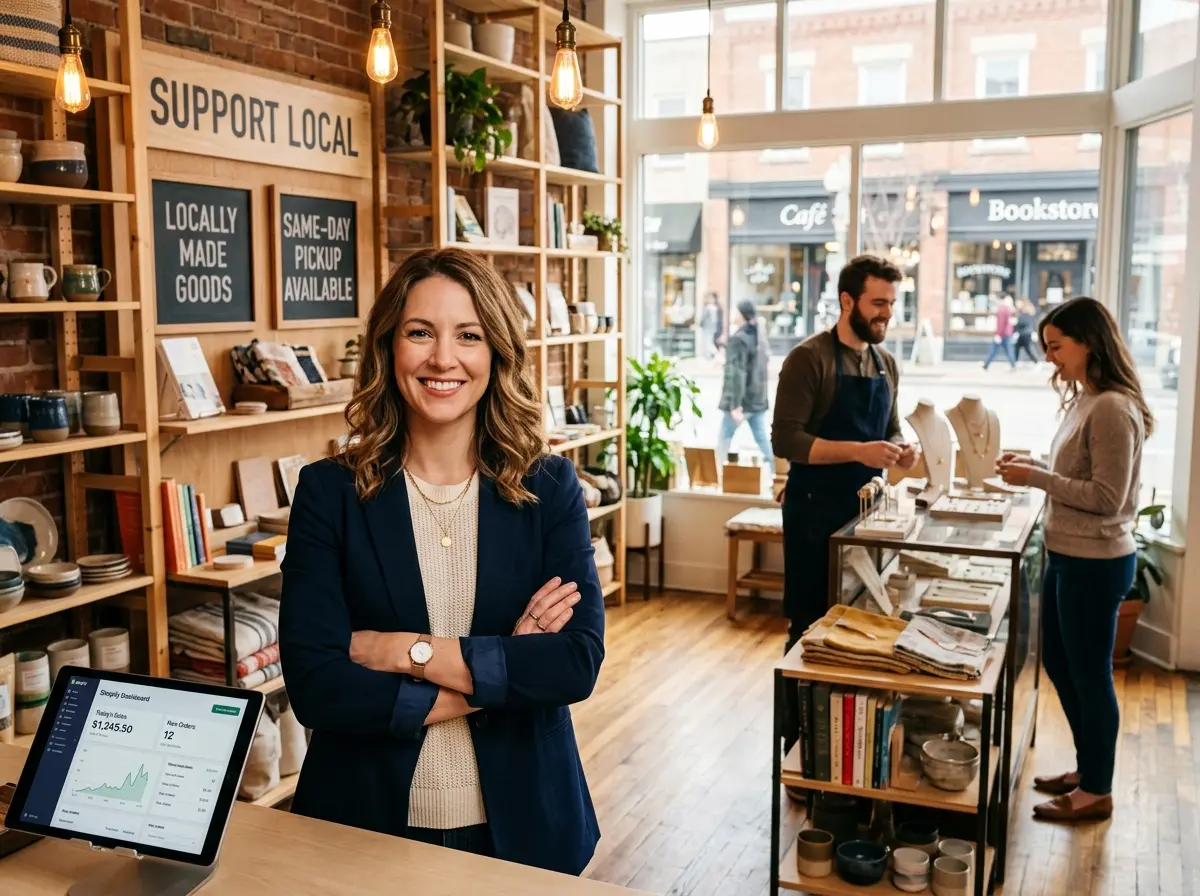
Amazon Prime's two-day shipping feels fast — until you realize that walking into a local store and walking out with exactly what you needed takes about 20 minutes. For customers who need something now, you are already winning the speed race. The key is making sure people know that. Emphasize in-stock availability on your website, your social media, and in-store signage. Offer curbside pickup. Partner with local delivery services like DoorDash Drive or Instacart for same-day home delivery on your terms.
You're not slower than Amazon. For many purchases, you're faster. Start marketing yourself that way.
Community Roots and Brand Loyalty
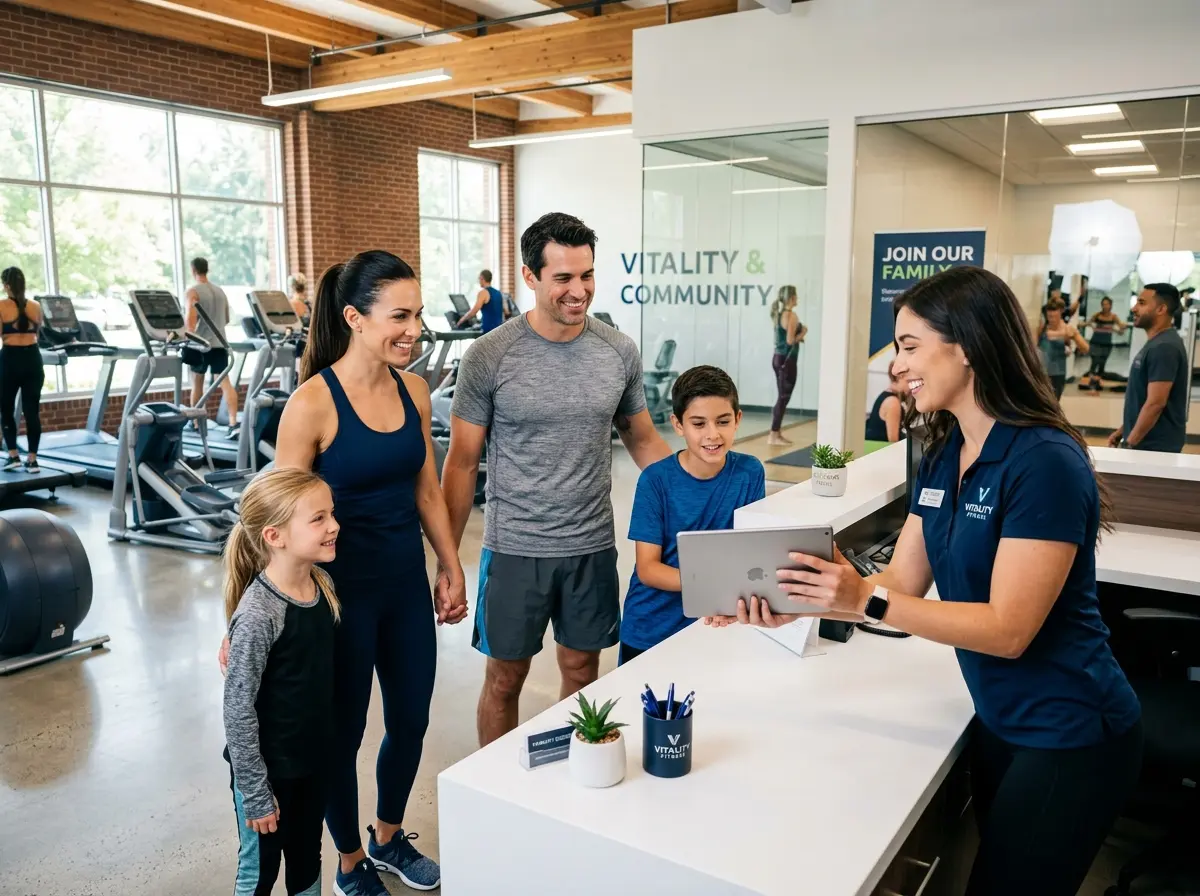
Local businesses enjoy something Amazon will never have: genuine community belonging. Research from the American Independent Business Alliance suggests that for every $100 spent at a local business, approximately $68 stays in the local economy — and today's consumers increasingly care about that. Lean into your local identity. Sponsor a youth sports team. Partner with neighboring businesses. Host events. Share the faces behind your store on social media.
People don't feel loyal to a warehouse in New Jersey. They feel loyal to the shop owner who remembered their dog's name and set aside the last one in stock because they knew they'd be in on Saturday. Be that business.
Leveling Up Your In-Store and Phone Presence
Technology That Works as Hard as You Do
One area where Amazon absolutely dominates is consistency. Their website is always available, always helpful, and never having a bad day. Your local store? Well, your best salesperson just called in sick, the phone's been ringing off the hook, and three customers are waiting at the counter. Sound familiar?
This is exactly where Stella, the AI robot employee and phone receptionist, changes the game for local retailers. Stella stands inside your store as a friendly, human-sized kiosk that greets customers as they walk by, answers questions about products and promotions, upsells related items, and engages shoppers proactively — so your human staff can focus on closing sales and building relationships instead of answering the same five questions on repeat. She also answers your phone calls 24/7 with the same knowledge she uses in person, so you never miss a lead after hours. For local retailers going up against an always-on digital giant, having an always-on presence both in-store and on the phone isn't a luxury — it's a competitive necessity.
Smart Strategies for Long-Term Retail Survival
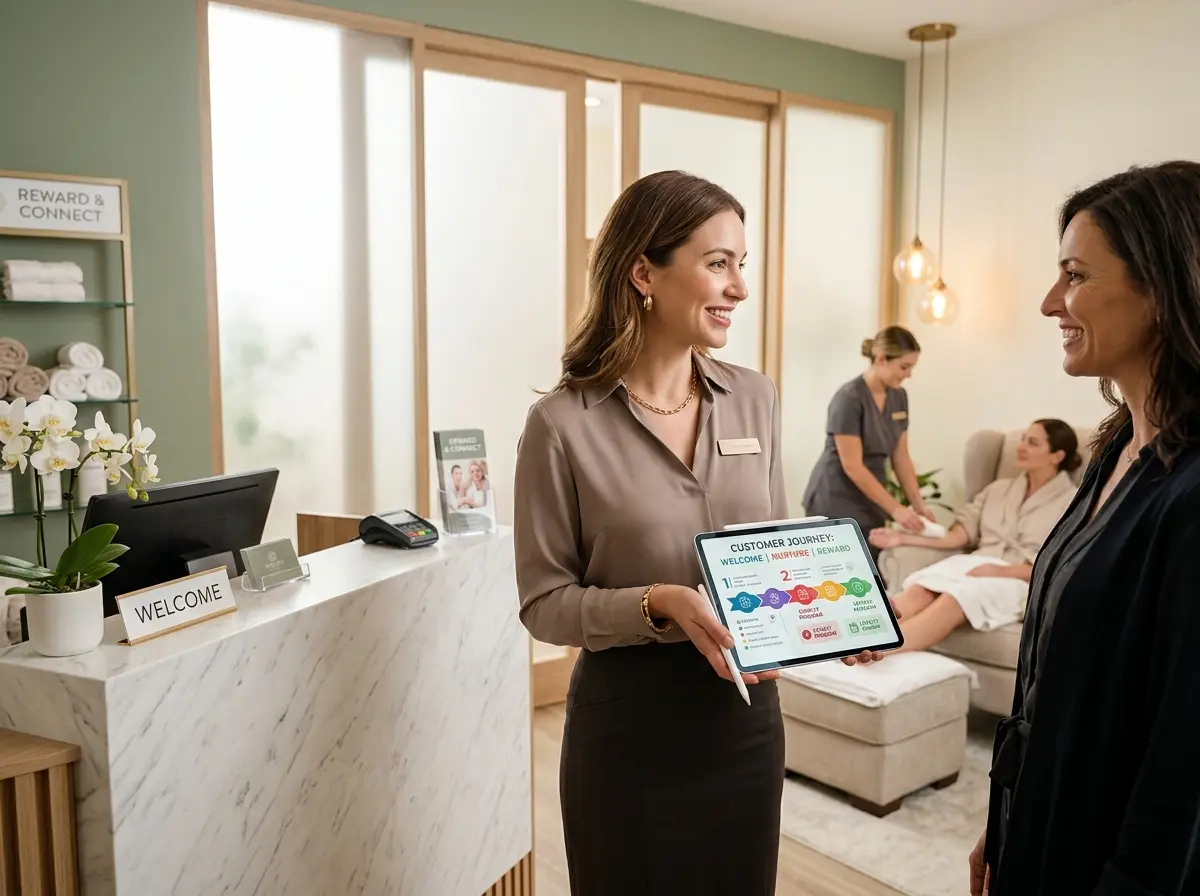
Build a Loyalty Program That Actually Rewards Loyalty
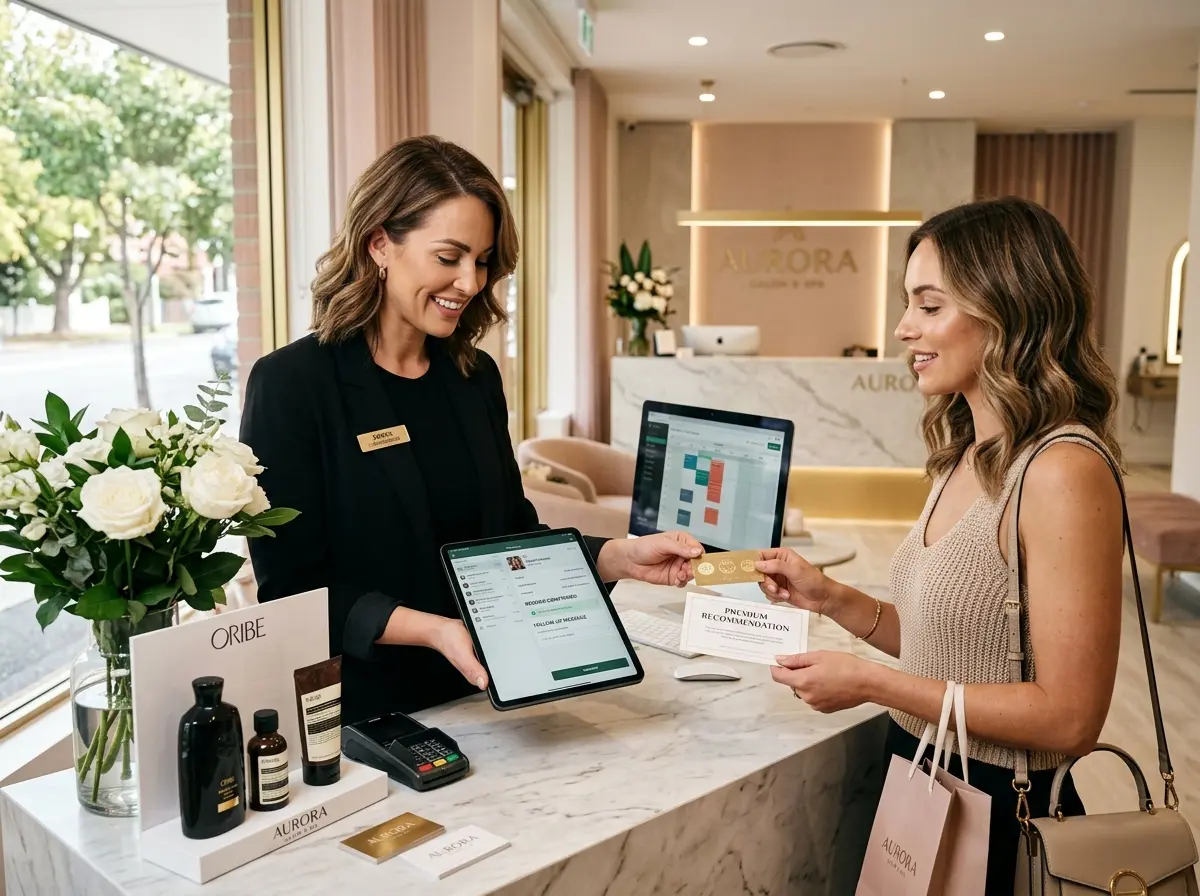
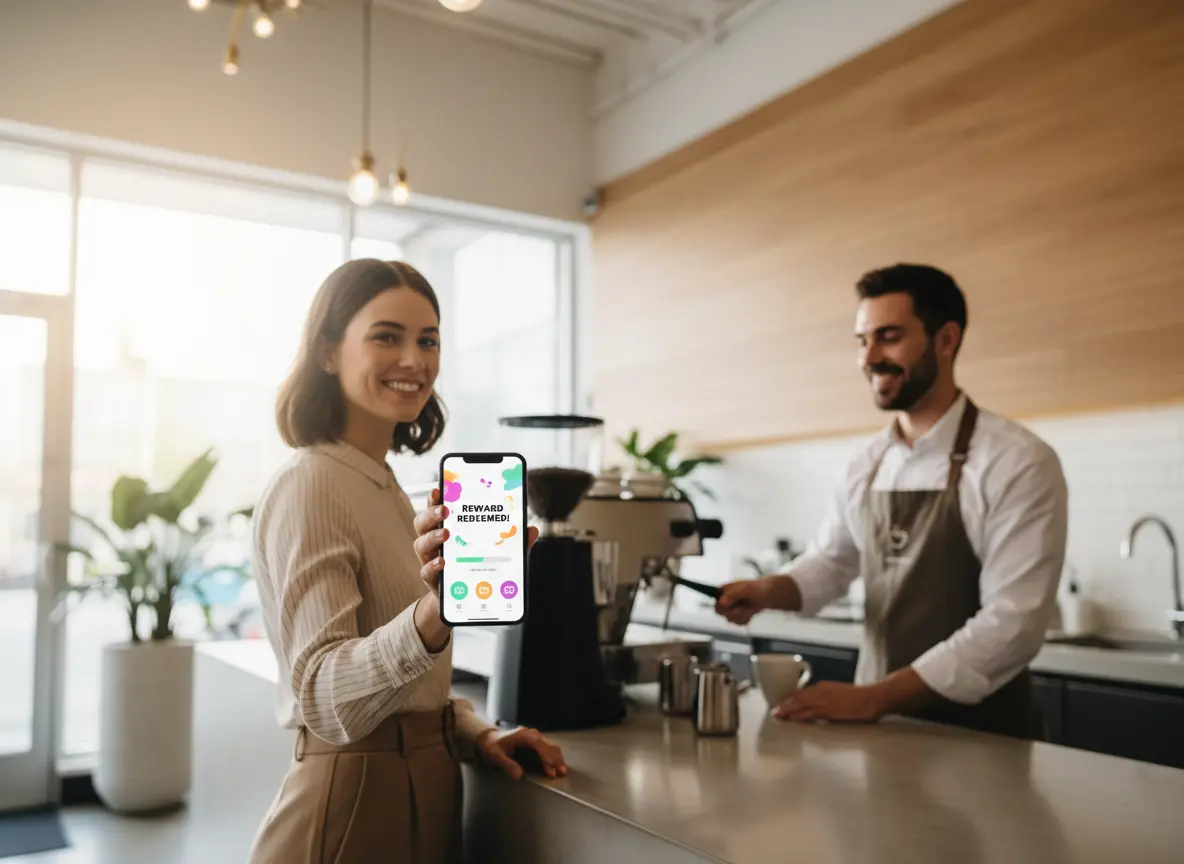
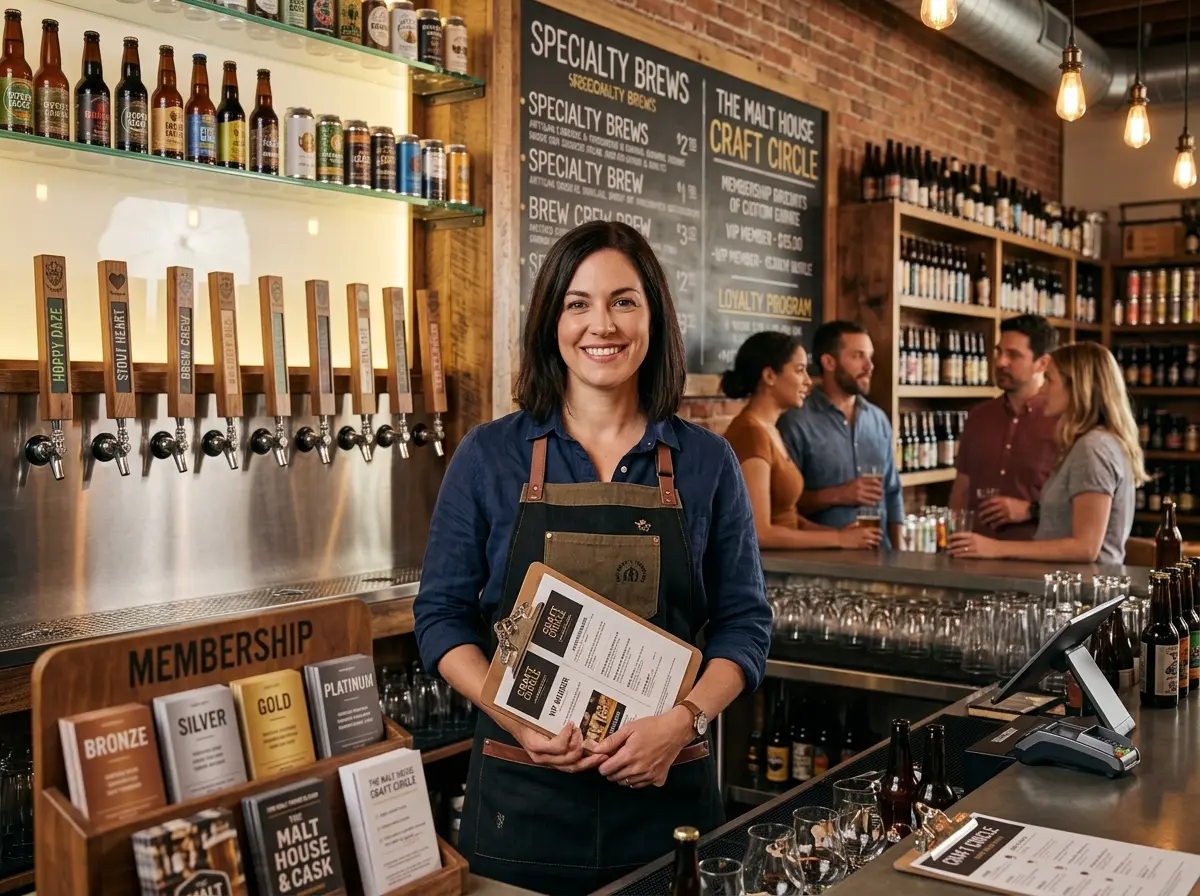
Amazon Prime has 200 million members globally — because it gives people a tangible, recurring reason to keep coming back. You need your own version of that. A well-designed loyalty program doesn't have to be complicated or expensive. Points-based systems, punch cards for high-frequency purchases, exclusive early access to sales, or members-only discounts all give customers a reason to choose you repeatedly instead of defaulting to a quick Amazon search.
The goal is to make shopping with you feel like belonging to something. When a customer accumulates points toward a reward or gets a birthday discount from a store they actually visit in person, that emotional connection compounds over time. Platforms like Square Loyalty, Lightspeed, or even simple email-based programs can make this accessible for retailers of any size without blowing the budget.
Own Your Niche — Don't Try to Carry Everything
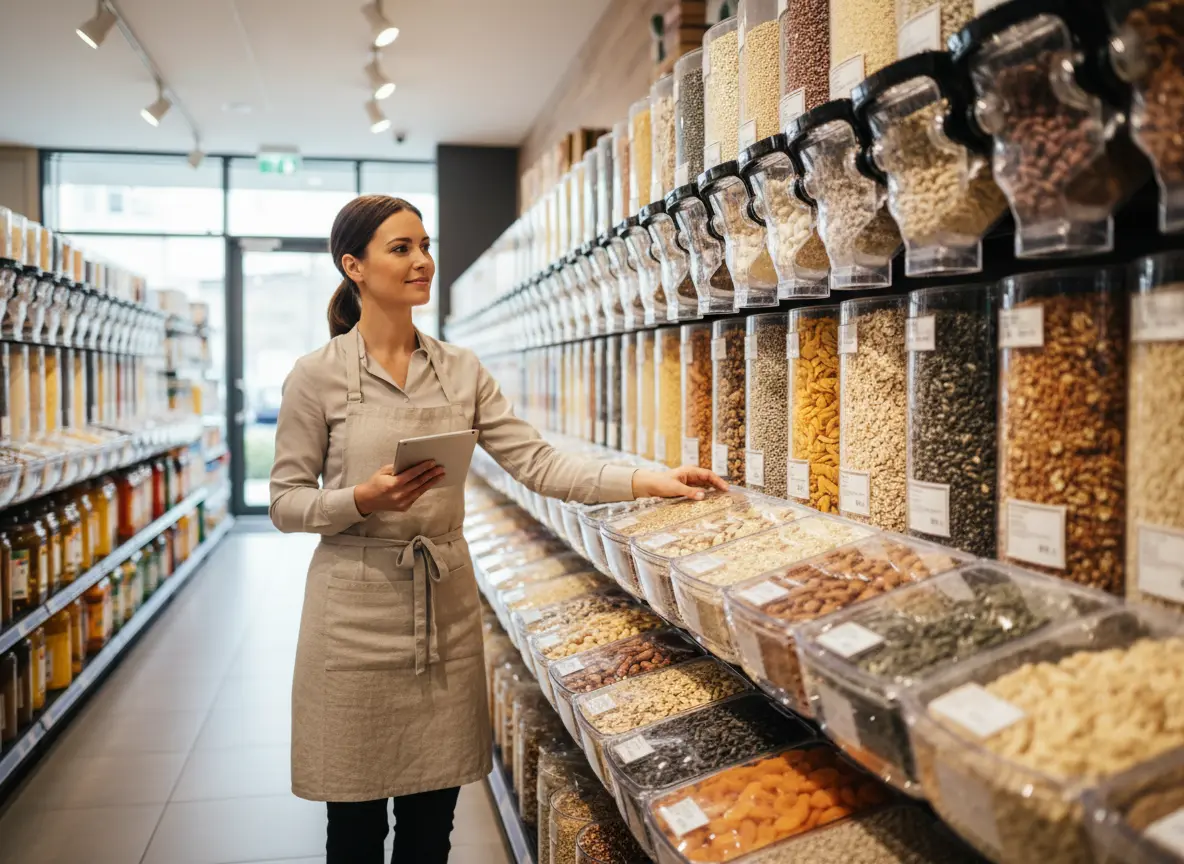
Here is perhaps the most counterintuitive advice in this entire article: stop trying to compete on selection. Amazon carries literally billions of products. You will lose that battle before it begins. Instead, go deep instead of wide. Become the definitive local expert in your category. If you run a kitchen store, carry the brands serious home cooks actually want — the ones with interesting backstories and real craftsmanship — and let your staff speak to them with authority. If you sell outdoor gear, curate for your local climate and terrain.
Curation is a product in itself. When a customer trusts that everything in your store was chosen thoughtfully, the decision-making burden is lifted. That's a service Amazon simply cannot provide. Be the store that saves people from the paralyzing scroll.
Make Your Digital Presence Match Your In-Store Excellence
Many local retailers put tremendous effort into creating a beautiful store experience and then have a website that looks like it was built in 2009 and hasn't been updated since. Your online presence is often the first impression — and in a world where customers research before they shop, it needs to reflect the same quality you deliver in person.
At minimum, ensure your Google Business Profile is fully optimized with current hours, photos, and responses to reviews. Maintain an active presence on the social platforms your customers actually use. If possible, list your inventory online so customers can check stock before making the trip. Consider email marketing with actual value — not just promotional noise, but useful content that positions you as the local expert. The businesses that blend a compelling in-store experience with a clean, trustworthy digital footprint are the ones customers find, visit, and return to.
A Quick Reminder About Stella
Stella is an AI robot employee and phone receptionist built for businesses like yours — she greets customers in-store, promotes deals, answers product questions, and handles phone calls around the clock, all for an affordable $99/month with no upfront hardware costs. Whether you need a reliable presence on the sales floor or someone to answer calls when your team is slammed, Stella shows up every single day without sick days, turnover, or coffee breaks.
Your Next Move Starts Today
Competing with Amazon isn't about matching their scale — it's about making scale irrelevant. The customers who choose local retailers aren't doing it by accident. They're doing it because you offer something that no algorithm, no drone, and no fulfillment center can replicate: a genuine, knowledgeable, community-rooted experience that makes them feel like more than a transaction.
Here's what to do this week. First, audit your in-store experience honestly — walk through it like a first-time customer and note every friction point. Second, look at your loyalty program (or absence of one) and decide on one concrete step to improve it. Third, Google your own business and see what a new customer sees. Is it accurate? Is it compelling? Fourth, identify the two or three categories where you can go deeper and become the unambiguous local authority.
Amazon will keep growing. But so will the number of customers who are actively looking for a reason to shop local — they just need you to give them one. Make it easy. Make it excellent. And make it unmistakably, irreplaceably you.