First Impressions in Healthcare: You Only Get One Shot (Make It Count)
The new client experience in a chiropractic office is one of the most critical — and most overlooked — aspects of running a successful practice. You can have the best adjustments in town, the most soothing ambient music, and a fish tank that practically screams relaxation, but if your intake process is clunky, your front desk is overwhelmed, or your phones ring into oblivion, you're leaving money (and patients) on the table. According to research from Bain & Company, acquiring a new customer costs five to seven times more than retaining an existing one — so getting that first impression right isn't just good hospitality, it's good business.
Before They Even Walk Through the Door
Your Online Presence Needs to Do the Talking
The Phone Call: Where Patients Are Won or Lost
Here's an uncomfortable truth: a significant number of new patients will call your office before booking online. And if they get a busy signal, a full voicemail box, or a rushed receptionist who sounds like they're simultaneously checking someone in and filing insurance claims, they will hang up and call your competitor. Studies suggest that up to 85% of callers who don't reach a business on the first try will not call back. That's not a statistic — that's a parade of potential patients walking straight to the practice down the street.
Pre-Visit Communication Sets Expectations
How the Right Technology Removes the Friction
Technology in healthcare often gets a bad reputation — usually because it's implemented poorly or chosen for the wrong reasons. But the right tools, used thoughtfully, can make your practice feel warmer and more attentive, not more robotic. This is where Stella, the AI robot employee and phone receptionist, genuinely earns her keep.
Always-On Phone Coverage and Smart Intake
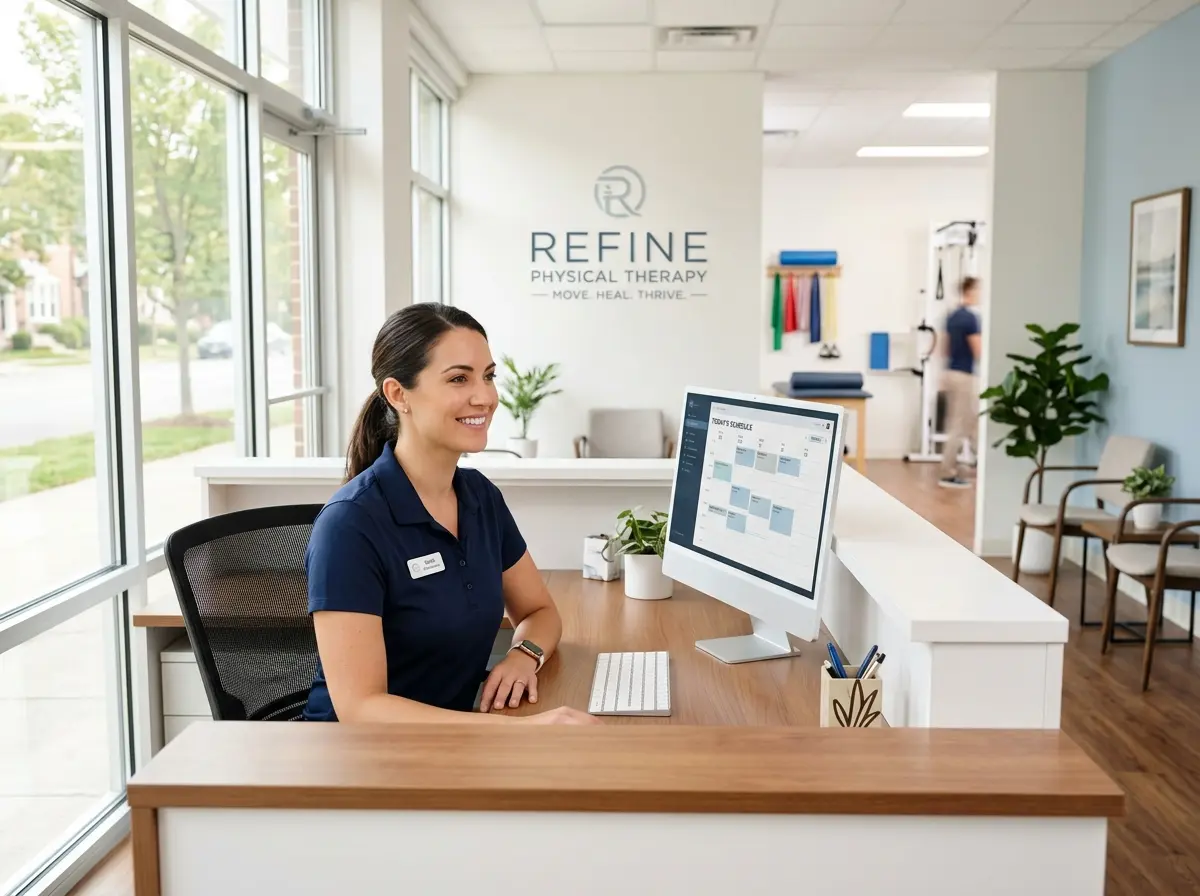
Stella answers your phones 24/7 with the same knowledge a well-trained front desk staffer would have — your services, your hours, your new patient process, your policies. She can collect new patient information through conversational intake forms right over the phone, so by the time that patient arrives, your team already has their details in hand. No frantic clipboard-filling in the waiting room, no staff playing phone tag at 7 AM. Her built-in CRM stores contact information, generates AI-powered patient profiles, and keeps everything organized with custom tags and notes — so your team always has context before a call or visit, not after. For offices with a physical location, her in-store kiosk presence means walk-ins are greeted immediately and guided through what they need — no awkward moments standing at an unstaffed desk wondering if anyone works there.
The In-Office Experience: Where Comfort Meets Efficiency
Streamline the Paperwork (Seriously, It's 2024)
The Consultation and Exam: Manage the Narrative
New chiropractic patients are often nervous. Many have never been adjusted before and carry a mental image largely informed by YouTube videos of questionable origin. Your consultation and exam are your opportunity to educate, build trust, and set realistic expectations. Take time to explain what you found, what your recommended plan of care is, and why. Patients who understand their treatment are far more likely to follow through with it — which is good for them and good for your retention numbers. Don't rush this conversation to fit a tight schedule. If your schedule is too tight to have it, that's a systems problem worth fixing.
The Post-Visit Follow-Up That Most Practices Skip
Quick Reminder About Stella
Stella is an AI robot employee and phone receptionist built for businesses exactly like yours — she greets patients at your in-office kiosk, answers phones around the clock, handles intake forms, manages your CRM, and never calls in sick. She runs on a straightforward $99/month subscription with no upfront hardware costs, making her one of the more sensible investments a growing chiropractic practice can make.
Building a New Client Experience That Works Every Time
- Audit your phone experience. Call your own office at different times of day and see what a new patient experiences. You may be unpleasantly surprised.
- Review your intake process. Time it. If it takes more than ten minutes of a patient's time before they see the doctor, look for steps to streamline or digitize.
- Implement a post-visit follow-up sequence. Even a simple automated text or email makes a meaningful difference in second-visit conversion.
- Empower your front desk. Give your team the tools, training, and support to handle the first impression without being stretched too thin. If phones and walk-ins are competing for their attention simultaneously, fill the gap with technology.
- Measure what matters. Track new patient conversion rates, second-visit show rates, and referral sources. You can't improve what you don't measure.