You're Leaving Money on the Table at Every Single Check-In
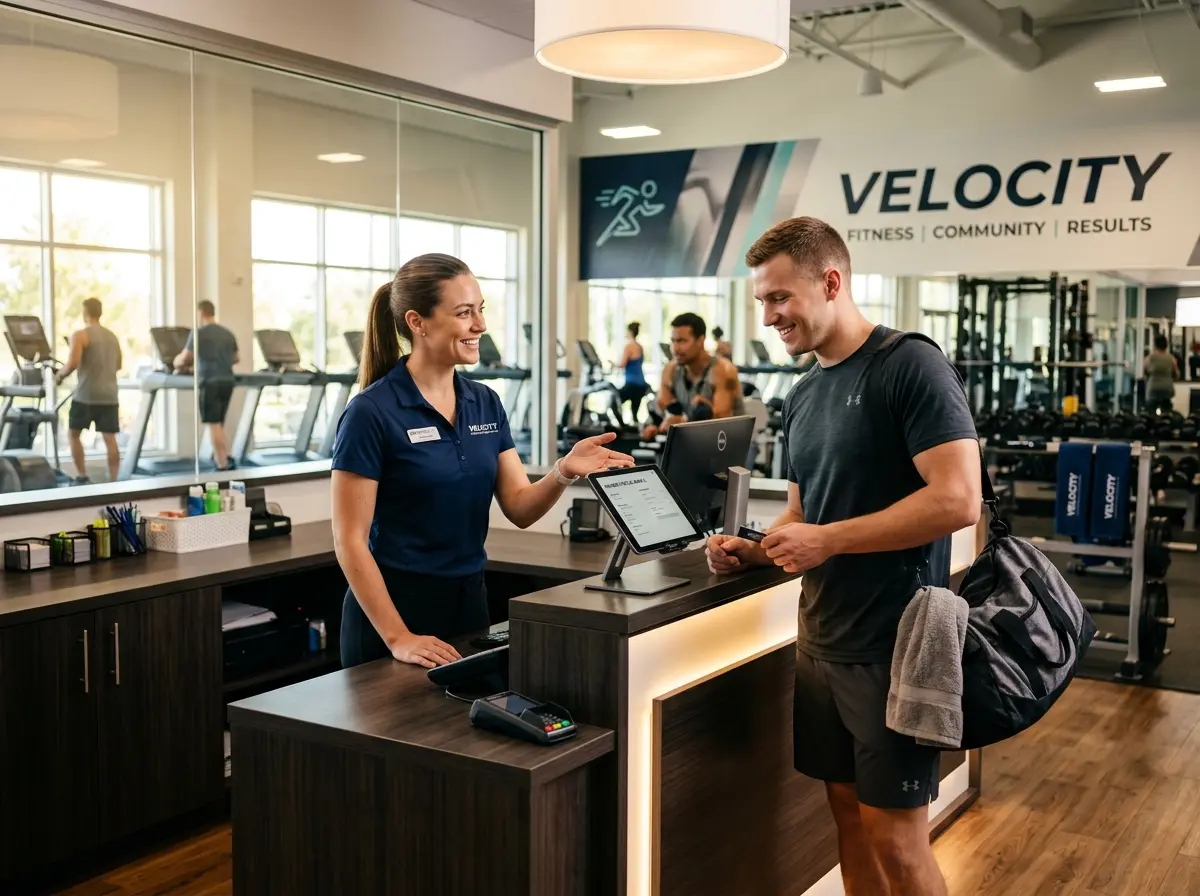
Let's paint a picture. A member walks into your gym, swipes their key fob, gives the front desk staff a nod, and heads straight to the treadmill. Your staff member smiles back, maybe asks how their day is going, and then returns to whatever they were doing. A perfectly pleasant interaction. Also, a perfectly missed opportunity.
Here's the uncomfortable truth: your happiest, most loyal members are walking through your doors every single day, and you are not asking them to bring their friends. Not because you don't want referrals — of course you do — but because there's no system in place to make that ask happen consistently, professionally, and without feeling like a used car lot.
Word-of-mouth referrals are the single highest-converting lead source for gyms. According to Nielsen, 92% of consumers trust referrals from people they know over any other form of advertising. And yet most gyms treat referral generation as something that just... happens organically. Spoiler alert: it doesn't. Not at scale. Not reliably. Not without a structured moment built into the check-in experience.
This post is about fixing that. Let's talk about why a structured referral request moment during member check-in is one of the smartest, lowest-cost growth strategies your gym can implement — and how to actually build one that works.
The Case for Embedding Referrals Into Check-In
Timing Is Everything (And You've Been Getting It Wrong)
Most gyms ask for referrals either never, or at the absolute worst moment — buried in an email newsletter that nobody opens, or awkwardly tacked onto a cancellation prevention conversation. Neither of these approaches is going to fill your membership roster.
Check-in, however, is a peak engagement moment. Your member is physically present. They chose to show up today. That means they're motivated, they're feeling good about their decision to be a member, and they're about to go do something that makes them feel great. That pre-workout energy is your best friend. This is the moment when asking "Hey, do you know anyone who might want to join?" actually lands positively instead of feeling like a shakedown.
Contrast this with asking via email three weeks after their last visit. Now you're interrupting their Tuesday afternoon at work to remind them about a gym they haven't been to recently. The psychological context couldn't be more different. Timing your referral ask to coincide with active, happy member behavior is not just smart — it's basic psychology.
Consistency Is the Secret Weapon Your Staff Isn't Using
Here's a scenario that plays out at gyms everywhere: one enthusiastic front desk employee asks every member about referrals. She's great at it. Members love her. Referrals trickle in on her shifts. Then she gets a new job or moves away, and suddenly referrals dry up completely because the ask lived entirely in her head, not in your process.
A structured referral request moment removes the dependence on individual staff personality and embeds the ask into your check-in workflow itself. That might mean a prompt on your check-in screen, a scripted line that every team member is trained to deliver, a tablet display near the front desk, or an automated touchpoint triggered by check-in. The format matters less than the consistency. Every member, every visit, some version of the referral ask should be present. Not pushy — present.
Small Incentives, Big Results
You don't need to give away free memberships to drive referral behavior. In fact, overly generous incentives can actually attract lower-quality leads — people who signed up just to get their friend a discount, not because they genuinely want to train at your gym.
What works better is a modest, meaningful reward tied to the check-in moment. Think: a free personal training session for the referring member when their friend completes their first month. A branded gym bag. A month of free tanning or locker rental. The incentive should feel like a genuine thank-you, not a bribe. Communicate it at check-in with a simple, friendly script: "By the way, if you refer a friend who joins this month, you'll get a free training session on us — just something we do for members who help us grow." Warm, human, zero pressure.
How Technology Can Take This Off Your Staff's Plate
Automate the Ask Without Losing the Human Touch
One of the biggest reasons referral programs fail at gyms isn't lack of interest — it's inconsistent execution. Your front desk staff are juggling member questions, phone calls, new member paperwork, and the general controlled chaos that is a busy gym floor. Asking them to also remember to deliver a referral pitch at every single check-in is asking a lot.
This is exactly where a tool like Stella becomes genuinely useful. Stella is an AI robot employee and phone receptionist that can be stationed right at your front entrance, greeting every member who walks in, engaging them in natural conversation about current promotions, and yes — delivering your referral ask consistently, every single time, without ever having a bad day or forgetting the script. She's also available to answer your gym's phone calls around the clock, so your human staff can stay focused on the members standing right in front of them. For gyms that want to capture referral contact information on the spot, Stella's built-in CRM and conversational intake forms make it easy to collect and track everything without extra software or manual data entry.
Building Your Referral Moment: A Practical Framework
Define the Moment and Make It Repeatable
The first step is deciding exactly when and how the referral ask will happen during check-in. This doesn't need to be complicated. Pick one of the following approaches — or combine them — and build it into your standard operating procedure:
- Staff script: Every front desk team member delivers a one-sentence referral mention during check-in. Train it, post it, mystery-shop it.
- Digital display prompt: Your check-in kiosk or screen shows a brief referral message after the member scans in, with a QR code linking to a referral form.
- AI-assisted touchpoint: An in-store kiosk greets members, confirms their check-in, and mentions the current referral offer in a friendly, conversational way.
- Follow-up trigger: Check-in data automatically triggers a short SMS to the member with a personalized referral link — sent while they're still warming up.
Whatever format you choose, the key is that it happens every time, for every member, not just when someone remembers or when the gym is slow.
Track It Like a Real Marketing Channel
Referral programs fail quietly. There's no invoice at the end of the month reminding you how much you spent, so there's also no urgency to audit how well it's performing. Treat your referral program like a paid marketing channel — because in terms of cost-per-acquisition, it often outperforms everything else in your budget.
At minimum, track the following: how many referrals were submitted each month, how many converted to paid memberships, which referring members are your top advocates, and what your referral conversion rate is compared to other lead sources. If you have a CRM, tag referral leads distinctly so you can measure their lifetime value compared to leads from ads or walk-ins. You may be surprised to find that referred members stay longer, complain less, and spend more — which changes how much budget you should be dedicating to this channel.
Celebrate Your Referrers Publicly (With Permission)
People like being recognized. If a member refers three friends in a single month, acknowledge it — on your gym's social media, on a wall display, in your email newsletter. This does two things simultaneously: it rewards the behavior you want to see more of, and it signals to every other member that this is something your community does. Referrals become a cultural norm rather than an awkward ask.
Keep it genuine and low-key. A simple "Shoutout to Marcus for bringing in three new members this month — legend" on your Instagram story costs nothing and creates more referral motivation than a discount code buried in an email ever will.
Quick Reminder About Stella
Stella is an AI robot employee and phone receptionist designed for businesses exactly like yours — available as a friendly, human-sized kiosk that greets your members in person and handles your phone calls 24/7, all for just $99 per month with no upfront hardware costs. She's always on, always professional, and never misses a referral ask. Whether you need consistent in-person engagement at the front desk or reliable phone coverage after hours, Stella is built to keep your gym running smoothly without adding to your staffing headaches.
Start Tomorrow, Not Next Quarter
Here's your action plan, because a blog post without one is just a pep talk:
- This week: Write a one-sentence referral ask and train every front desk staff member to deliver it at check-in. Post it at the desk as a reminder. That's it — start there.
- Within two weeks: Set up a referral tracking method, even if it's just a simple spreadsheet. You can't improve what you don't measure.
- Within a month: Define your referral incentive structure, create any supporting materials (QR codes, signage, SMS templates), and assign someone to own the program.
- Ongoing: Review referral data monthly, celebrate your top referrers, and iterate on what's working.
Your members are already talking about your gym. Some of them are genuinely enthusiastic advocates who would happily send you business — if only someone asked. You've invested heavily in equipment, programming, staff, and marketing to get those members through the door. The referral ask at check-in is the simplest, cheapest, and most underused lever you have to turn that investment into compounding growth.
So build the moment, make it consistent, and stop leaving warm referrals on the table every single day. Your future members are already in someone's contact list. Go get them.