Your Clients Won't Show Up If You Don't Remind Them (Sorry, But It's True)
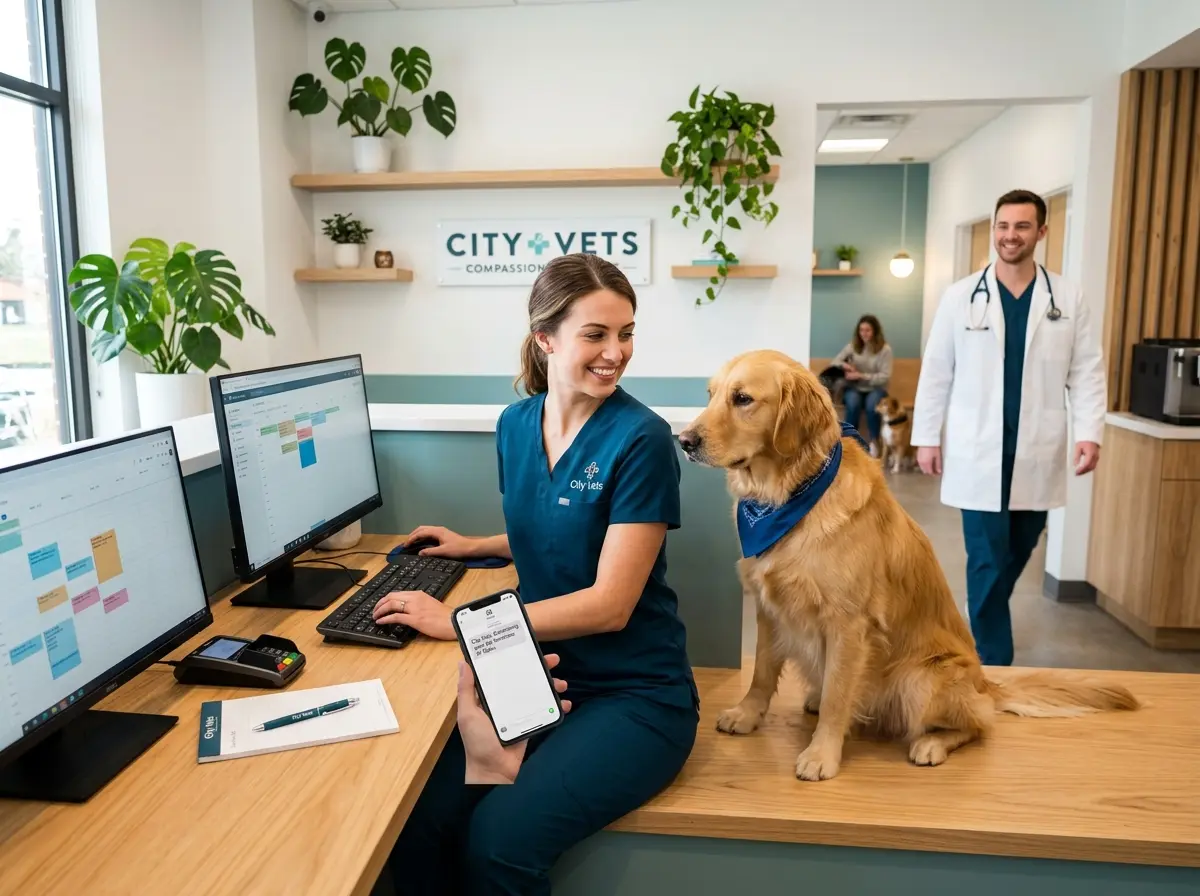
Let's paint a familiar picture: you've got a full appointment schedule, your veterinary team is prepped and ready, and then — silence. An empty exam room. A no-show. Again. You could be upset about it, or you could accept the cold, hard truth: pet owners are busy, distracted, and juggling approximately forty-seven things at once. Their dog's dental cleaning appointment, while critically important to you (and honestly, to the dog), is competing with soccer practice, work deadlines, and whatever chaos is unfolding in their household on any given Tuesday.
The good news? A well-timed, well-crafted pre-appointment text sequence can dramatically reduce no-show rates at your veterinary clinic. Studies have shown that appointment reminder messages can reduce no-shows by up to 29%, and for a business where each missed slot represents real lost revenue — think anywhere from $45 to $300+ per appointment — that's not a small number. The even better news is that setting this up isn't complicated. It just requires a little strategy and the right tools in your corner.
Let's break down exactly how to build a pre-appointment text sequence that keeps your exam rooms full and your team's time well spent.
Building the Perfect Pre-Appointment Text Sequence
Message 1: The 48-Hour Heads-Up
The first message in your sequence should go out approximately 48 hours before the scheduled appointment. This gives clients enough time to actually do something if there's a conflict — reschedule, arrange transportation, or remind themselves that yes, Biscuit the Labrador does indeed have a vet appointment on Thursday. Sending this message two days out strikes the ideal balance between "enough time to act" and "close enough to feel real."
Keep this message warm, friendly, and informative. Include the pet's name (clients love this — it immediately signals you know who they are), the date and time of the appointment, the type of visit, and a clear way to confirm or reschedule. Something like: "Hi Sarah! Just a reminder that Biscuit has a wellness exam scheduled for Thursday, June 12th at 10:00 AM with Dr. Martinez. Reply YES to confirm or call us to reschedule. We can't wait to see him!"
The confirmation reply is key. It creates a micro-commitment. Once a client actively types "YES," they're far more likely to follow through. Psychology is doing the heavy lifting here, and you don't even have to pay it overtime.
Message 2: The Day-Before Check-In
Your second message goes out 24 hours before the appointment. At this point, you can reasonably assume the client is aware of the visit — they confirmed, after all — but this message serves a dual purpose: it reinforces the commitment and provides any logistical information they might need. Think parking instructions, what to bring, fasting requirements for procedures, or a reminder to bring vaccination records.
For example: "Good morning, Sarah! Biscuit's appointment is tomorrow, Thursday the 12th, at 10:00 AM. A quick reminder: please withhold food after midnight if your pet is scheduled for a procedure. Enter through our main doors on Oak Street and check in at the front desk. See you soon!"
This message also serves as a subtle quality-of-care signal. You're not just a place that pokes animals with needles — you're organized, communicative, and genuinely invested in the visit going smoothly.
Message 3: The Morning-Of Nudge
The third and final message in the sequence goes out on the morning of the appointment, roughly two to three hours before the scheduled time. At this stage, brevity is your friend. Clients don't need a lot of information — they just need a gentle nudge that says, "Hey, this is happening today." A short, friendly reminder with the time and a phone number to call if plans have changed is all you need. It also gives you a small window to fill the slot if someone does cancel last-minute.
Something like: "Hi Sarah! Biscuit's appointment is today at 10:00 AM. We're looking forward to seeing him! If anything comes up, please call us at (555) 123-4567. See you soon!" Simple, warm, and effective.
How the Right Tools Make This Effortless
Automating the Sequence Without Losing the Human Touch
Here's where most clinic owners hit a wall: manually sending three texts per client, per appointment, every single day is not a job — it's a punishment. The only way this sequence works long-term is if it's automated. That means using a platform that can trigger messages based on appointment dates, pull in the pet's name, the owner's name, the appointment type, and fire everything off without anyone having to lift a finger.
Stella, the AI robot employee and phone receptionist, is built for exactly this kind of client communication work. With her built-in CRM, you can store detailed client and patient profiles — including custom fields like pet names, breed, appointment history, and tags for things like "high-anxiety pet" or "senior wellness patient." Her conversational intake forms can capture client information directly over the phone or through your website, meaning client profiles stay accurate and up to date without your front desk team having to manually enter data after every call. When your contact data is clean and well-organized, automated sequences like this one actually work. Garbage in, garbage out — but with Stella managing intake, the data stays clean.
Writing Text Messages Clients Actually Read
Personalization Is Non-Negotiable
Generic messages get ignored. If a client receives a text that reads like it was written for "Valued Customer #4,892," they're going to treat it with the same enthusiasm they reserve for terms-and-conditions emails. Personalization — using the client's first name, the pet's name, and specific appointment details — signals that your clinic knows who they are and that this message is meant specifically for them. It's a small thing that makes a significant difference in open rates and response rates.
Beyond names, consider personalizing based on visit type. A reminder for a puppy's first vaccination series should feel different from a reminder for a senior pet's cancer screening. The tone, the information included, and even the level of warmth you convey can vary meaningfully based on context. Your clients will notice, even if they can't articulate why.
Tone, Length, and Timing: The Three Pillars of Effective Reminder Texts
Tone should always be warm and professional — you're not a debt collector, you're a healthcare provider who genuinely cares about your patients. Keep messages short enough to be read in under 30 seconds, but include all critical details (date, time, pet name, and a clear call to action). Timing matters more than most people realize: messages sent too early get forgotten, messages sent too late are useless. Stick to the 48-hour, 24-hour, and same-day framework and you'll be in good shape.
One more tip: always include an easy way to opt out or reschedule. Not only is this a best practice under texting compliance guidelines (looking at you, TCPA), but it's also just good manners. Clients who feel respected are clients who come back.
Handling Confirmations and Cancellations Gracefully
Your text sequence shouldn't end at the send button — it should be part of a responsive communication loop. When a client confirms, acknowledge it. A quick automated response like "Great, we'll see you and Biscuit on Thursday!" closes the loop and reinforces the commitment. When someone cancels, respond promptly with a link or phone number to reschedule rather than just letting the conversation go cold. A cancellation isn't a lost client — a cancellation with no follow-up might be.
A Quick Reminder About Stella
Stella is an AI robot employee and phone receptionist that answers calls 24/7, manages client intake through conversational forms, and keeps your CRM organized and up to date — all for just $99/month with no upfront hardware costs. For veterinary clinics, she's especially useful for capturing new client information during after-hours calls, answering common questions about services and hours, and making sure no inquiry falls through the cracks when your front desk team is heads-down with in-clinic patients. She's the receptionist who never calls in sick, never puts someone on hold indefinitely, and never forgets to ask for the pet's name.
Start Reducing No-Shows This Week
No-shows are one of those problems that feel inevitable right up until you actually do something about them. The pre-appointment text sequence outlined here — a 48-hour confirmation, a 24-hour logistics reminder, and a same-day nudge — is proven, practical, and entirely within your reach to implement. The key is consistency: this only works if it happens for every client, every appointment, every time.
Here's your action plan to get started:
- Audit your current reminder system. Are you sending any reminders at all? How many? When? Be honest about where the gaps are.
- Draft your three message templates. Personalize them with merge fields for client name, pet name, date, time, and appointment type. Keep them short, warm, and clear.
- Choose an automation platform that integrates with your scheduling system and CRM so messages go out automatically without manual effort.
- Clean up your contact data. A great text sequence is worthless if the phone numbers in your system are wrong. Run a quick audit of your client records and flag any missing or outdated information.
- Track your results. Measure your no-show rate before and after implementing the sequence. Give it 60 days and review the data.
Your patients need care, your team deserves full schedules, and your clinic needs the revenue. A three-message text sequence won't solve every challenge in your practice — but it will solve this one, and it'll do it quietly and consistently in the background while you focus on what you actually went to school for: keeping animals healthy.
Now go build that sequence. Biscuit is counting on you.