The Art of Urgency: Selling More Without Selling Your Soul
Let's be honest — at some point, every retailer has been tempted. The countdown timer that resets every 24 hours. The "Only 3 Left!" badge on a product you have 200 of in the back room. The "Sale Ends Tonight!" banner that somehow survives into next Tuesday. We've all seen it, and most of us have rolled our eyes at it as shoppers.
Here's the uncomfortable truth: fake scarcity works — until it doesn't. The short-term bump in conversions comes at a steep long-term price: eroded trust, negative reviews, and customers who feel manipulated rather than valued. And in an age where your Google reviews are basically your storefront window, that's a risk most small and mid-sized retailers simply can't afford.
The good news? You don't need to deceive anyone to create urgency. Real scarcity exists all around your business — you just need to know how to find it, frame it, and communicate it honestly. This guide will walk you through exactly how to do that, so you can drive sales like a pro without making your customers feel like they stumbled into an infomercial.
Understanding Real Scarcity (It's Probably Already There)
Most retailers underestimate how much genuine scarcity already exists in their business. Before you reach for the smoke and mirrors, take a look at what's actually limited in your world. You might be pleasantly surprised.
Time-Based Scarcity: The Calendar Is Your Friend
Seasons change. Holidays end. Fiscal quarters close. These are real, immovable deadlines that naturally create urgency for your customers — and you didn't have to invent a single one of them. A summer clearance sale genuinely ends when fall inventory arrives. A Valentine's Day promotion really does stop making sense on February 15th. A tax season special for a bookkeeper or accountant has a hard deadline that even the IRS agrees on.
The key is to tie your promotions to these real time constraints and explain why they exist. "We're clearing out summer inventory to make room for our fall collection" is infinitely more trustworthy than a faceless timer counting down to nothing. Customers appreciate transparency, and it positions your sale as a logical business decision rather than a manufactured panic button.
Inventory-Based Scarcity: When "Low Stock" Actually Means Low Stock
If you genuinely have limited quantities — whether because of a small production run, a supplier constraint, or a one-time purchase — say so clearly and confidently. Authentic low-stock messaging converts extremely well because customers know it's real. According to a study by the Nielsen Norman Group, honest urgency cues consistently outperform manipulative ones in long-term customer retention.
Practical tip: Set a threshold that makes sense for your business — say, when stock drops below 10 units — and only display "low stock" messaging at that point. Don't cry wolf on products you could reorder tomorrow. Your customers will notice the pattern, and once trust is gone, no discount will bring it back.
Capacity-Based Scarcity: Perfect for Service Businesses
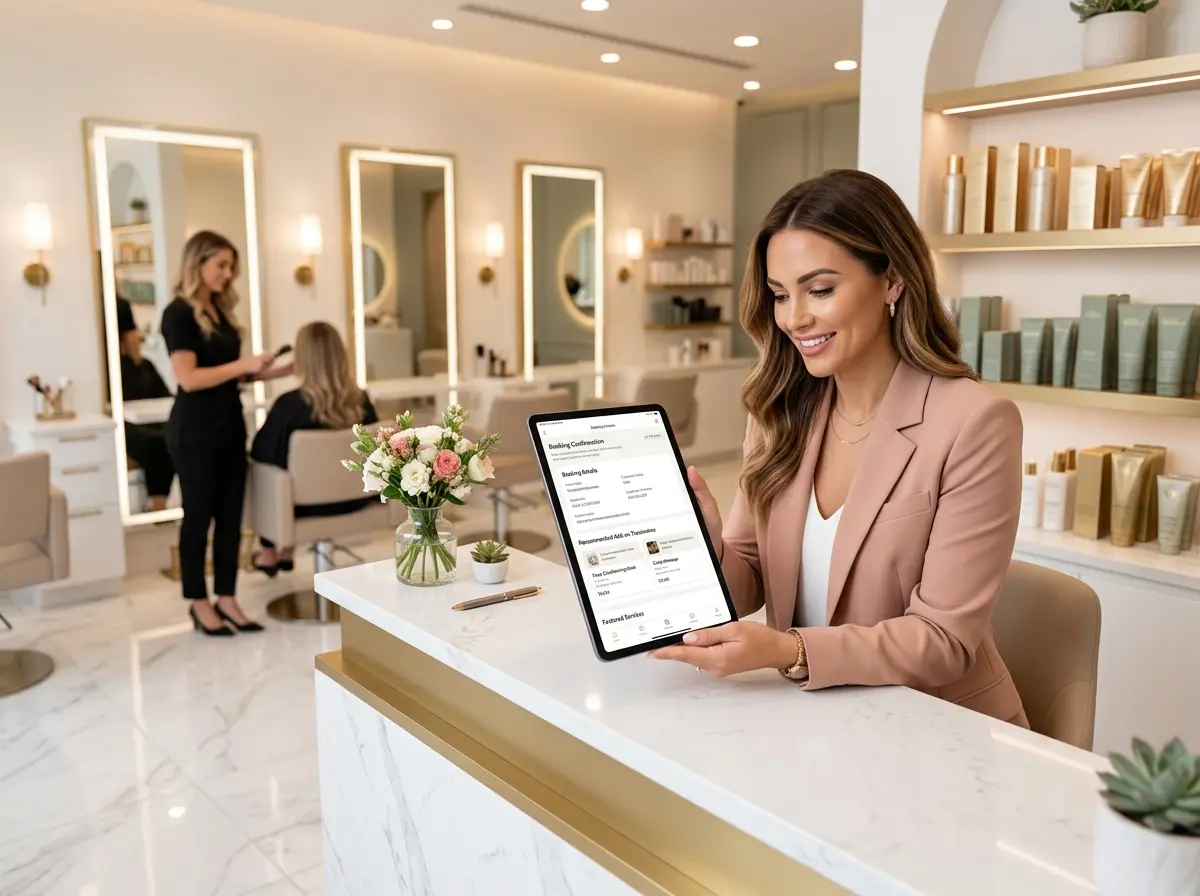
If you run a salon, spa, gym, medical practice, or any service-based retail environment, your scarcity is baked right in. You only have so many chairs, so many appointment slots, so many hours in a day. That's not a limitation — that's a feature. Promote it like one.
"We have 4 spots left for Saturday morning appointments" is a completely honest statement that creates real urgency. It respects your customer's intelligence, communicates genuine demand, and motivates action — all without a single fabricated countdown timer in sight.
How to Communicate Scarcity at the Right Moment
Knowing you have real scarcity is one thing. Communicating it at the right moment, to the right customer, in the right tone — that's where the magic happens. This is also where many businesses fumble, either by being too passive ("Sale going on now!") or too aggressive ("BUY NOW BEFORE IT'S GONE!!!").
Let Technology Do the Heavy Lifting
One surprisingly effective way to communicate real-time scarcity is through the customer touchpoints that happen before the sale — like when a customer walks into your store or calls to ask about a product. Stella, the AI robot employee and phone receptionist, is built for exactly this kind of moment. When a customer walks up to her kiosk in your store, she can proactively mention that a product is running low, that a promotion ends this weekend, or that appointment slots are filling up — all based on the real information you've configured her with. On the phone side, she answers calls 24/7 and can naturally weave in promotional urgency during customer conversations, so your legitimate deals actually get heard instead of sitting on a flyer nobody reads. Honest urgency, delivered at the perfect moment, without requiring your staff to remember to mention it every single time.
Building Trust While Driving Urgency
Here's the paradox that trips up a lot of retailers: the harder you push urgency, the less customers trust it. The solution isn't to stop creating urgency — it's to build enough trust that when you do signal urgency, your customers believe you.
Be Specific, Not Sensational
Vague urgency language — "Limited time!" "While supplies last!" — has been so overused that most shoppers have become completely numb to it. Specific urgency, on the other hand, is both more believable and more effective. Compare these two approaches:
- Vague: "Limited quantities available!"
- Specific: "We received 24 units of this jacket from our supplier and we're down to 7."
The specific version tells a story. It implies demand. It's transparent. And perhaps most importantly, it's almost certainly true. Specificity is the language of honesty, and honesty is the foundation of repeat business.
Pair Urgency With Value, Not Fear
Ethical scarcity is about opportunity, not anxiety. There's a meaningful difference between helping a customer understand they might miss out on something great and making them feel panicked into a purchase they'll regret. The former builds loyalty; the latter builds chargebacks and bad reviews.
Frame your scarcity messaging around what the customer gains by acting now, not what they lose by waiting. "Grab this while it's here — our suppliers don't always restock this one" feels helpful. "ACT NOW OR LOSE FOREVER" feels like a late-night cable channel. Know the difference, and stay firmly on the right side of it.
Follow Through — Every Single Time
The fastest way to destroy your scarcity credibility is to not follow through. If you say the sale ends Sunday, it ends Sunday. If you say there are 5 left, don't magically restock them the moment the promotion ends and run the same deal again. Customers have memories, and these days they also have screenshots. Consistency between what you say and what you do is the single most powerful trust-building tool in your marketing arsenal — and it costs you absolutely nothing.
Quick Reminder About Stella
Stella is an AI robot employee and phone receptionist designed to give businesses a reliable, professional customer-facing presence — both in-store as a human-sized kiosk and over the phone as a 24/7 AI receptionist. She greets customers, answers questions, promotes your real deals, and keeps things running smoothly at just $99/month with no upfront hardware costs. If you want your honest urgency messaging delivered consistently to every customer, every time, she's worth a look.
Start Selling the Truth — It Works Better Anyway
Creating ethical scarcity isn't about being less persuasive — it's about being more credible. The retailers who thrive long-term are the ones whose customers trust them enough to act when they say "this won't last." That trust is built one honest interaction at a time.
Here's your actionable game plan to get started:
- Audit your existing promotions. Identify any urgency claims that aren't backed by real constraints and retire them immediately.
- Map your natural scarcity. Look at your calendar, your inventory levels, and your service capacity. Real urgency is almost certainly already there.
- Get specific. Replace vague urgency language with concrete, honest details. Numbers and dates are your friends.
- Train your touchpoints. Whether that's your staff, your signage, or a tool like Stella, make sure your real urgency messaging is being communicated proactively and consistently.
- Follow through, always. Mean what you say, every time. Your reputation depends on it.
The bottom line: your customers are smarter than most marketing tactics give them credit for. Treat them that way, and they'll reward you with something no fake countdown timer ever could — their loyalty.